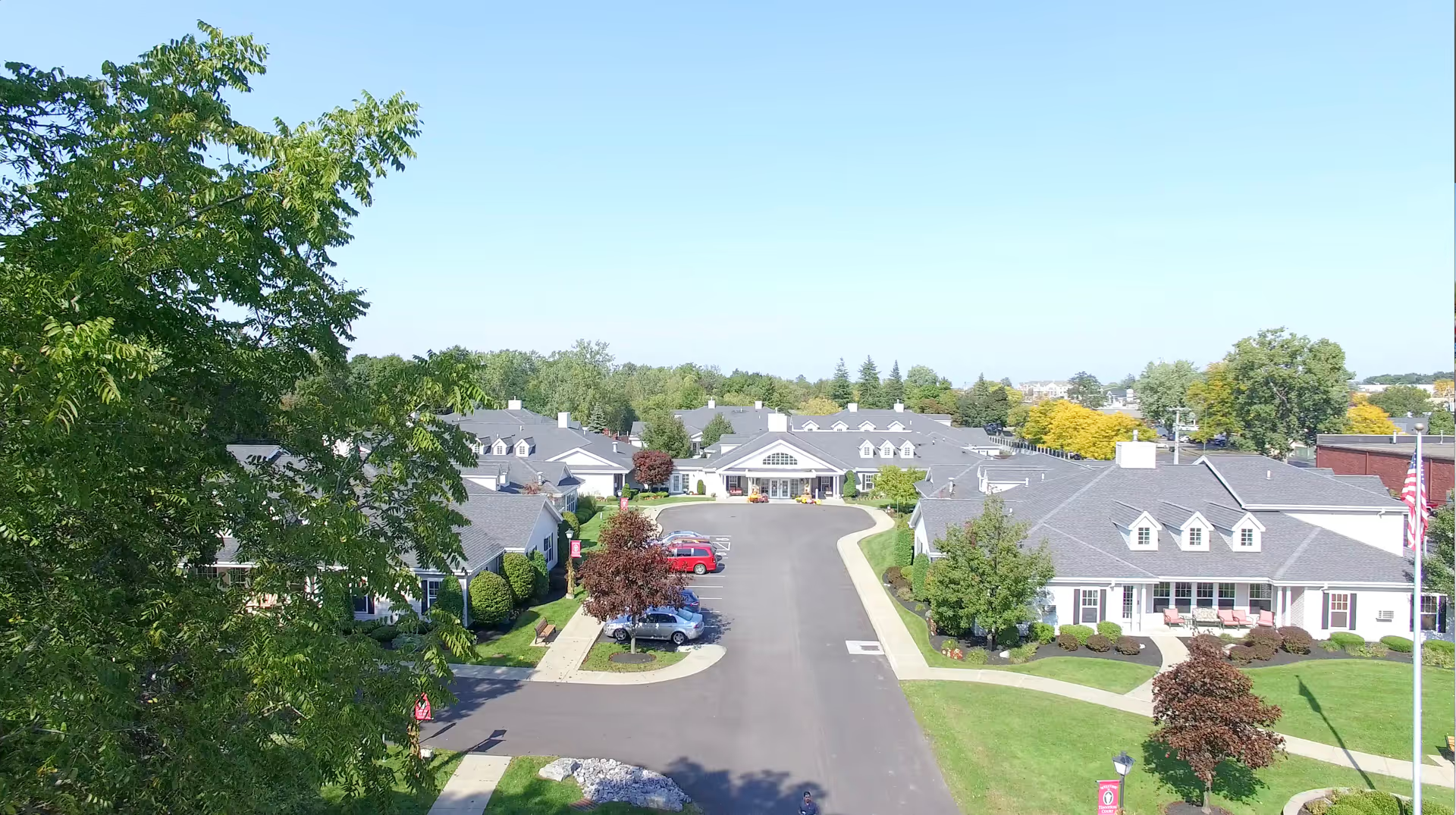
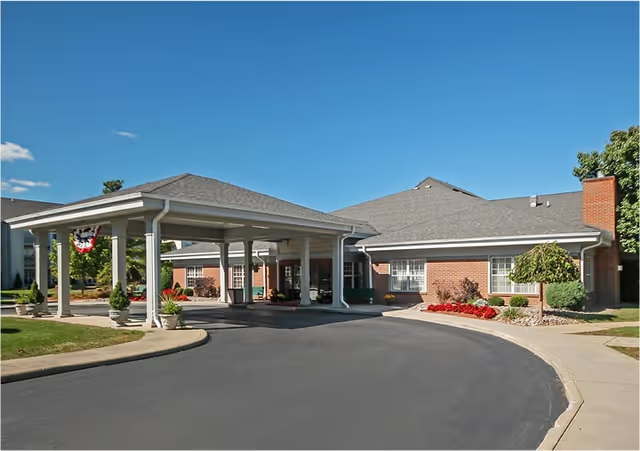
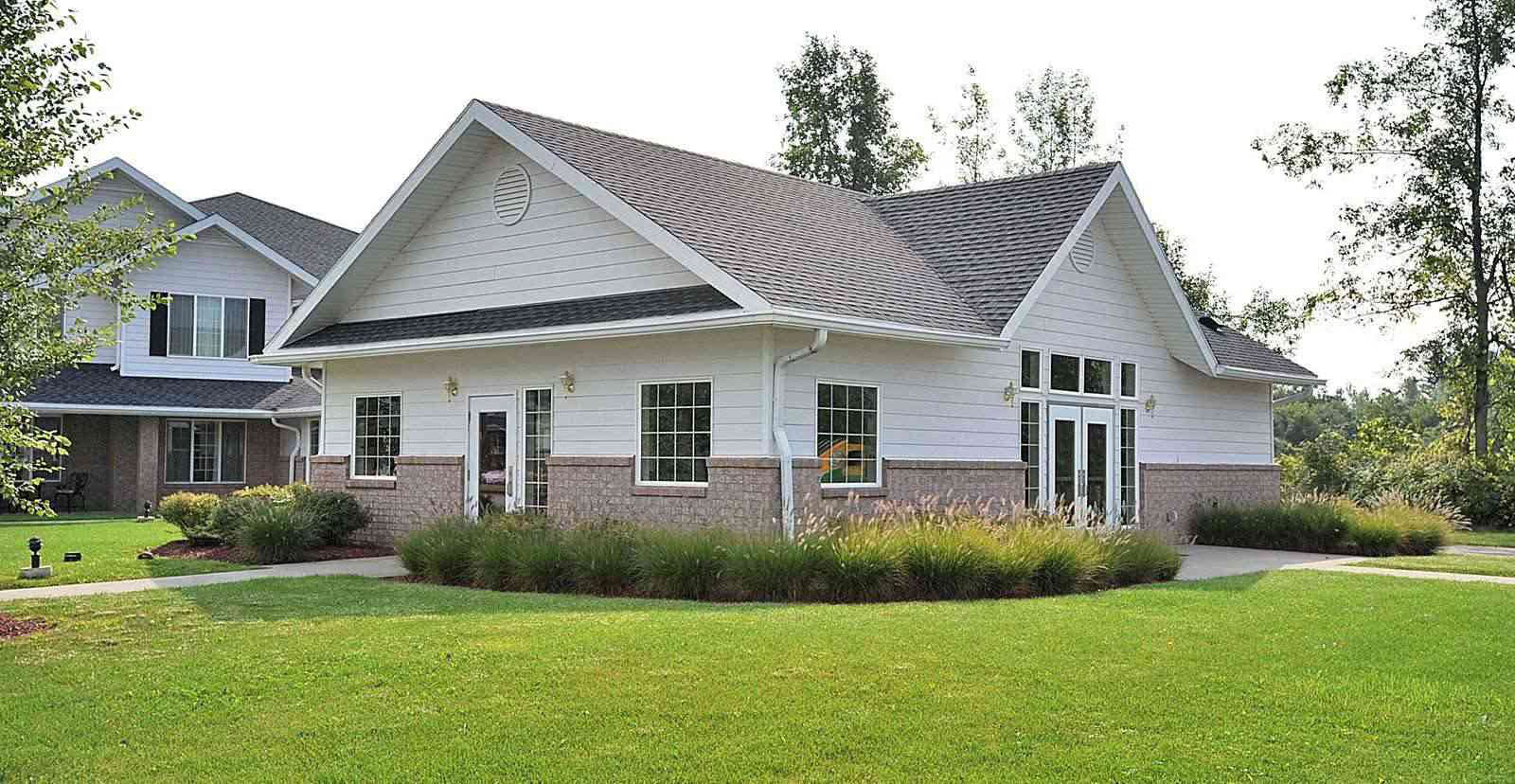
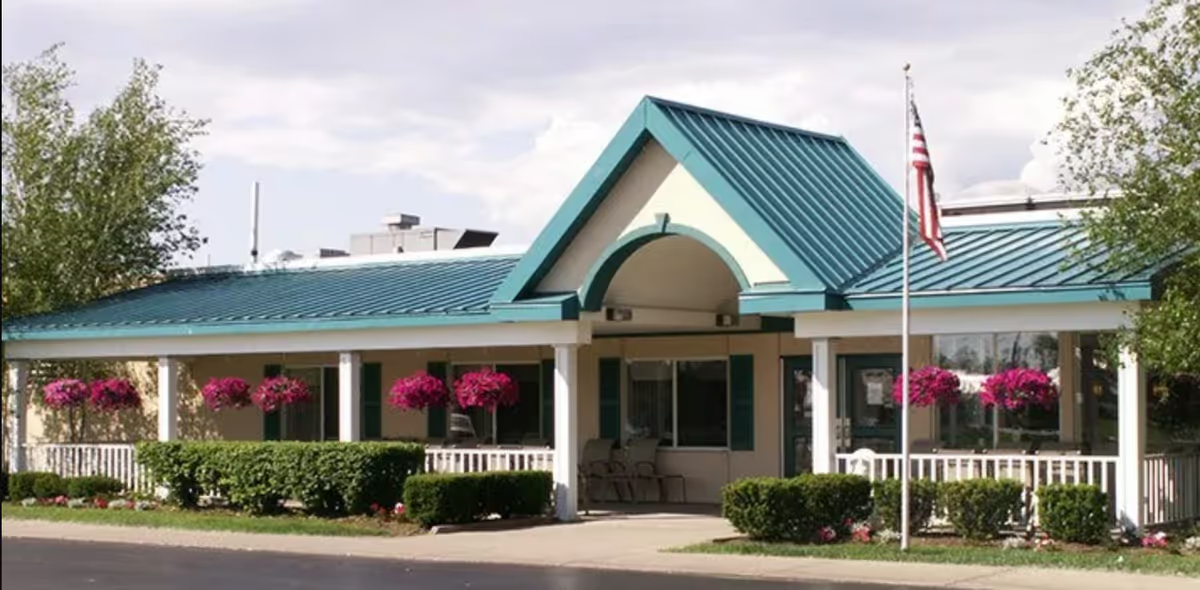
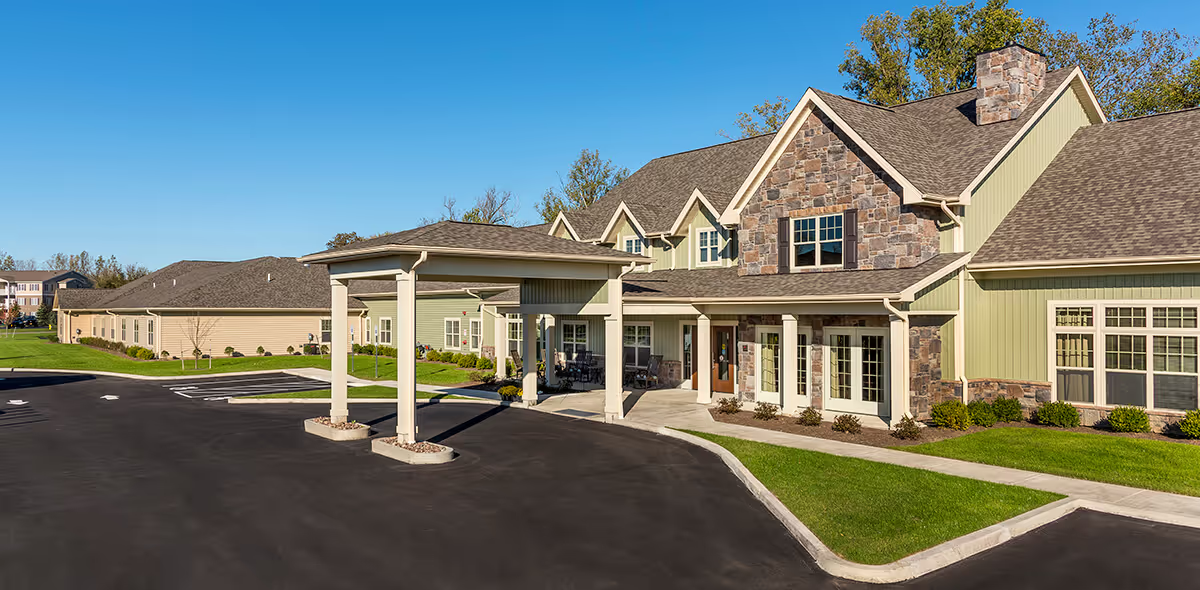
The reviews of Harris Hill Nursing Facility present a polarized picture: many families describe genuinely compassionate caregivers, effective therapy teams, and a pleasant physical environment, while others describe recurring operational shortcomings that affect day-to-day care. Strengths are concentrated in the facility's rehabilitation and therapy programs, social-work support, and in individual staff members and teams who are described as attentive and professional. Several families also emphasize well-kept outdoor spaces, comfortable private rooms, and engaging activities (music, bingo, cookouts) that support resident quality of life and successful short-term rehab outcomes.
Care quality appears inconsistent across shifts and units. Positive accounts highlight respectful nursing and CNA interactions and effective pain and therapy management during rehab stays. Counterbalancing these, a substantial pattern of concerns relates to staffing levels and responsiveness: long call-bell delays, difficulty locating aides (especially on weekends or nights), and delayed personal-care tasks (including bathing and toileting assistance). These operational gaps translate into episodic lapses in personal-care routines and dignity-preserving practices that families found concerning.
Dining and nutrition receive mixed assessments. Some guests commend the therapy-supported dietary options and special menus available for short-term rehab patients. Others report missed trays, late meals, incorrect dietary accommodations, and inconsistent meal-ticket fulfillment. Families considering long-term placement should verify how dietary restrictions and meal-delivery processes are handled for their member and whether the kitchen can reliably meet special-diet needs.
Facility cleanliness and housekeeping are likewise variable. Multiple accounts praise clean rooms and well-maintained common spaces, while other accounts describe sanitation concerns, inconsistent housekeeping (including laundry handling), and maintenance issues in certain areas. Prospective families should assess the specific unit level they are considering and inquire about routine environmental-cleaning schedules and laundry procedures.
Management, communication, and clinical operations show similar variability. Several reviewers praise front-desk staff, social work, and administrators who provided clear explanations and follow-up. In contrast, others describe difficulty obtaining medical records, delayed or unclear communication about clinical status and transfers, and uneven supervisory follow-up on complaints. Clinical process concerns include inconsistent medication timing, isolated infection-control lapses, and limitations of in-room communication infrastructure (inaudible direct lines, lack of complimentary TV/phone access). These are operational traits that can affect continuity of care and family engagement.
Notable patterns to weigh: the facility demonstrates clear strengths in rehabilitation services and in individual staff members who go above and beyond, making it a strong option for short-term rehab. For long-term care, the primary risks are operational—variable staffing, inconsistent responsiveness to needs, and inconsistent housekeeping and dietary reliability. Families who choose Harris Hill for longer stays would be advised to establish clear communication channels with nursing leadership, confirm procedures for special diets, laundry and personal items, and monitor care during evenings and weekends when several reviewers found service levels lower.
In summary, Harris Hill offers meaningful clinical and social strengths, particularly in therapy and in pockets of excellent caregiving, but prospective residents and their families should probe operational controls and variability in staffing and services. Direct observation of the unit, explicit questions about staffing ratios and backup coverage, and clear expectations documented in the care plan can help mitigate the variability described in these accounts.