The reviewer set presents a mixed picture in which Creekside Terrace’s strengths are concentrated in rehabilitation, environment, and many individual staff interactions, while operational weaknesses are clustered around consistent frontline caregiving, communication, and certain safety and logistics processes.
Care quality: Rehabilitation and therapy are the most consistently praised elements. Physical and occupational therapists are described as skilled, encouraging, and outcome‑focused; several families reported substantial functional gains during stays. Outside of therapy, experiences are more variable. Many accounts describe attentive nursing and aides, but a substantial number of families reported delays in routine care tasks, inconsistent personal‑care scheduling (including bathing and continence support), and long waits for assistance. There are also isolated but serious clinical concerns in the reviews — for example, delayed escalation of medical issues or questions about how medications were handled or altered — which point to gaps in clinical assessment and medication‑management workflows.
Staff and culture: Staff demeanor is frequently called out as warm, personable, and compassionate; admissions, front‑desk, and some nursing staff receive repeated praise. At the same time, numerous comments indicate the workforce is stretched: understaffing and short staffing are linked to longer response times, variability between daytime and night/weekend coverage, and inconsistent adherence to commitments. Reviewer accounts suggest a pattern of “hit‑or‑miss” staff performance — some teams and shifts are highly effective and communicative, while others demonstrate poor follow‑through or less professional conduct.
Dining and nutrition: Dining impressions are mixed. Several families described well‑balanced, attractive meals and pleasant dining rooms, while other accounts cite cold trays, smaller portions later in a stay, limited menu variety, and failures to follow specific diet accommodations. Weekend service and meal‑timing issues were mentioned more than once. Overall, food quality appears inconsistent rather than uniformly poor or uniformly excellent.
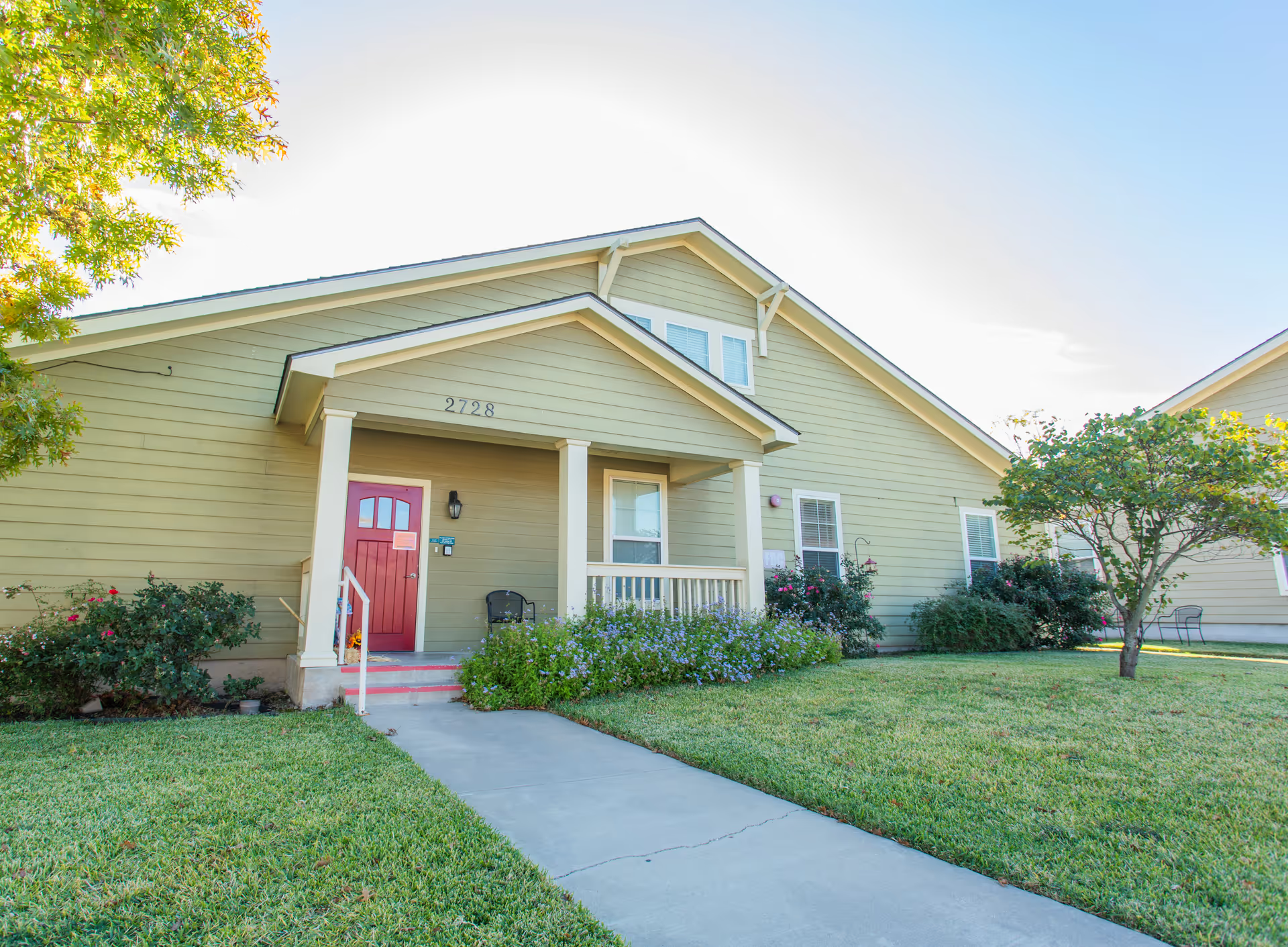
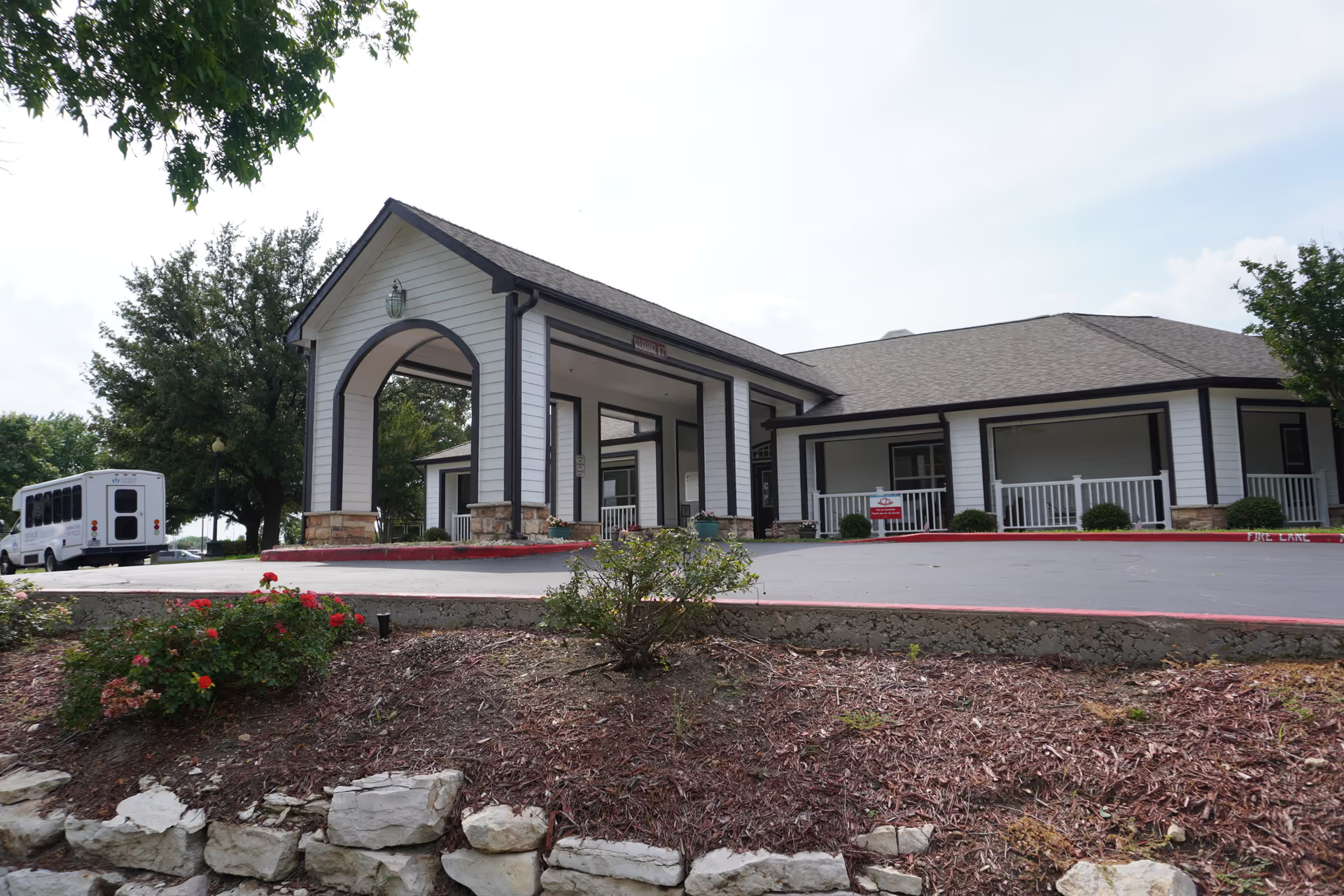
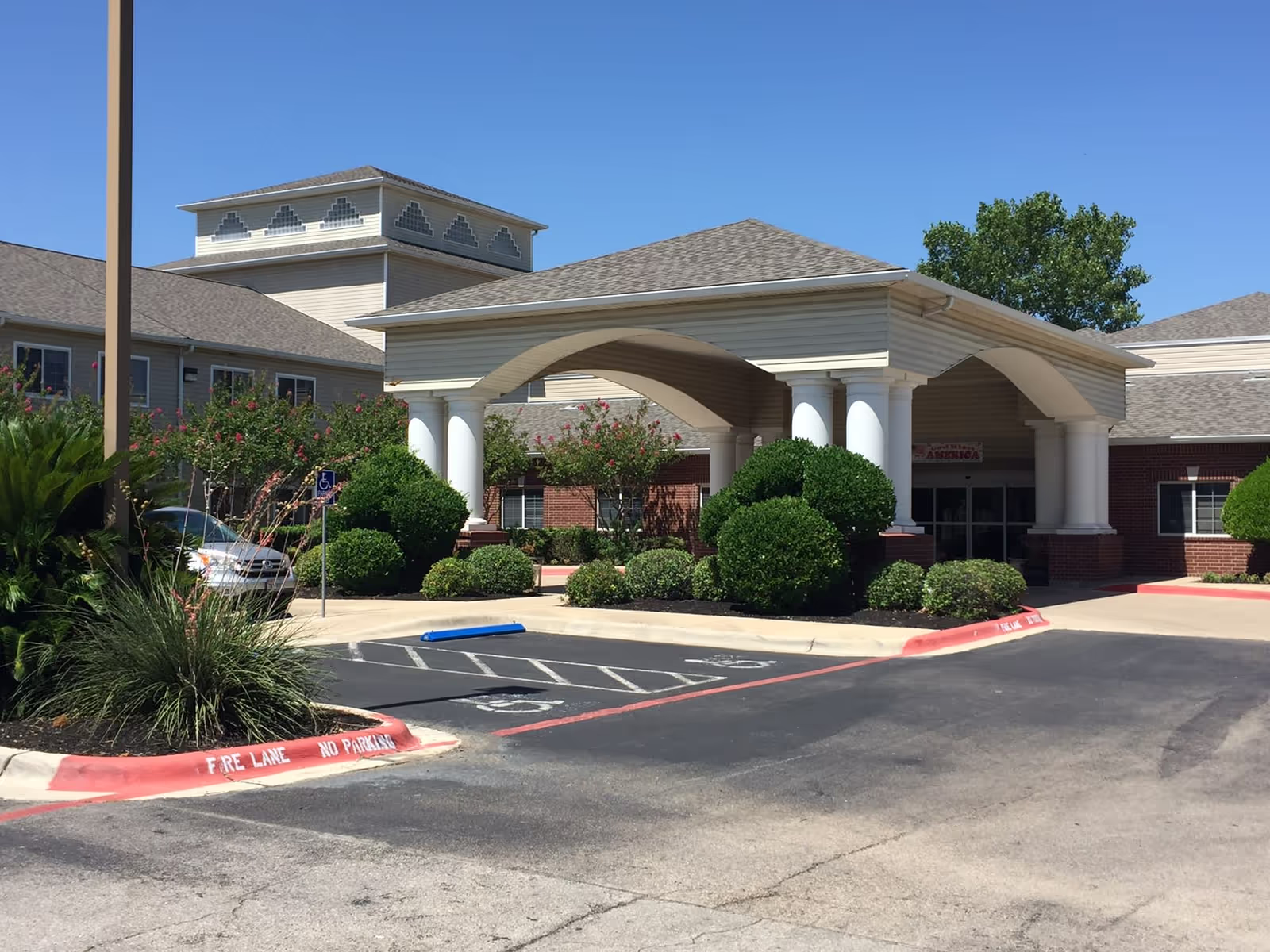
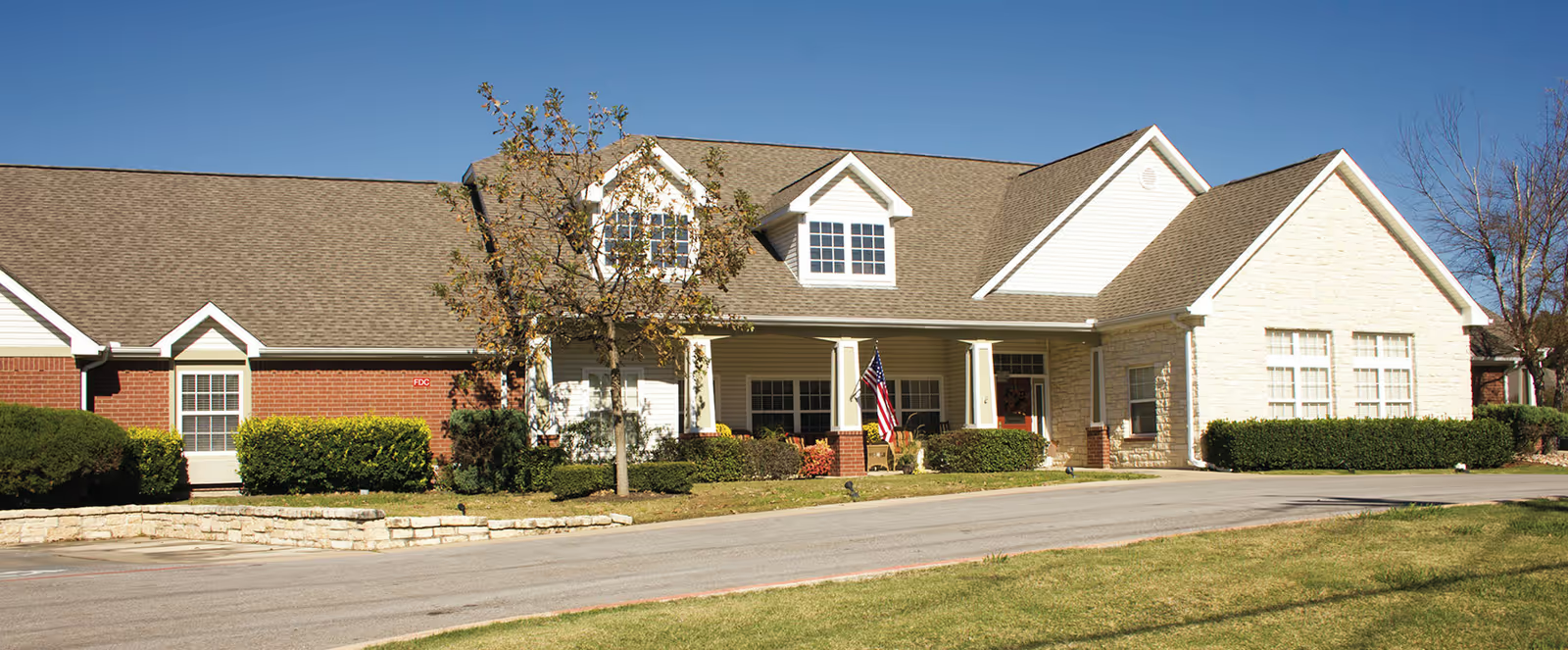
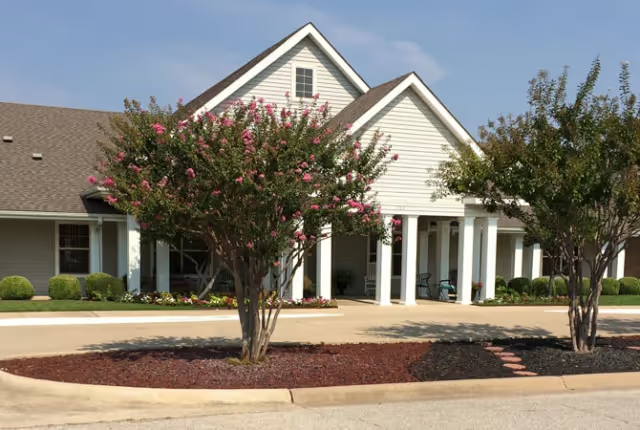
Activities and amenities: Creekside’s physical plant and activity offerings are real strengths. The facility is frequently described as modern, attractive, and resort‑like, with a large rehab gym, pleasant courtyard, and engaging programming (bingo, events, social activities). On‑site services such as a beautician and private family spaces were noted positively and contribute to a welcoming atmosphere for many residents and families.
Facilities, equipment, and safety: The building and housekeeping are often praised for cleanliness and upkeep, producing a hotel‑like feel for many visitors. However, reviewers also noted equipment or supply constraints (older wheelchairs, limited lifts per hallway) and occasional maintenance shortfalls (AC/mold and other maintenance concerns in some units). Security and access‑control weaknesses were flagged in a few accounts.
Management and communication: Family communication and management responsiveness receive mixed marks. Several families described proactive administrators and clear outreach from social work and nursing leadership; others described difficulty getting timely updates, inconsistent discharge planning information, and limited follow‑through when concerns were raised. Patterns in the reviews suggest variability by shift and by which staff member is on duty: some families experienced excellent coordination and frequent updates, while others had to repeatedly request information or escalate issues to get resolution.
Notable patterns and guidance for prospective families: If rehabilitation goals are the primary reason for placement, Creekside Terrace appears to be a strong candidate — therapy services are a recurrent strength. Prospective residents and families should, however, clarify expectations about nursing‑and‑aide coverage (including night/weekend staffing), medication‑administration practices, diet accommodations, and equipment availability before admission. Regular communication agreements (frequency and preferred contact person), verification of specific dietary and personal‑care plans, and confirmation of security/access procedures may help set expectations and reduce the risk of the operational inconsistencies reflected in these reviews.
In summary, Creekside Terrace combines a high‑quality therapy program and an attractive, well‑kept environment with uneven frontline caregiving and operational reliability. Families placing a high priority on intensive rehabilitation and a pleasant physical setting may find the facility well suited; those prioritizing consistently prompt nursing‑level care and tightly managed clinical processes should probe staffing patterns, night/weekend coverage, medication management, and family‑communication protocols during the decision process.