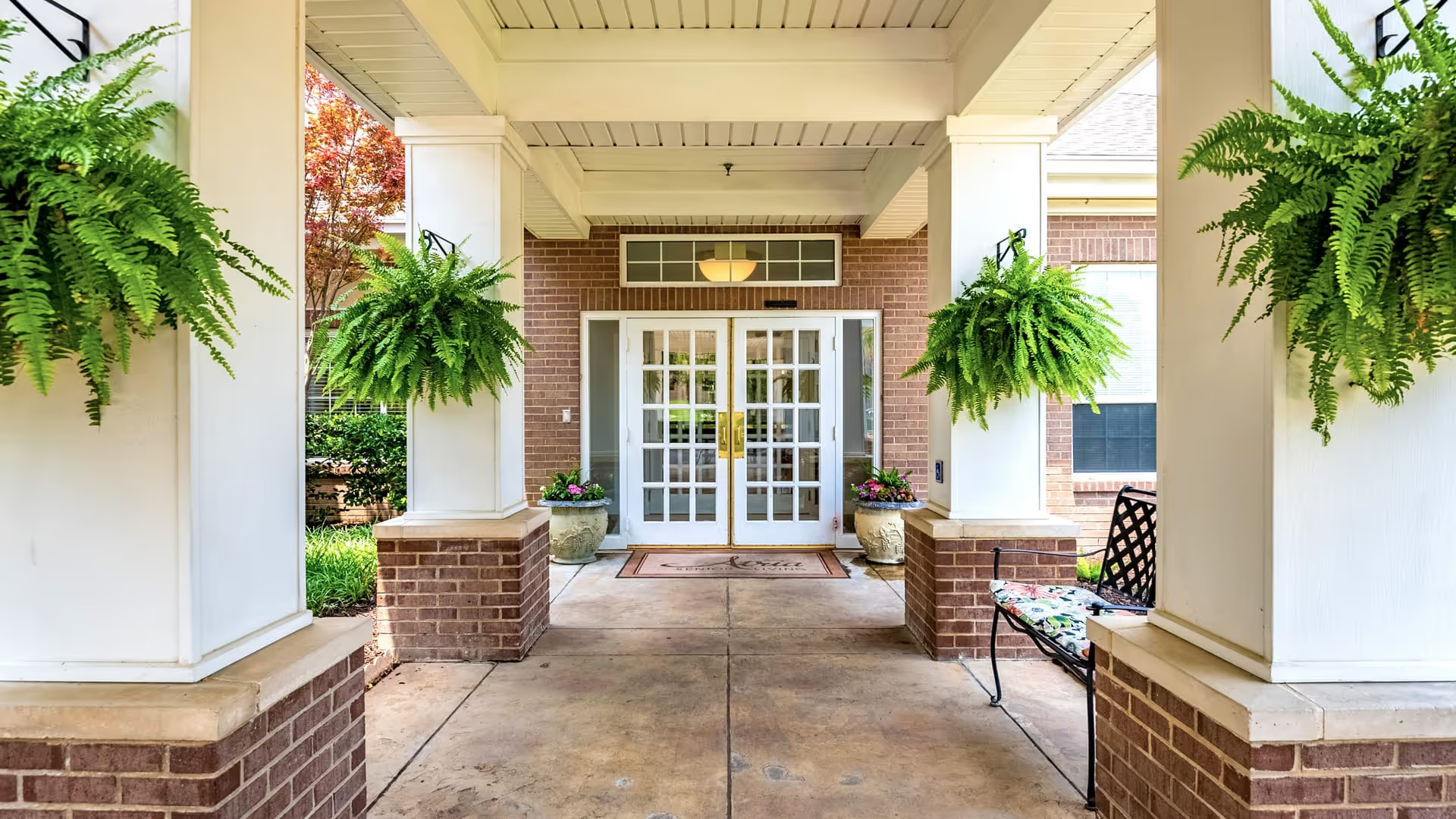
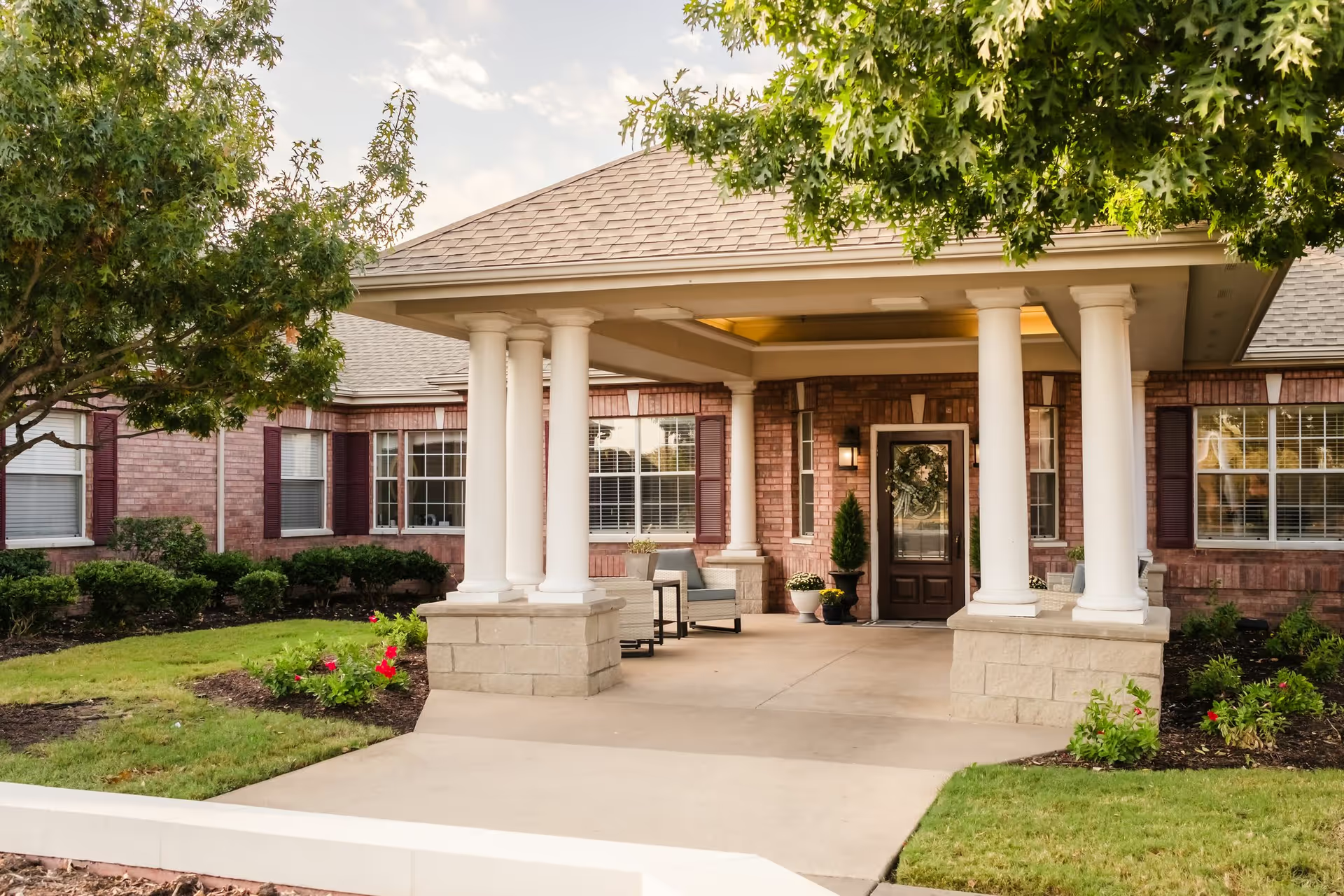
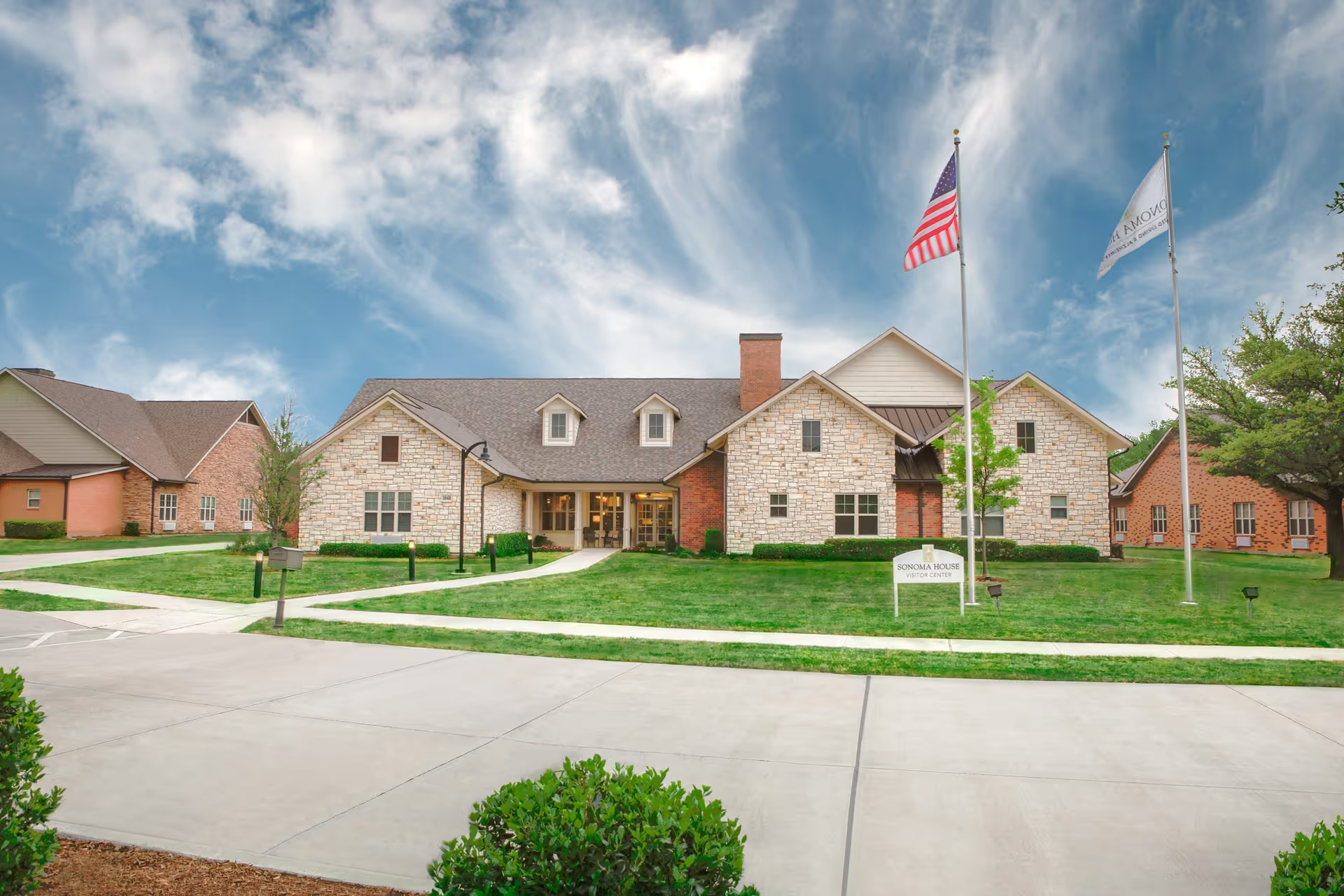
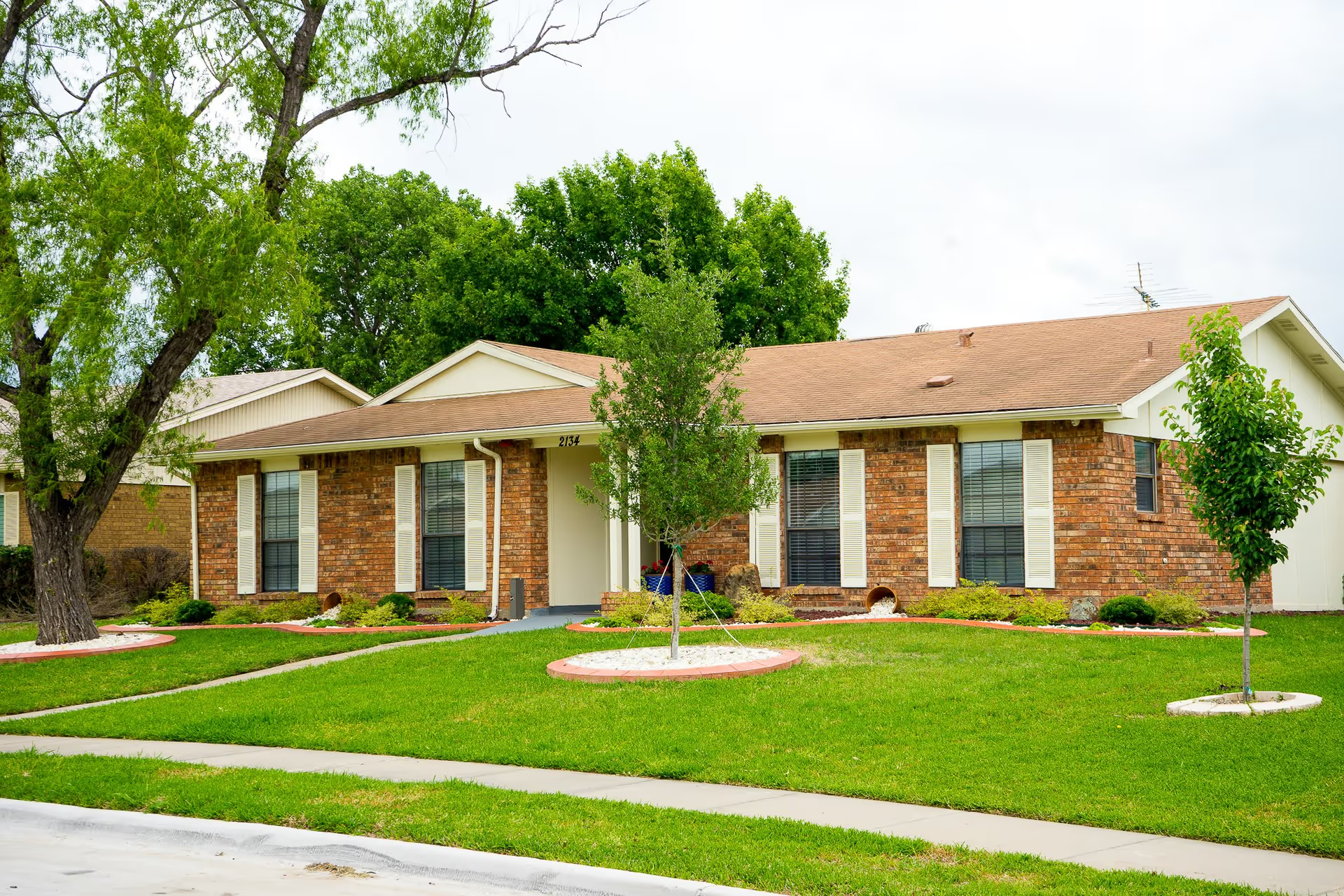
Reviews of this nursing and rehabilitation center present a mixed but consistent pattern of strengths in therapy and social programming alongside operational weaknesses that affect long‑term care experience. On the positive side, the facility offers a robust activities schedule (games, gardening, movie days, and on‑site religious services) and a well‑regarded rehabilitation program with physical and occupational therapy that several families credit with measurable functional improvement. Many accounts describe caring, attentive CNAs and specific nurses who provide good bedside care, plus an on‑site dietary team that prepares generally well‑liked meals. Room options include private and semi‑private layouts with ample furnishings and large TVs, and numerous families noted a clean, comfortable interior where upkeep is visible when staffing and leadership are stable.
At the same time, there are recurrent operational issues that prospective residents and families should consider. Cleanliness and odor control are described inconsistently across the building — while some areas and rooms are kept well, common-area sanitation and ventilation maintenance have been cited as problem areas. Staff responsiveness and tone appear variable: several reports describe prompt, compassionate care, whereas others describe delayed assistance with toileting, feeding, showering, and wound care. These delays have contributed to skin- and wound-related concerns and to at least one report of a catheter-related issue with delayed family notification. Reviewers also describe high staff turnover and periods of understaffing, which correlate with longer wait times and inconsistent long‑term care relative to the stronger rehabilitation services.
Administrative and logistics problems are another recurring theme. Admissions and bed-assignment processes are sometimes described as disorganized, with schedule uncertainty and unit placement issues. Families have raised concerns about missing belongings and the facility’s handling of personal property. Communication gaps between staff and families — including unclear updates about residents’ needs, changes in condition, and responses to incidents — have amplified dissatisfaction in several accounts. Infrastructure limitations typical of an older building (heating/vent concerns, dusty or mold-affected vents, and prolonged Wi‑Fi outages) further affect resident comfort and operational continuity.
There are indications of improvement under recent leadership change: some reviewers note more visible, hands‑on administration, renewed focus on resident lifestyle, and improved cleanliness and staff morale. However, the aggregate picture remains mixed: strength in therapy, activities, and certain caregiving staff, coupled with facility-level weaknesses in staffing stability, sanitation consistency, communication, asset management, and environmental maintenance. Prospective residents and families would be advised to tour the unit(s) they would occupy, ask about staffing ratios for long‑term care versus rehab, review protocols for wound and catheter care and family notification, inquire about property‑safeguarding practices, and confirm recent improvements made by current leadership before making placement decisions.