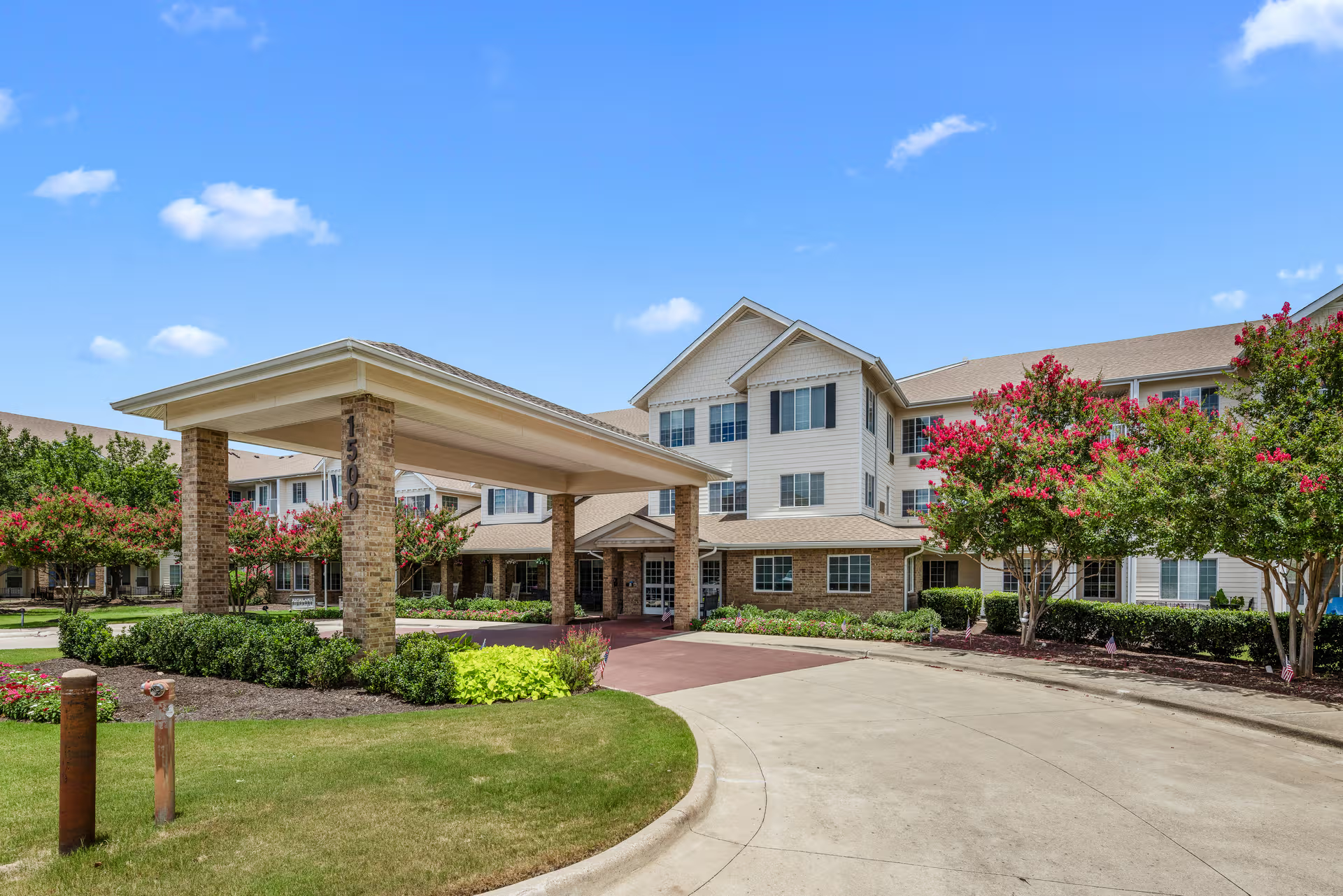
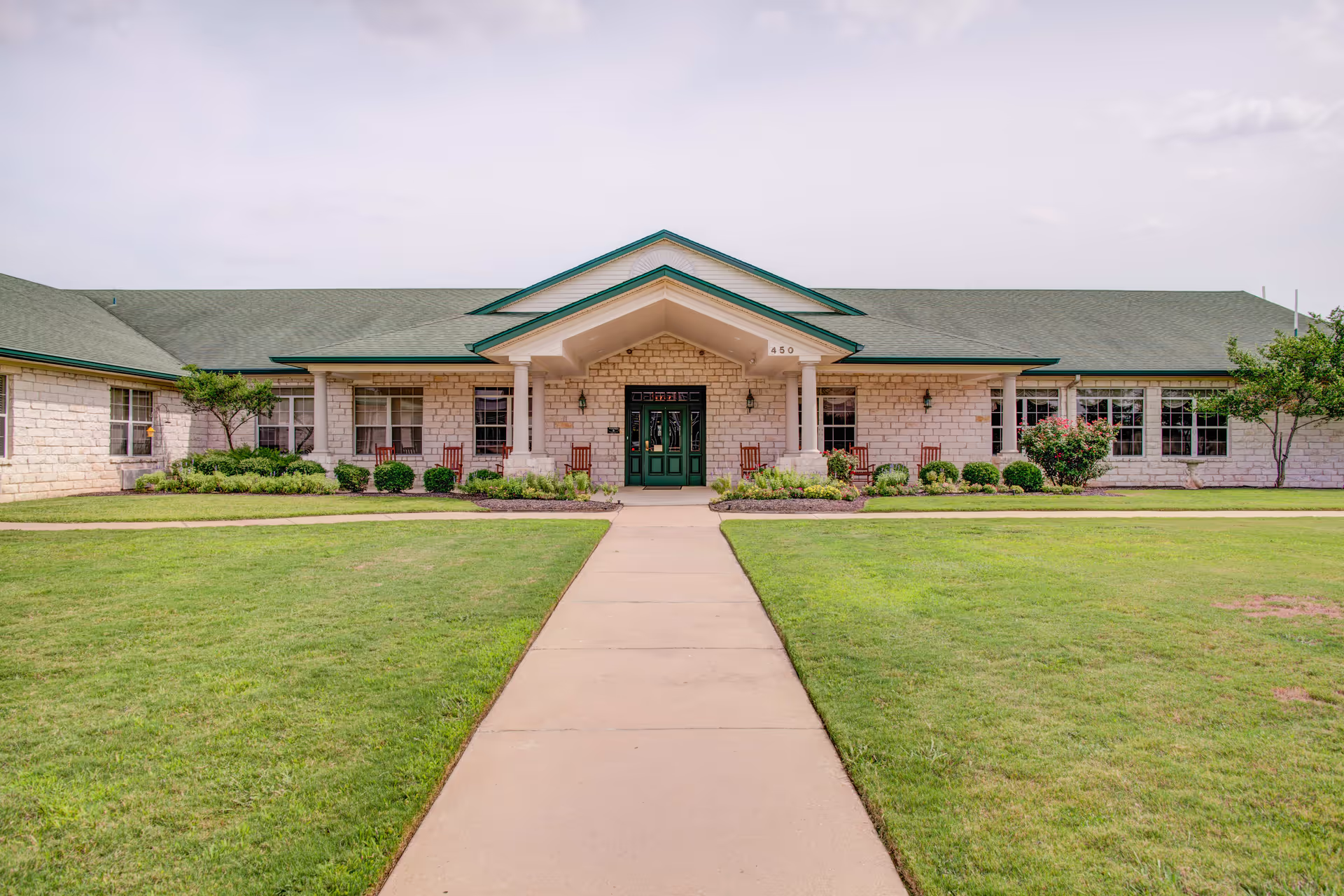
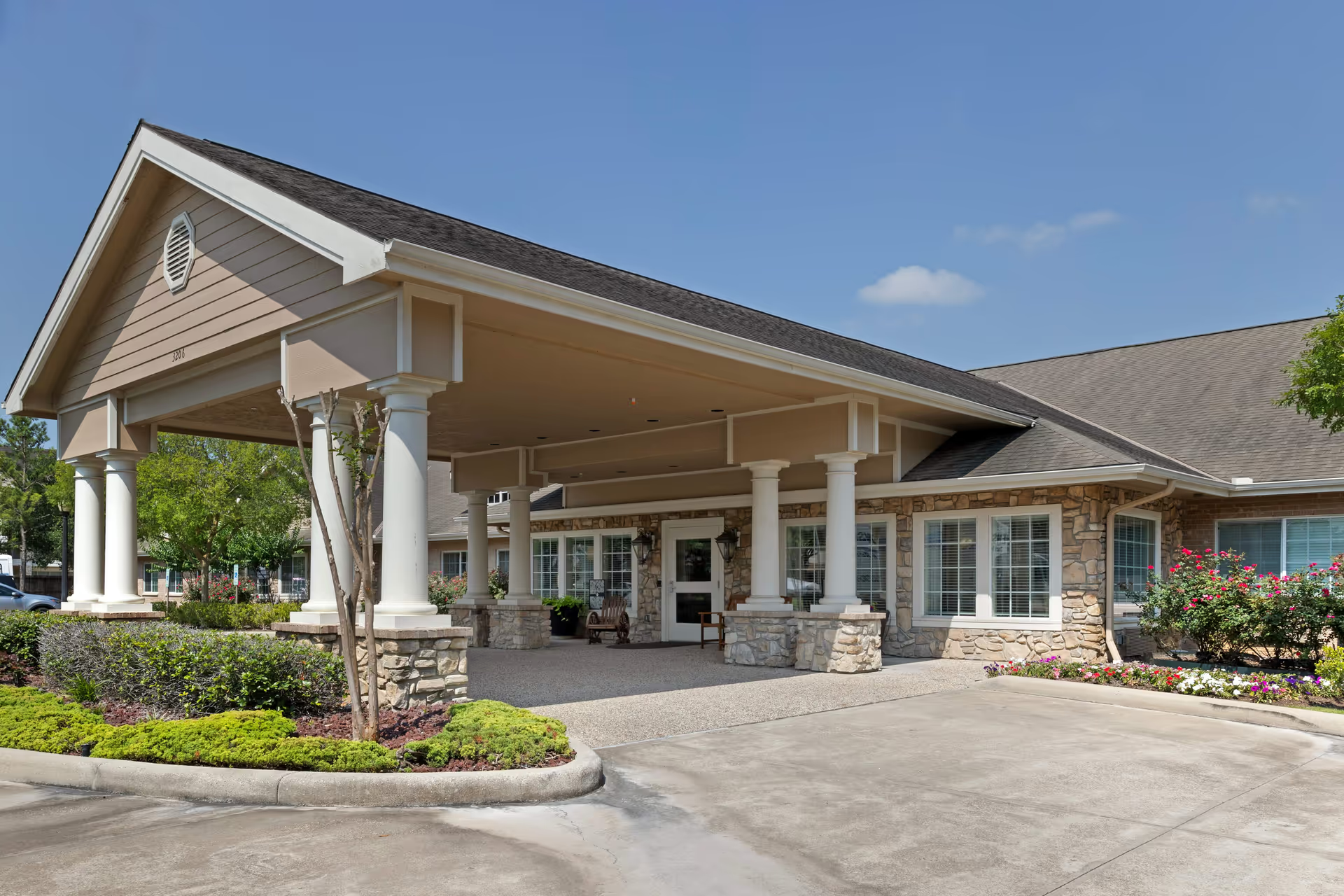
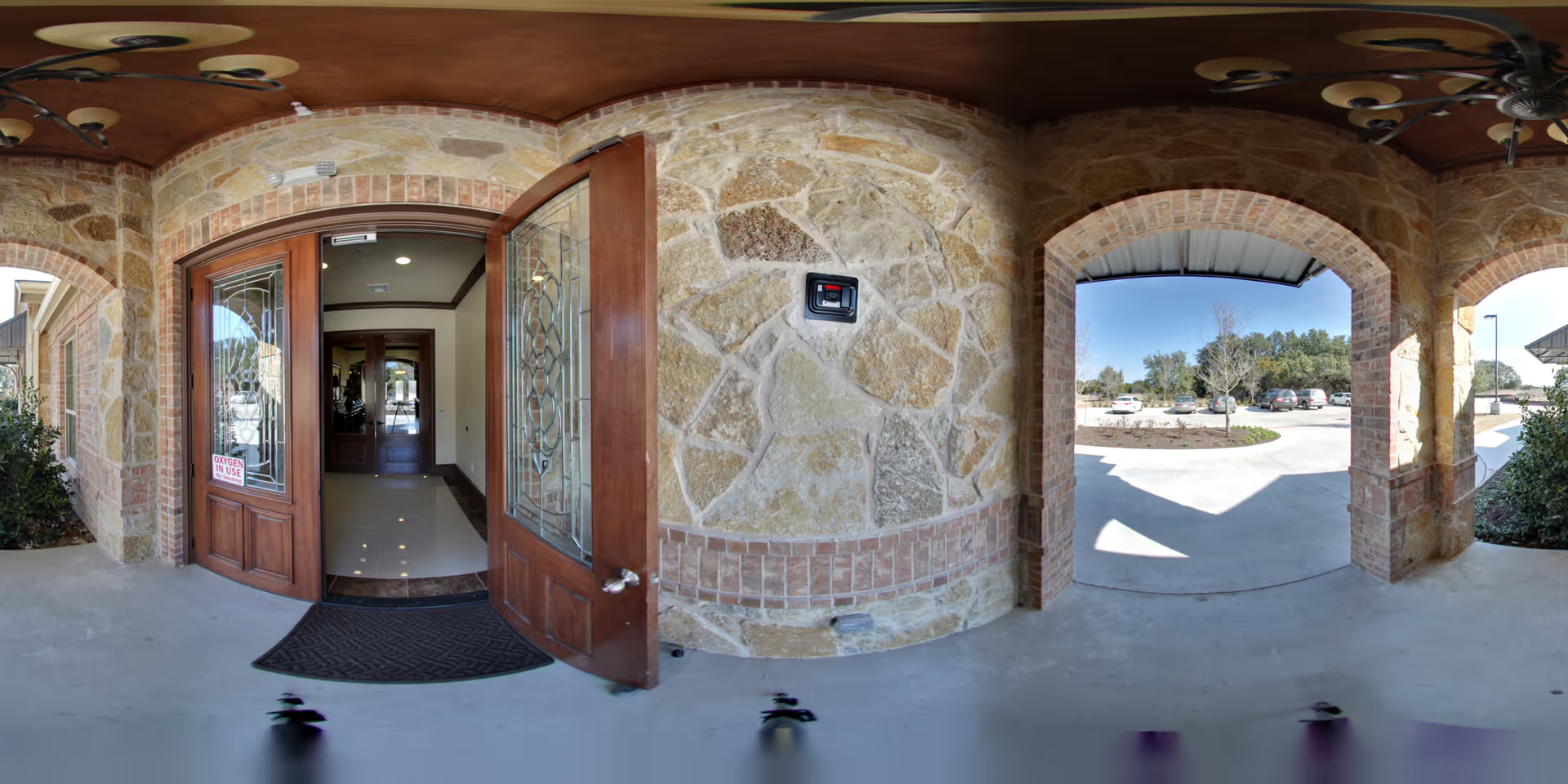
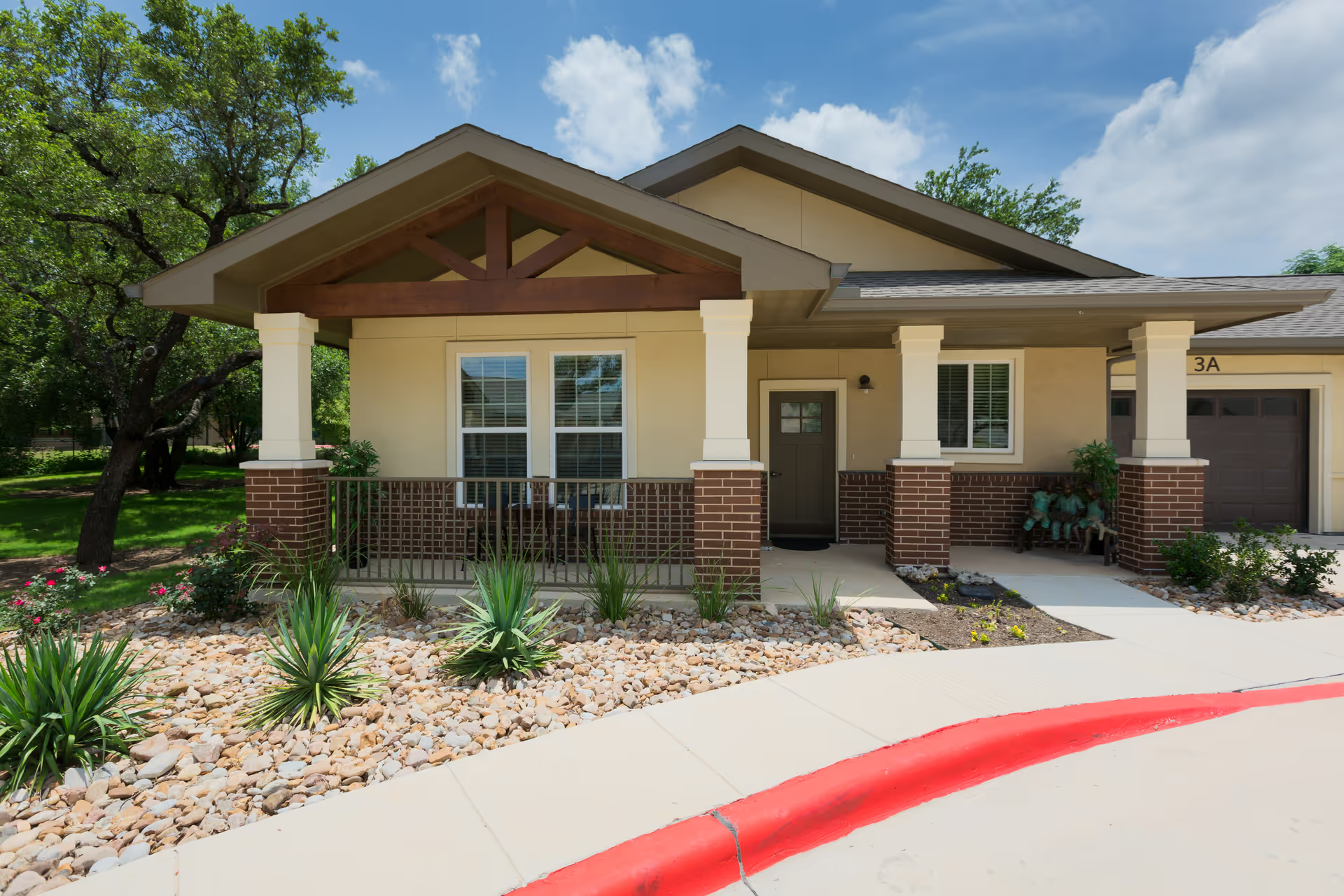
Reviewer impressions of New Hope Manor are sharply divided but point to several consistent themes. Many families and residents praise the staff and clinical teams: caregivers, nurses, and therapy personnel are frequently described as compassionate, attentive, and proactive. Several accounts highlight successful rehabilitation stays, coordinated transitions of care (including hospice-to-routine transitions when applicable), and hands-on assistance from admissions and administrative coordinators. The facility is also noted for an engaging activities program — bingo, spa events, therapy-animal visits, volunteer involvement, and memory-care programming — which contributes to a positive, social atmosphere for many residents.
Dining and hospitality receive generally favorable remarks. Multiple reviewers describe meals as palatable and the onsite salon and spa as valued amenities. The front-desk and admissions experience is often described as friendly and efficient, with timely appointment access and help navigating paperwork. Infection-control measures and pandemic-era organization were specifically commended in some accounts, indicating capable leadership in that domain.
At the same time, a number of operational concerns recur across reviews and merit attention. Cleanliness and odor consistency vary between accounts, suggesting uneven sanitation standards across the building. Safety-related issues appear in several reports: falls, injuries, and tight circulation areas for wheelchairs or walkers point to gaps in transfer-safety and fall-prevention practices tied in part to the facility’s older physical plant. Therapy and rehabilitation quality are described as variable — strong in many cases but inadequate in others — indicating inconsistent outcomes depending on timing or staffing. Communication and conduct issues are also noted: families report uneven responsiveness, problems with follow-up after incidents, and instances where visitation or end-of-life access felt restricted.
Management and accountability present a mixed picture. Leadership, admissions, and some executive staff are commended for professionalism and organization, and some reviewers credit the administration with prompt issue resolution. However, other comments point to weak incident follow-up, concerns about property handling, and at least one allegation of financial or property mismanagement that would warrant clarification during any visit or intake process. The building’s age and space constraints are an operational reality that affect mobility, sightlines, and activity-room availability for some residents.
For prospective residents and families, the overall pattern suggests that New Hope Manor can offer a warm, well-staffed environment with robust activities and useful amenities, but experiences vary. An in-person tour should include targeted questions about sanitation protocols, fall-prevention measures, therapy staffing and outcomes, incident reporting and accountability procedures, visitation policies for critical events, and safeguards for resident property. Those areas will help determine whether the facility’s strengths align with a particular resident’s clinical and social needs.