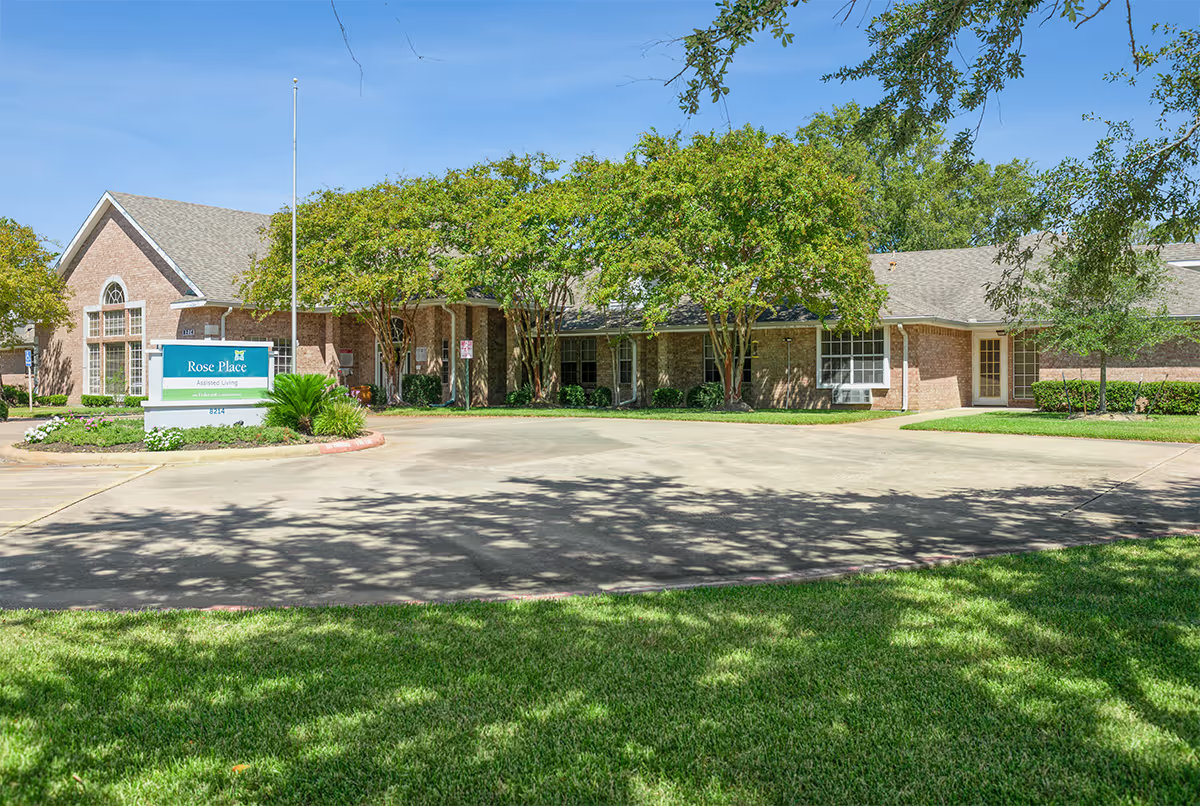
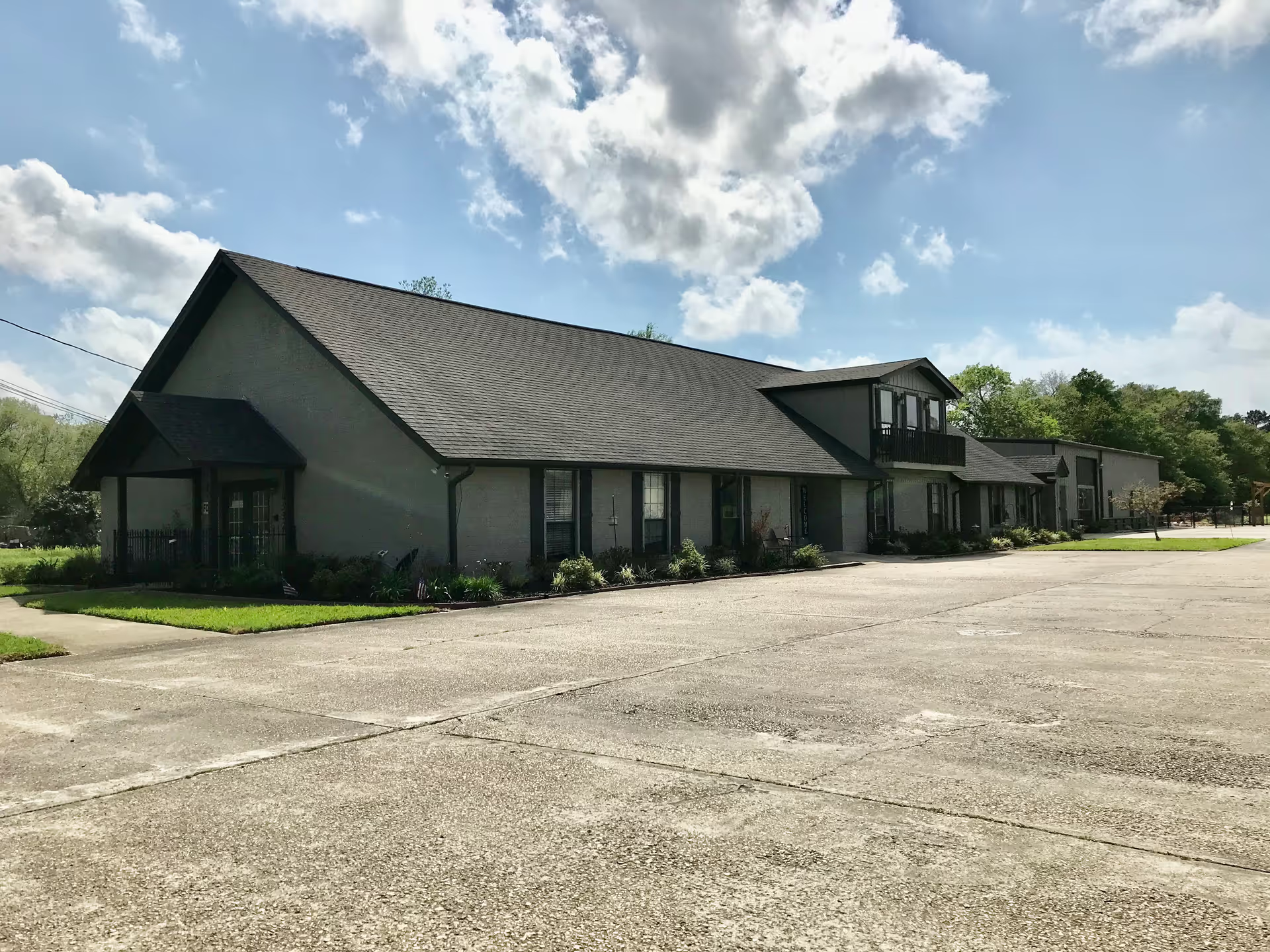
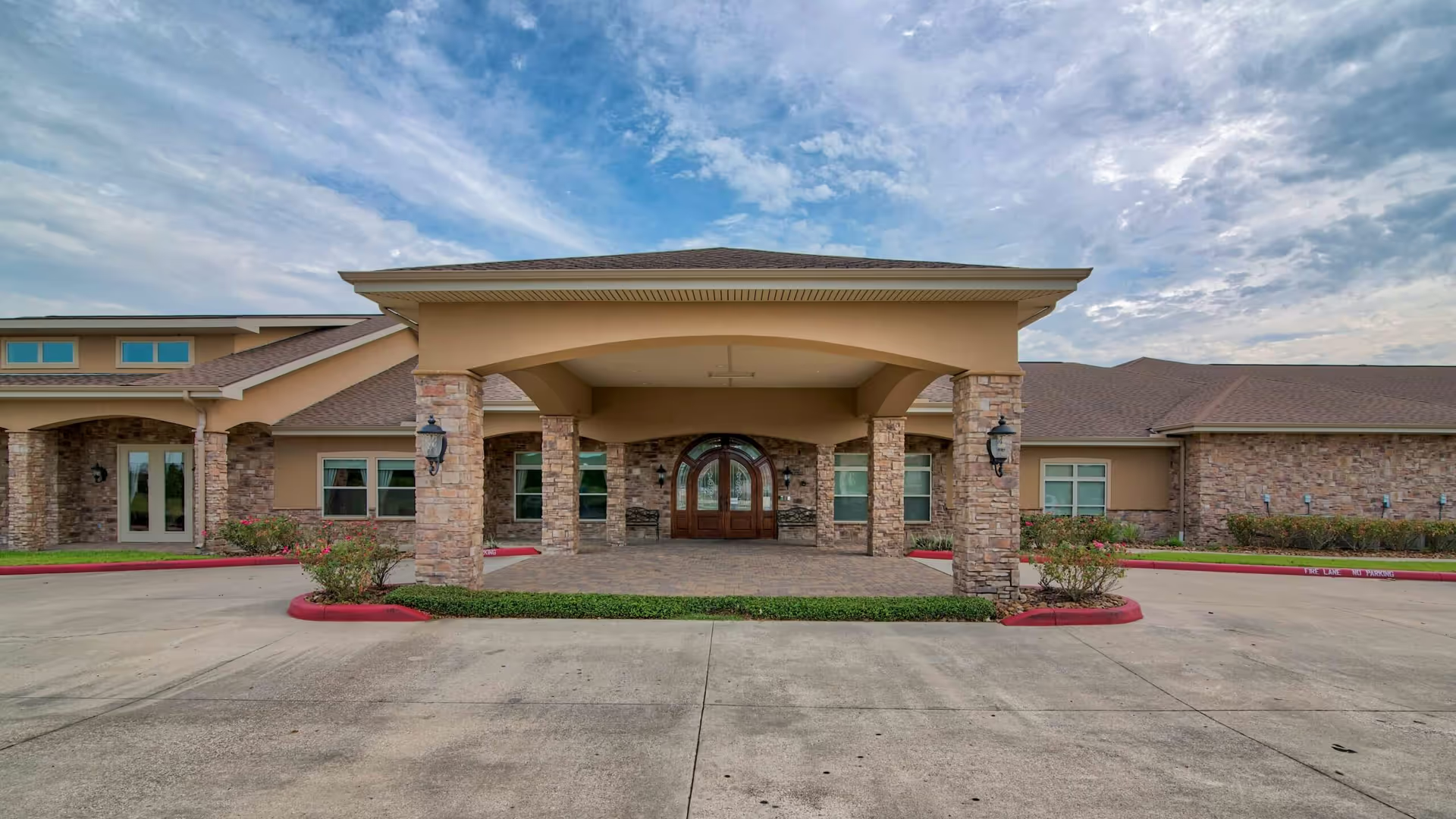
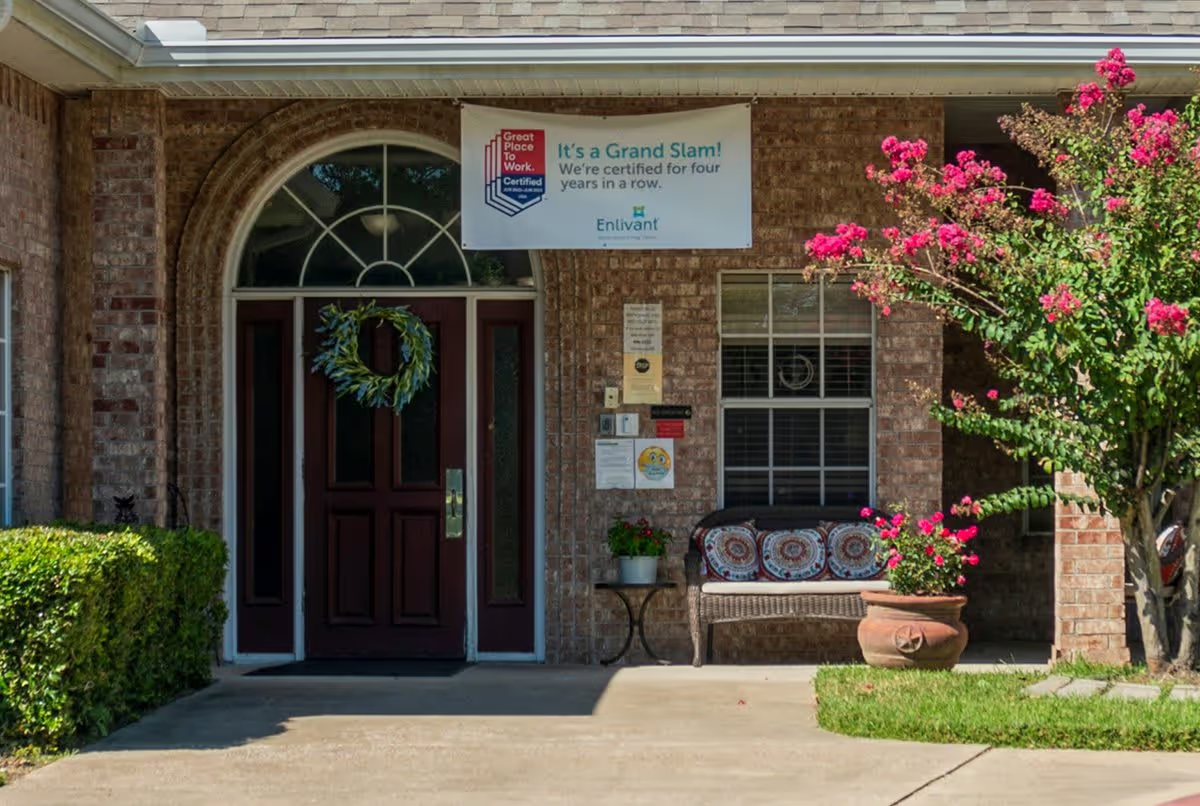
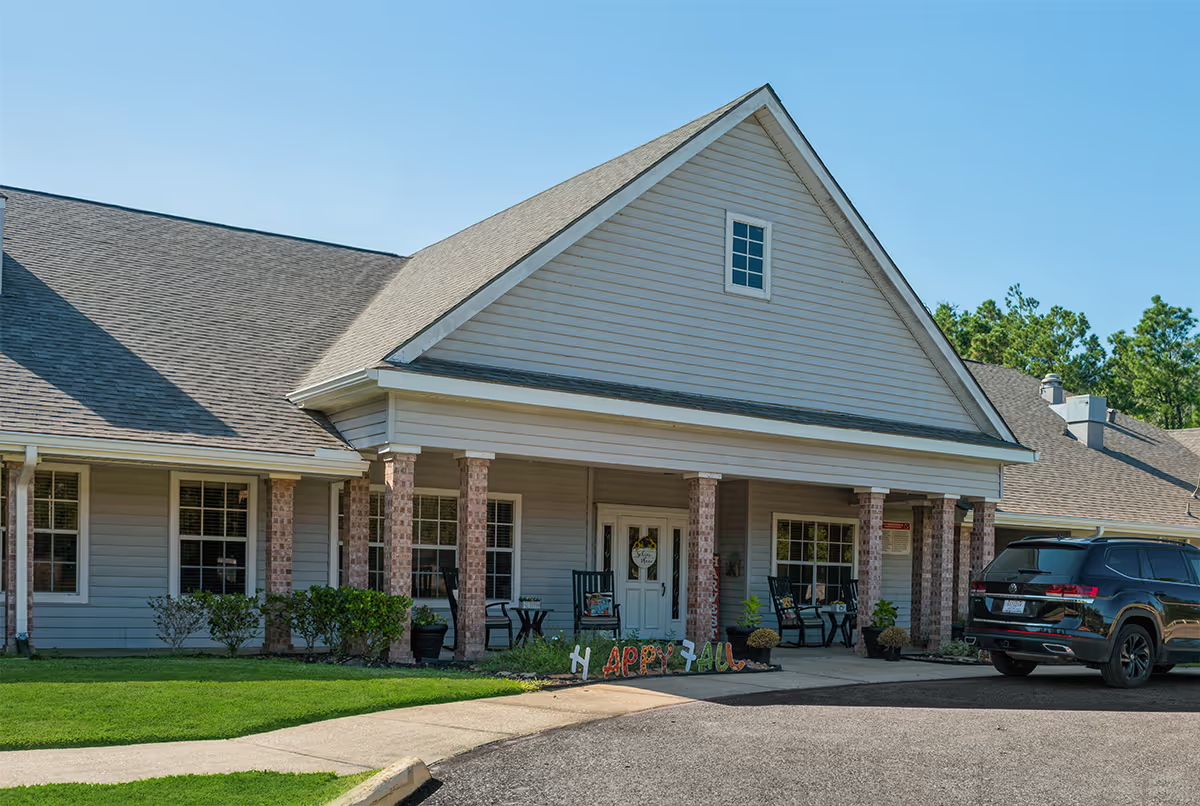
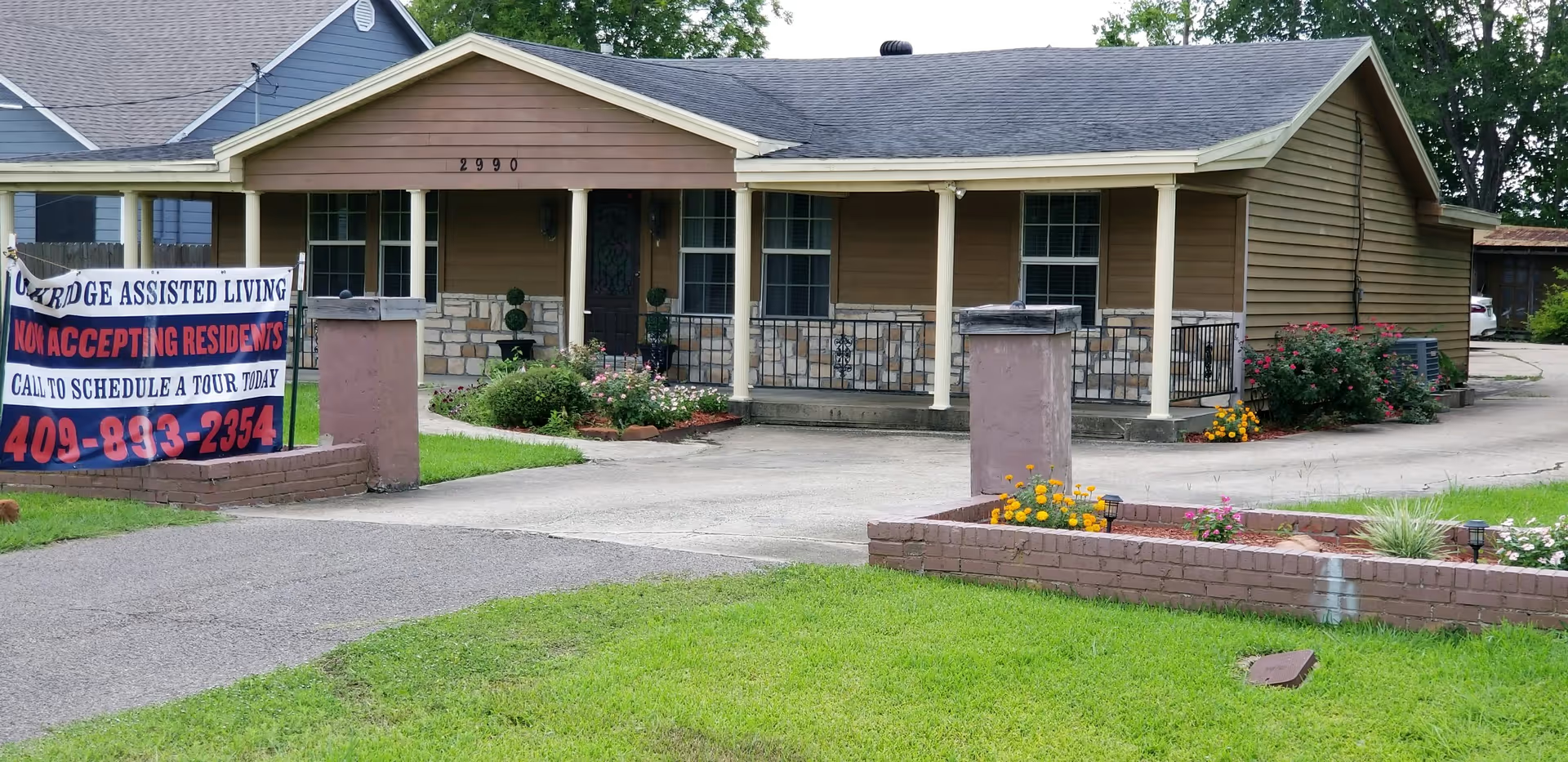
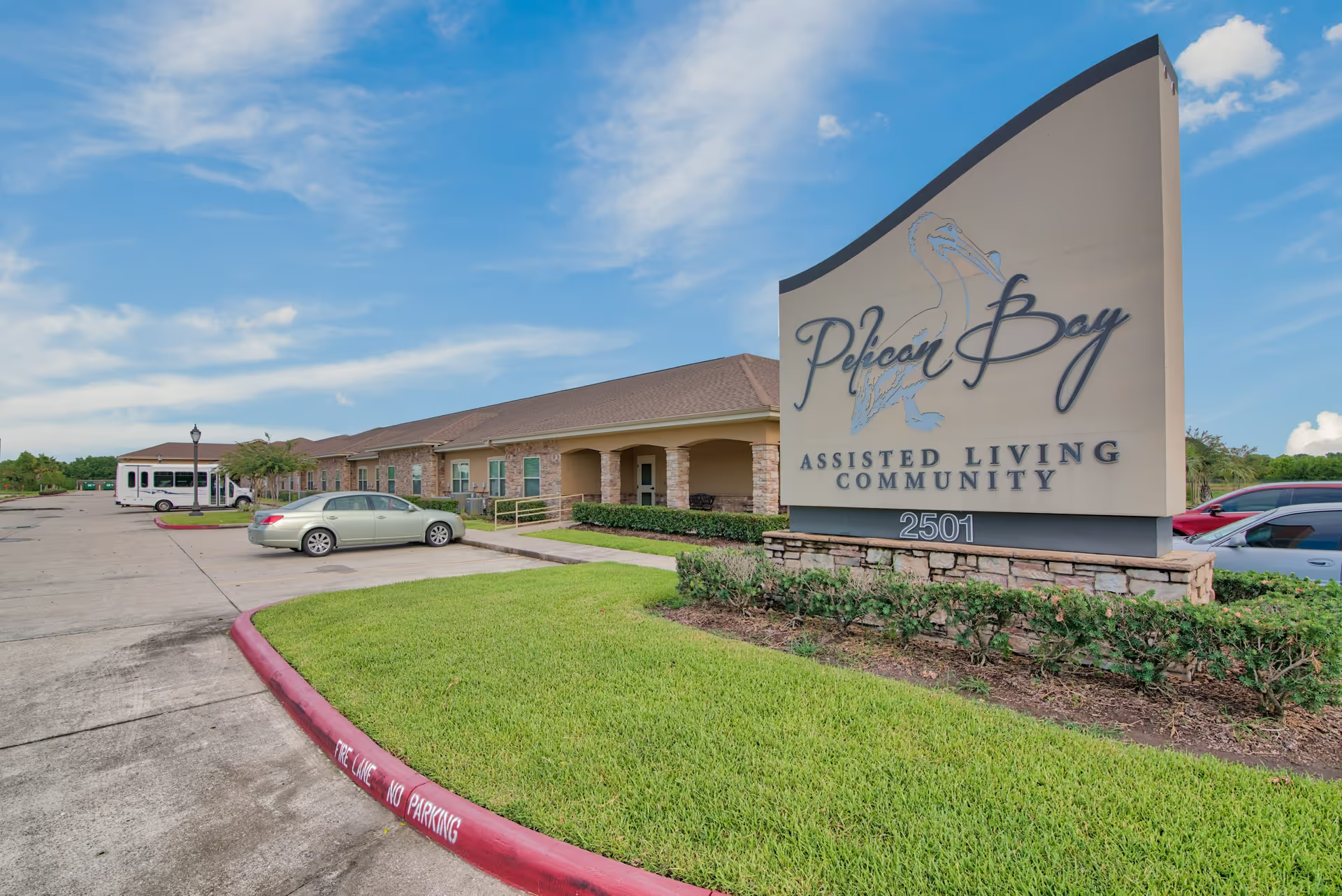
Magnolia Manor elicits strongly mixed impressions. Many families and residents praise the property itself — noting a well-maintained, attractive building with bright rooms, a courtyard, and a newly developed memory-care unit — and emphasize positive experiences with rehabilitation services, activities programming and seasonal events. Numerous comments describe compassionate, friendly staff, effective family communication, and instances in which concerns were addressed promptly. These strengths suggest the facility can provide a supportive environment for both short-term rehab and longer-term or respite care.
Concurrently, several reviews describe significant clinical and operational weaknesses that merit careful consideration. Concerns include inconsistent sanitation and cleaning practices, localized odor issues, and lapses in incontinence-care processes. More serious clinical issues were cited as well: missed medications, problems with IV management, delays in escalation or transfer to higher-level care, and weaknesses in wound-prevention and repositioning routines. These items point to potential gaps in medication administration, clinical oversight, and timely response to changing resident conditions.
Staff behavior and professionalism appear variable. Many reviewers commend caring nurses, attentive aides, and team-oriented leadership — with individual staff members and the ADON receiving specific praise. At the same time, other comments raise concerns about professionalism, communication tone, and inconsistent conduct among some staff. This variability extends to management responsiveness: some families describe clear, compassionate communication and swift resolution of issues, while others describe difficulties getting concerns addressed and delays that affected resident outcomes.
Dining and dietary management were described inconsistently. Several accounts note underwhelming or unrecognizable meals and instances where dietary instructions were not followed, whereas other families found meals acceptable but suggested room for improvement. Activities programming and the memory-care unit were repeatedly identified as positives, with an active calendar and holiday events noted as strengths.
Taken together, the pattern is one of a facility with strong physical attributes, meaningful programming, and many dedicated staff members, but also with recurrent operational gaps that affect clinical reliability for some residents. Prospective residents and families should weigh the facility’s aesthetic and programmatic strengths against concerns about medication management, incontinence and wound-prevention processes, cleaning consistency, and escalation protocols. When evaluating Magnolia Manor, consider asking for current policies and metrics on medication administration, staffing levels, wound-prevention and turning schedules, cleaning routines, and recent incident escalation outcomes; arrange a walk-through focused on cleanliness and observe staff–resident interactions and medication/IV procedures where possible.