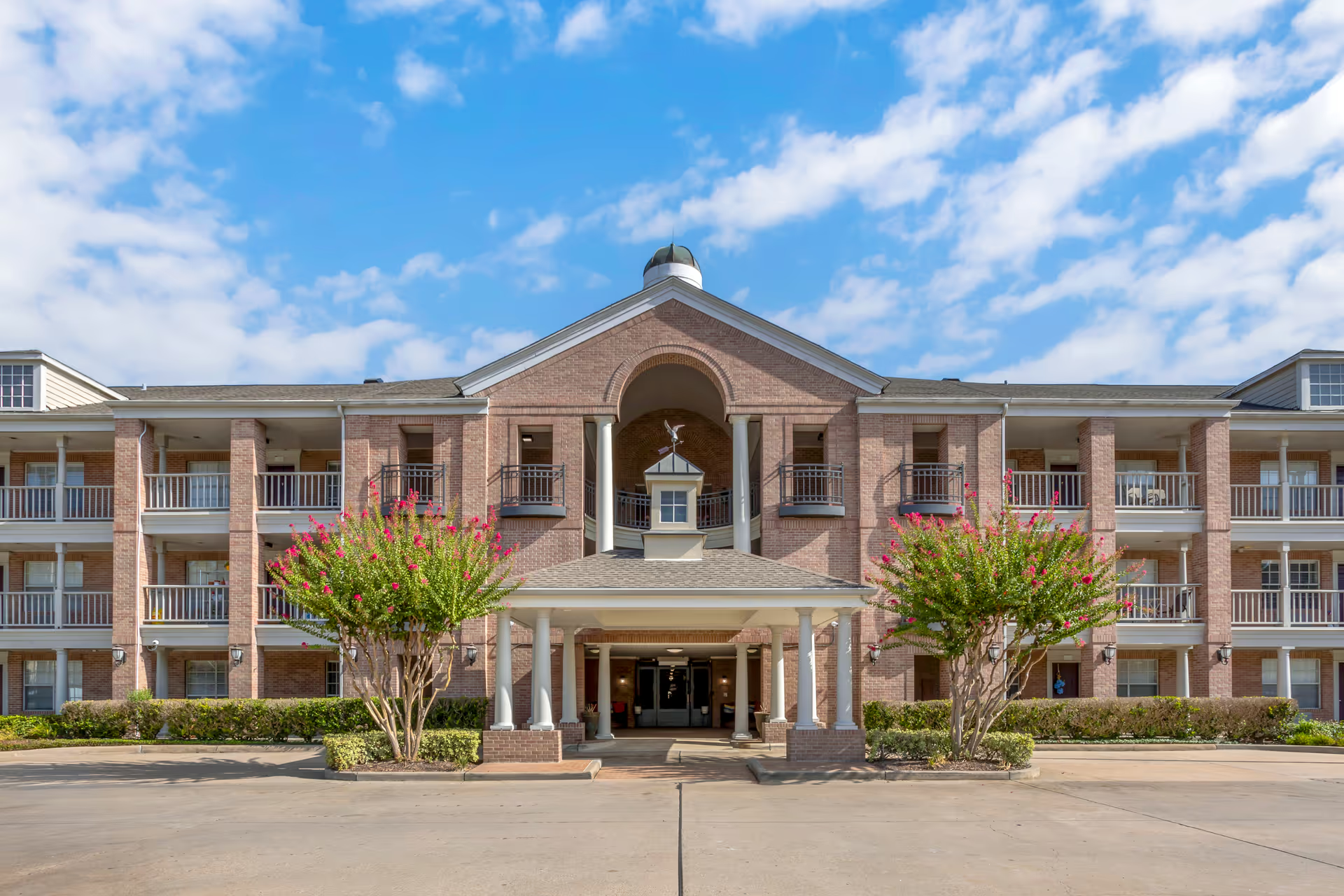
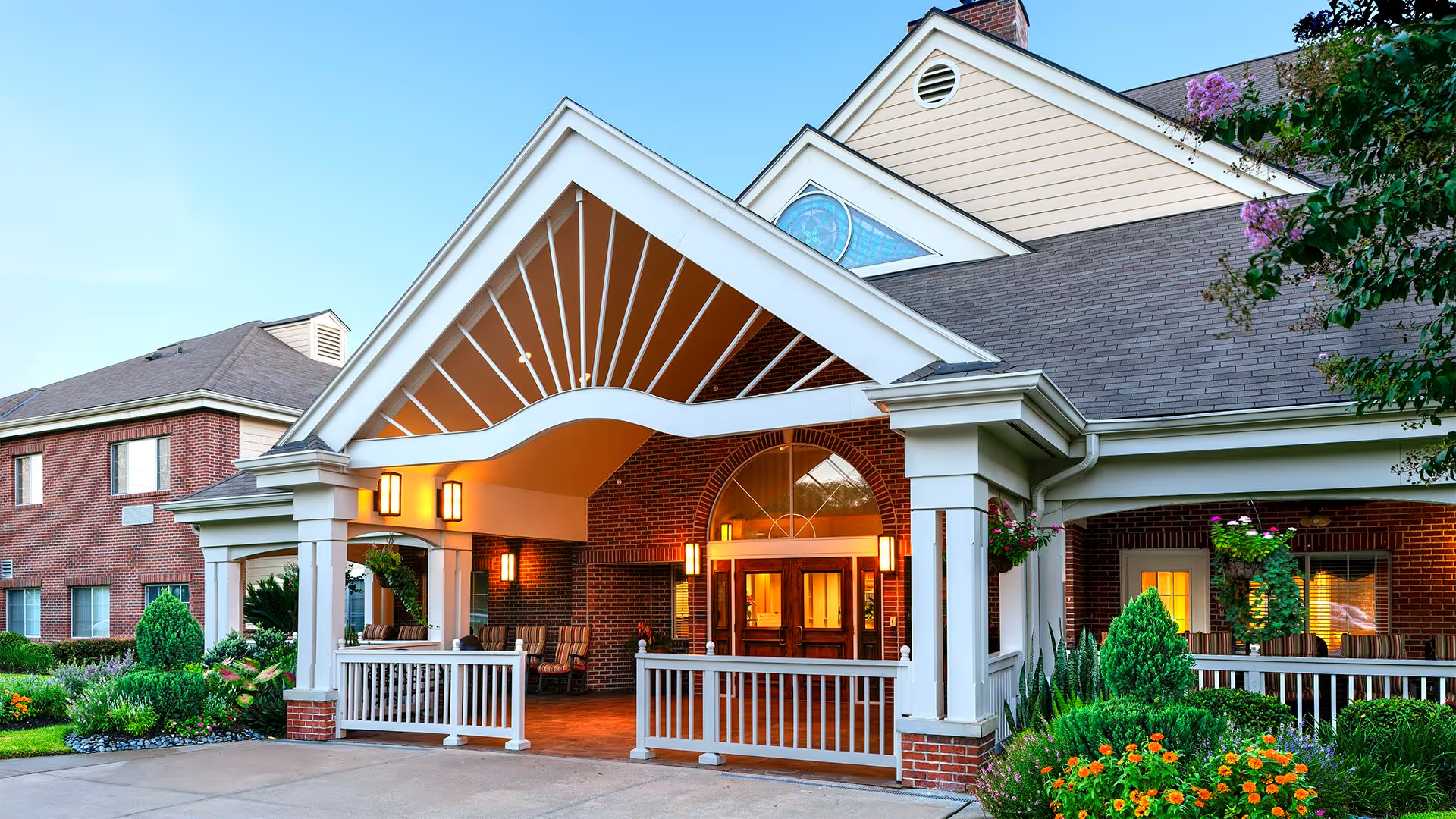
Galleria Residence and Rehabilitation Center elicits mixed but consistent themes. Positive feedback centers on the caregiving staff and clinical services: many families describe nursing and therapy teams as attentive, compassionate and professional, and several reviewers highlighted effective rehabilitation outcomes and onsite services such as dialysis and physical therapy. The facility has undergone visible renovation under new ownership in parts of the building, and grounds and exterior areas — including a courtyard — are frequently described as well maintained. Rooms are described as modest and small by some families, with plans to personalize living spaces to feel more home-like.
Care quality and staff behavior are the most polarized areas. Numerous accounts praise individual staff members for prompt, trustworthy communication and person-centered care; however, an opposing pattern points to inconsistent staffing levels, slow responses to resident calls, and concerns about staff conduct and reliability. Operational issues reported include delays in medication administration and variability in assistance with personal care tasks such as bathing. One review described a serious safety-related incident that required external responder involvement; this is an isolated but notable concern that underscores the need to review safety and escalation protocols.
Dining and daily living experiences are similarly mixed. Some families report that residents are well fed and clean, while others raise concerns about meal quality and nutrition consistency. Activity programming receives positive comments when staff are engaged and inviting, but memory-care programming in particular is described as lacking structure at times (absence of a dedicated activities director was noted), producing variation in engagement for residents with cognitive needs.
Facility condition reports vary by area and unit. Strengths include ongoing cleaning in renovated sections, a generally tidy exterior, and accessible clinical services. Conversely, several reviewers cite sanitation and odor concerns in particular spaces, sticky floors or cleanliness issues in shared areas, and pest-control concerns in some units. Maintenance gaps were also mentioned — examples include nonfunctional televisions, broken equipment, and periodic shortages of supplies — suggesting uneven facility upkeep across the building.
Administrative and communication issues recur across reviews. Positive notes describe transparent billing conversations and staff who explain care plans clearly. At the same time, families report poor phone responsiveness, frequent management turnover, unclear internal routing of inquiries, and difficulty reaching a receptionist or returning calls. There are also isolated reports of missing or delayed return of resident belongings. These administrative inconsistencies affect family confidence and make verification of recent operational changes (such as staffing ratios and pest-control remediation) especially important.
Overall impression: Galleria shows clear strengths in individualized clinical care and rehabilitation services, and parts of the campus have been improved under new ownership. However, persistent operational weaknesses — especially inconsistent staffing, communication breakdowns, sanitation and pest-control concerns, and variable activity programming in memory care — suggest prospective residents and families should perform an in-person tour and ask targeted questions. Recommended questions include current staffing ratios and vacancy rates, medication-administration and incident-escalation protocols, pest-control and cleaning schedules, recent maintenance and renovation scope, meal menus and nutrition policies, and specifics about memory-care activities and administrative contact procedures.