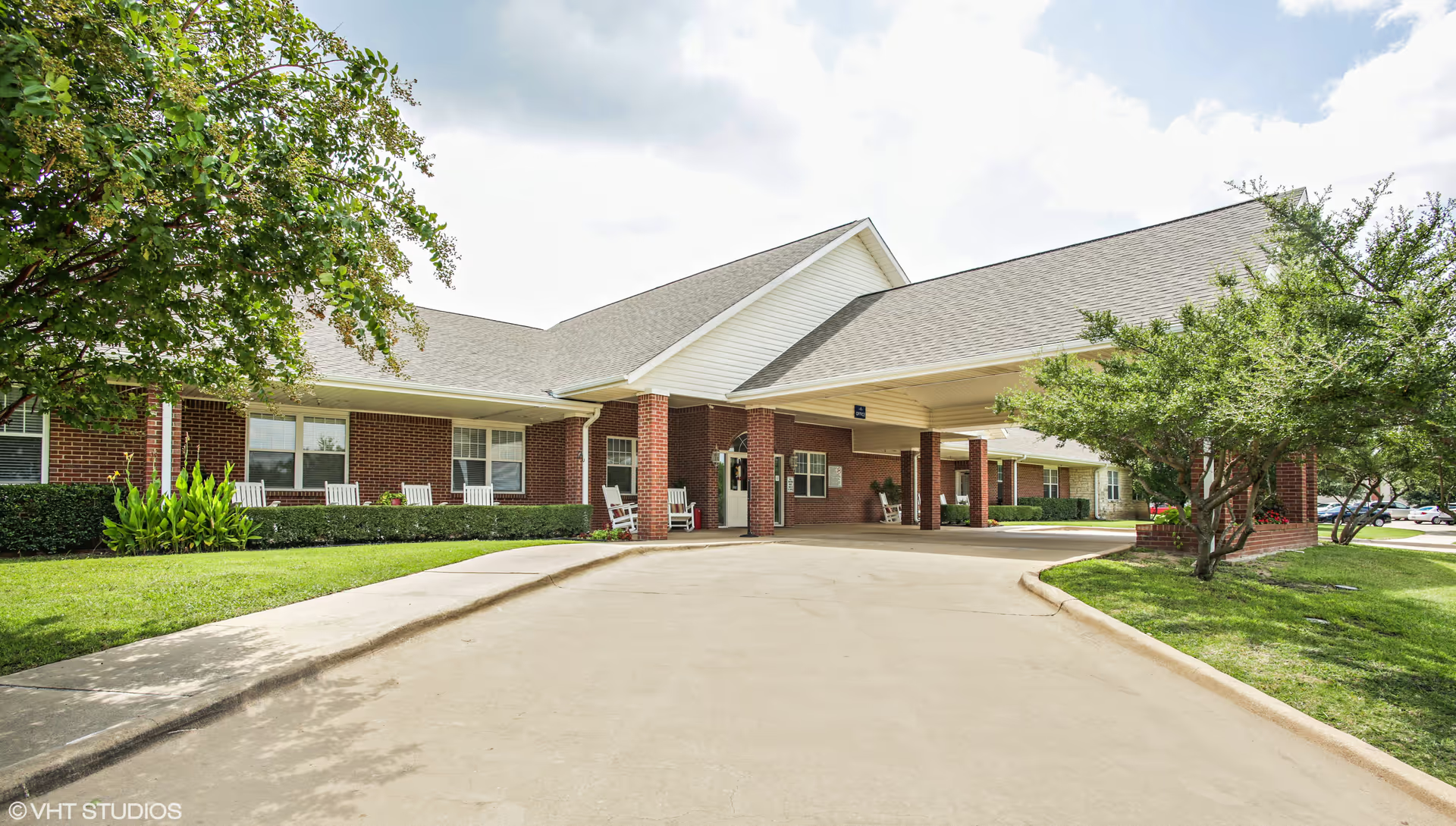
Overall impression: Reviews of Keller Oaks Healthcare Center are mixed and polarized. Many families and patients praise the facility’s physical environment, therapy resources, and activities program, while others describe operational and clinical shortfalls that affect daily living and safety. Prospective residents and families are likely to encounter both strong rehabilitation services and notable variability in day-to-day caregiving.
Care quality and clinical services: The facility demonstrates clear strengths in therapy and rehab — reviewers frequently cite skilled physical, speech, and cognitive therapy teams and positive post-acute outcomes. At the same time, clinical-process weaknesses are apparent: delayed diagnostic follow-up (for example, urinalysis), inconsistent medication administration, and lapses in pressure-injury prevention and treatment were described. These issues suggest variability in clinical oversight and inconsistent implementation of preventive care protocols.
Staffing, responsiveness, and conduct: A prominent pattern is staffing inconsistency and turnover. When staffing is adequate, many reviewers describe compassionate, attentive nurses and aides; when short-handed, families report slow response to call lights, long waits for toileting and bathing assistance, and unfavourable staff tone or communication. These patterns imply that resident experience is highly dependent on current staffing levels and personnel continuity.
Dining and activities: Meal quantity and menu accommodations are generally adequate, but reviewers describe intermittent problems with food temperature and taste, and occasional delays in service. The activities program is often cited as a strength — an engaged activities director, regular events, and outings — though some families noted that posted calendars or offerings did not always reflect an individual resident’s experience, especially for residents with limited mobility.
Facilities and maintenance: The building and public spaces receive consistently positive comments: renovated areas, bright rooms, good ventilation, and a secured memory-care unit. Concurrently, some reviews note persistent maintenance items (unfinished cosmetic repairs) and corridor-level odor or sanitation concerns tied to incontinence care, indicating uneven attention to environmental and maintenance details across shifts or units.
Management, communication, and safety: Accounts of leadership performance are mixed. Several reviewers praise responsive clinical leaders and an efficient admissions process, while others describe inconsistent family communication, an unresponsive case manager, and gaps in incident reporting and follow-up. Serious procedural concerns cited include transfer-safety practices and fall response times; there are also allegations of missing personal belongings, which raise property-control and documentation questions.
Bottom line and recommendations: Keller Oaks appears to offer strong therapy and an attractive physical environment, making it a reasonable option for post-acute rehabilitation for patients who need intensive therapy. However, families should be aware of operational variability affecting daily care, responsiveness, wound management, and communication. When evaluating the facility, ask targeted questions about current staffing levels and turnover, wound-care protocols and oversight, call-response times, medication-administration safeguards, and property-control procedures. Regular family communication and monitoring of a loved one’s personal care plan are advisable to ensure any gaps are identified and addressed promptly.