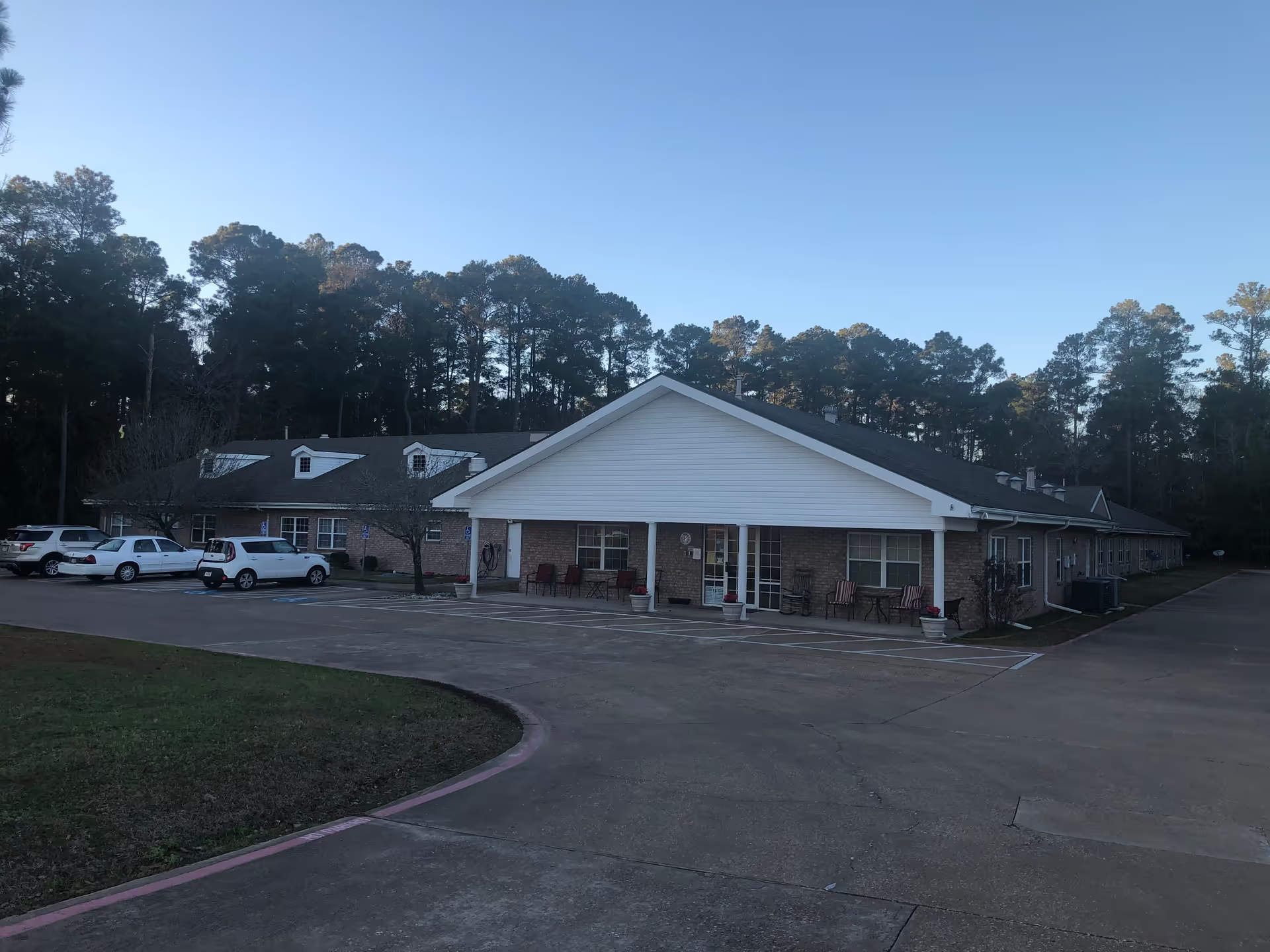
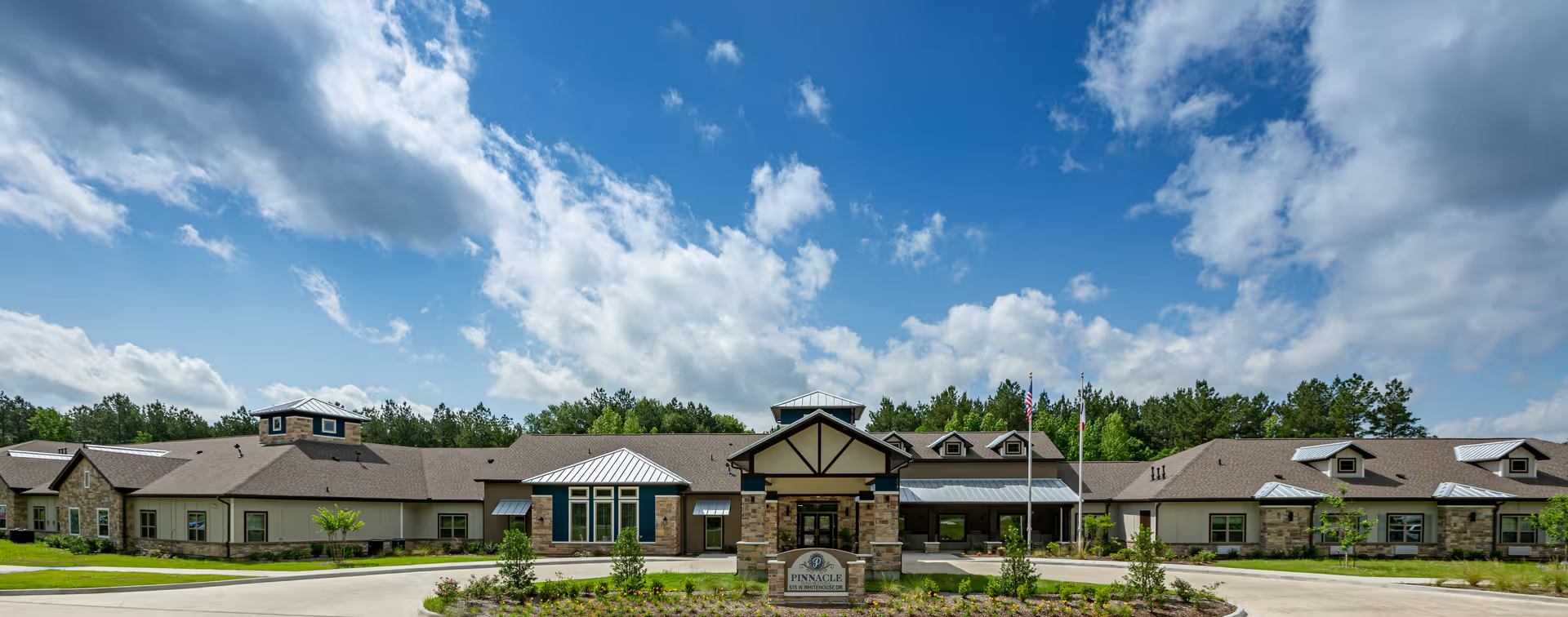
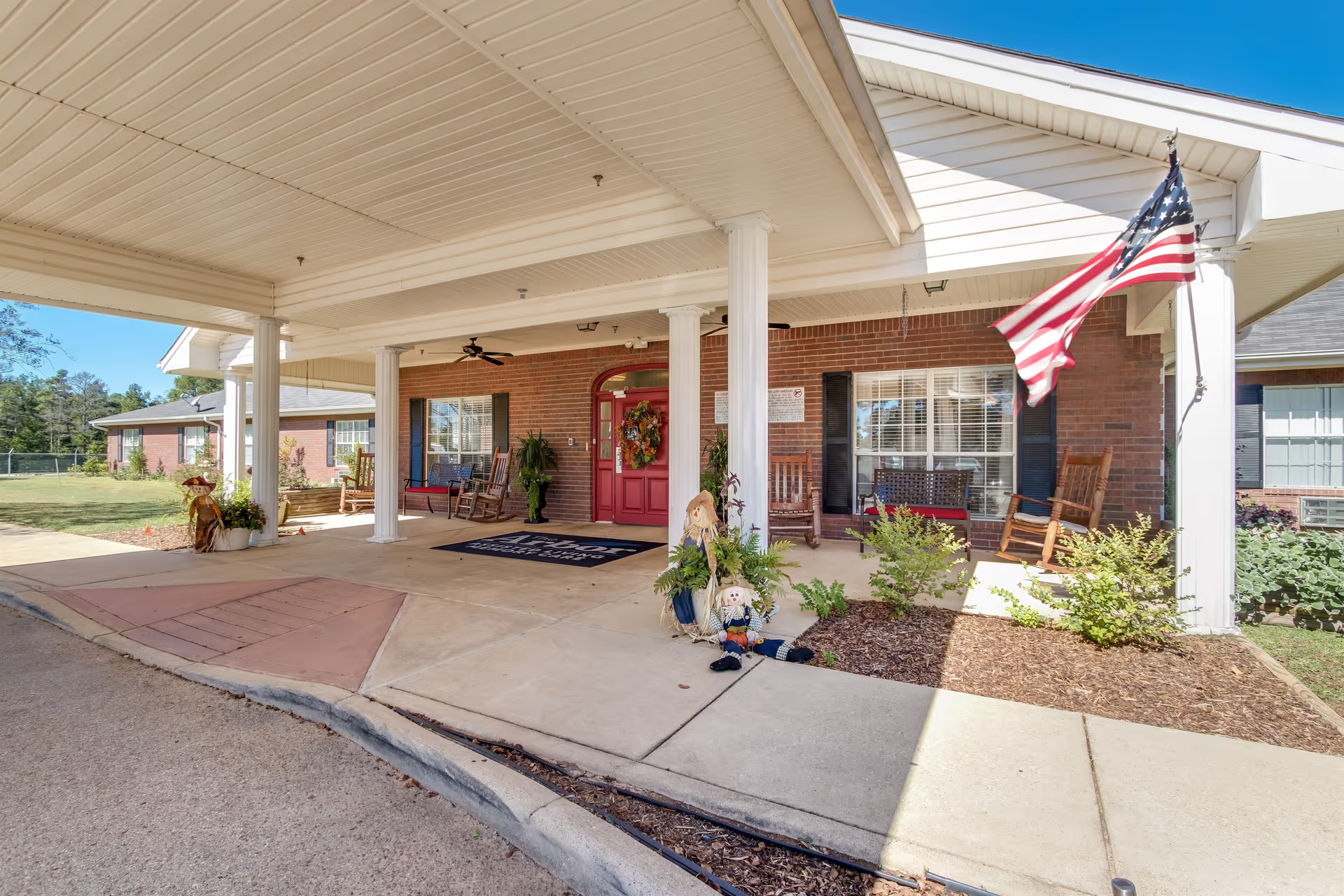
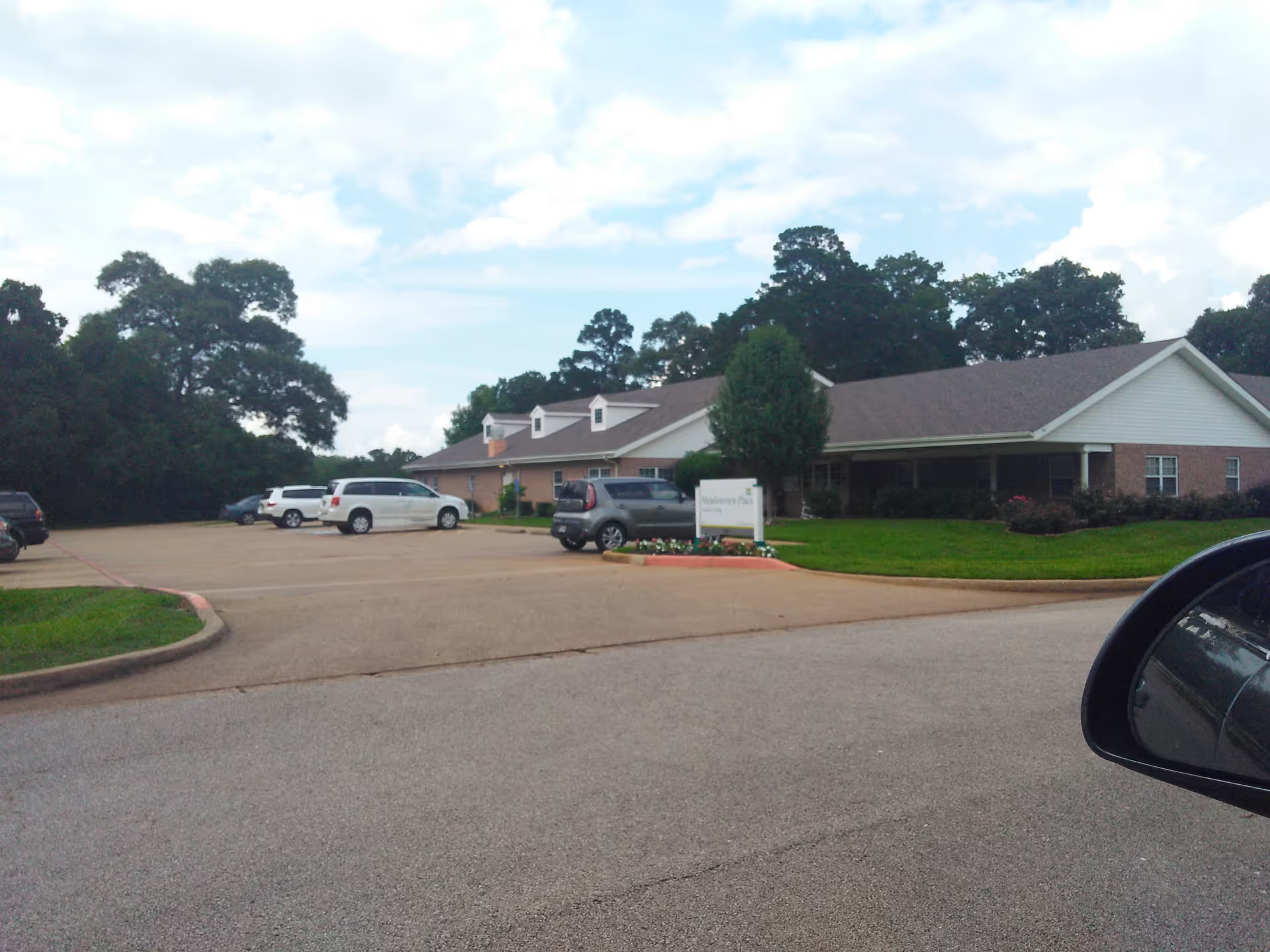
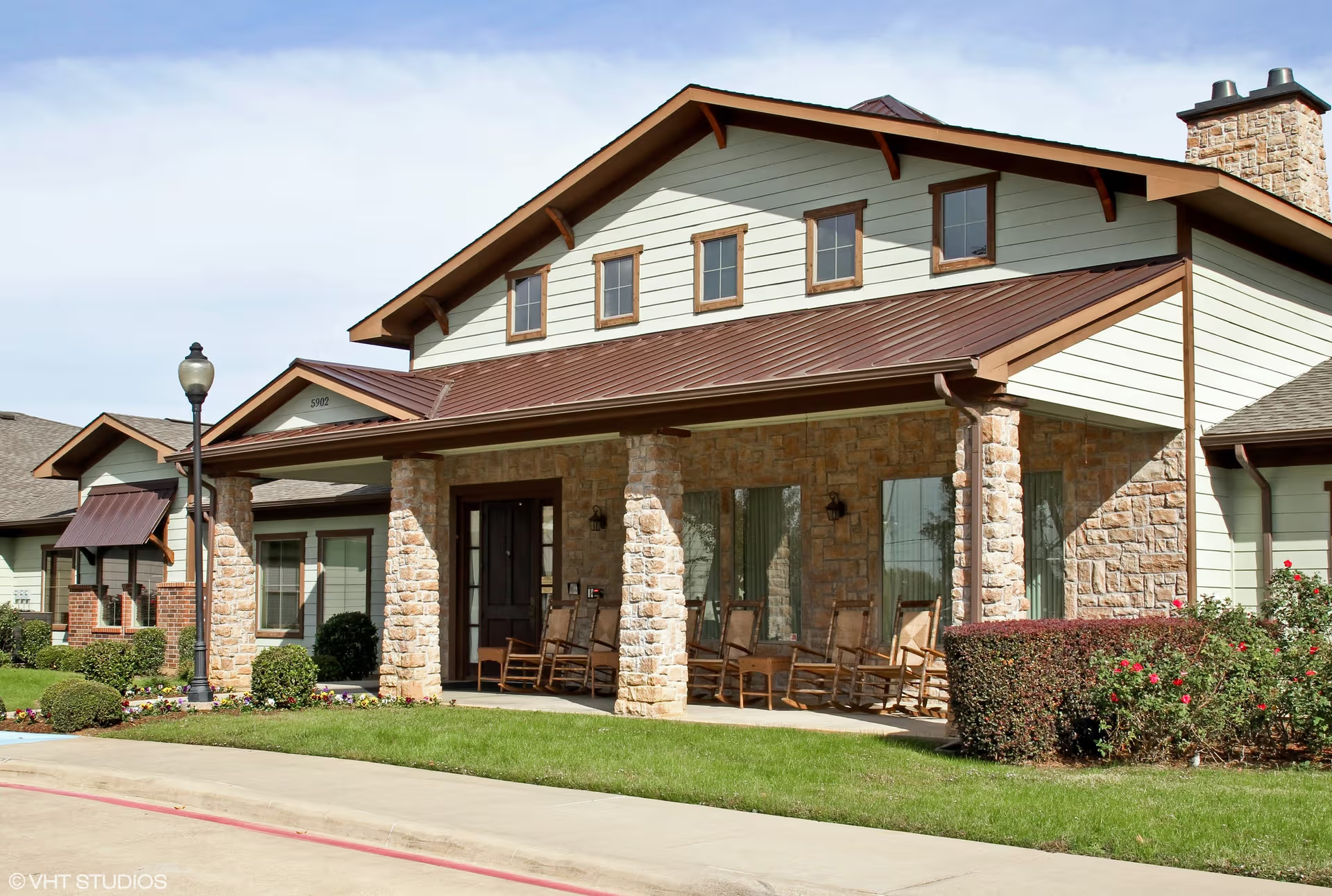
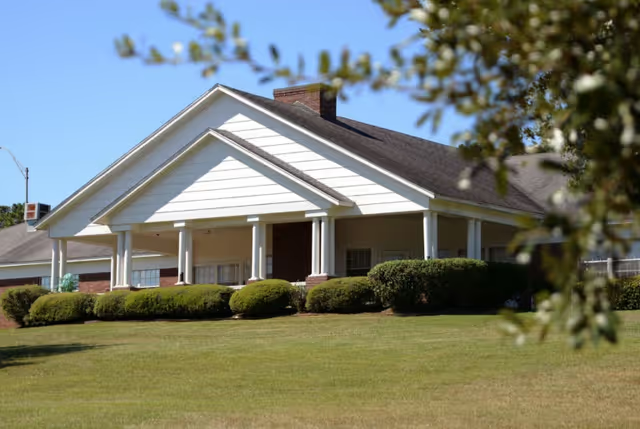
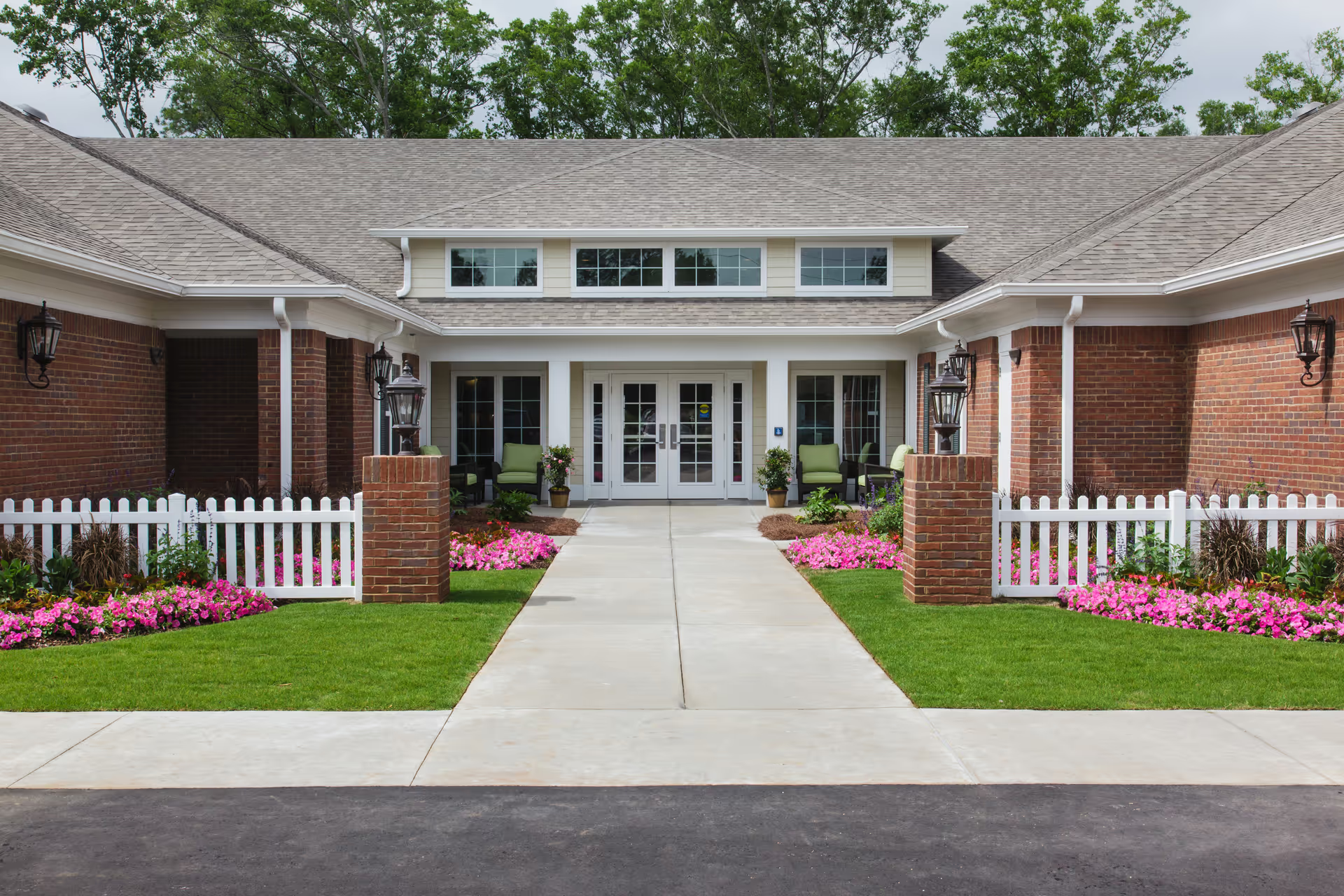
The reviews describe a facility with clear strengths in environmental upkeep, therapy services, and interpersonal caregiving, alongside recurrent operational weaknesses that prospective families should evaluate. Many families and residents praised the physical environment as clean and comfortable, noted engaging activities (games, arts and church services), and highlighted the availability of on-site therapy and rehabilitation that helped with post-hospital recovery. Multiple accounts emphasize compassionate, friendly CNAs and therapists, responsive administration in some cases, and specific clinical strengths such as wound care.
At the same time, reviewers raise substantive care-quality concerns that affect the overall risk profile. While some nursing staff are described as knowledgeable, there are recurring descriptions of inconsistent nursing care quality, medication-management problems, and lapses in responsiveness to basic needs. These issues are associated with delayed clinical attention, delayed physician visits, and pharmacy/insurance coordination problems (for example, prescription refills and destruction of medications). Safety-related themes also appear: several accounts point to falls or transfer-safety problems and periods when residents were unattended, indicating gaps in fall-prevention and monitoring practices.
Dining, laundry and sanitation are mixed areas. Many reviewers appreciated hot meals delivered to residents and an overall hospitable dining experience, but others reported slow service and problems with meal temperature. The facility is generally reported as well-maintained and home-like, yet some reviewers reported odor concerns in resident areas and problems with laundry and personal-property management, including lost or mishandled clothing. There is one mention of a privacy/mail-handling breach, which suggests room for stronger administrative safeguards.
Management and communication receive both praise and critique. Several families noted clear, compassionate communication and timely issue resolution from administrators and specific staff members. Conversely, others described inconsistent family communication, unhelpful or curt staff interactions, and an organizational variability that can affect continuity of care. Taken together, the pattern suggests that the facility can provide good rehabilitation and compassionate caregiving when staffing and coordination work well, but performance appears uneven across shifts or units.
Implications for prospective residents: the facility may be appropriate for short-term rehabilitative stays for those who prioritize therapy and a clean, activity-rich environment, but families should perform targeted due diligence before committing to long-term placement. Recommended questions include current staffing ratios, fall-prevention and transfer protocols, medication-administration and pharmacy-refill procedures, procedures for incontinence care and sanitation, laundry/personal property handling, and how the facility ensures timely physician access and family communication. Observing mealtime service and speaking directly with nursing leadership about recent quality-improvement actions may help families assess whether the facility’s strengths are reliably sustained.