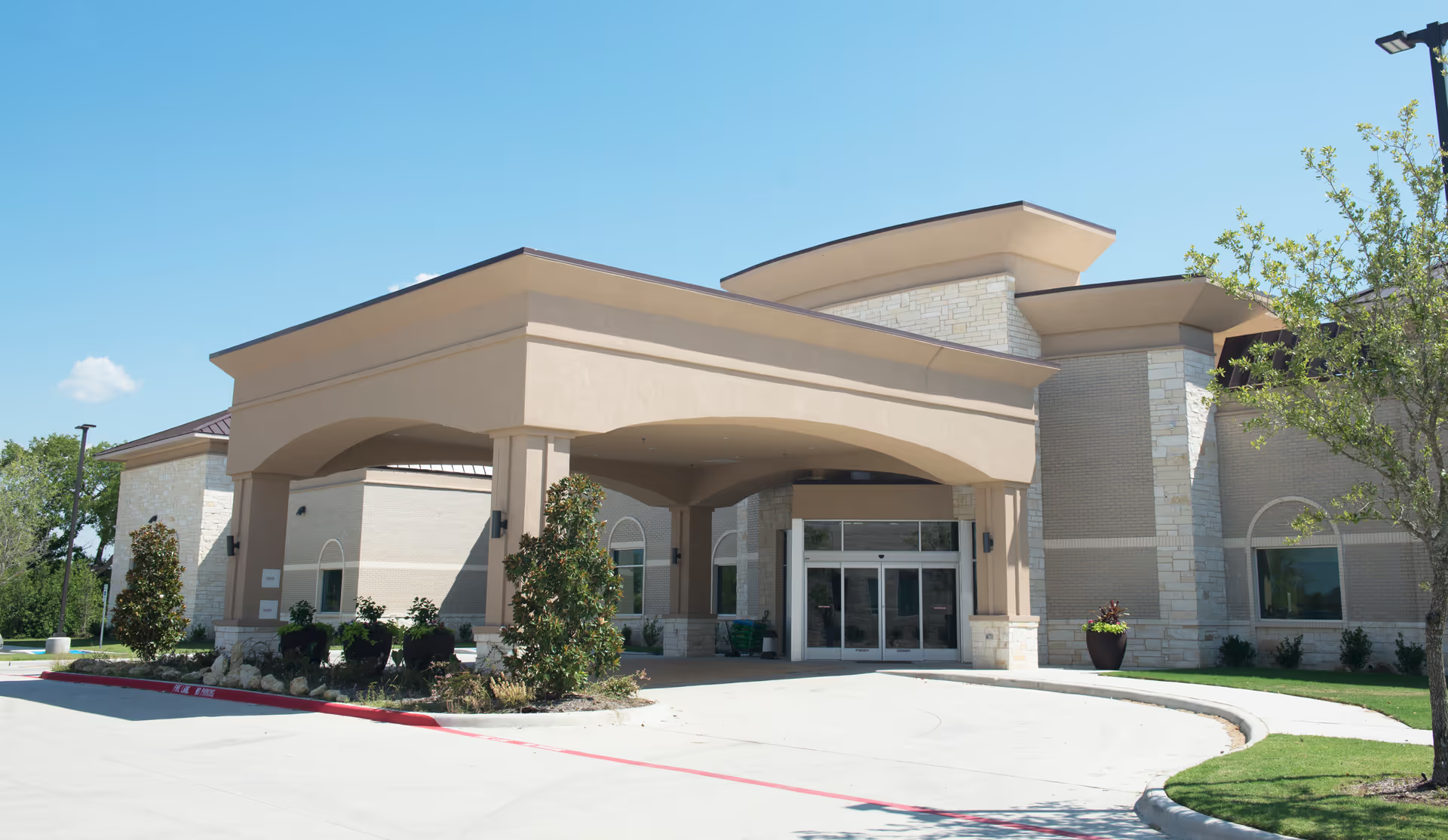
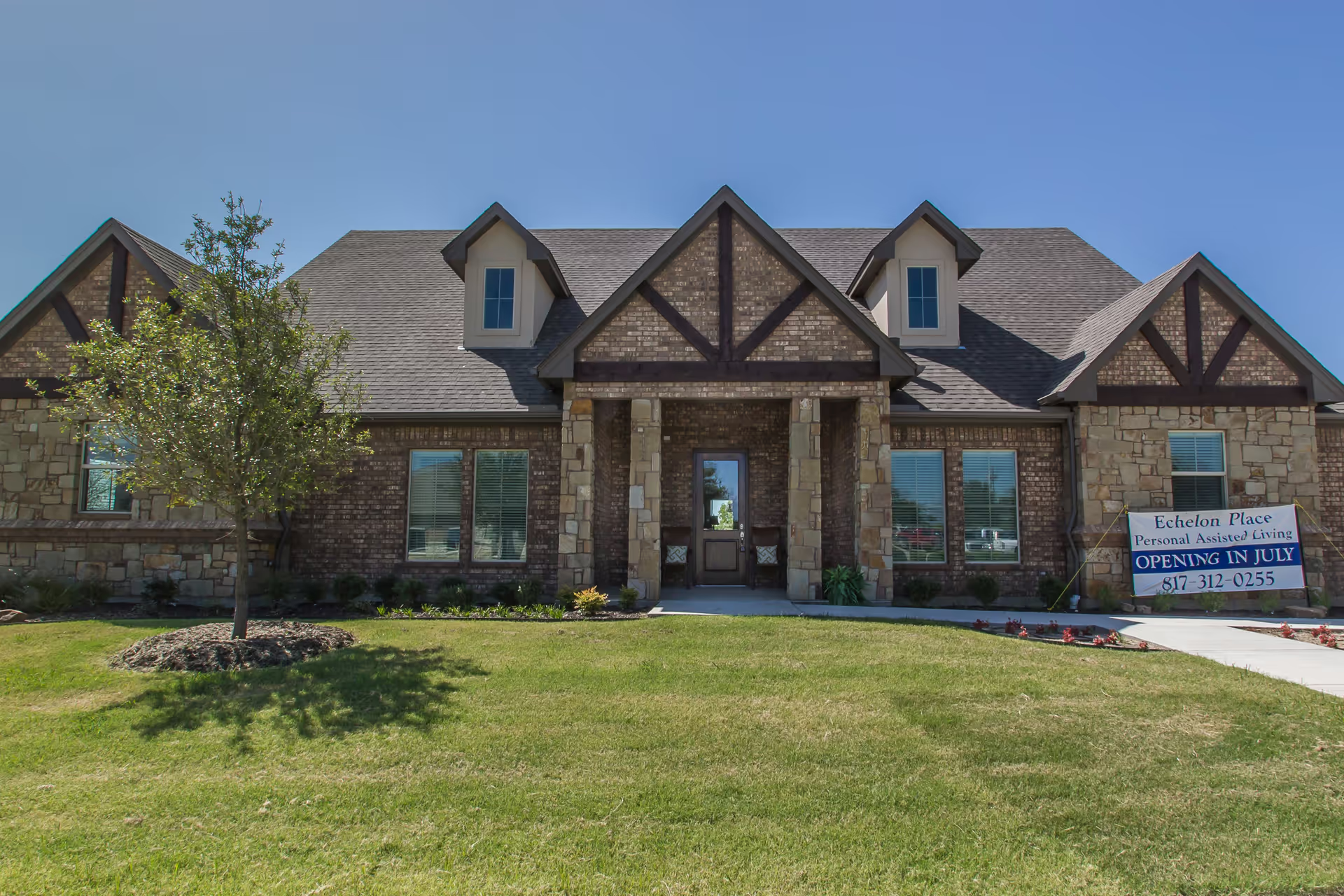
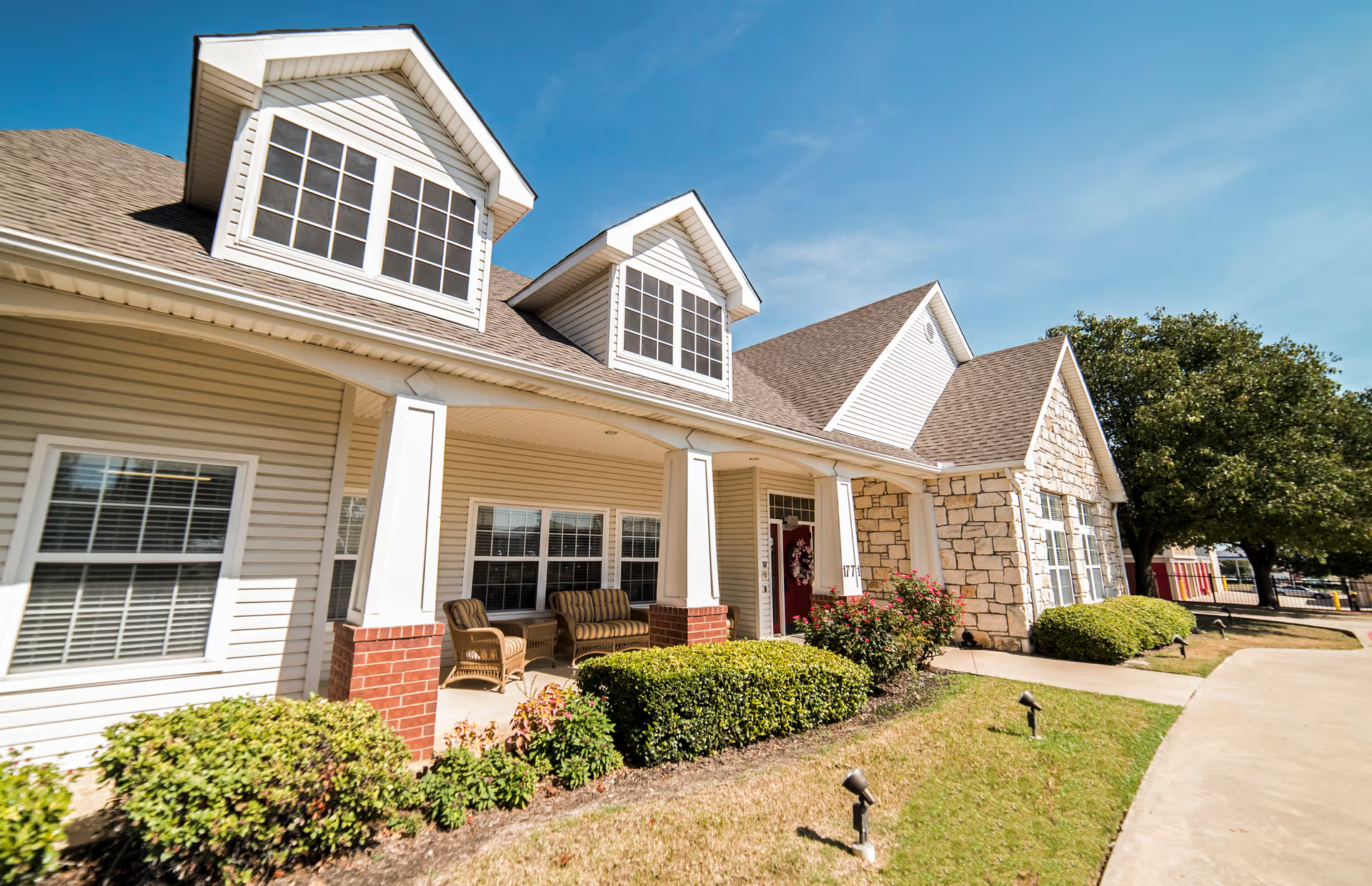
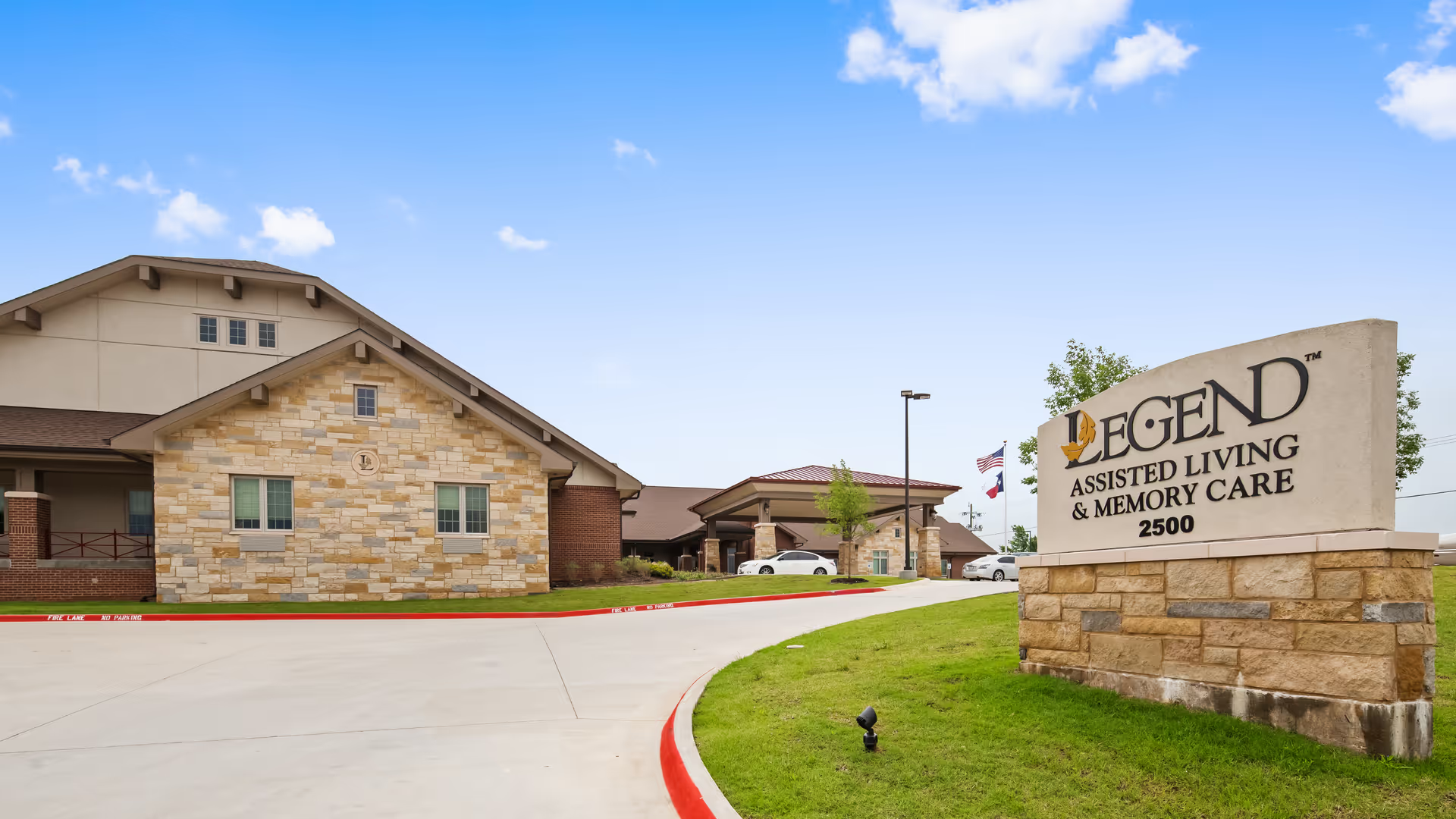
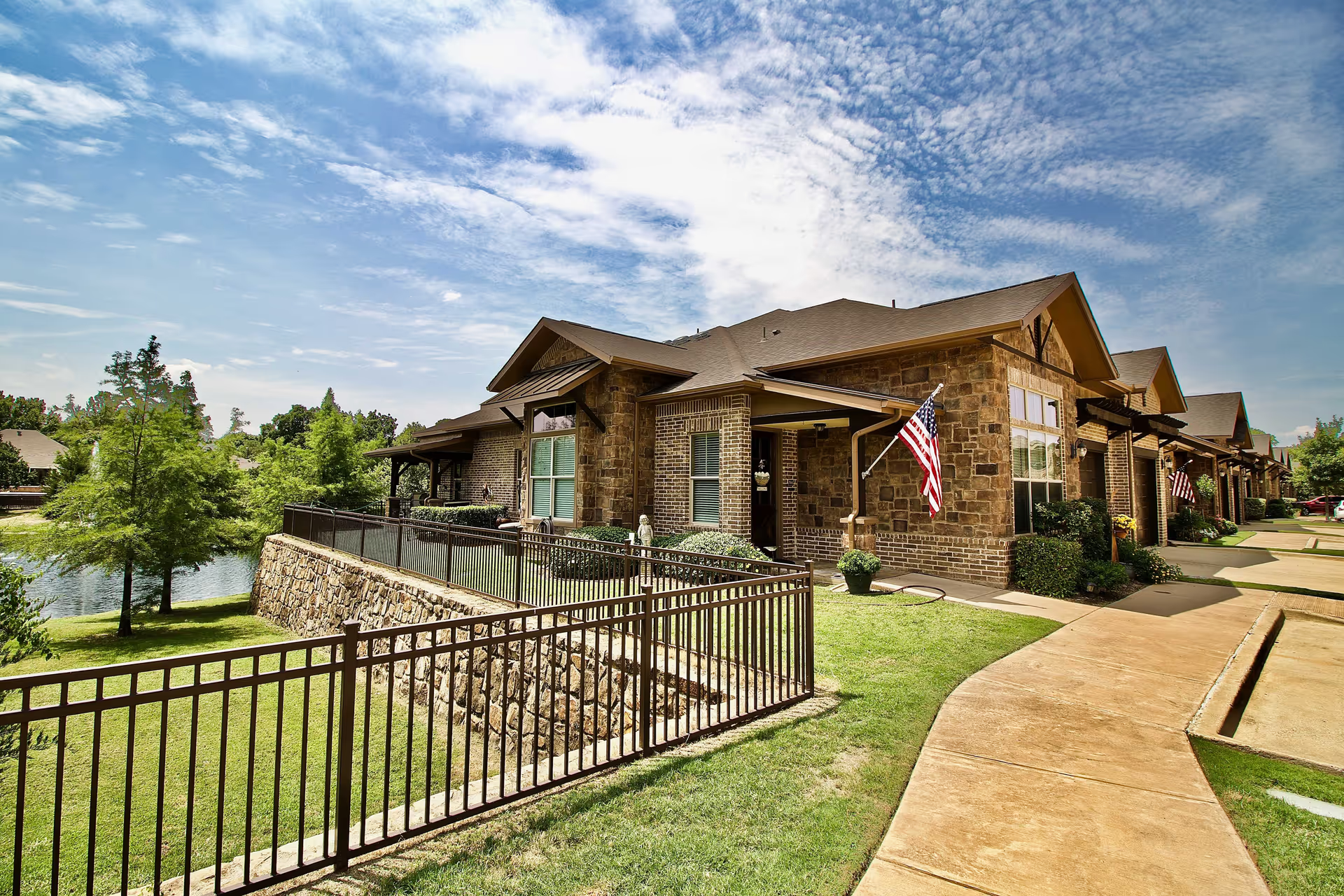
The Pavilion at Creekwood presents a mixed but discernible pattern of strengths and operational weaknesses. Its rehabilitation services are a clear asset: physical, speech, and occupational therapists are consistently described as skilled, motivating, and effective in restoring strength and function. Many families credited therapy staff with substantive progress and with clear, helpful explanations of care plans. The facility itself is frequently described as modern, attractive, and clean, with accessible rooms, large bathrooms, and pleasant grounds that contribute to a generally uplifting environment.
Care delivery and staff interactions are more variable. Numerous accounts emphasize compassionate, friendly, and helpful aides, nurses, and administrative personnel—especially daytime and office staff—while others describe inconsistent nursing attention, delayed responses to requests, and uneven conduct across shifts. Weekends and night shifts are the most commonly cited periods for slower responses and reduced staffing. Several reviews raise concerns about medication timing and documentation, and a subset of families reported confusion or errors around medication administration. There are also recurring descriptions of inconsistent personal-care practices (for example, bathing schedules and dressing changes) that suggest variability in adherence to routine care plans.
Dining and nutrition receive mixed reviews. The dietitian and individualized diet accommodations are noted positively in a number of accounts, but many residents and families described meals as bland, overcooked, inconsistently presented, or served at suboptimal temperatures. Menu variety is limited for some residents, and assistance with meals is occasionally inadequate when residents require feeding support. Activities programming and the activities director receive strong, favorable mentions; music, bingo, art, and social programs are seen as meaningful engagement opportunities.
Operational and management patterns of concern center on staffing, communication, and safety processes. Recurrent themes include delayed call-light response times, inconsistent communication between nursing and families (and sometimes between departments), front-desk and after-hours accessibility problems, and variability in housekeeping attention across units. Safety-related issues were raised in relation to transfers and mobility assistance, with reports describing near-fall events or handling that families judged as unsafe; these point to the need for clearer transfer protocols and consistent staffing for assisted transfers. A small number of serious allegations—most notably incidents of financial loss—raise questions about controls over resident property and transactions and warrant direct follow-up by prospective families.
In summary, prospective residents and families should weigh the strong rehabilitation programming, attractive facility, and many caring staff members against recurring operational challenges: variable staffing (particularly off shifts), inconsistent medication and personal-care practices, mixed meal quality, and periodic communication and accessibility gaps. For those primarily seeking intensive, outcomes-driven rehab in a modern setting, the facility may be a good fit; for residents requiring highly reliable around-the-clock nursing attention, consistent transfer assistance, or robust after-hours accessibility, further inquiry and direct observation of current staffing patterns and safety protocols are advisable.