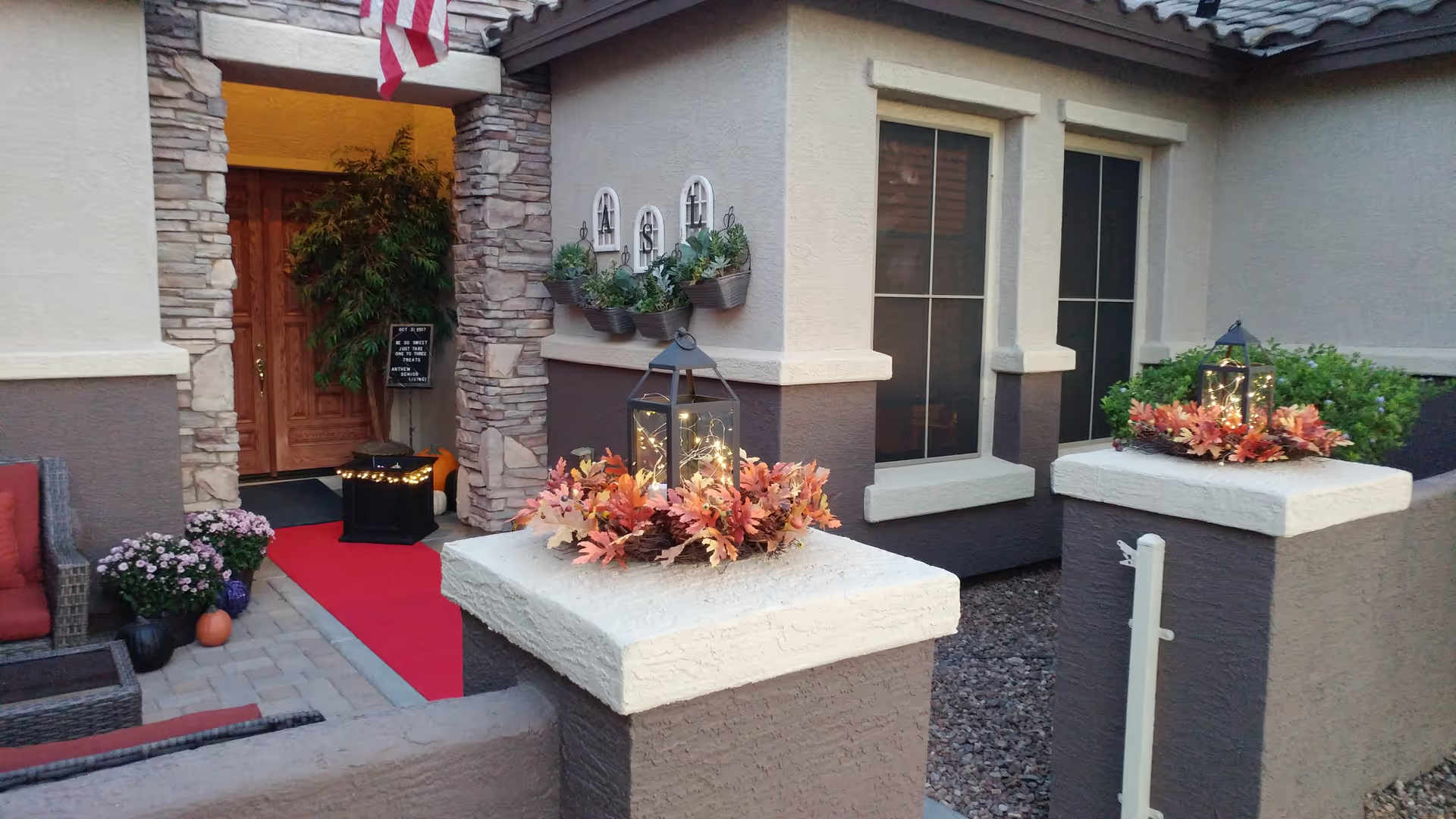
Overall impression: The reviews depict Senior Sanctuary of Anthem as a small, family-owned residential care home that emphasizes high-touch, personalized service and a homelike environment. Families repeatedly highlight a culture of compassion and attentiveness: caregivers are described as kind, patient, and proactive, and leadership (notably the owner/manager) is portrayed as hands-on and responsive. The facility projects a high standard for cleanliness, decor, and landscaping, with attention to aesthetic details and seasonal celebrations that contribute to a tranquil, welcoming atmosphere.
Care quality and clinical responsiveness: Reviewers emphasize quick clinical responses and structured medical coordination. The presence of on-site nursing, a geriatric nurse practitioner, medication supervision, and a group communication system between the nurse, residence manager, and family suggests an organized approach to clinical oversight. Families report rapid attention to clinical red flags and timely communication. That said, the setting is a residential care home rather than a licensed skilled nursing facility; reviewers’ praise for nurse and NP access should be viewed in that context (strong primary and preventive medical support, but not a full continuum of higher-acuity inpatient services).
Staff and management: A consistent theme is the strong, mission-driven staff culture and active owner involvement. Management is credited with setting high standards, coordinating medical and nonmedical services, and maintaining close relationships with staff and outside providers. This appears to create stability and individualized attention. The reliance on specific leaders and longstanding staff members produces clear strengths in continuity and culture, but also implies operational sensitivity if key personnel were to change.
Dining, grooming, and daily living services: Dining is frequently described as home-cooked, fresh, and appealing, with accommodating meal choices and personalized favorites. Regular grooming and personal-care services (hair styling, manicures, weekly massages, laundering) are integrated into the routine, supporting resident dignity and comfort. Medication management and quick response to care needs are noted as reliable features.
Activities and social programming: The activity program is broad and deliberately therapeutic: live music, group exercise, art, gardening, flower arranging, Bingo, movie nights, themed parties, and spiritual opportunities are regularly provided. Reviewers emphasize social engagement, meaningful leisure, and opportunities for creative and sensory stimulation, which families link to residents’ improved mood and contentment.
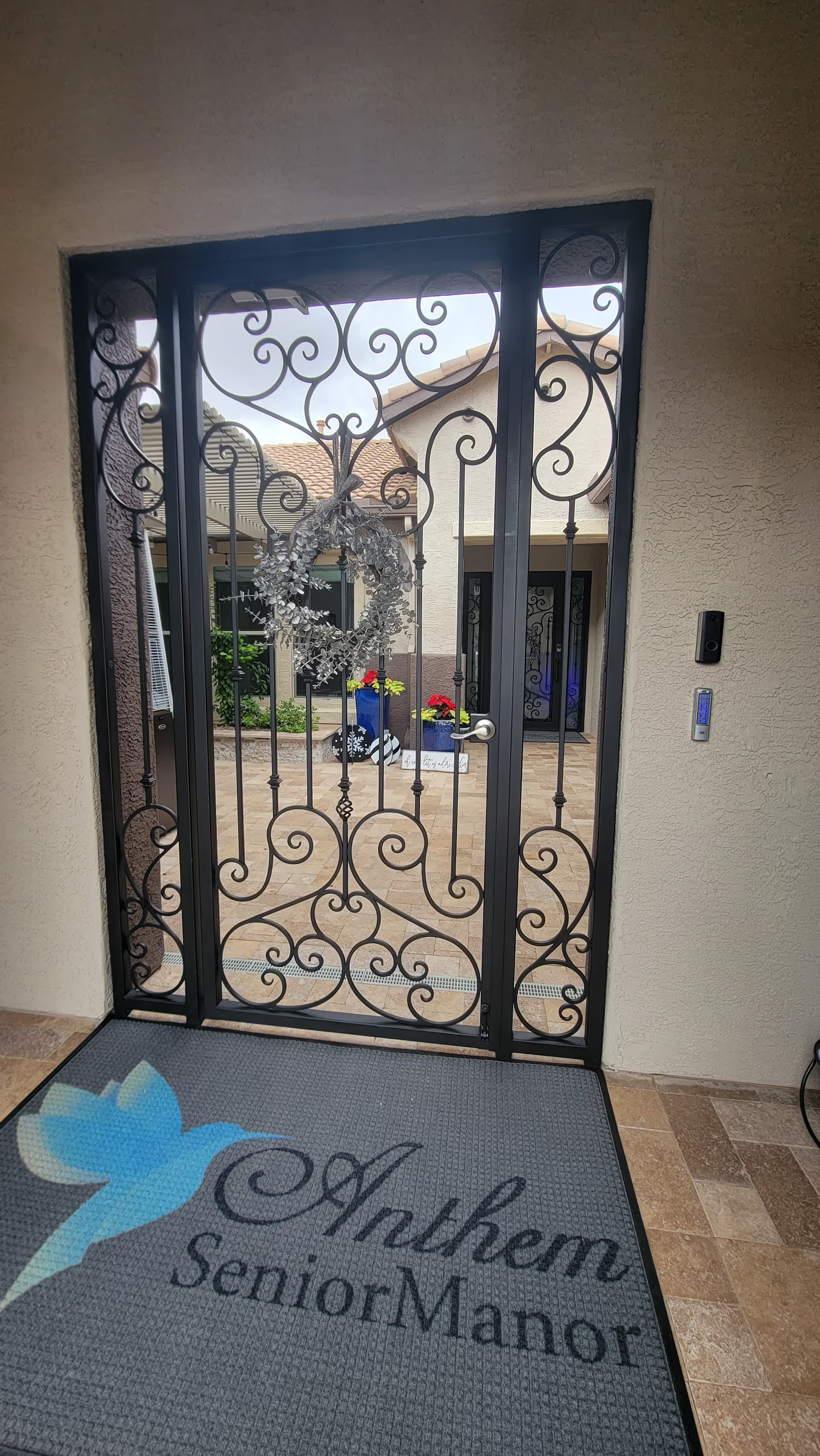
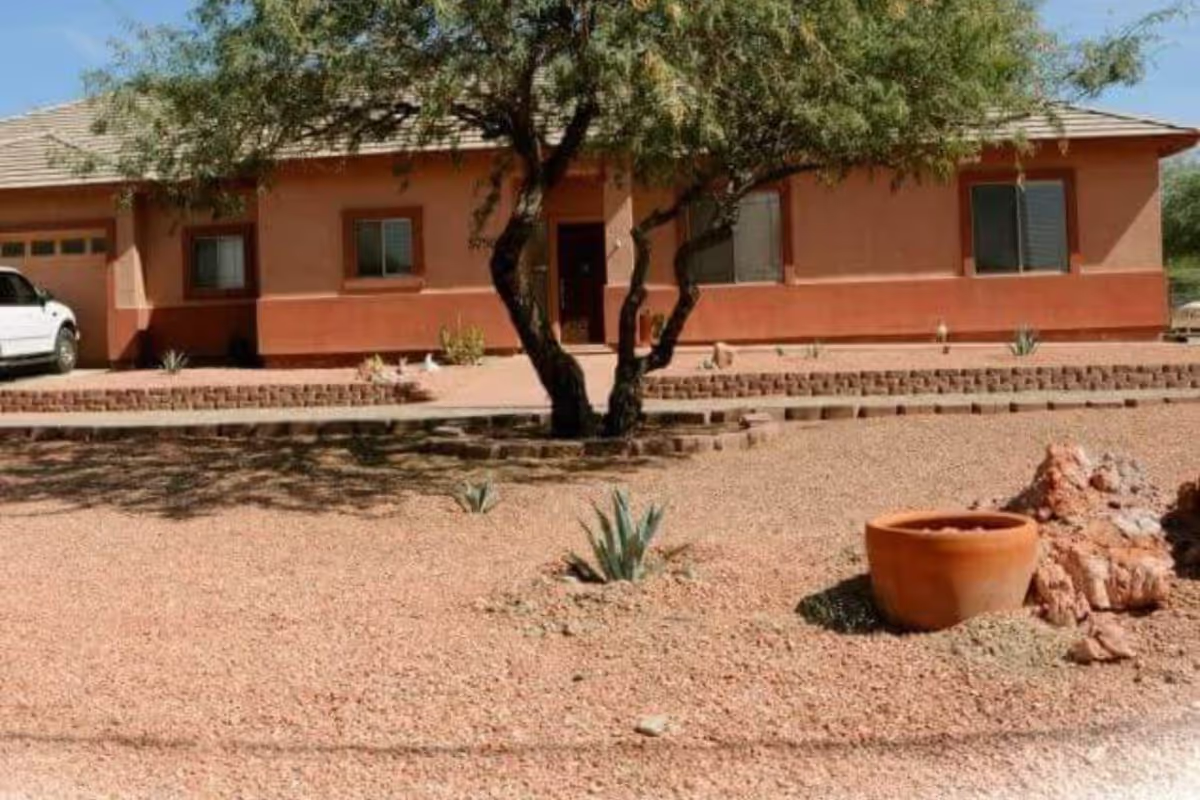
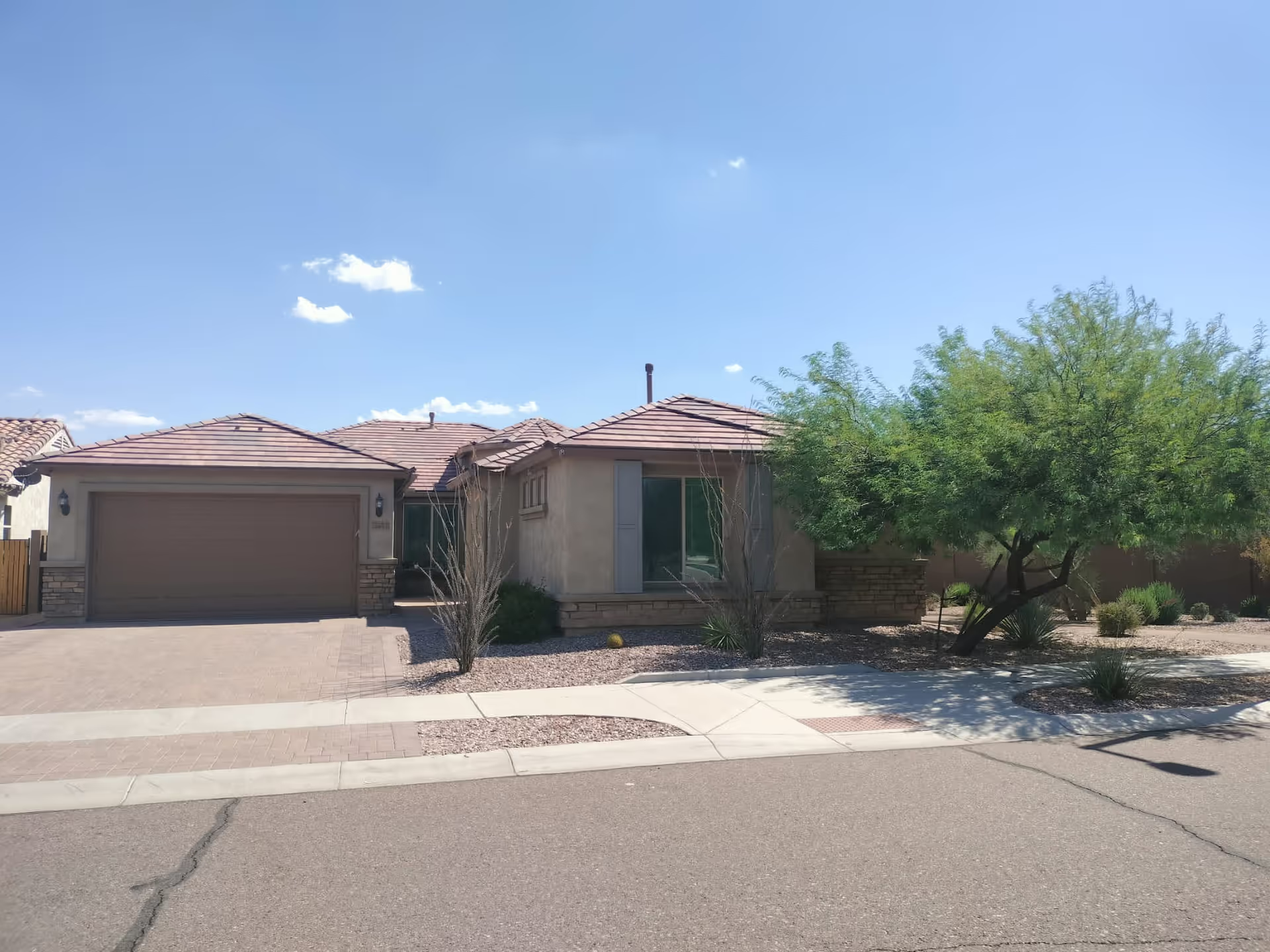
Facilities, safety, and accessibility: The physical plant is described as freshly remodeled, immaculately clean, and tastefully furnished, with a park-like yard, bird feeders, and accessible patios. Recent investments in security and accessibility — locking mechanisms, courtyard gates, and a wheelchair-accessible van — reflect an operational focus on resident safety and mobility. The small-home layout contributes to a noninstitutional feel but also limits overall bed capacity.
Notable patterns and considerations: Review content is overwhelmingly positive and highlights a boutique, high-touch model that prioritizes individualized service, hospitality, and proactive clinical coordination. Potential buyers or families should weigh that model’s advantages against likely higher cost and the facility’s smaller scale. The home appears well-suited to residents who benefit from personalized attention, social programming, and a serene residential setting, but those needing frequent high-acuity nursing interventions or specialized memory-care programming should confirm service limits and transfer plans in advance. Finally, because the operation is closely tied to particular leadership and staff, prospects should inquire about contingency staffing plans and staff turnover policies to understand continuity risks.