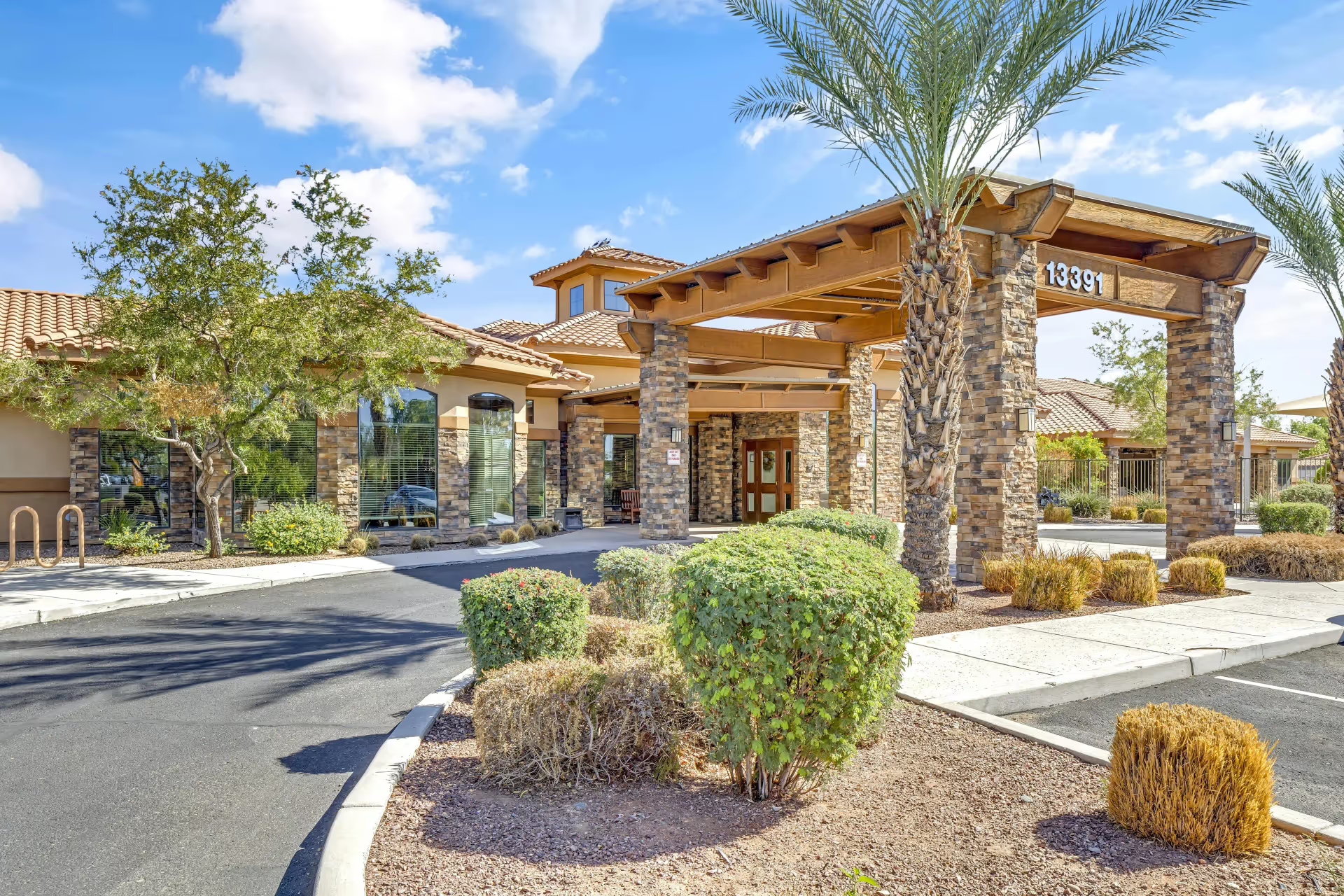
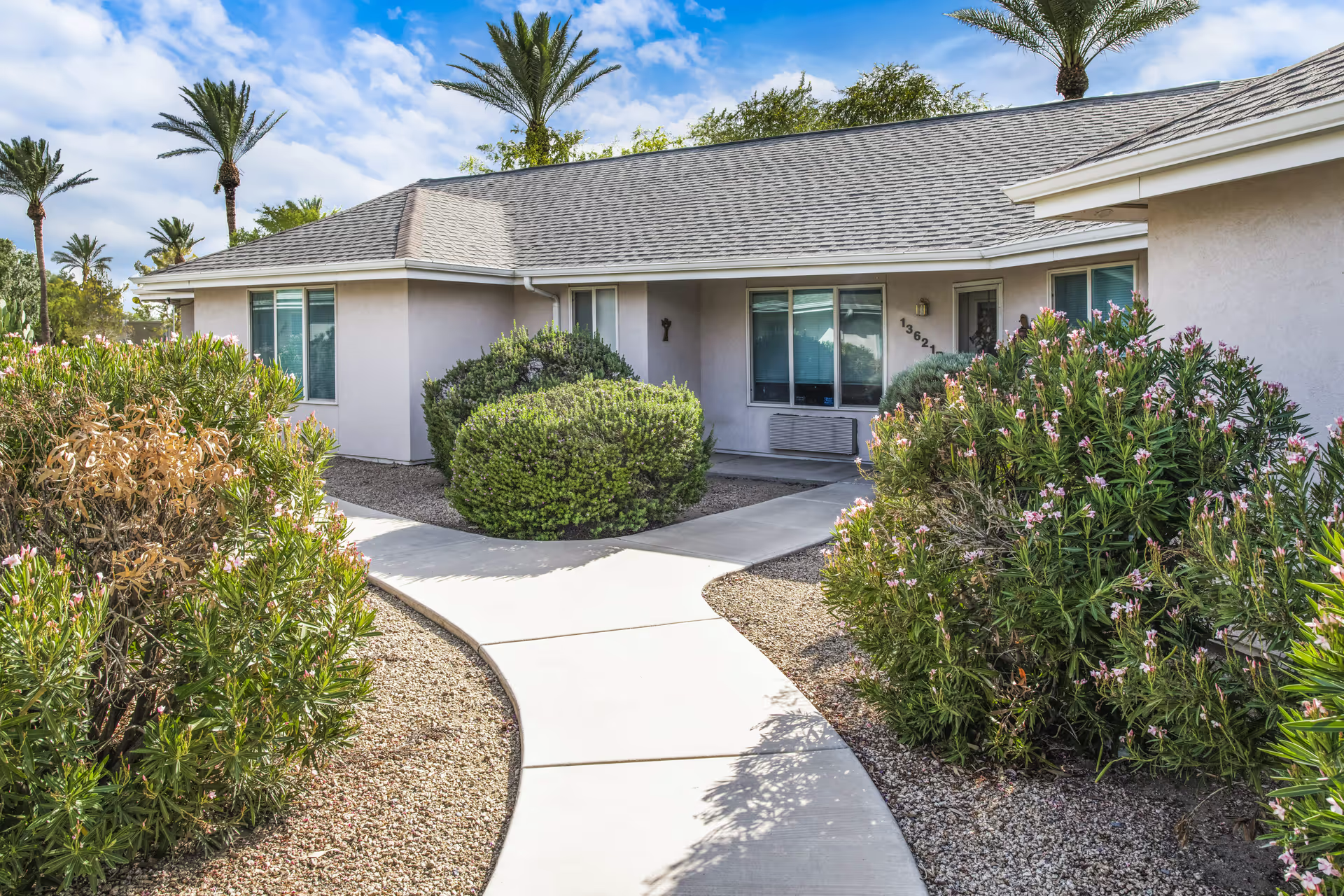
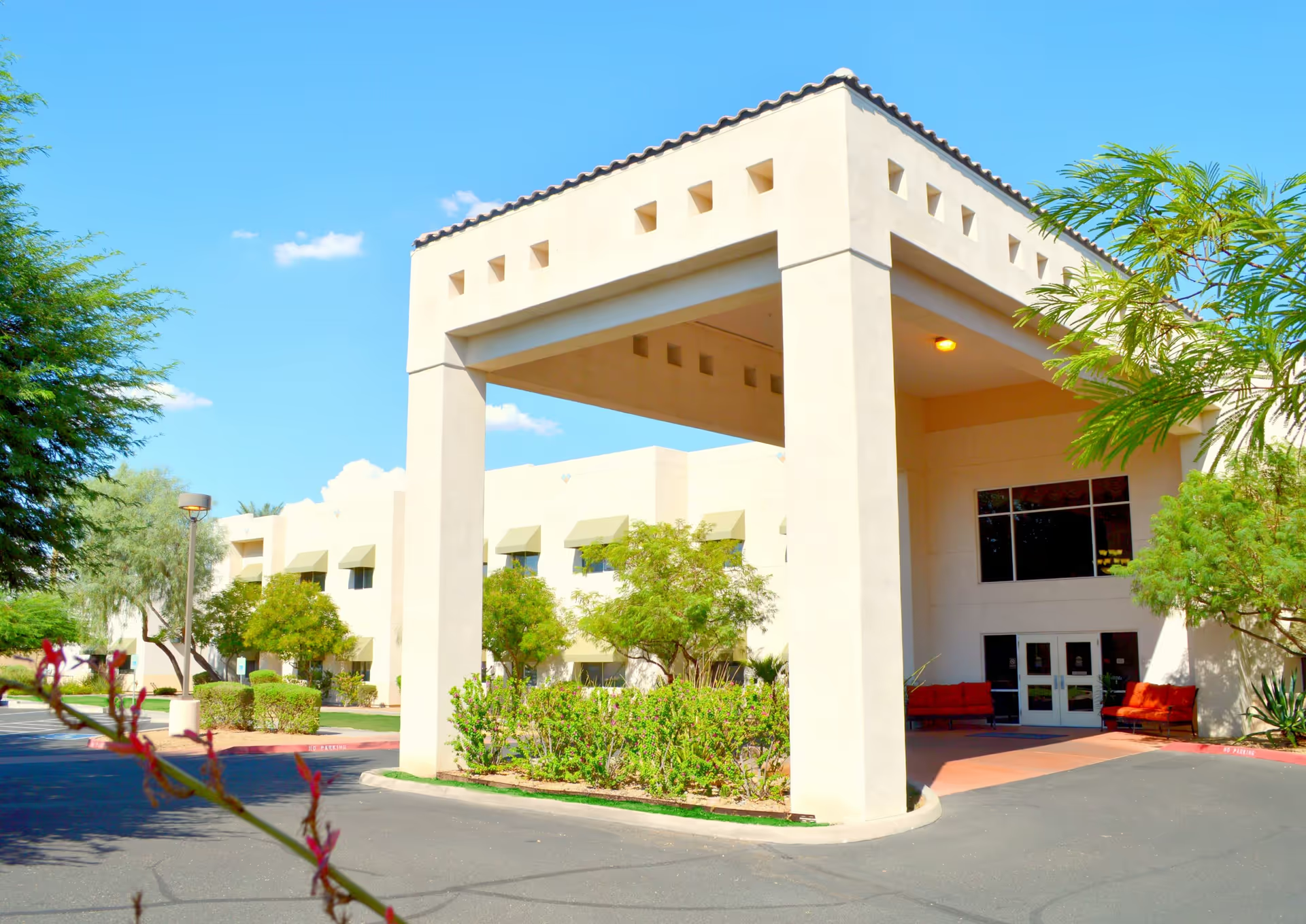
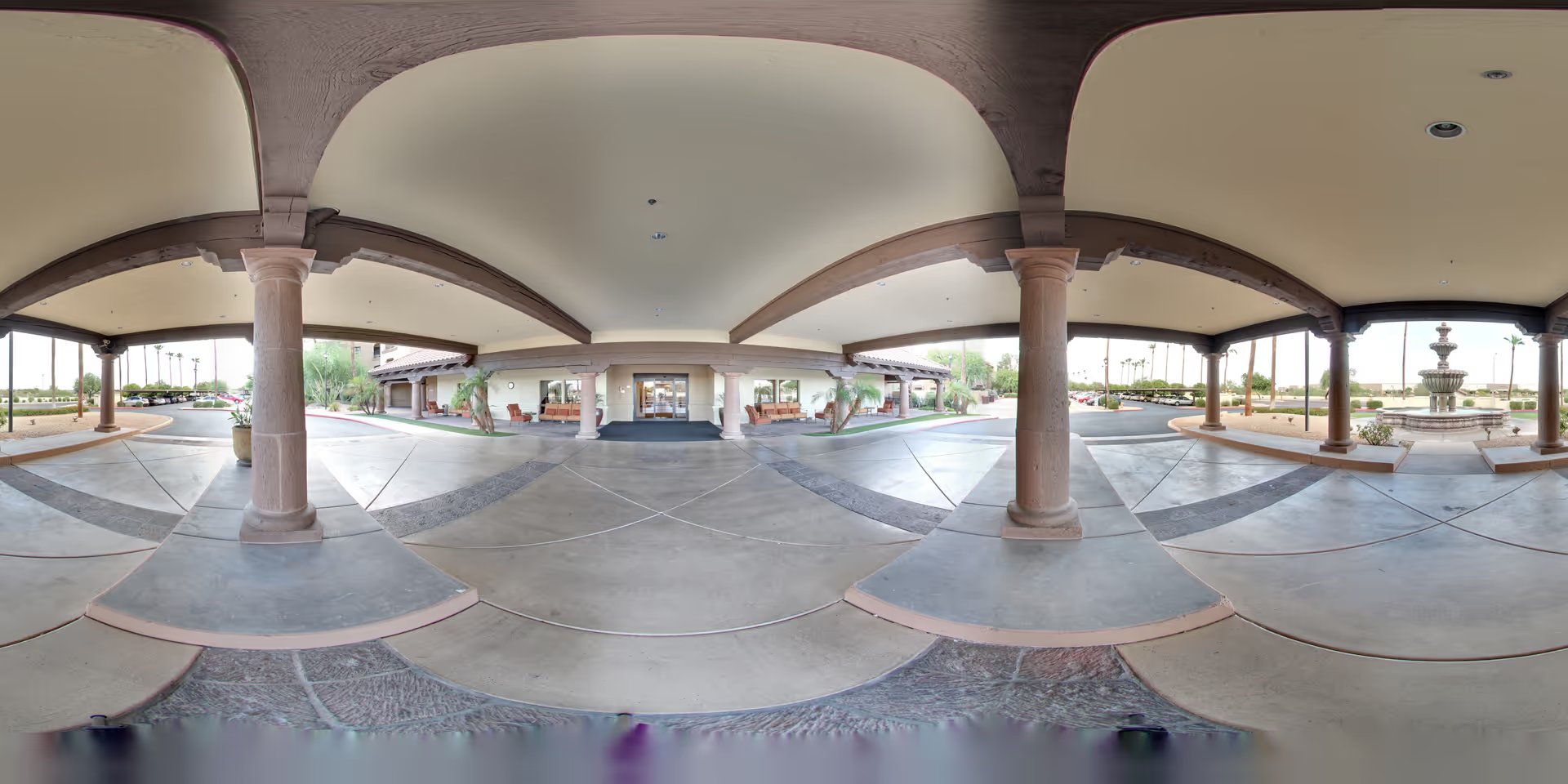
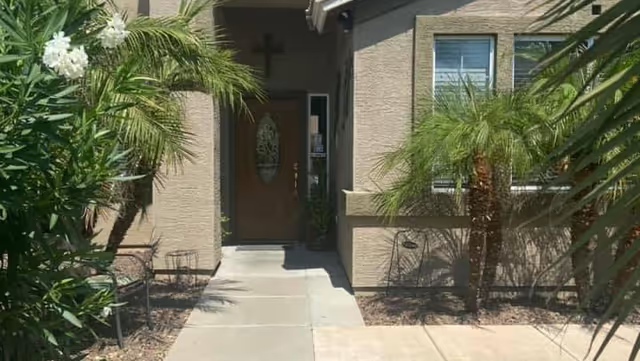
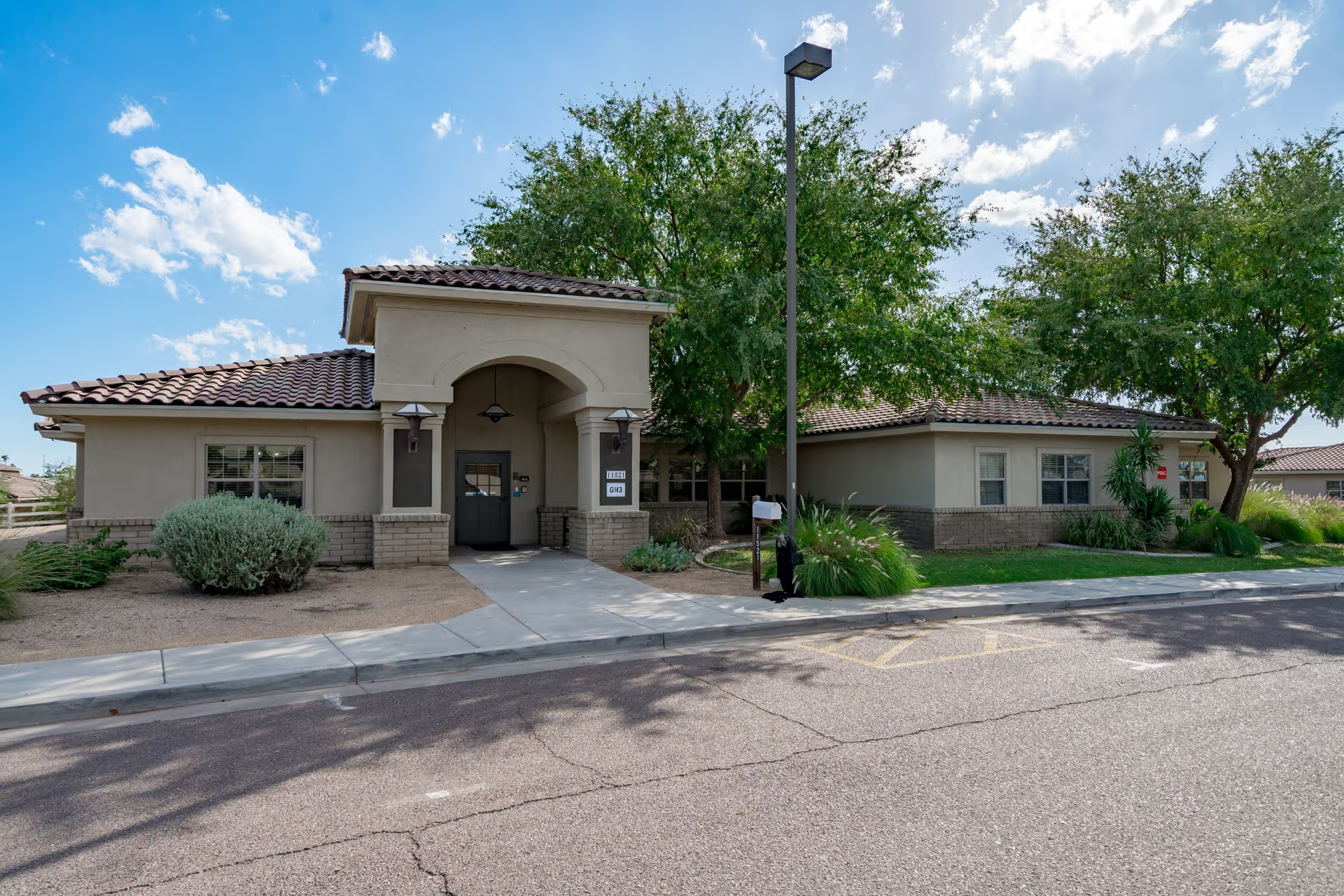
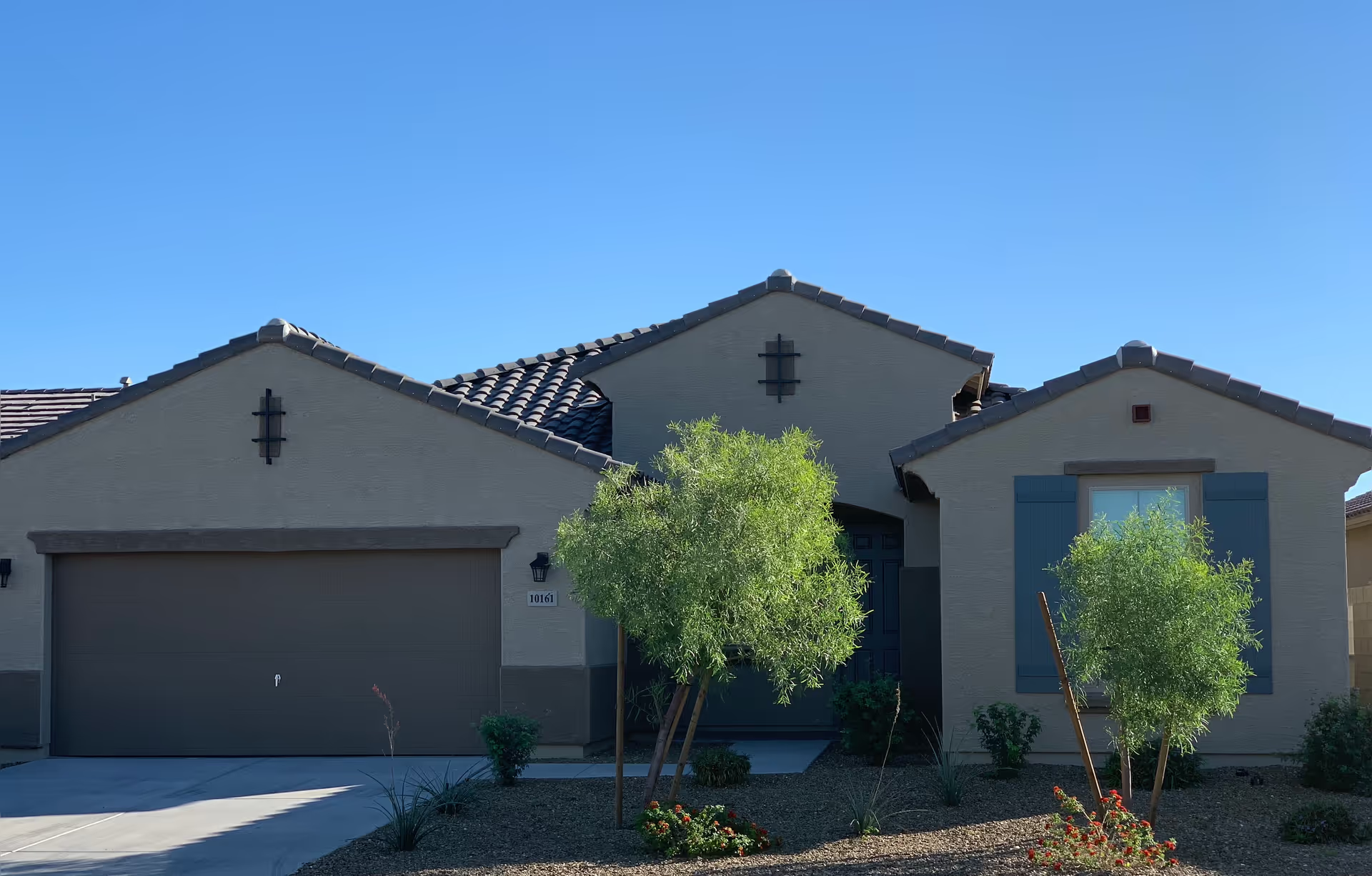
Overall impression: Royal Oaks—CCRC is described as an attractive, well-maintained campus with a broad range of housing and care options. Reviewers consistently note a clean environment, a variety of residence types (condos, cottages/small houses, and apartments), and on-campus access to multiple levels of care. The facility's physical amenities, including a large theater and well-appointed common areas, are frequently mentioned as positive features.
Care and staff: Reviewers portray staff as friendly and accommodating, and many describe a family-like atmosphere among residents. The presence of multiple levels of care on the same campus suggests the community can support transitions from independent to assisted living or higher-acuity needs. At the same time, there are notable concerns about staff conduct related to inclusivity; some reviewers raised allegations of discriminatory behavior and described an unwelcoming experience for residents of diverse backgrounds. These critiques point to potential gaps in cultural-sensitivity practices and staff training that prospective residents and families should explore directly with management.
Dining: Dining is consistently cited as a strength. Several reviewers praised the food quality and described the dining experience positively. Given the community's emphasis on amenity-driven living, dining appears to be an important component of resident satisfaction.
Activities and community life: Activity programming is characterized as robust, with many options available and a sizable theater space that supports performances and large-group events. Reviewers describe residents as happy and welcoming within the existing community culture; however, the noted lack of demographic diversity may affect how inclusive those activities feel to newcomers from different backgrounds.
Facilities and cost: The campus is repeatedly described as beautiful and clean, with well-maintained grounds and interiors. The community operates with a sizable entrance-fee model; the large buy-in and overall cost were cited as primary drawbacks. Prospective residents should treat cost as a central consideration and ask for clear explanations of entrance fees, monthly fees, and what services are included.
Management and notable patterns: Overall, the dominant themes are strong amenities, active programming, and positive dining and housekeeping standards, balanced against a high price point and concerns about inclusivity. For families and prospective residents, recommended due diligence includes asking management about diversity and inclusion policies, staff cultural-sensitivity training, resident demographic mix, and written details of the financial model (entrance fee, refundability, and ongoing charges). Those satisfied with the community’s culture and able to meet the financial requirements are likely to find a well-maintained, activity-rich environment; those for whom diversity and inclusive staff practices are a priority should raise those questions early in the tour and contract process.