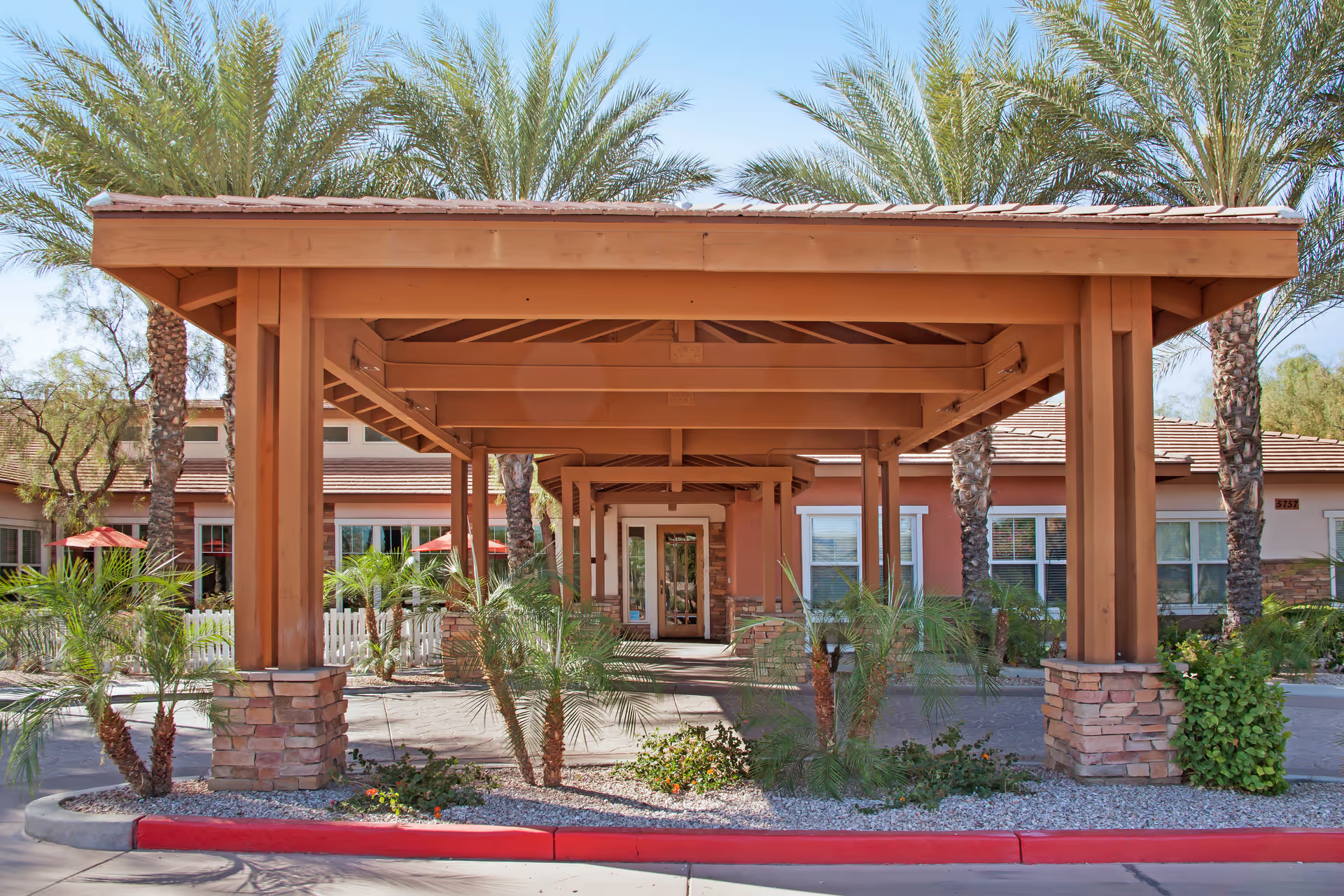
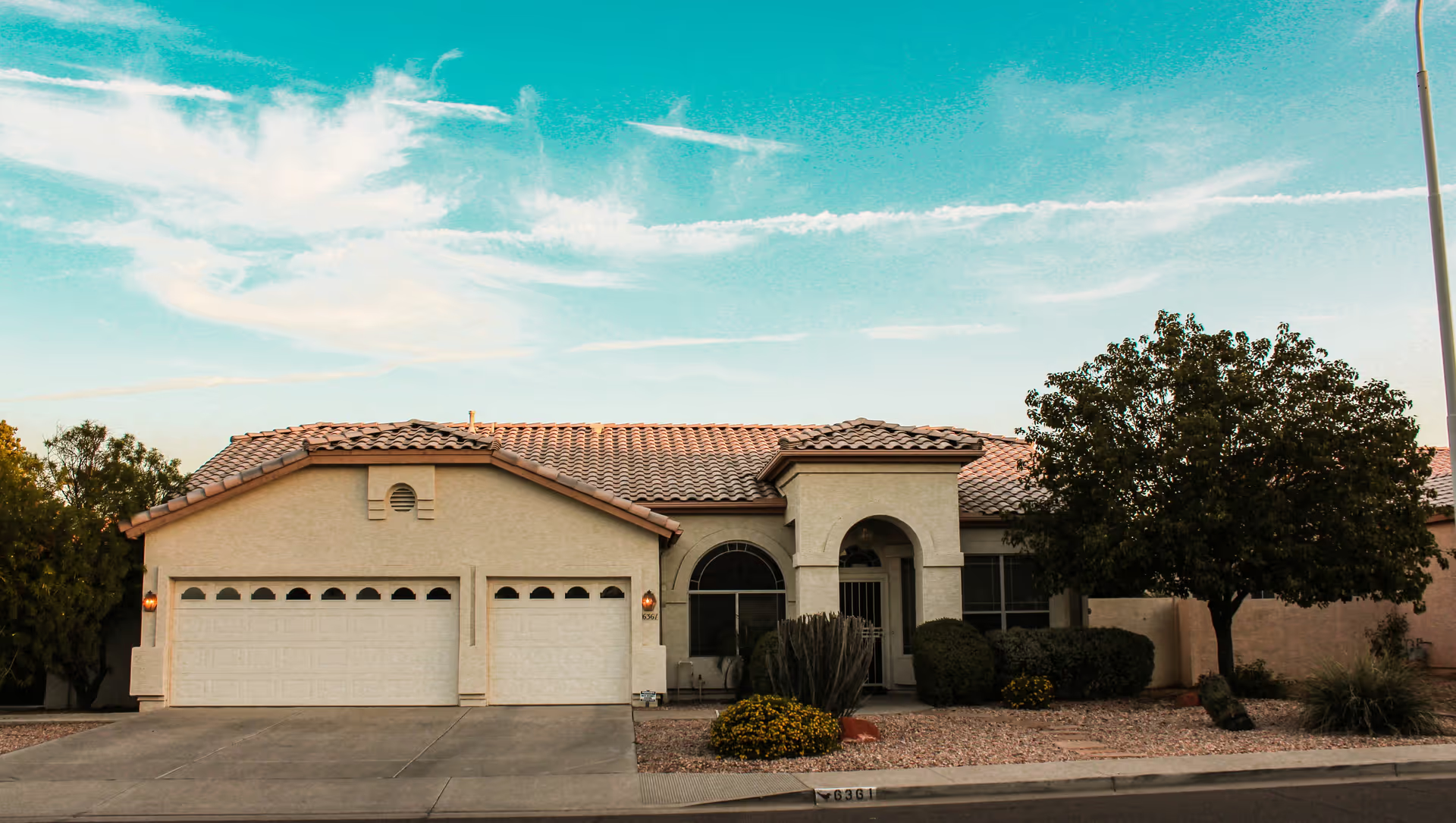
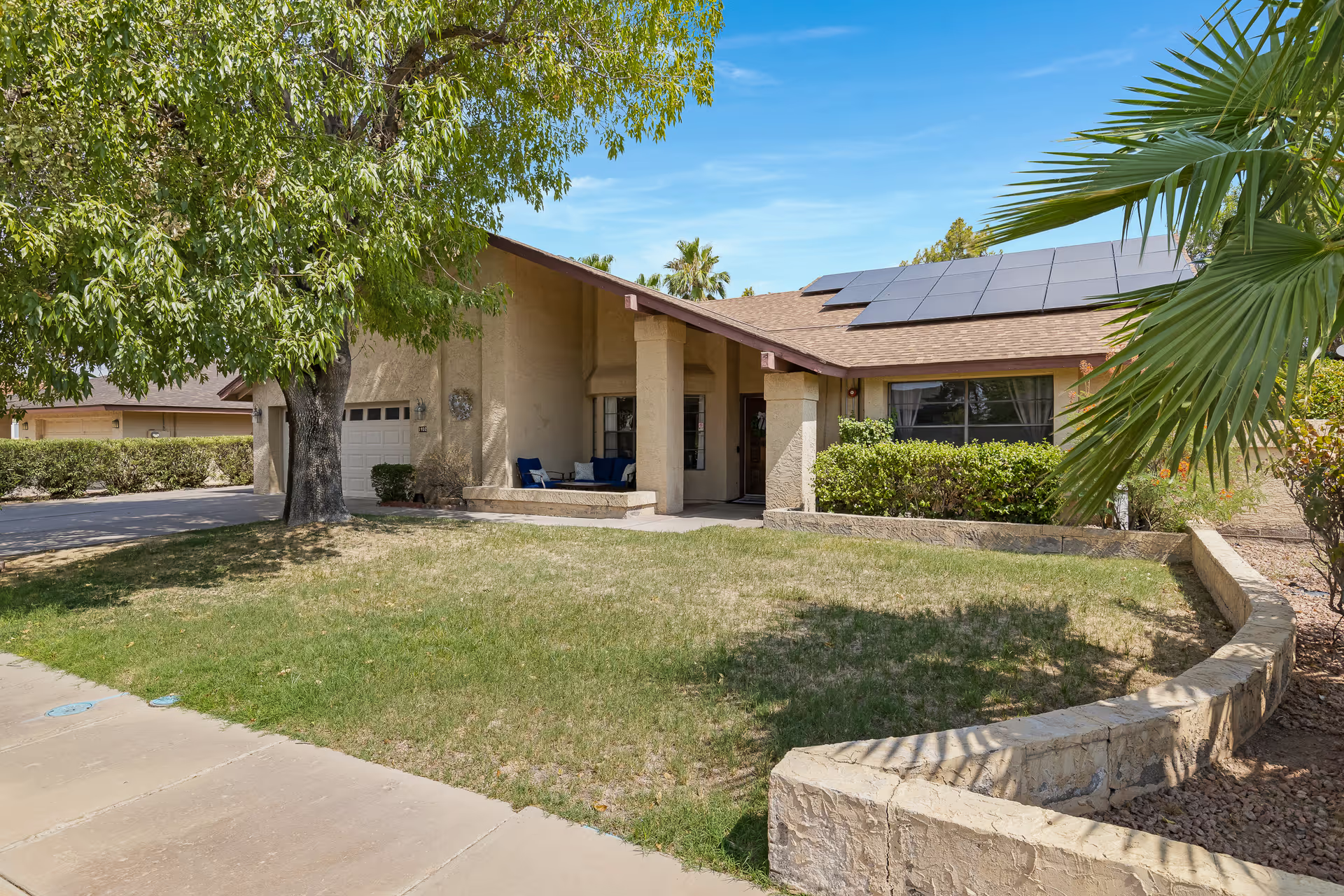
The Enclave at Chandler presents a mixed profile: it is a newer, well‑appointed community with substantial amenities and an active social program, yet recurring operational and management concerns appear across multiple reviews. Strengths commonly cited include warm, attentive caregiving staff, an engaged activities team, modern apartments (many with in‑unit washer/dryer and kitchen options), and a range of on‑site amenities such as a pool, salon, theater, and fitness spaces. Families frequently describe positive social engagement, organized classes (yoga, strength and balance), music and holiday programming, and helpful concierge/front‑desk interactions.
Care quality feedback is polarized. Many families praise individual caregivers, nurses, and med‑techs for responsiveness, coordination with outside clinicians, and attentive end‑of‑life support. At the same time, others report inconsistent assistance with routine personal care (bathing, oral hygiene, mobility support) and gaps in attention that appear linked to staffing levels and training. Memory‑care experiences are similarly mixed: some accounts describe an engaged memory‑care manager and staff who participate in activities with residents, while other accounts describe deterioration in care continuity after leadership or staffing changes. Several reviewers noted the impact of pandemic isolation on resident well‑being and dining experience.
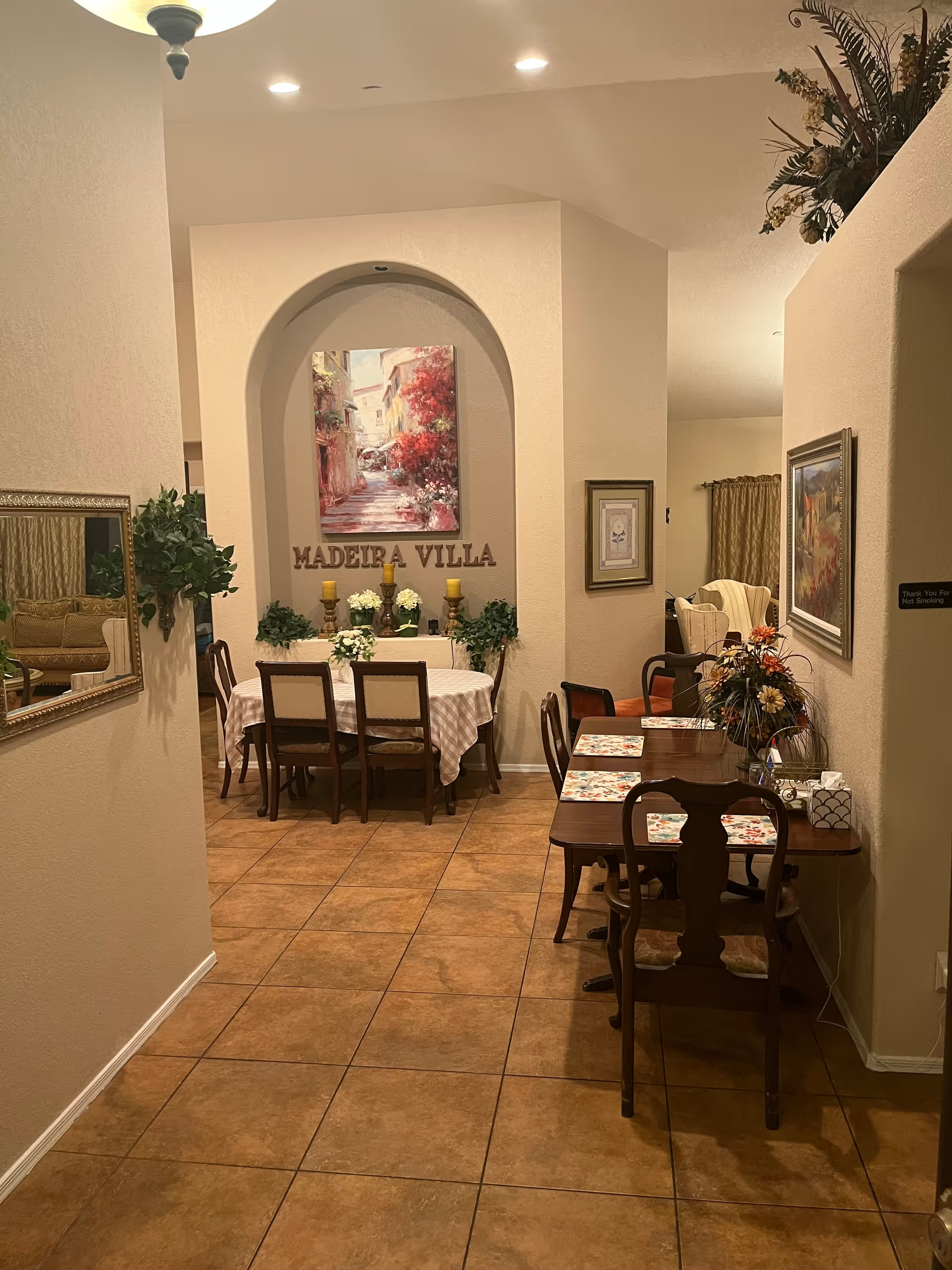
Dining is another highly variable area. Some residents and families find the food well‑balanced and enjoyable, with meal plans that meet expectations. Conversely, there are repeated complaints about undercooked or cold meals, reheated/packaged preparations, inconsistent portions and variety, and difficulty accommodating restricted diets. Kitchen leadership turnover and dining staffing shortages are cited as contributors to inconsistent meal service and menu execution.
Programming and activities are frequently highlighted as a strong point when the activity team is staffed and stable: card games, outings, exercise classes, music events, crafts, and themed socials are commonly mentioned. However, continuity problems occur when the activity director role is vacant or during periods of staff turnover, which can leave the schedule uneven and reduce opportunities for engagement.
Facility and maintenance impressions are mostly positive regarding the building, finishes, and public spaces; many reviewers emphasize cleanliness and modern design. That said, housekeeping and laundry processes are described as inconsistent in some instances (linen replacements, missing items, and delayed housekeeping follow‑up). A few families expressed concern about front‑desk sign‑in and visitor control, indicating opportunities to strengthen access‑control procedures.
Management and administrative issues are a consistent theme. Reviews indicate frequent leadership turnover, uneven communication with families, and perceived limits on on‑site decision‑making. Financial concerns include opaque billing practices, back‑charges for higher levels of care, retained deposits or delayed refunds, and limited or no participation in Medicaid — all of which have led to frustration for some families. Several reviews describe difficulties getting timely corporate responses or resolution of operational issues, contributing to a perception that financial considerations sometimes take precedence over local operational fixes.
Overall, The Enclave at Chandler is viewed as a desirable physical community with many staff members who are caring and engaged, alongside a robust activities program and attractive amenities. Prospective residents and families should weigh those strengths against evidence of staffing instability, dining inconsistency, housekeeping variability, and administrative/billing opacity. Recommended areas to clarify during a visit or contract negotiation include current staffing ratios and turnover, kitchen leadership and sample menus, specific housekeeping and laundry protocols, Medicaid acceptance and billing policies, visitor/access controls, and written policies on deposits and notice periods. Direct observation of mealtime service and an in‑person meeting with the memory‑care manager and activity director can help assess whether the current operational environment matches the community’s physical attributes and the family’s expectations.