Azalea Assisted Living is consistently described by families as a small, home-style assisted living residence with a strong emphasis on personalized, compassionate care. Reviewers emphasize attentive caregivers who provide needs-based support around the clock, and they highlight the presence of clinical leadership—owner-level nursing involvement and nurse practitioner oversight—which contributes to close medical supervision and frequent family communication. Many families attribute positive outcomes such as recovery, return home, or dignified end-of-life care to the facility's individualized approach.
Staffing and team culture are recurring positive themes. Reviewers note low staff turnover, a warm, family-like atmosphere, and strong camaraderie among caregivers and managers. Communication with families is described as regular and informative, including direct updates and photo-sharing, and social-worker involvement and hospice guidance are noted as available when needed. These elements combine to create a sense of emotional support and peace of mind for relatives managing illness, recovery, or end-of-life transitions.
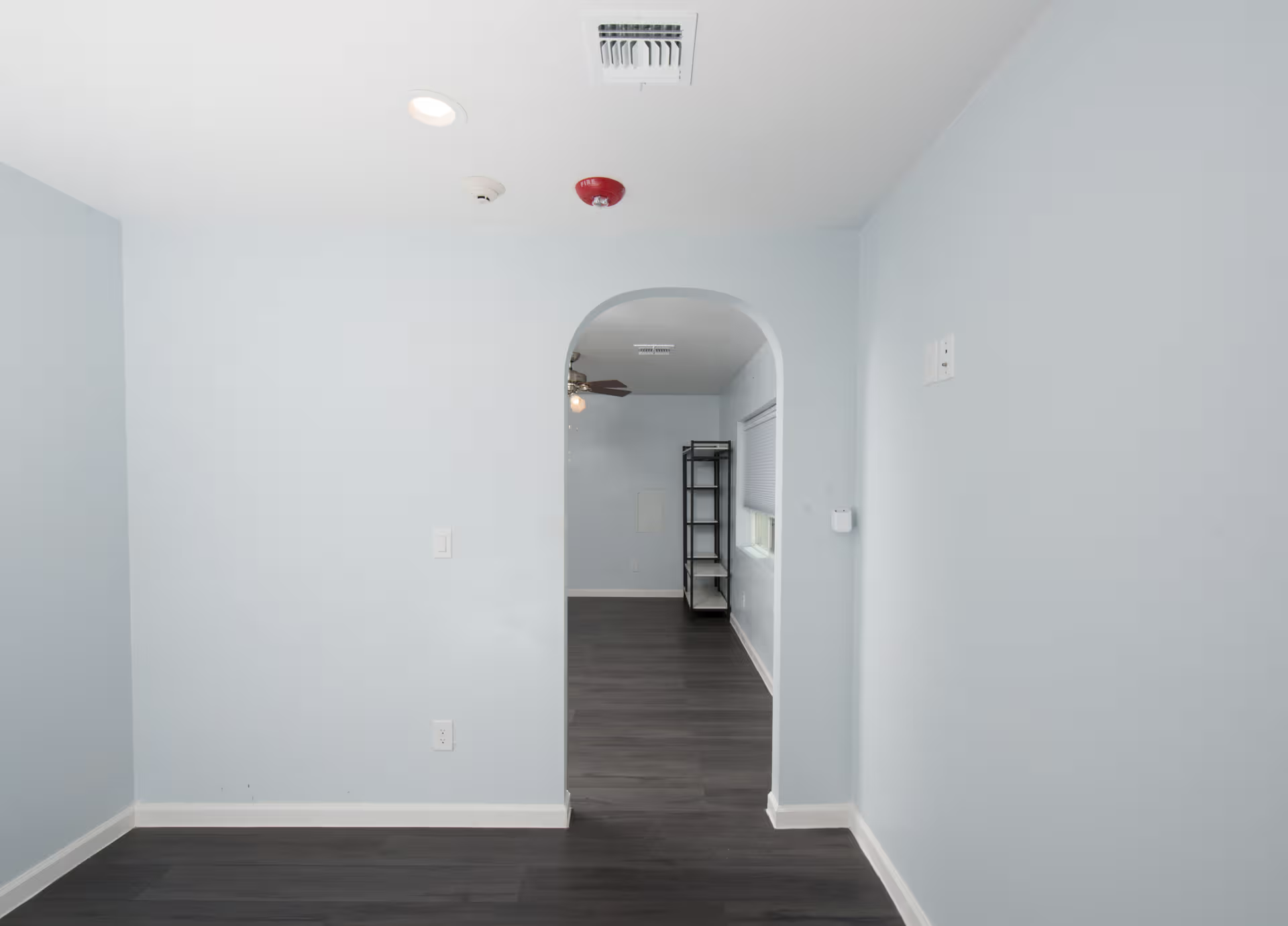
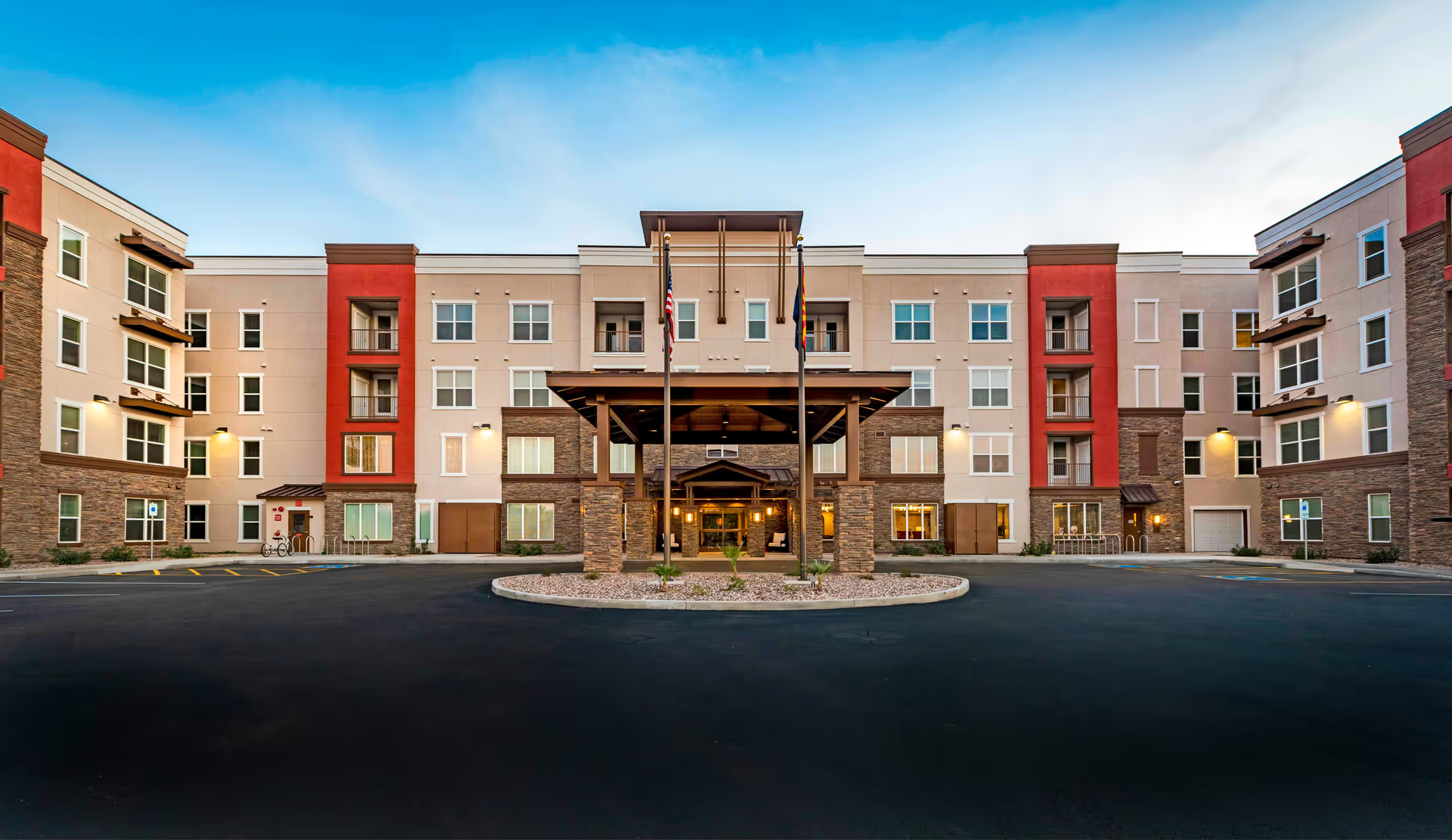
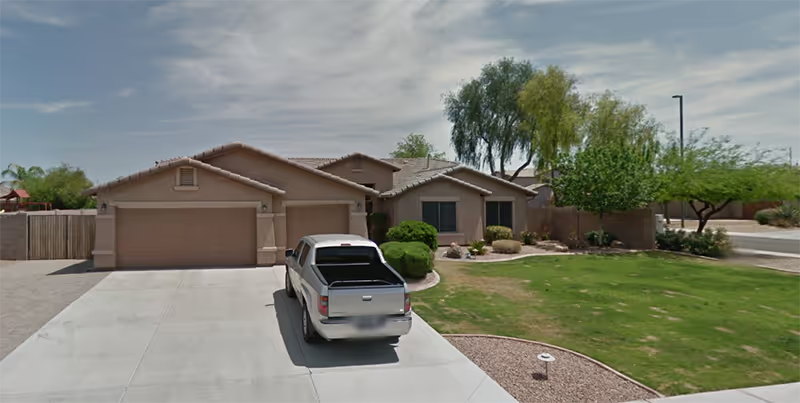
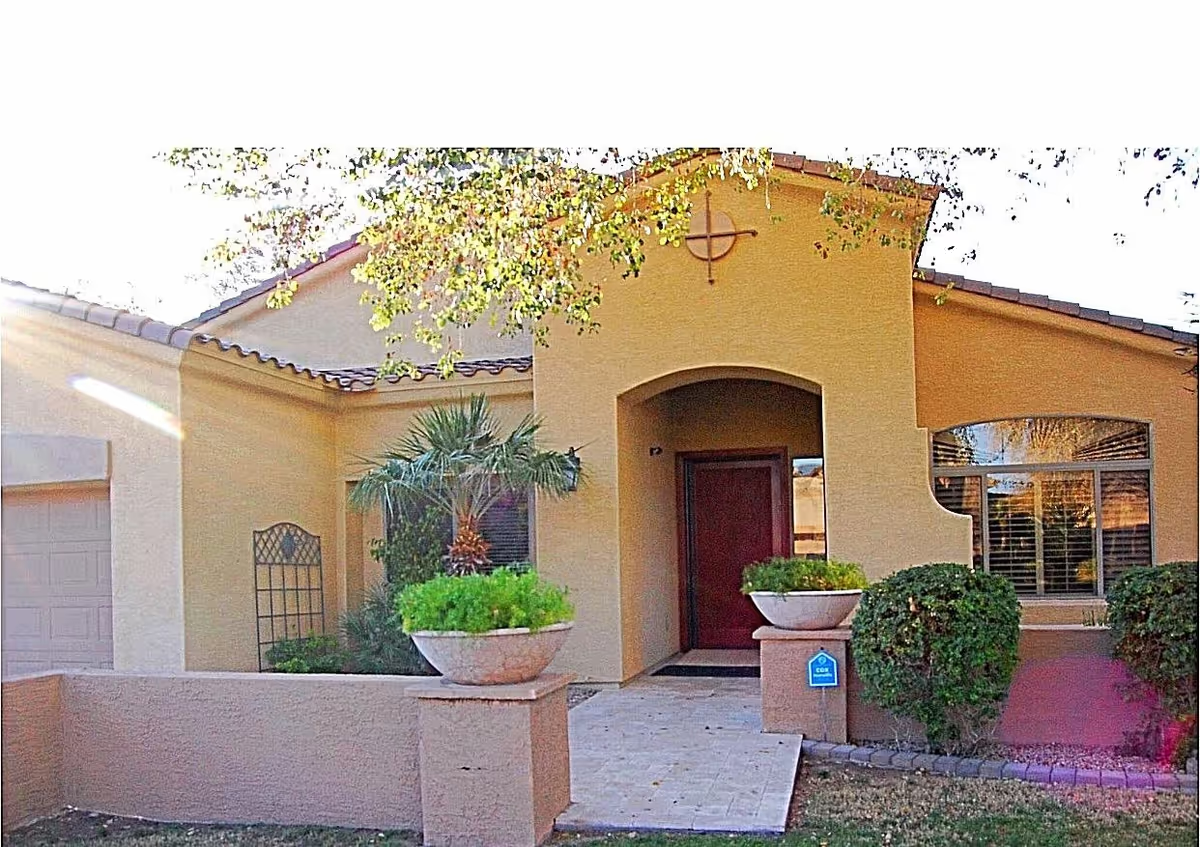
Dining, activities, and the physical setting are presented as strengths. The facility is described as clean and well-maintained with a homelike ambiance. Meals are characterized as fresh and home-cooked, often tailored to senior needs, and staff arrange celebrations and social activities—birthdays, music, and other resident-centered events—that reinforce the welcoming culture. Visitors are encouraged, and the home-style setting is repeatedly praised for feeling safe and comfortable.
Notable patterns and practical considerations: the combination of a small scale and personalized care appears to be central to Azalea's model. That model is attractive for families seeking close relationships with caregivers and individualized attention, but it also implies operational limits typical of smaller assisted living homes. Prospective residents with higher-acuity or complex, continuous medical needs should confirm the facility's specific clinical capabilities and transfer protocols. Families may also want to ask about contingency plans for staff turnover or prolonged absences of key caregivers, and about the availability of on-site therapy or formal rehabilitation services compared with larger communities.
Overall, Azalea presents as a residential assisted living option that prioritizes compassionate, relationship-driven care, clear family communication, and a homelike environment. For those whose needs align with assisted living-level support and value a smaller, community-oriented setting, the facility appears well suited; for individuals requiring frequent high-acuity medical interventions or extensive formal therapy, families should verify clinical scope and escalation pathways during their tour and intake discussions.