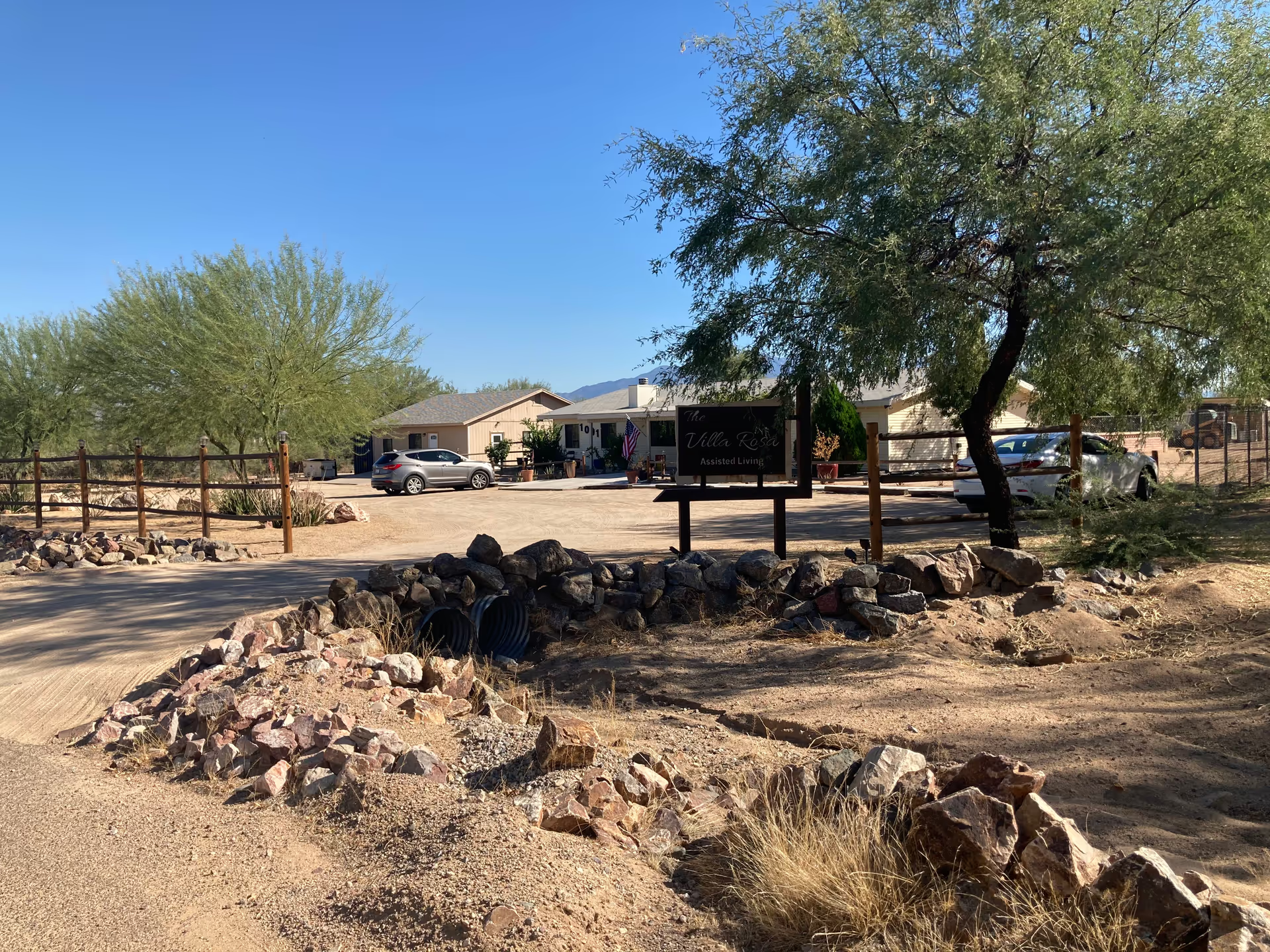
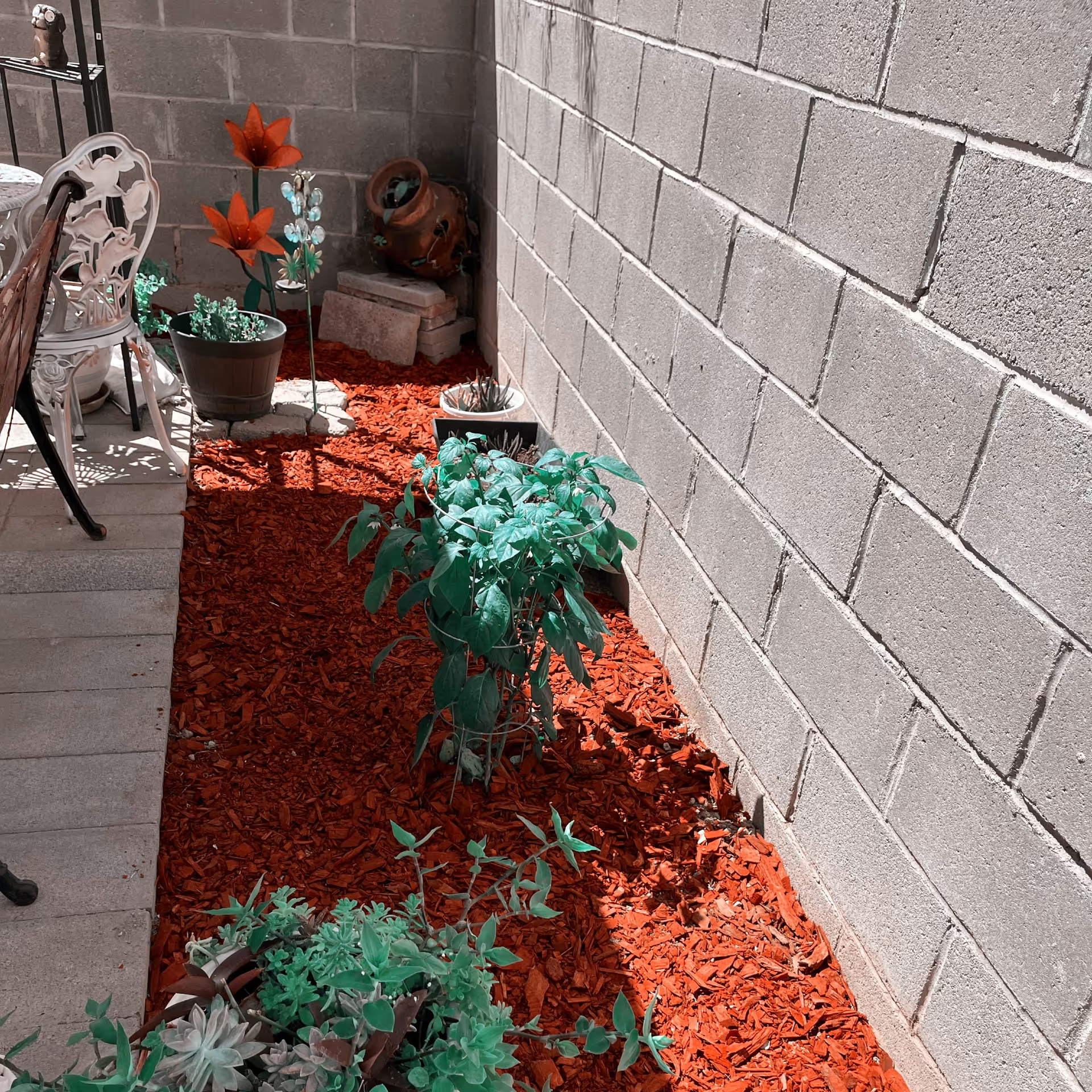
Canyon Valley Memory Care Residence is described predominantly as a small, home-like memory care setting with strong emphasis on person-centered daily life and social engagement. Families commonly praise the facility for its compassionate, attentive staff and an activity program that is broad, creative, and tailored to cognitive levels — examples include gardening and art projects, dog therapy, music-based activities, regular bus outings, and community events. Leadership within the activities program is frequently singled out for enthusiasm and creativity, and reviewers attribute measurable improvements in resident mood, participation, and appetite to the programming.
Clinical and nursing supports are notable features. The community provides integrated services including a full-time RN, geriatric physician involvement, psychiatric coordination when needed, and documented collaboration with hospice. Many families describe medication administration and clinical coordination as seamless, and day-to-day personal care, hygiene assistance, and laundry/housekeeping services receive consistent positive mention. Communication with families is repeatedly described as frequent and accessible, with management portrayed as responsive to suggestions and prompt to address concerns.
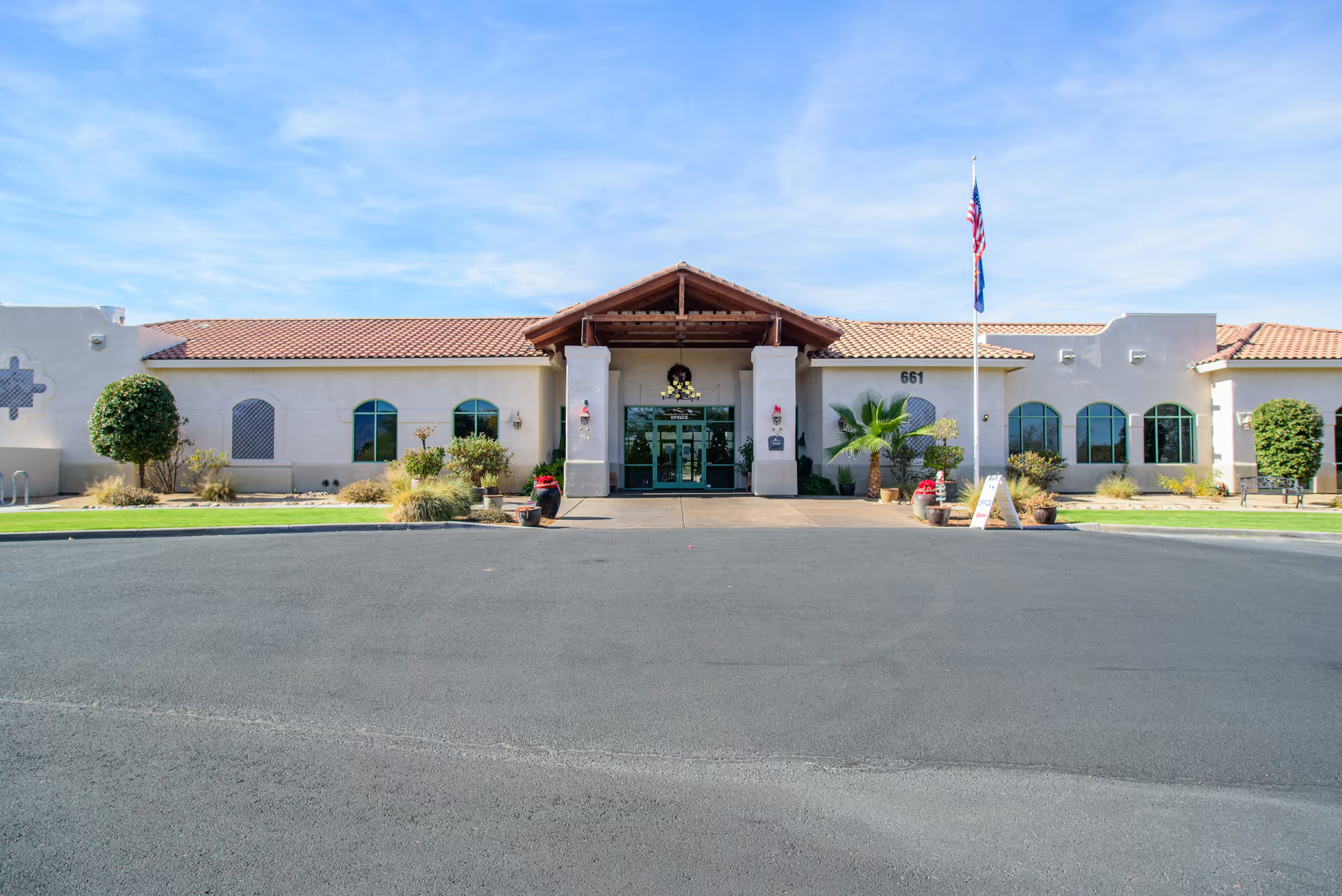
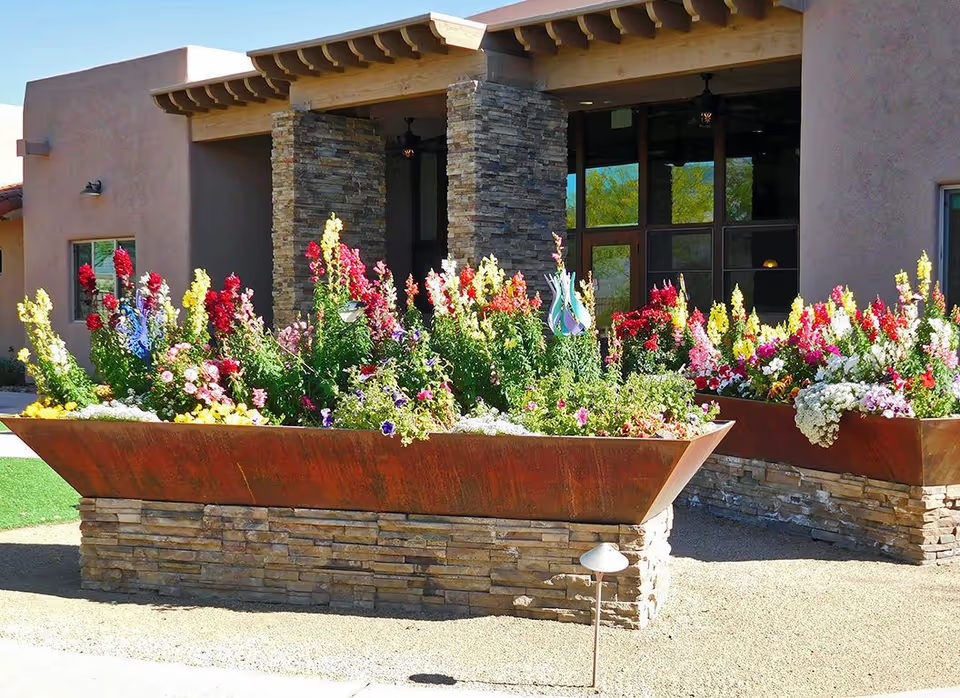
Dining and hospitality are standout areas: the kitchen and chef are described as preparing nutritious, attractive meals with restaurant-style presentation and variety. Dining is used as a social opportunity, and reviewers often note improved appetite and enjoyment of meals after placement. The physical environment is characterized as clean, well-maintained, and comfortable, with private rooms and baths in many units, large common areas, and outdoor courtyards that support socialization and recreation.
Management and community orientation are generally framed positively. Reviewers highlight a welcoming front desk, proactive activity coordination, and staff who engage residents in meaningful ways. The facility accepts Medicare, accommodates dogs, and is viewed by several families as offering good value compared with more expensive alternatives. There are also examples of the community supporting wider community needs and organizing themed events that foster resident involvement.
Notable patterns of concern appear in a minority of accounts. These include occasional staffing strain and long shifts, which can affect continuity and timeliness of care; administrative delays such as deposit/refund processing; and variability in room size and in-room amenities (for example, lack of an in-room landline). A few families raised concerns about caregiver qualifications or conduct and questioned the facility's capacity to safely manage residents with pronounced behavioral disturbances (paranoia or acting-out behaviors). These items suggest that fit should be carefully matched: Canyon Valley appears well suited to residents who benefit from a small, activity-rich, socially focused memory-care environment, but families of individuals with higher levels of behavioral complexity should verify clinical capabilities and staffing plans during the tour and admission process.
Overall, Canyon Valley projects a consistent identity as a compassionate, activity-driven memory care residence with strong dining, nursing coordination, and family communication. Prospective families should affirm staffing ratios, behavioral-care protocols, and administrative policies during the decision process to ensure alignment with the specific clinical and behavioral needs of their loved one.