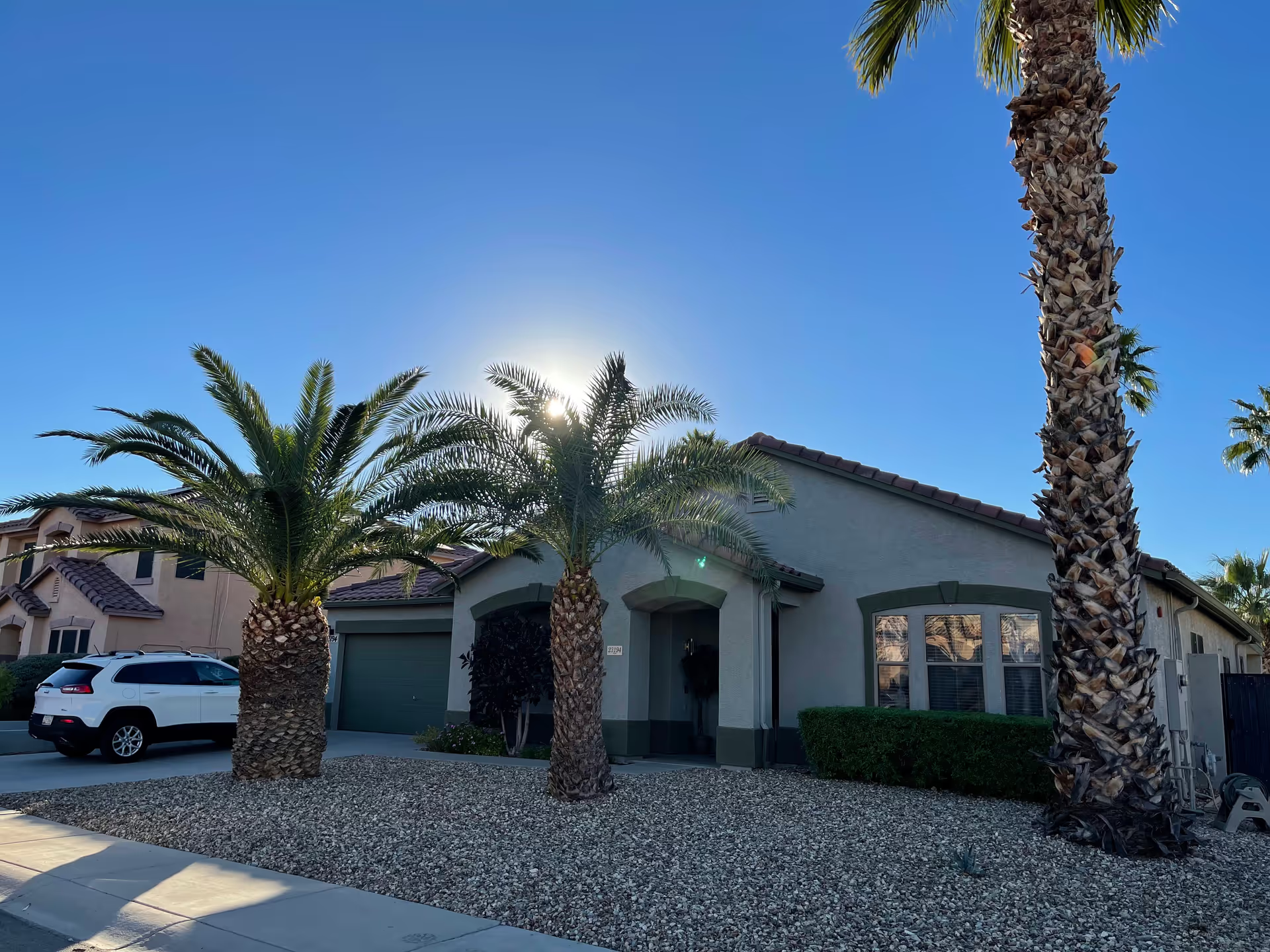
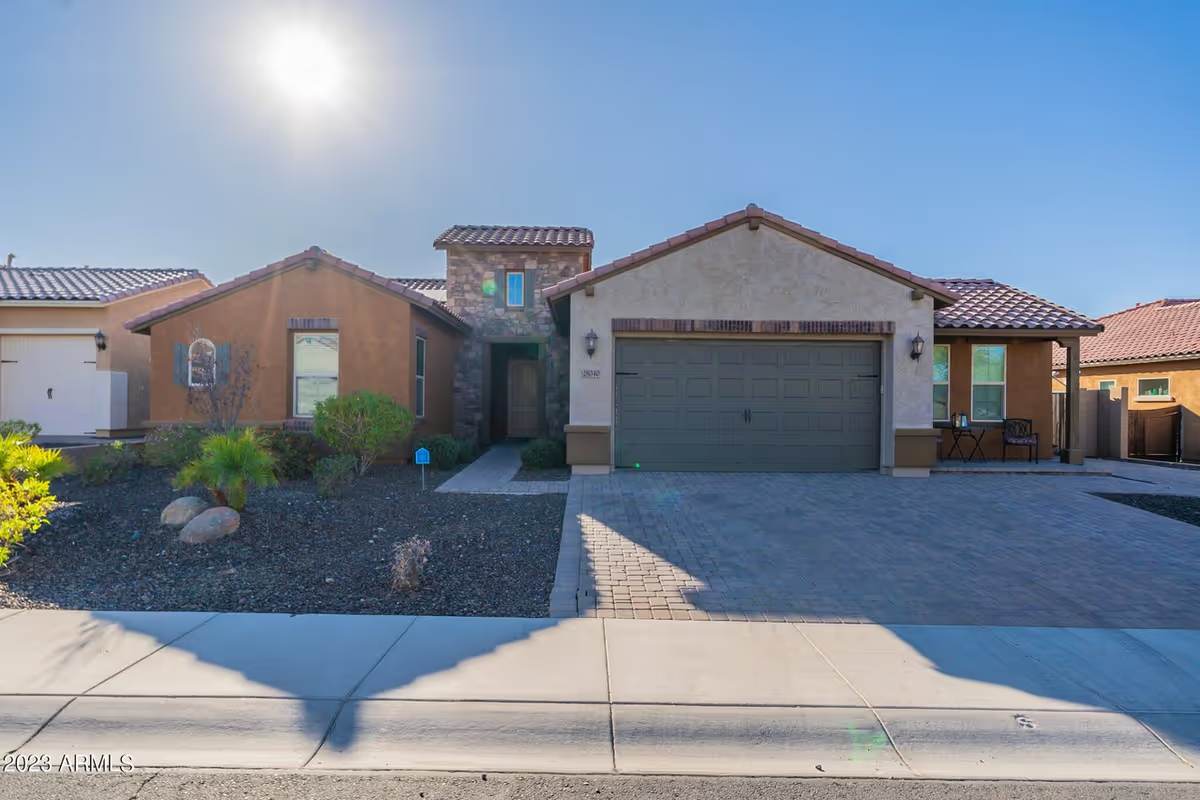
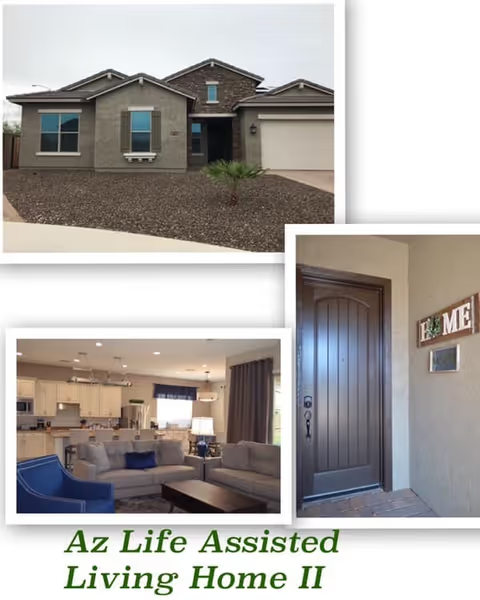
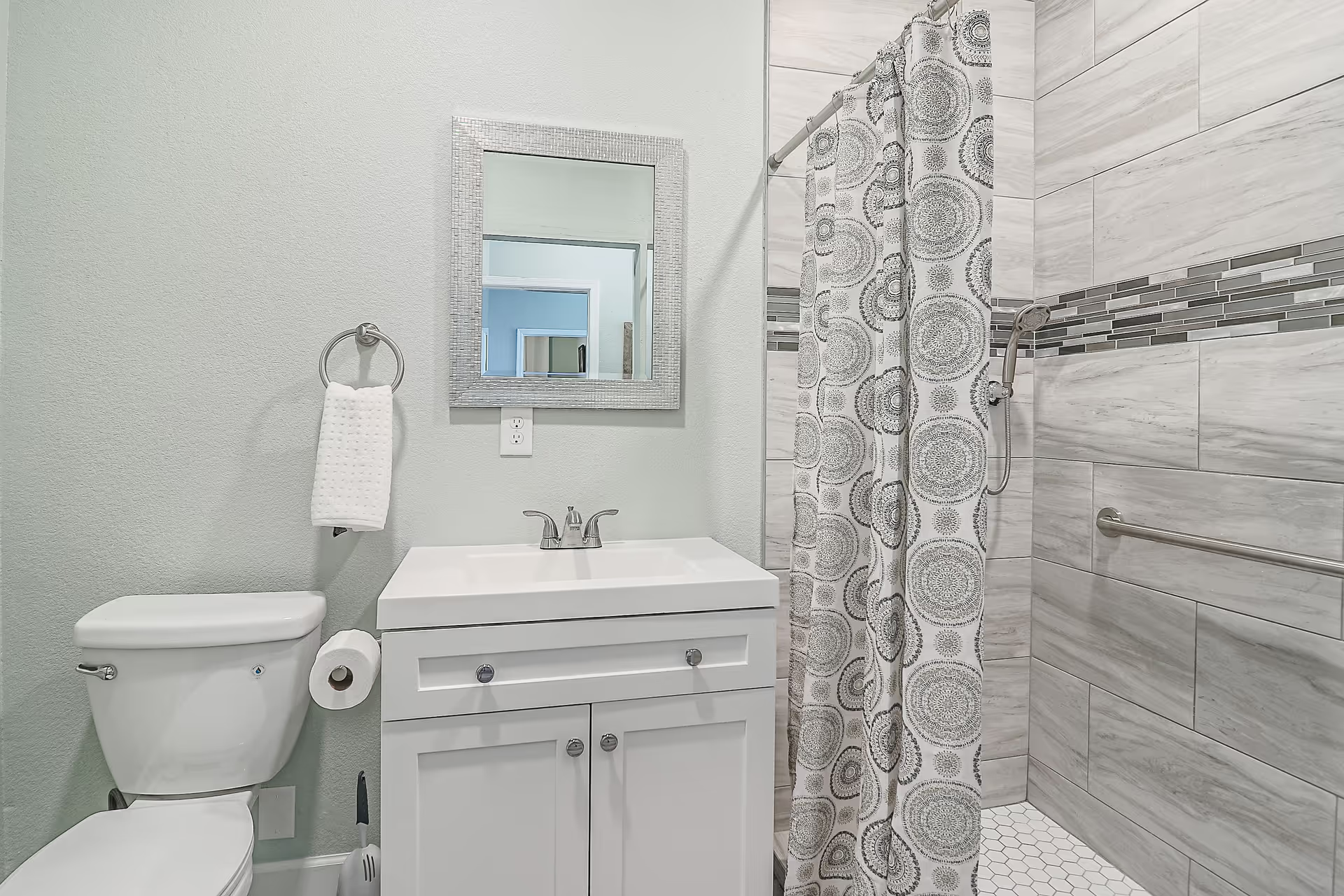
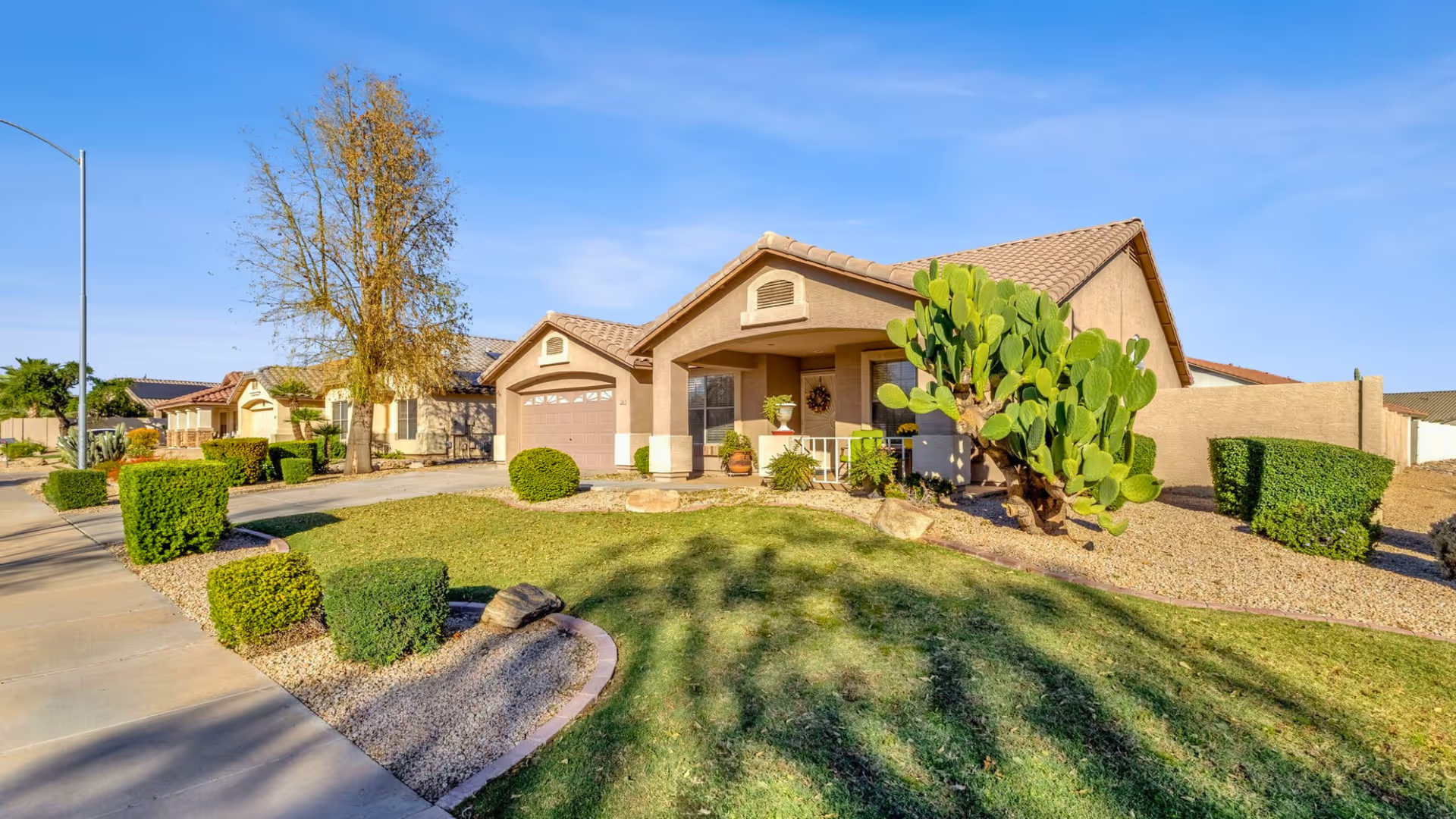
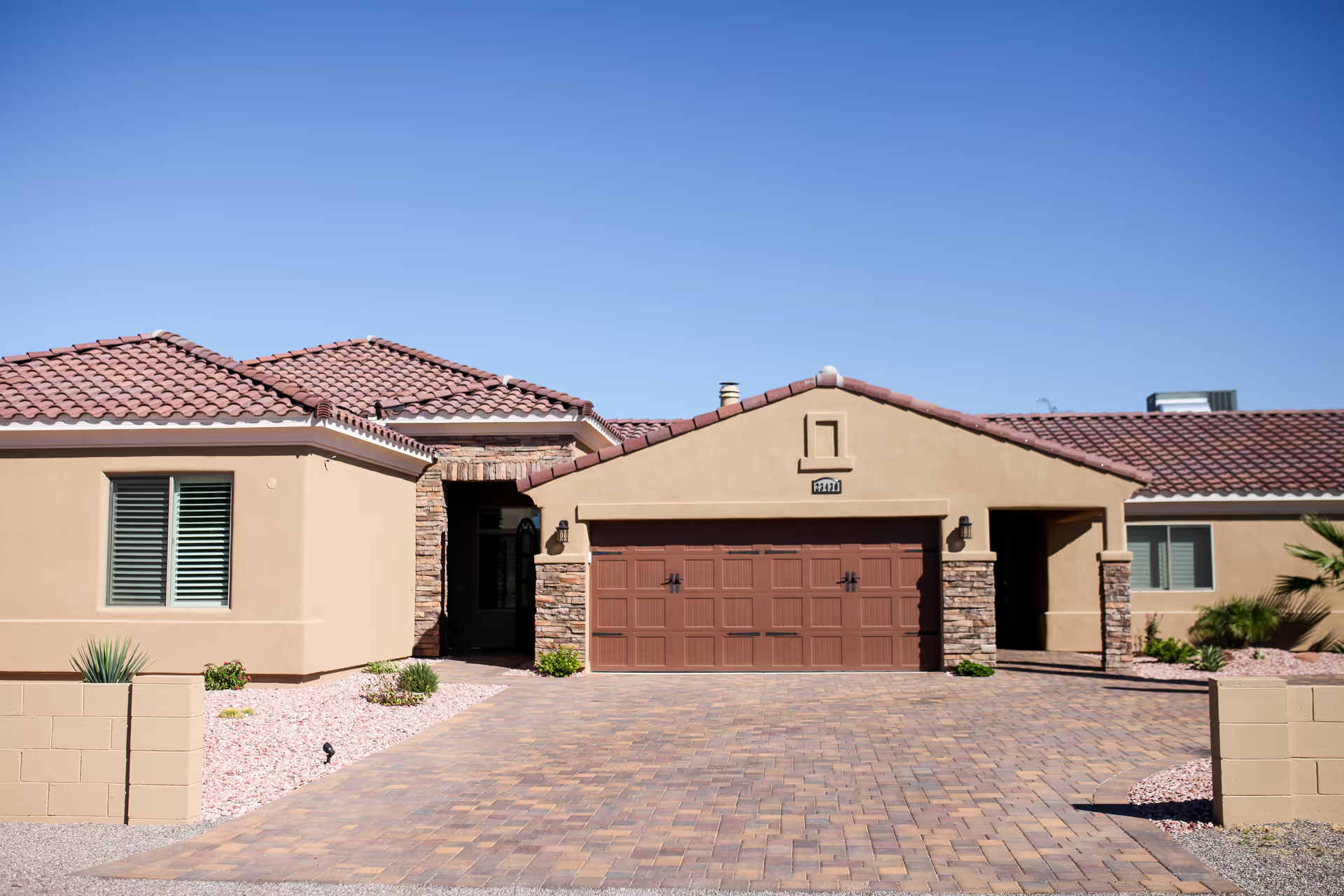
The reviews present Desert Joy Assisted Living as a small, residential-feeling community with consistently positive feedback about day-to-day caregiving, cleanliness, and family engagement. Families emphasize a welcoming, home-like environment, an open floor plan that supports visibility of caregivers, and well-kept indoor and outdoor spaces. The facility’s environment is described as dignified and safe, with seating and patio areas used for social interaction and pet-therapy visits that contribute to resident well-being.
Care and staffing are the most frequently highlighted strengths. Reviewers describe staff as compassionate, attentive, and respectful of resident dignity; caregiving is characterized as personalized and family-like. Staff responsiveness and support during acute events such as hospital visits are noted, as is the facility’s tendency to involve families in care. This pattern indicates a strong emphasis on relational continuity and direct caregiver–family communication.
Clinical and daily-life services receive positive mention: reviewers note nutritious meals, prompt attention to medical needs, and availability of in-home medical services. Recreational programming and social activities are described as engaging and supportive of resident quality of life. Privacy is balanced with visible caregiving in shared spaces, giving residents freedom of movement while maintaining oversight.
Management and operational patterns stand out in two ways. First, reviewers frequently identify particular staff and managers by name, which suggests that leadership is accessible and personally involved in resident care. That presence supports good family communication and logistical coordination. Second, because praise is concentrated around specific individuals and general residential strengths, there is limited information in these reviews about formalized specialized clinical programs (for example, dedicated memory-care tracks) or the facility’s capacity for high-acuity medical cases.
Taken together, the reviews depict Desert Joy as a well-maintained, relationship-oriented assisted living option with strong family communication, responsive caregiving, and engaging daily programming. Prospective families should verify current clinical capabilities, staffing contingency plans, and specialized-program options if their loved one requires more intensive medical or memory-care services. The pattern of strong personal relationships with named staff is an operational asset but also a potential vulnerability if key personnel change; confirming institutional protocols and backup staffing arrangements is advisable.