Feedback about care is mixed, with especially different accounts of memory care. Many families describe compassionate, attentive staff who provide reassurance, notice changes in residents’ wellbeing, and support families through health challenges. One family also praised the team’s hospice support. Other families raised concerns about staffing consistency, dementia-specific knowledge, safety oversight, and the continuity of care. One family described concerns about medication management and the response to safety needs; these accounts contrast with families who report positive care experiences.
Staff warmth is a recurring strength. Residents and visitors are described as welcomed by friendly employees, and some families say staff know residents’ preferences and communicate when they seem unwell or withdrawn. At the same time, concerns about turnover, leadership changes, management responsiveness, and access to information from direct-care staff appear in critical accounts. These differences suggest that family experience may vary across care areas and over time.
Dining is often praised, including for food quality, attentive service, and staff familiarity with residents’ preferences. However, one family said meals were difficult for a resident to manage, so dining accessibility may warrant specific questions for people with cognitive or physical support needs. Activities are another area with contrasting feedback: families describe games, music, and social events as enjoyable and inclusive, while one family found that scheduled activities were not consistently delivered and that its relative spent too much time in her room.
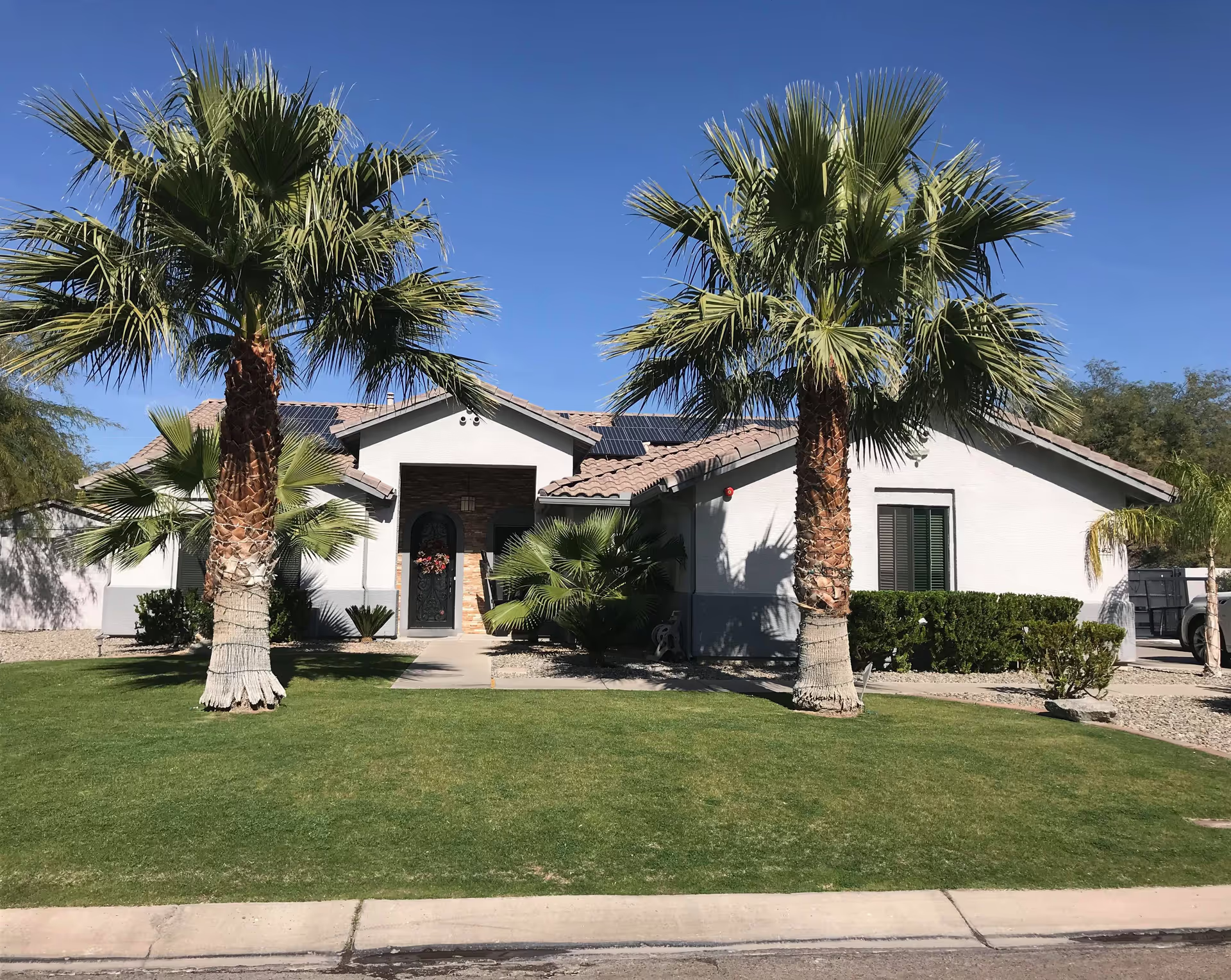
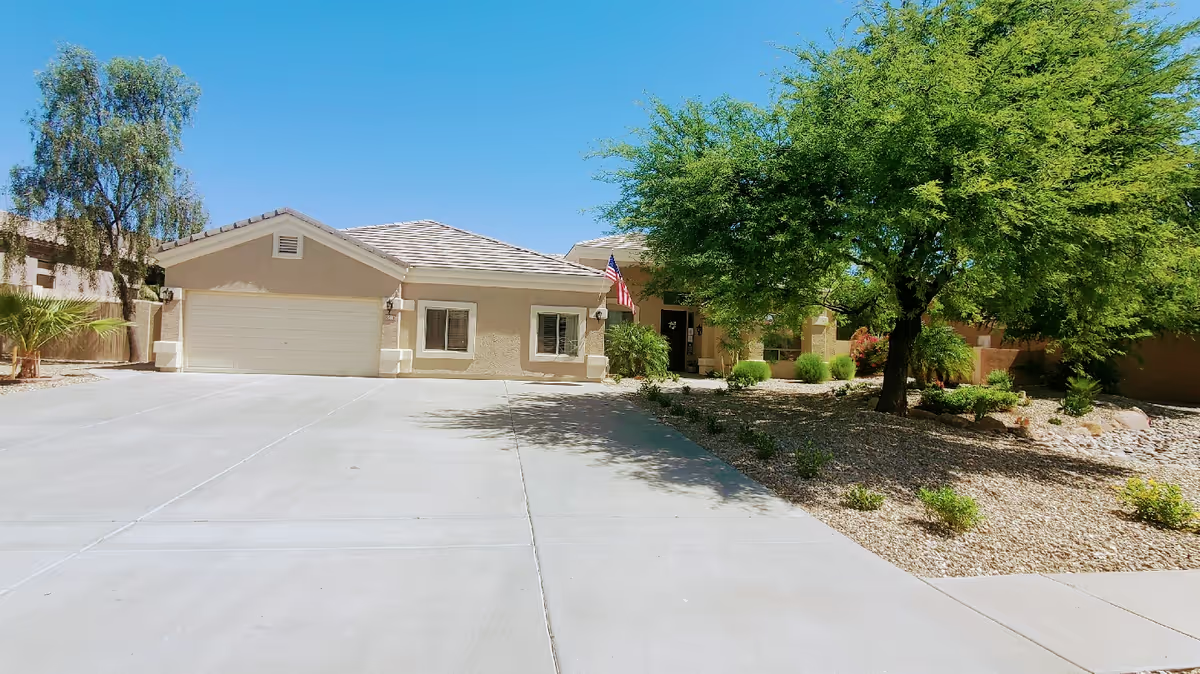
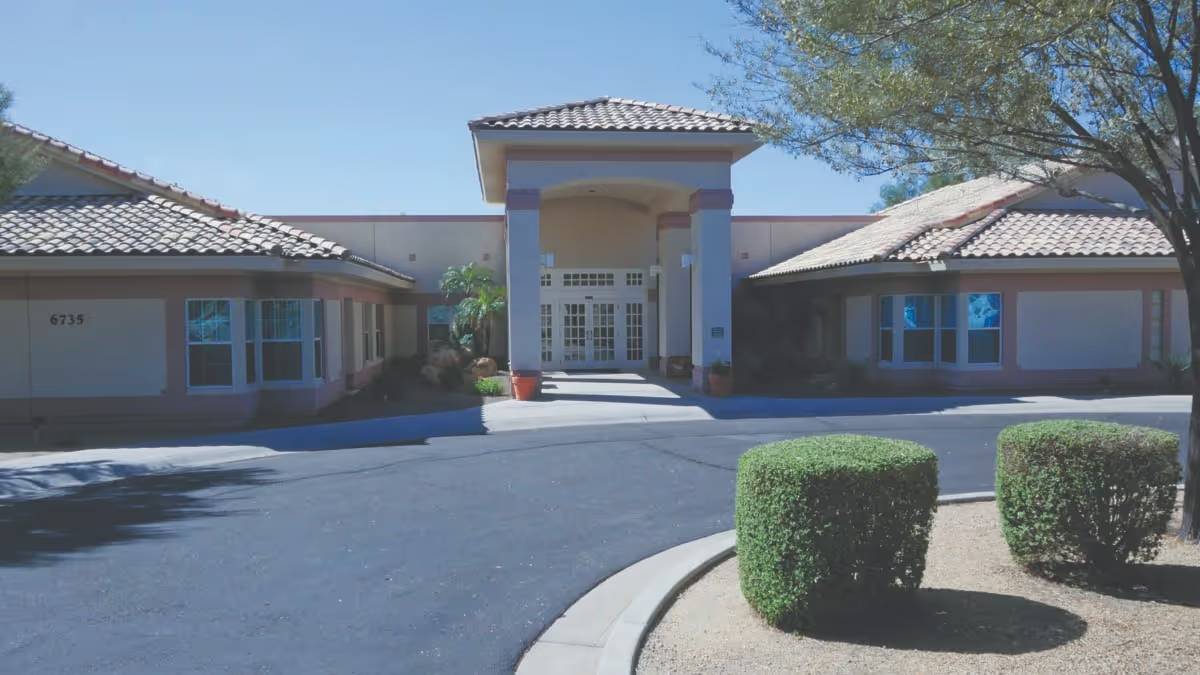
The community is frequently described as attractive, clean, and welcoming, with comfortable apartments and appealing views. Room-cleaning frequency was a concern for one family. Reviews also mention helpful, unhurried tours and caregiver training classes. Cost is a consideration: one family found the community reasonably priced relative to alternatives, while others noted substantial increases when care needs changed and concerns about long-term affordability. Prospective residents may benefit from asking about current staffing and leadership, memory-care routines and safety practices, activity schedules, communication with families, room-cleaning frequency, meal accommodations, and how pricing changes as care needs increase.