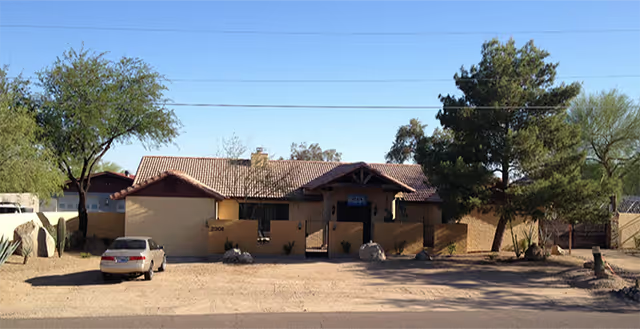
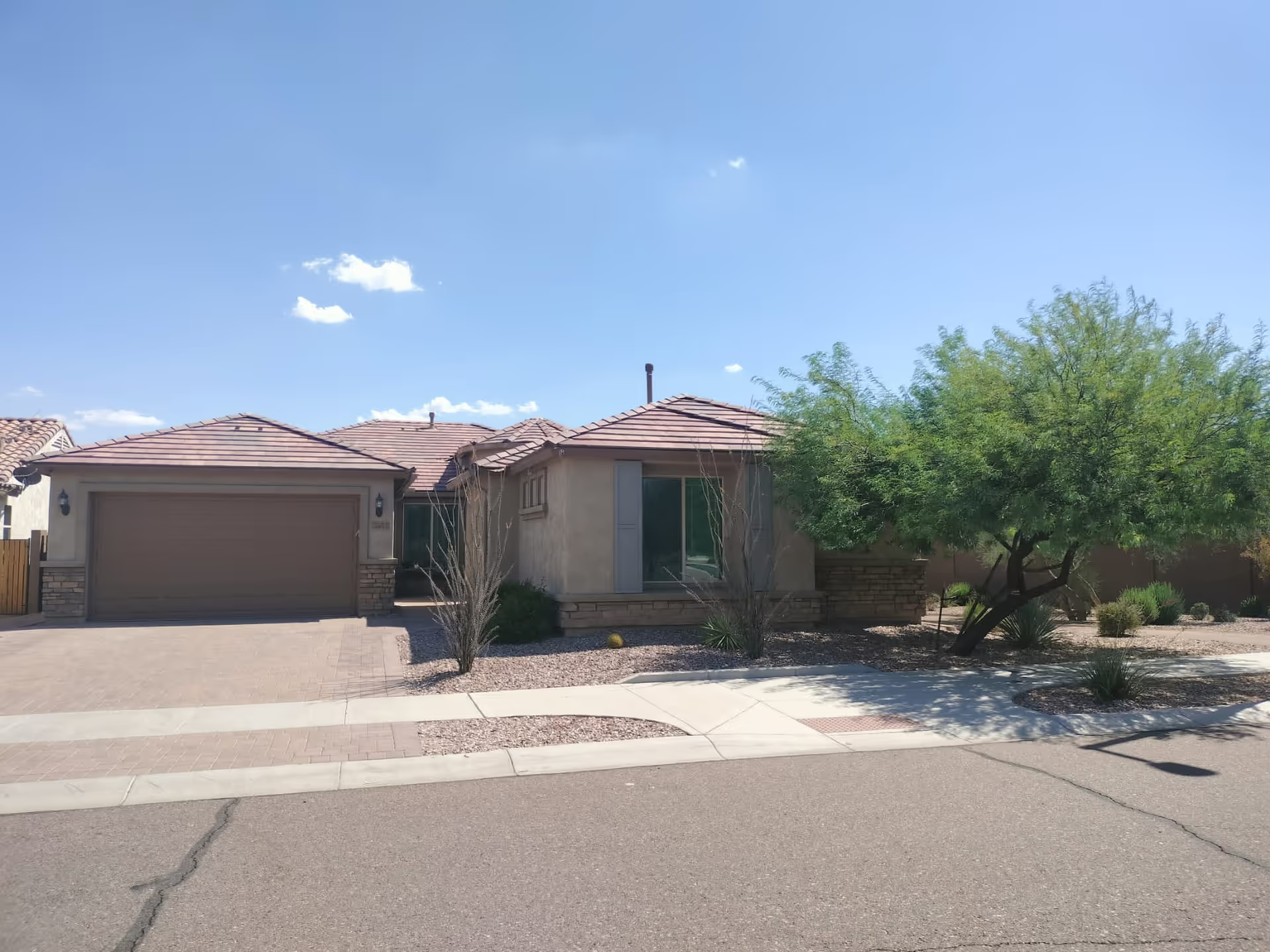
A Touch of Desert Class presents itself as a medically focused residential setting with capabilities beyond a typical care home. The facility appears equipped to manage high-acuity needs — reviewers reference intravenous therapies, feeding tubes, tracheostomies, ventilator care, obesity- and behavior-related supports, and on-site psychiatric and medical providers. Several families praise the facility’s capacity to deliver end-of-life and complex medical care, and note private rooms, a well-kept interior and an overall attractive environment.
Care-quality accounts are mixed. Positive accounts describe attentive, compassionate staff and a family-like atmosphere; these reviewers emphasize cleanliness and consistent personal care. Conversely, more critical accounts raise concerns about clinical follow-through, particularly around nutrition monitoring and the timeliness of assistance. These critiques suggest variability in day-to-day clinical operations rather than a uniform standard of care.
Staffing is a recurring theme. While individual caregivers are often characterized as caring and friendly, there are consistent references to insufficient staffing levels and high staff-to-resident ratios that can lead to delays in attending to resident needs. Reviewers also point to management and communication issues during admissions or transitions, which can exacerbate adjustment challenges for new residents and families.
Dining and nutrition-related issues merit attention: descriptions suggest gaps in monitoring meal intake and providing adequate mealtime assistance for residents with higher dependency. Activities are described as different from standard care-home programming; some families see the program as more medically oriented and less activity-focused, while others find the approach acceptable. Transition and adjustment difficulties were also noted for some residents.
Facility-level impressions are similarly mixed. Many reviewers describe the physical space as attractive and clean, while others raise sanitation and odor concerns in specific areas. There are also references to regulatory scrutiny or legal vulnerabilities, which suggest the importance of reviewing inspection records and any corrective actions as part of due diligence.
Notable patterns: reviews are polarized — some families report very positive, medically competent, and compassionate care, while others describe operational weaknesses tied to staffing, nutrition monitoring, and management communication. Prospective families should verify current staffing ratios, care-plan oversight practices, nutrition-monitoring protocols, recent inspection or regulatory history, and obtain direct references. An in-person visit focused on mealtime, medication administration, staff responsiveness, and transition-support processes would help clarify whether the facility’s medical strengths are matched by consistent operational execution.