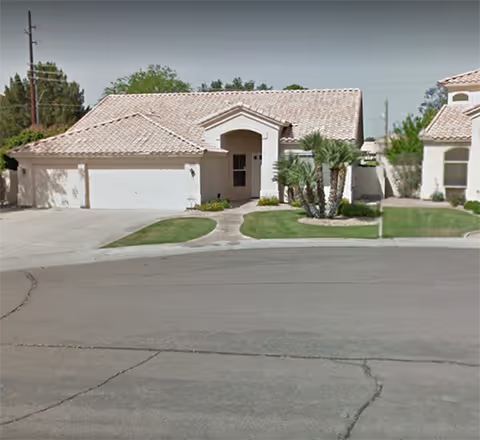
Feedback on Ahwatukee Post Acute is mixed, with a clear polarization between strong praise for frontline caregivers and rehabilitation outcomes and serious operational concerns that affect some residents. Many families and patients describe compassionate, hands‑on nursing and caregiver interactions, effective physical and occupational therapy, and measurable rehab successes that led to home discharge. Reviewers often cite a warm, family‑style culture, engaging activities, helpful admissions staff, and visible improvements after recent management changes.
Clinical care descriptions are mixed. Positive comments emphasize knowledgeable therapy teams, attentive nursing, effective pain control, and proactive medication management. Counterbalancing these are recurrent concerns about inconsistent staffing levels, delayed responses to call lights or medication needs, and variability in staff competence between shifts. Several accounts describe longer wait times for care or assistance and instances where families felt clinical follow‑up from leadership was inadequate. These patterns suggest that care quality may be strong at times but uneven depending on staffing and shift coverage.
Dining and nutrition receive both favorable and critical comments. Some reviewers call the food nutritious and well‑prepared; others report that meals did not consistently match dietary preferences, that protein options were limited, and that food temperature and serving continuity were concerns. There are notes that dietitians sometimes intervene to accommodate preferences, but families should verify dietary planning and meal accommodations during the admissions process.
Facilities and daily life aspects likewise vary. Many reviews describe clean, comfortable rooms, a pleasant facility, and active programming that supports social engagement. At the same time, a number of reviewers raised sanitation and odor concerns in specific areas and described inconsistent attention to dressing and toileting assistance; these should be framed as incontinence‑care or hygiene and dressing assistance inconsistencies rather than isolated language used in some reports. Activity offerings and social programming are generally viewed positively and supportive of resident well‑being.
Operational and management themes recur. Several reviewers reported confusion during admissions (room readiness and check‑in processes), delays returning personal property or clothing, and instances where promised compensation or follow‑up was not completed. Some families found administrators difficult to reach or experienced slow resolution of complaints, while others noted visible, positive changes under new leadership. An objective data point to consider: the facility has a low Medicare quality rating (1‑star), which some families cited as a concern to investigate further.
Overall, the facility shows strengths in compassionate caregiving, therapy and rehab services, and social programming, with evidence of management efforts to improve. However, inconsistency in staffing, clinical responsiveness, sanitation in certain areas, dietary execution, property handling, and management follow‑up are recurring operational weaknesses. Prospective residents and families would benefit from an in‑person tour, targeted questions about current staffing ratios and shift coverage, confirmation of diet and allergy accommodations, review of therapy outcomes and timelines, and clear agreements on property handling and communication expectations before admission.