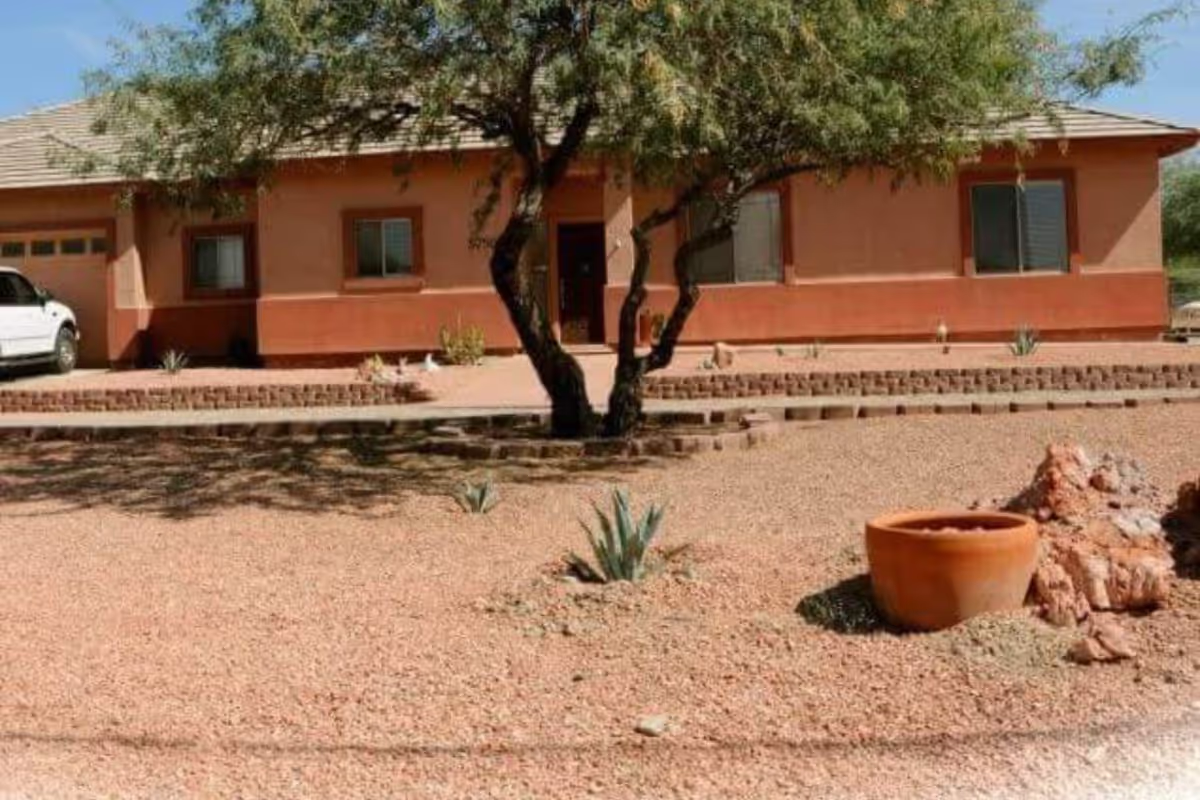
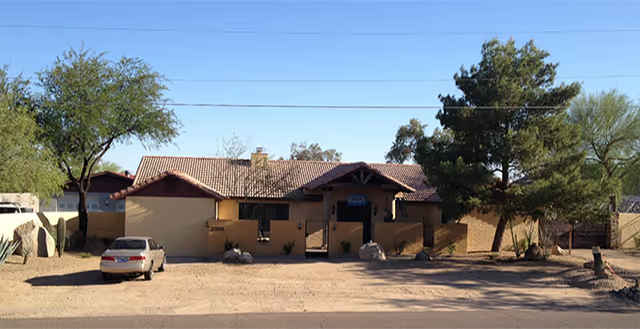
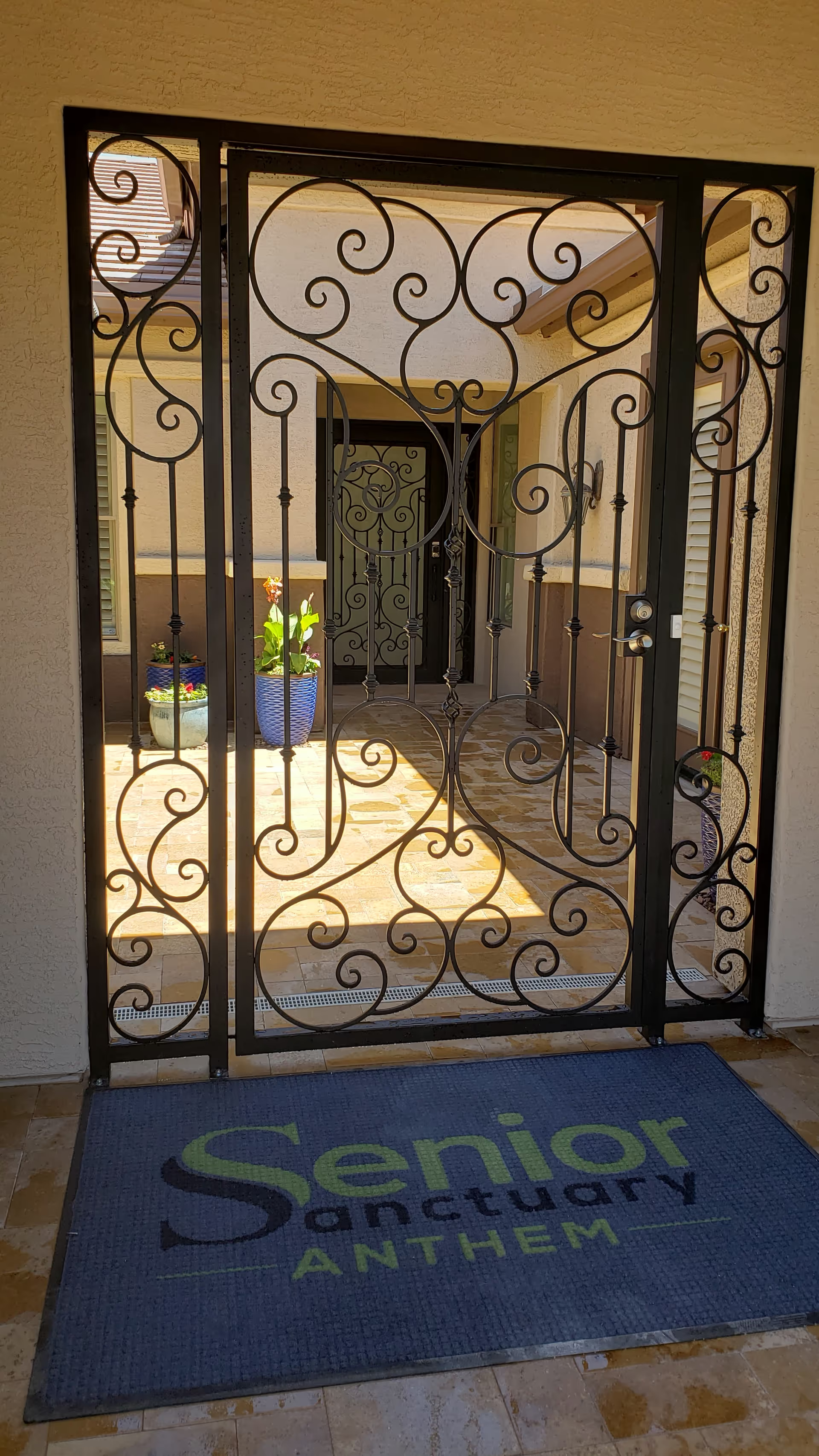
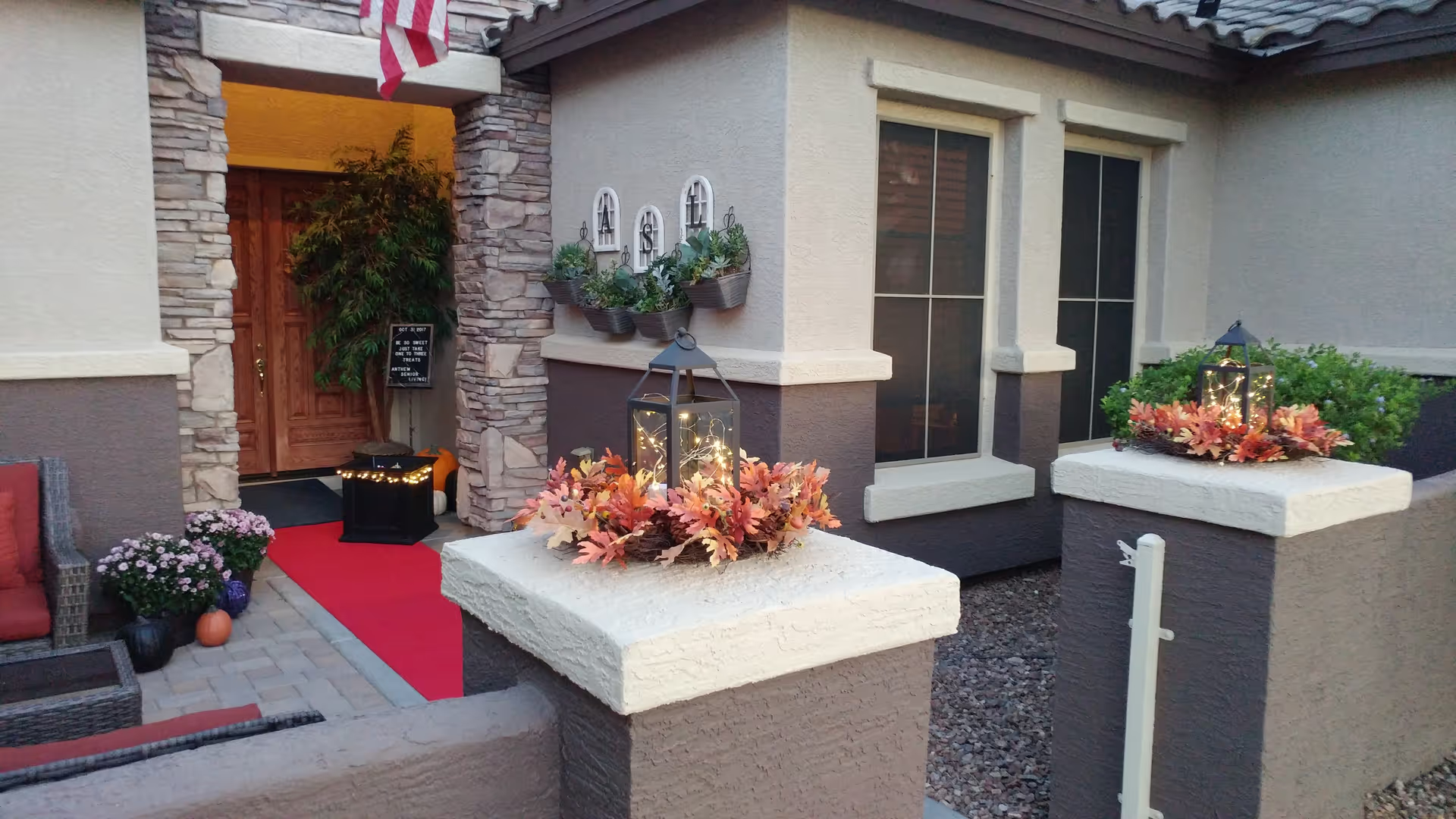
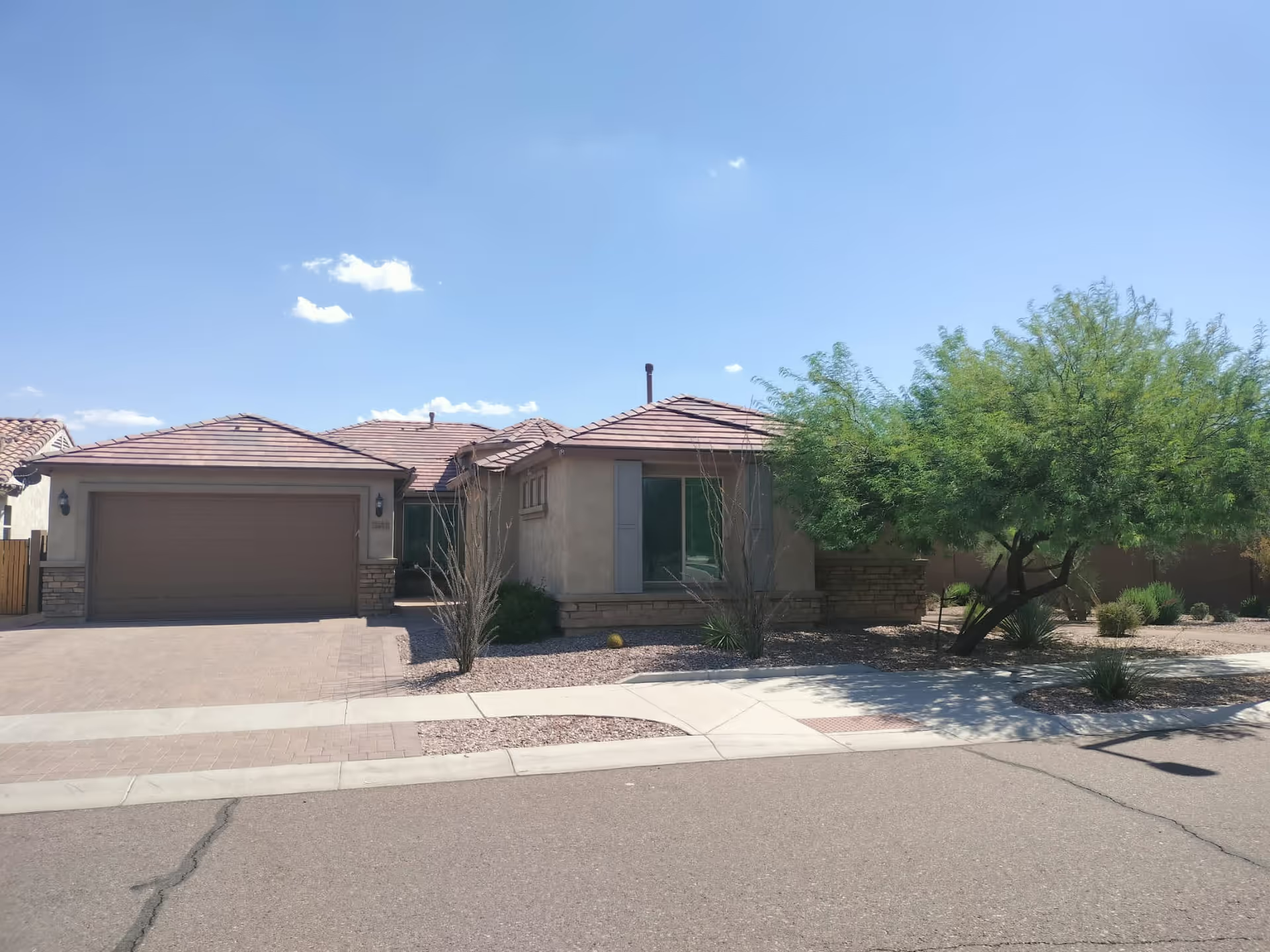
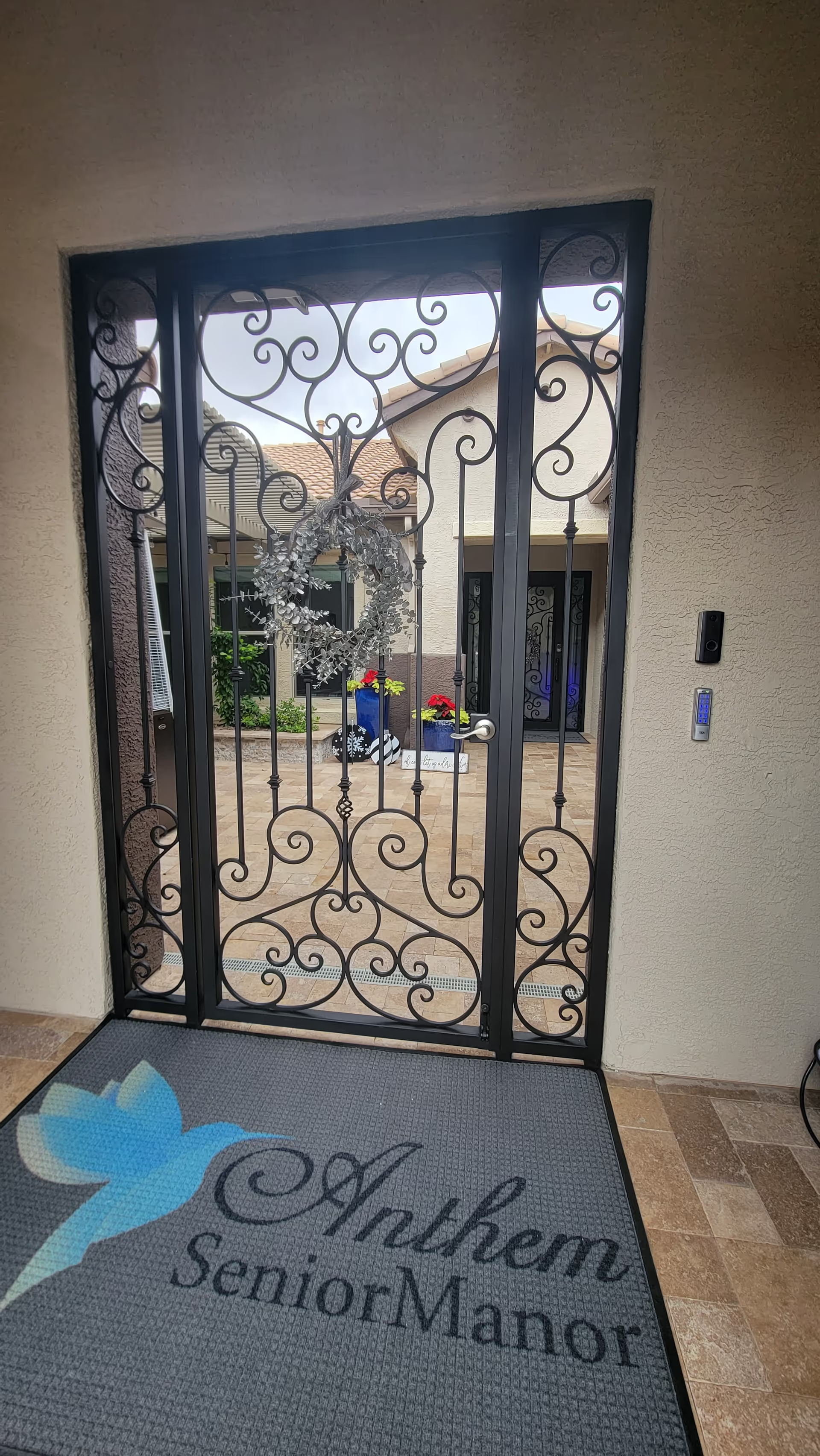
The reviews for Carefree Assisted Living present a mixed but instructive picture. Many families describe a small, home-like setting with bright, well-maintained spaces, an attractive outdoor patio, and a high level of cleanliness. The facility’s size and atmosphere are frequently cited as strengths that support individualized attention, privacy, and a familial approach to care.
Care quality is repeatedly praised where staffing is stable: reviewers note compassionate caregiving, professional nursing oversight, and effective coordination with outside clinicians such as primary-care providers, nurse practitioners, and hospice teams. Several accounts highlight supportive end-of-life care and respectful treatment that preserved dignity. At the same time, there are consistent operational concerns tied to staffing stability and consistency of care. Reviewers have described fluctuating staffing levels and turnover that appear to affect continuity of care and family communication.
Dining and nutrition are areas of mixed experience. Many families compliment appealing meal presentation, individualized meal preparation, and staff who make special dietary accommodations. Contrasting observations describe inconsistent food quality and weight-monitoring concerns, suggesting variability in kitchen operations and nutrition surveillance. Prospective families should verify current meal planning processes and weight- and intake-monitoring protocols during a tour.
Activity programming is a visible strength for many residents: exercise classes, yoga, salon services, manicures/pedicures, and regular social activities are mentioned as enhancing quality of life. However, several reviewers indicated gaps in dementia-specific therapeutic programming, peer socialization opportunities for certain residents, and limitations in managing behavioral-variant dementia or complex behavioral needs. That suggests the program is well suited to residents with mild-to-moderate cognitive impairment who benefit from structured social and wellness activities, but families of residents with challenging behavioral presentations should assess behavioral supports directly.
Facility management presents contrasting impressions. Multiple commenters describe hands-on ownership and long-tenured staff who contribute to a stable, attentive culture; others raise concerns about management transparency, communication, and leadership experience in elder-care operations. There are also notes indicating gaps in safety protocols and clinical incident response; specifically, families advise clarifying incident-response procedures, staffing ratios, and how the facility communicates with families after clinical events, including any serious outcomes.
In sum, Carefree Assisted Living may be a good fit for families seeking a small, homelike residence with individualized attention, active social and wellness programming, and on-site clinical coordination. Before placement, prospective residents and families should confirm current staffing levels and turnover, review dementia-programming specifics and behavioral supports, inspect nutrition-monitoring procedures, and ask for written policies on safety incidents and family communication to ensure those operational elements match the individual’s needs and risk profile.