Clarendale Arcadia receives consistent praise for its staff and the social environment. Across the summaries, frontline caregivers and leadership are frequently described as compassionate, dementia-trained, and attentive; many accounts highlight smooth move-ins, strong family communication, and individualized support during transitions. Reviewers emphasize a welcoming, family-like atmosphere and note clear strengths in resident engagement, with staff often characterized as going above and beyond to meet needs.
Care quality and staffing present a mixed picture. While clinical and memory-care skills are praised and a 24/7 nursing presence is referenced, there are recurring operational concerns: several comments point to high staff turnover and gaps in onboarding for new caregivers, which can affect consistency of care. Overall clinical responsiveness and daily care reliability are viewed positively, but continuity of personnel and training consistency may be areas for ongoing management attention.
Dining is an area of variability. Some reviewers describe meals as delicious with appealing presentation, while others report inconsistent portioning, lukewarm meals, cold beverages, limited dessert selections, and repetitive vegetarian choices. Slow service and extended wait times were also mentioned. These patterns suggest that meal experience may depend on staffing levels, shift timing, or kitchen operations; prospective families should verify meal schedules, sample menus, and inclusion of meals in pricing.
Activities and social programming are generally strong, especially in the general community where an experienced activity director and diverse events receive positive comment. Memory-care programming and evening activity coverage are described as less consistently stimulating; some reviewers would like more robust, tailored options for residents with advanced memory needs. In short, activity quality is a clear strength overall but uneven by level of care and time of day.
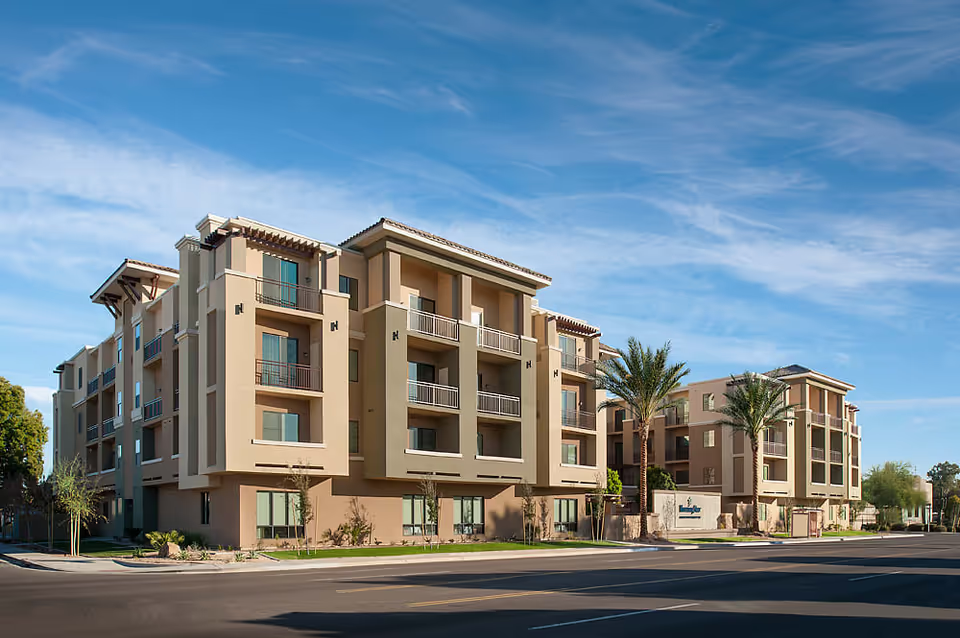
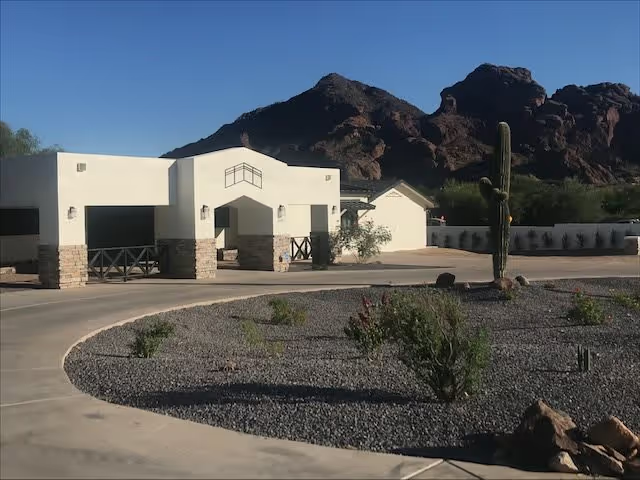
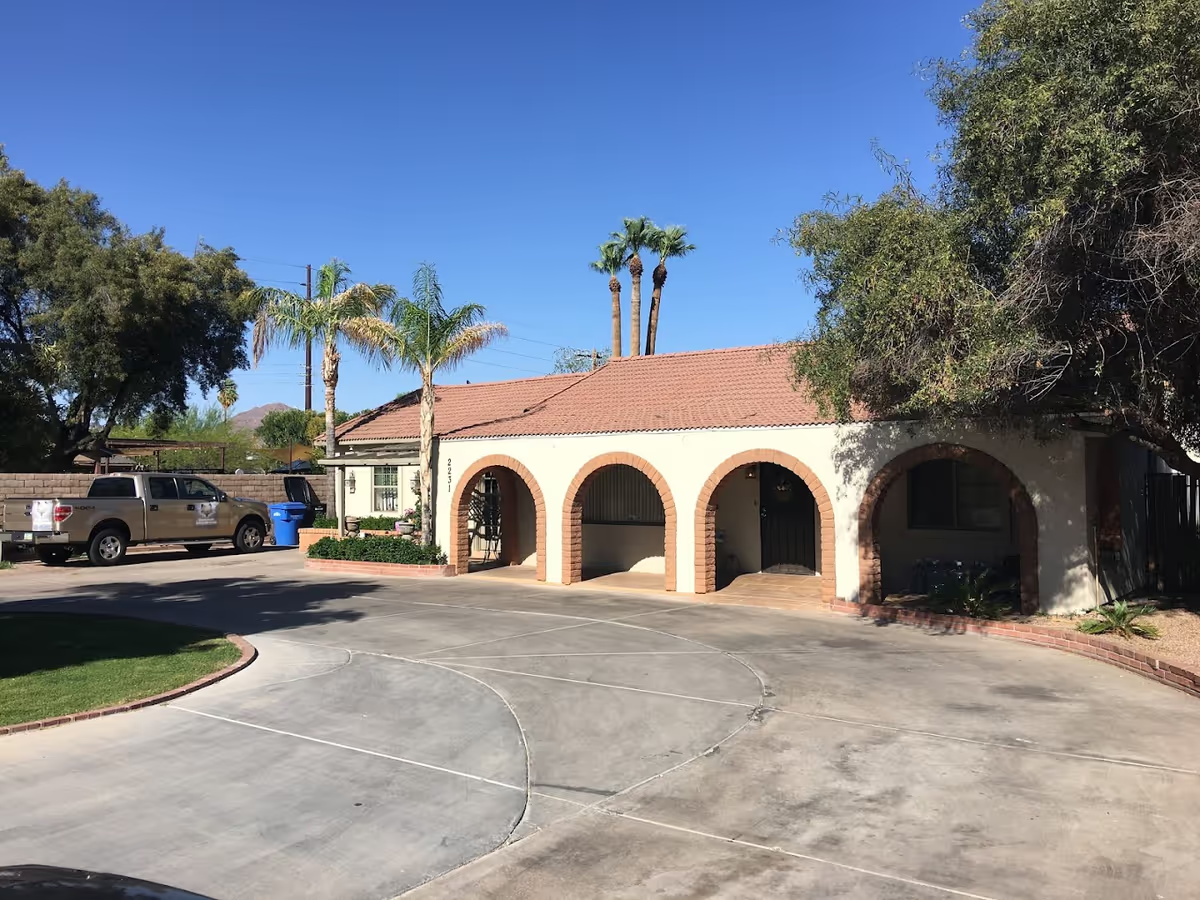
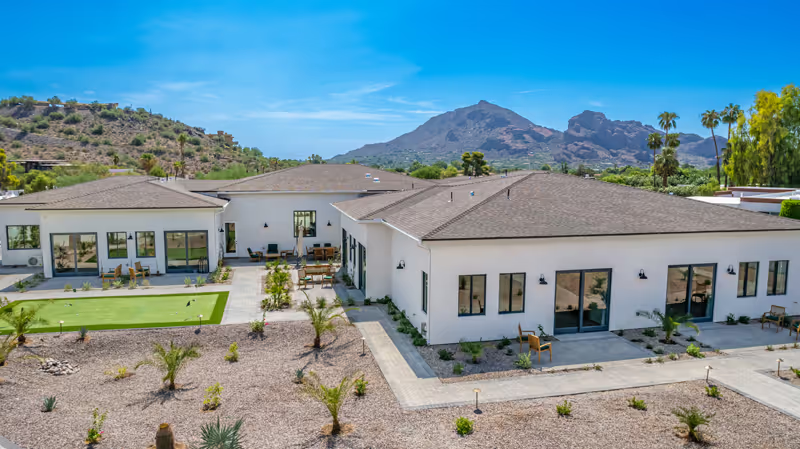
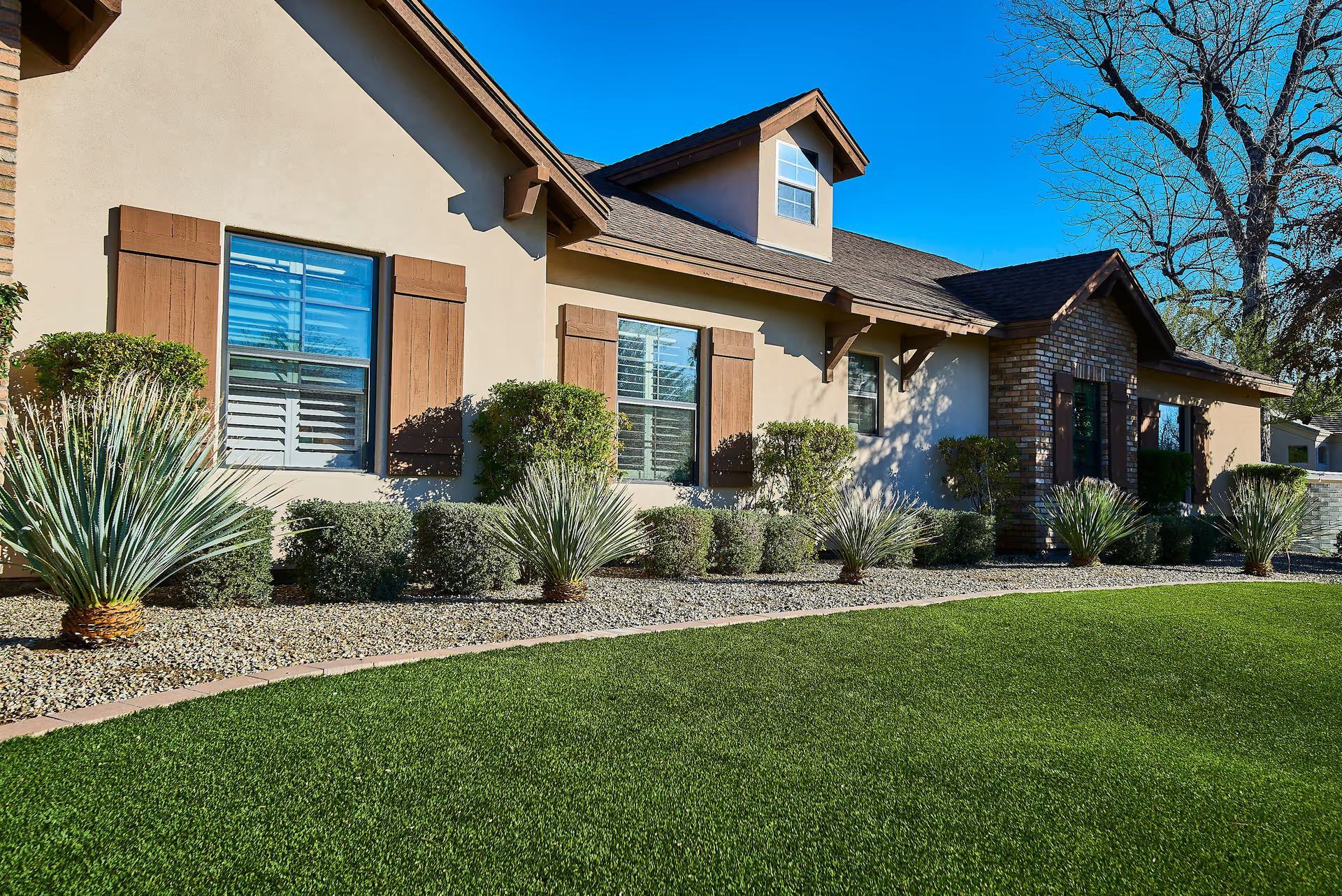
Facilities and physical plant observations combine high marks and specific deficits. The building is often described as attractive and well-decorated with appealing common areas, tactile memory-stimulating features, and accessible amenities such as a pool with a chair lift, salon, and exercise spaces. However, concerns appear about construction and finish quality, interior maintenance (including uneven flooring and fixtures), intermittent hot-water availability, and exterior upkeep including garage and sidewalk staining. Parking access and garage entry were noted as problematic by some visitors.
Management and operations show positive elements—organized admissions, informative tours, and apparent strength in family communication—alongside operational gaps around security coverage, front-desk hours, and value transparency. Specific complaints about pricing, meals not always included, and high parking costs indicate that cost structure and what is bundled should be clarified during a tour. There are also reports of underused communal spaces (for example, dining rooms that sit empty at times), suggesting opportunities to better align space utilization with resident programming.
In sum, Clarendale Arcadia is highly regarded for its staff culture, resident engagement, cleanliness of interiors, and amenities. Prospective residents and families should weigh those strengths against recurring operational concerns: dining consistency, staffing continuity and onboarding, certain construction/maintenance issues, exterior/parking access, and after-hours security coverage. A recommended next step for decision-makers is an in-person visit that includes a meal sampling, a walk-through of both interior and exterior spaces (including garage access), a meeting about staffing patterns and onboarding, and a discussion of what services are included in published pricing.