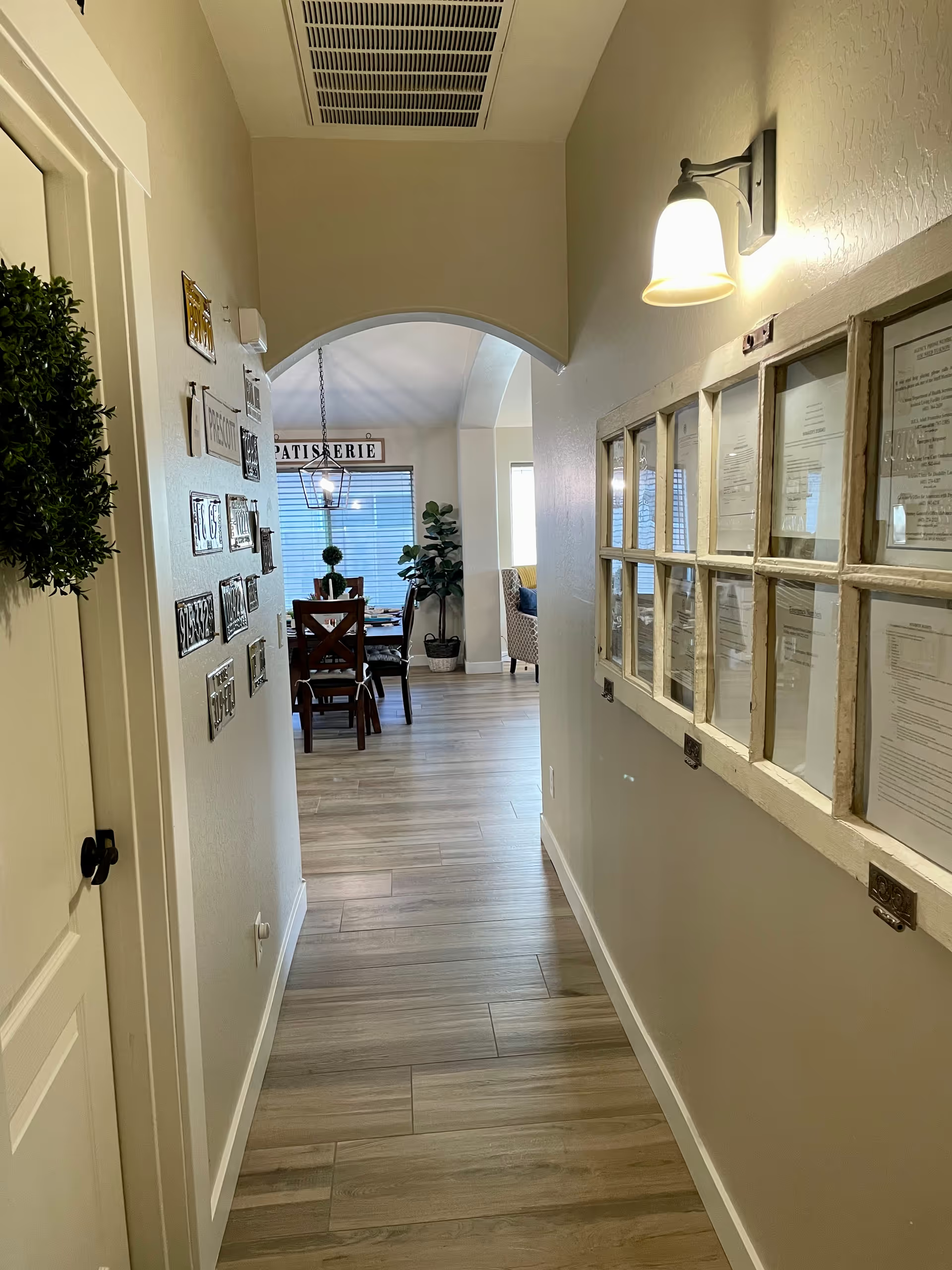
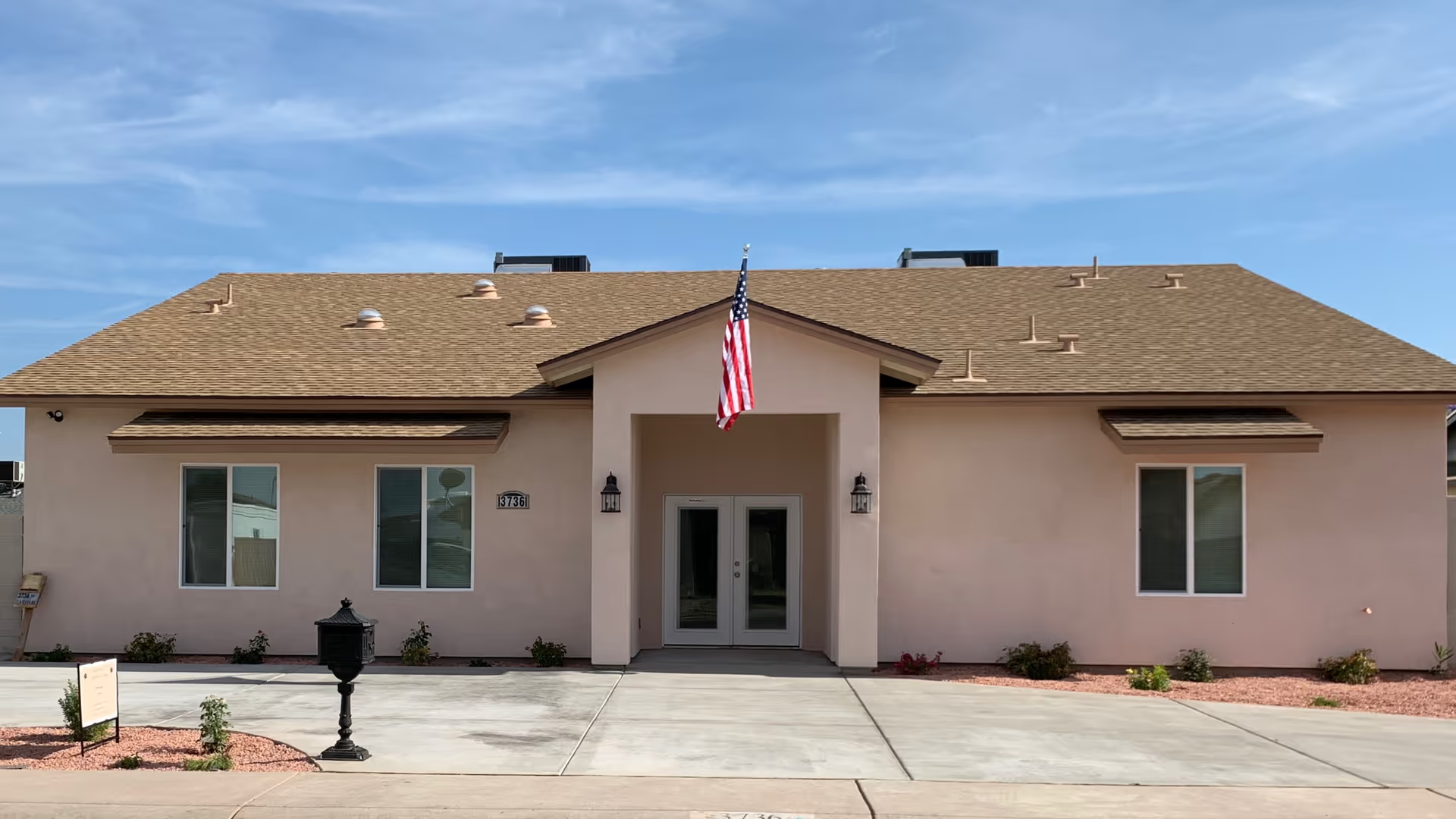
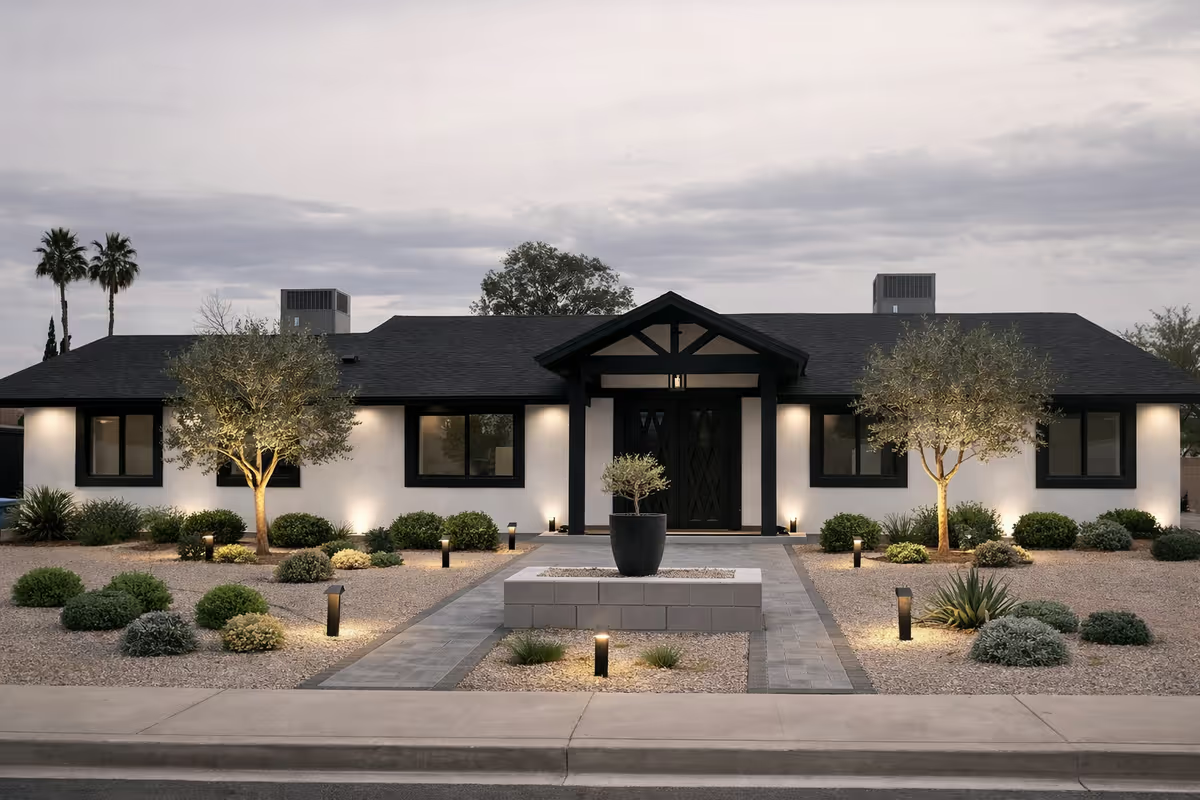
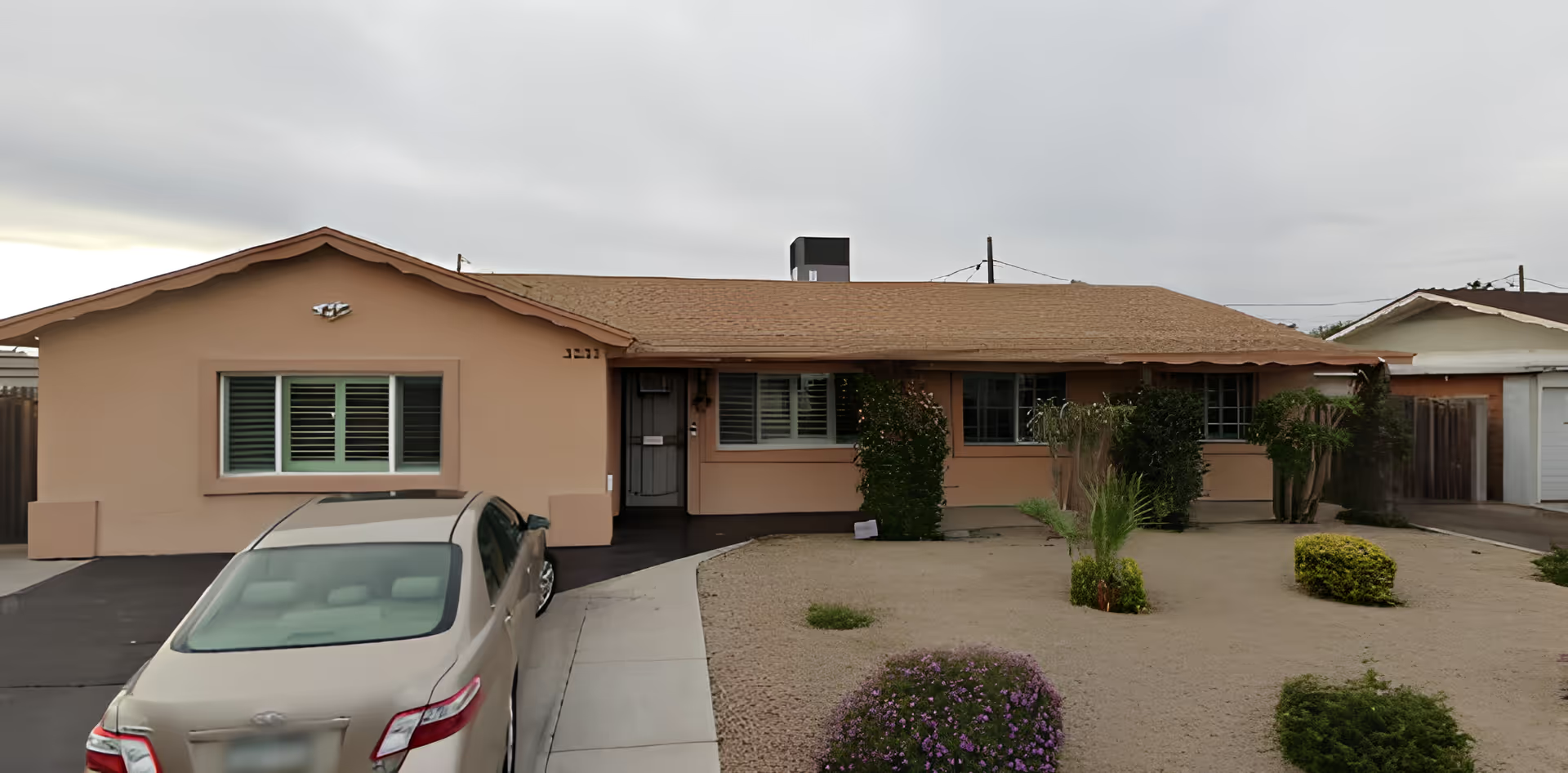
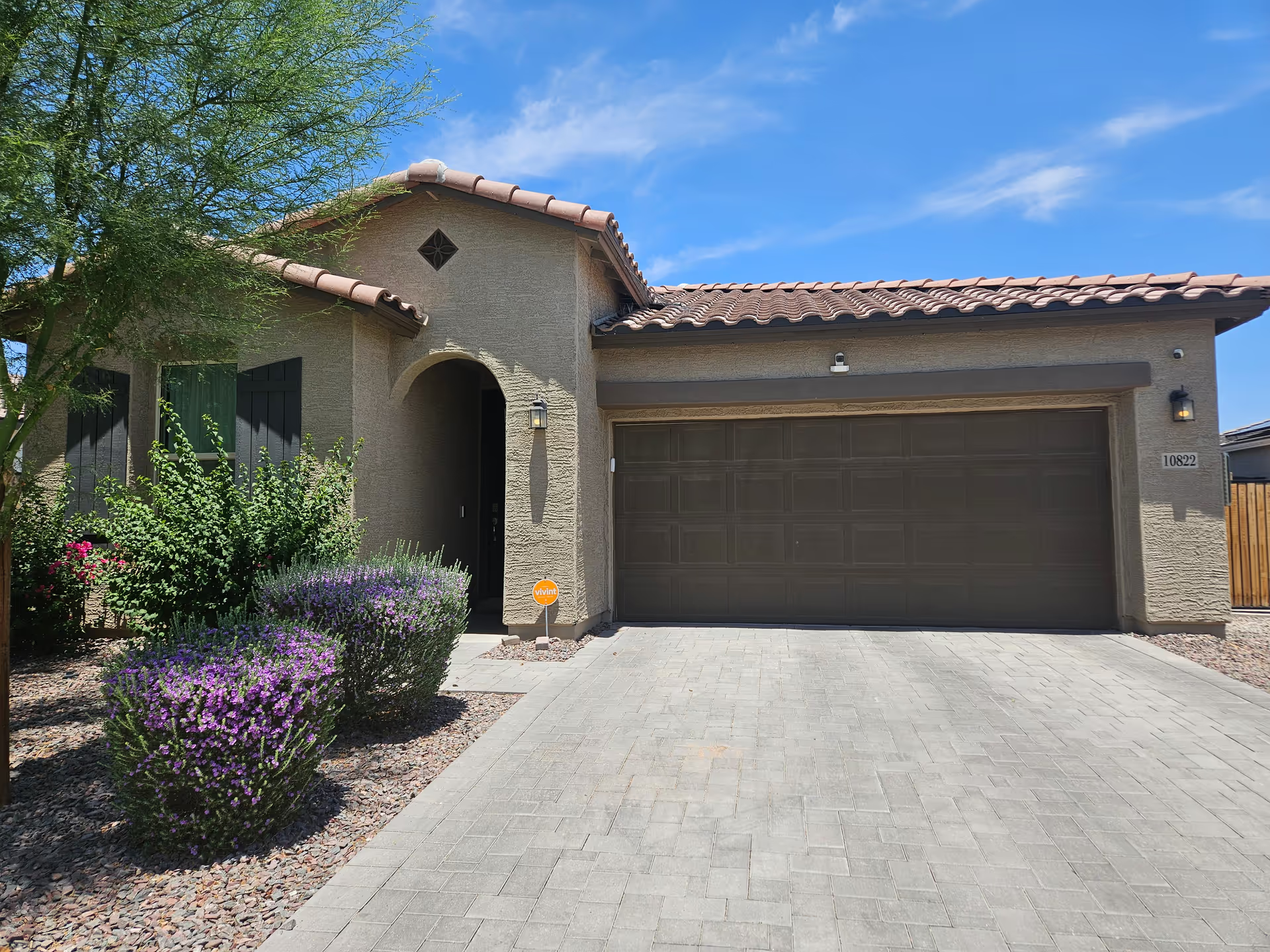
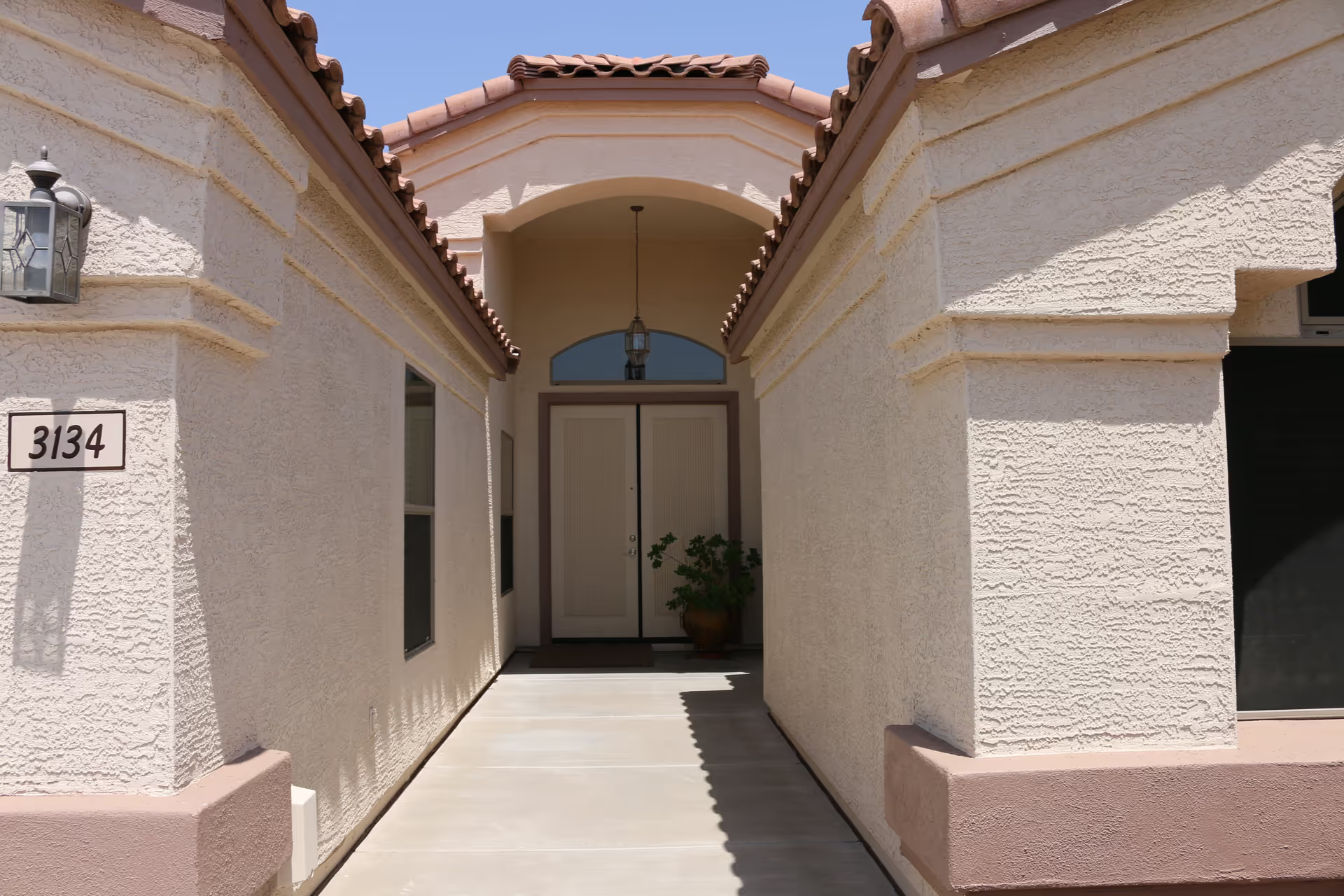
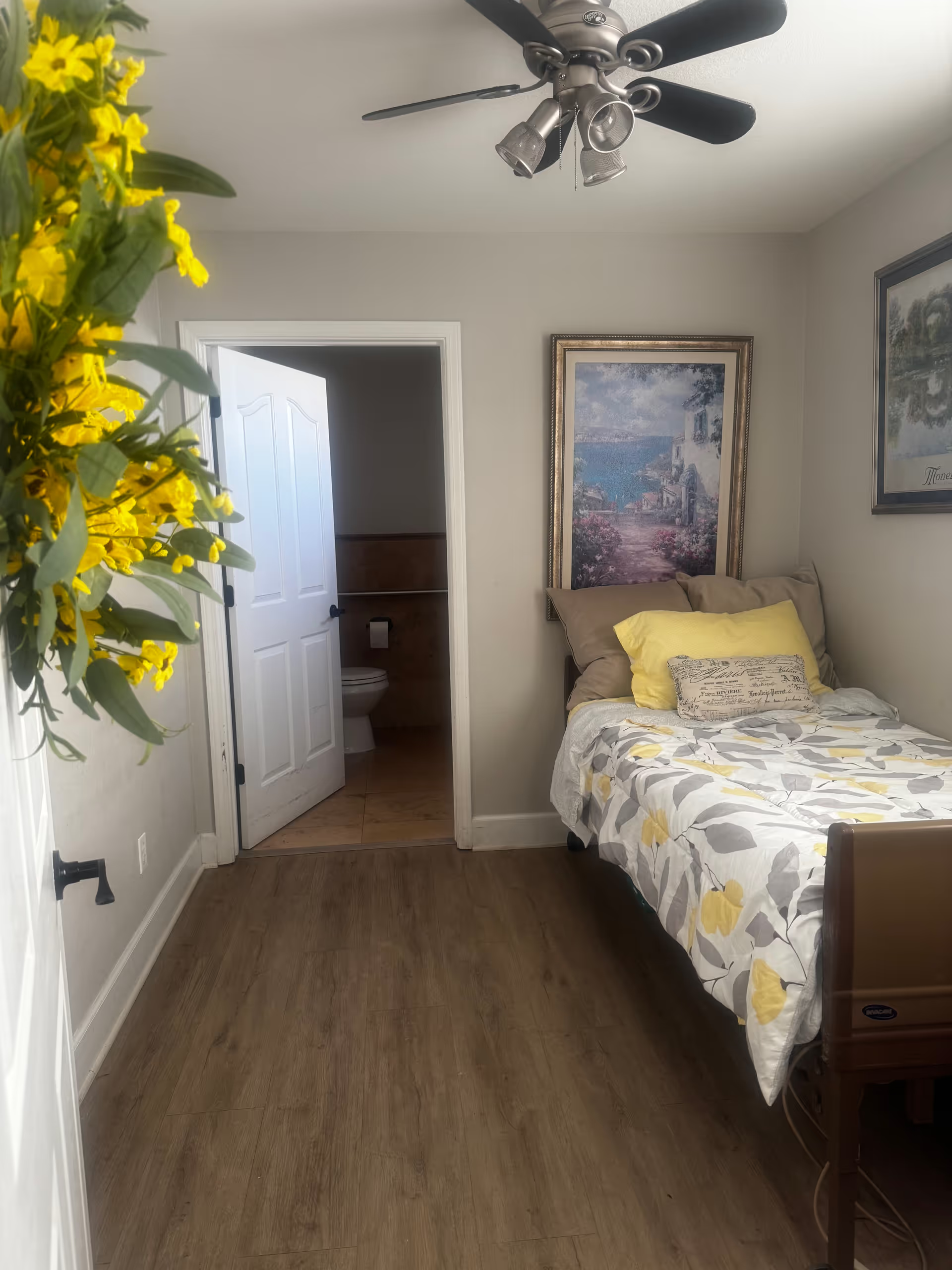
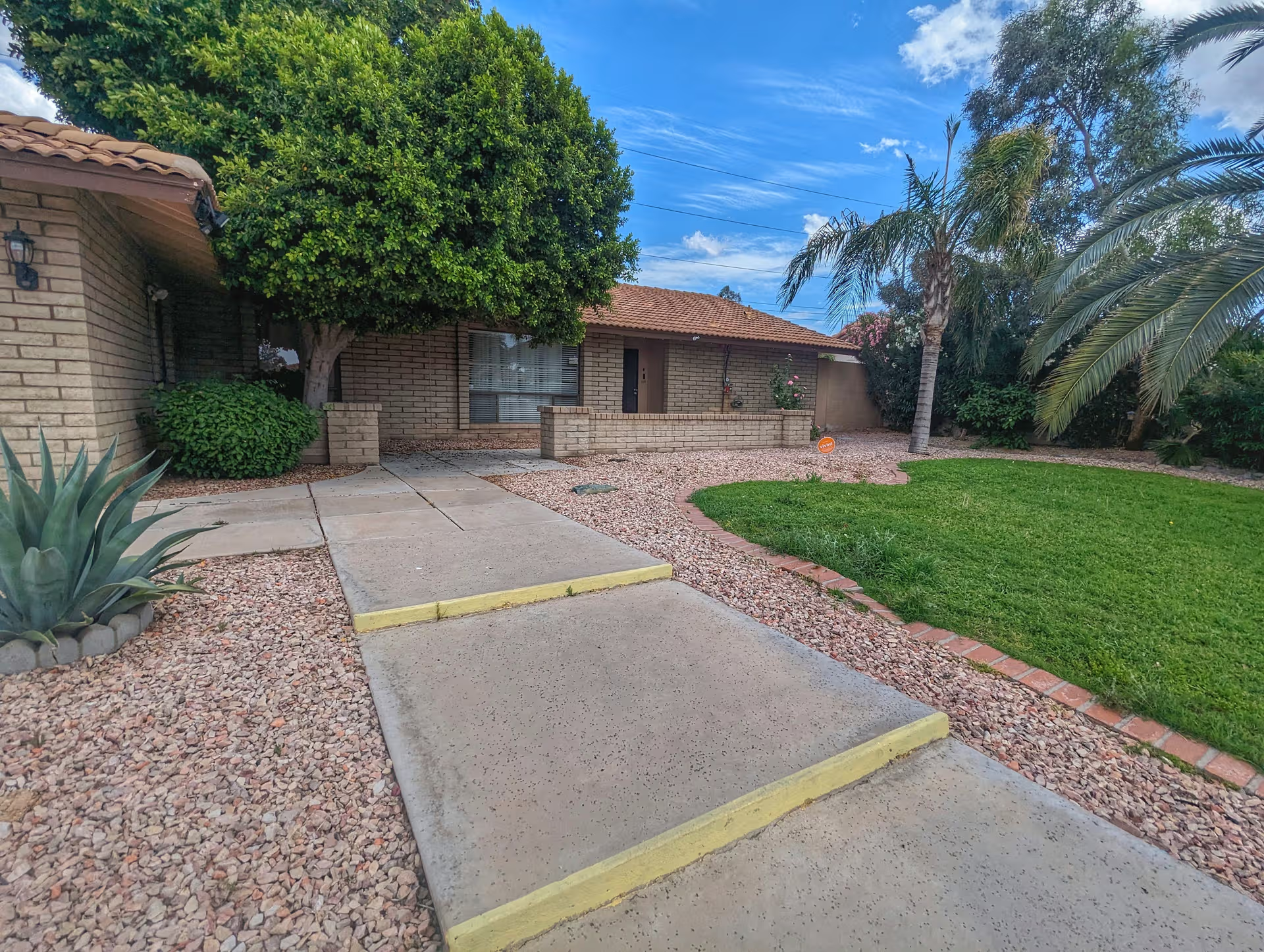
Joyful Haven assisted living home is characterized by a consistent emphasis on a homelike, well-maintained environment and relationship-centered care. Reviewers describe the facility as clean and peaceful, with individualized, comfortable resident rooms and an intimate, small-scale setting that supports close caregiver–resident relationships. The presence of an on-site owner is repeatedly noted and is associated with personable management and frequent communication with families.
Care quality appears to be a strong point: staff are described as compassionate, attentive, and responsive, with caregivers who develop positive rapport with residents. Families highlight timely updates from management and a sense that resident needs are assessed and addressed, which contributes to a perception that residents are not ignored. The small size of the home seems to support continuity of caregivers and a family-like atmosphere.
Dining is another area of strength. Meals are characterized as fresh, appealing, and appropriate to resident needs, with several comments indicating that food quality meets expectations. The facility’s pricing is described as reasonable, and its location near a hospital may be a convenience factor for families and clinical follow-up.
Activity offerings and physical accessibility are more mixed. While reviewers mention an open exercise area and companionship opportunities, activity programming may not be well adapted for residents with significant vision loss or dementia; families should expect a more limited, less structured activity schedule compared with larger communities that offer specialized cognitive or sensory programming. Accessibility for mobility-device users is identified as a concern: the facility’s small footprint and layout can constrain communal space and bathing facilities, and some families noted limitations for wheelchair access.
Operationally, the home appears to be in a state of occasional maintenance or renovation, which some reviewers referenced; prospective residents should inquire about current construction schedules and any temporary disruptions. Overall, the dominant patterns across feedback are strong interpersonal care, cleanliness, good meals, and engaged on-site management, balanced against the trade-offs inherent in a small assisted-living home—namely constrained physical space, accessibility limitations, and a more modest activity program. Families should weigh the value of individualized, home-like care and owner involvement against those facility-level limitations when considering placement.