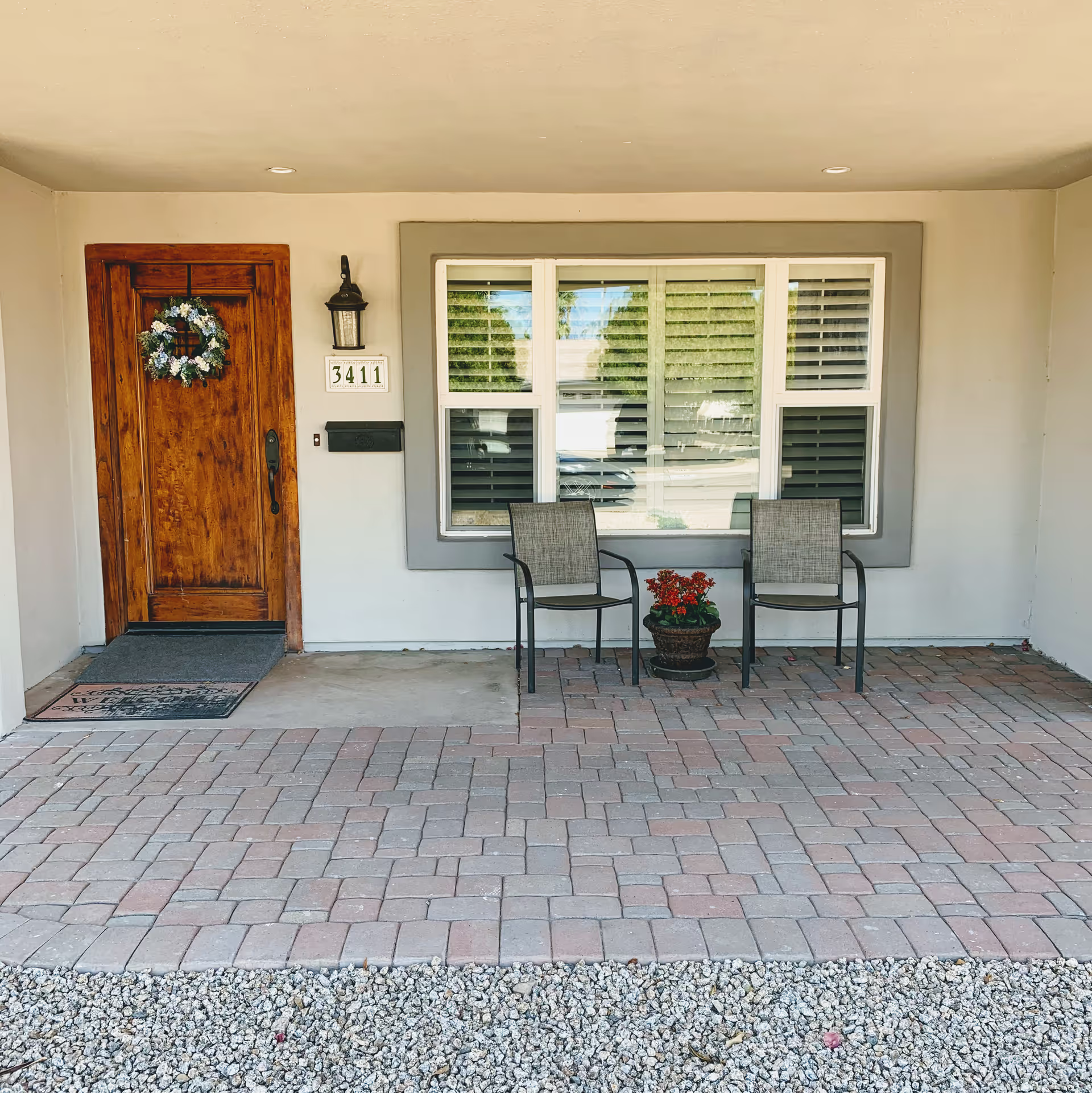
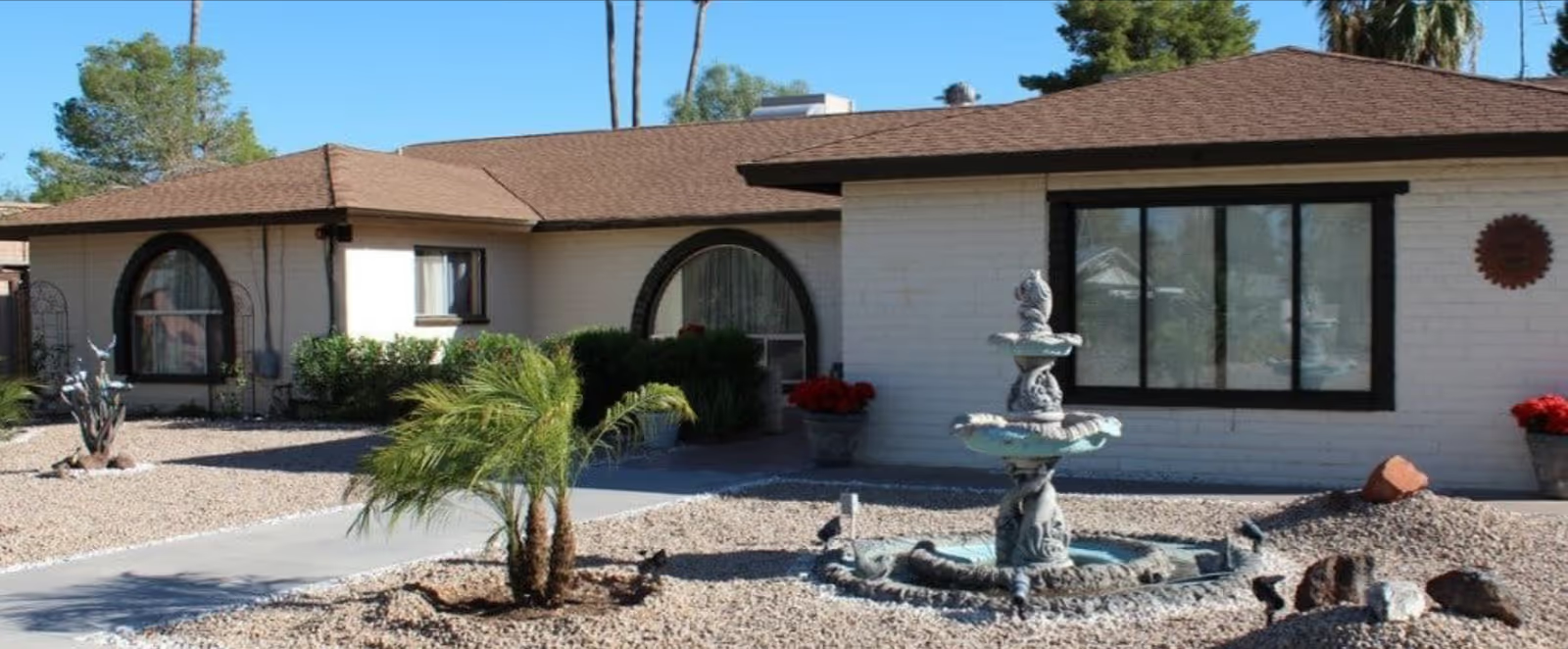
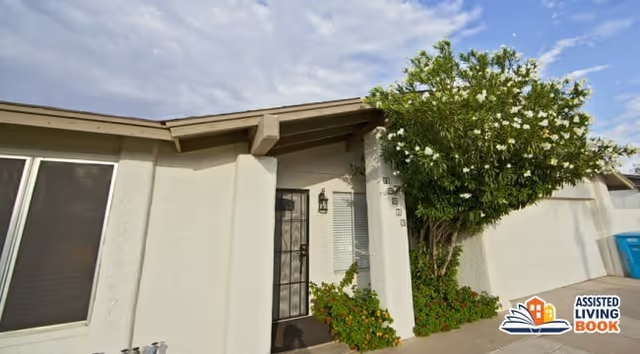
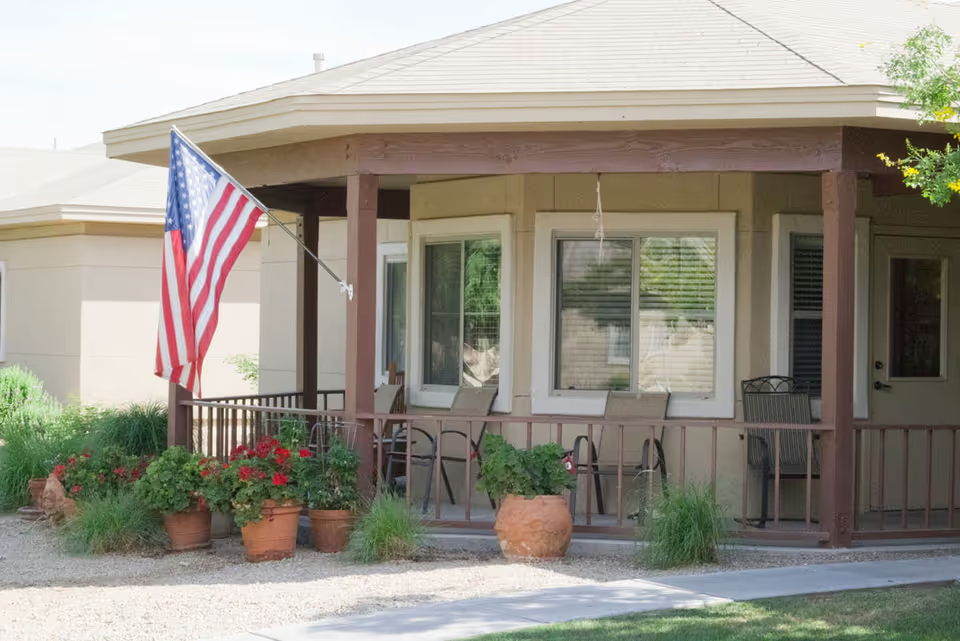
Ronald Home Care is described across reviews as a small, home‑style residential care setting that emphasizes around‑the‑clock attention and individualized support. Families commonly note a clean, welcoming interior and a calm, family‑like atmosphere. The facility’s scale and homelike design are repeatedly framed as strengths for residents who benefit from individualized attention rather than a larger institutional environment.
Care quality is generally portrayed positively. Reviewers highlight 24/7 staffing, attentive personal care (bathing, grooming, clothing changes), and medication administration under physician orders. Several accounts praise named staff members and describe prompt, compassionate interactions that contribute to resident comfort and family peace of mind. There are also reports of regular family communication and photo updates that help relatives stay informed about daily life.
Staff and management impressions are mixed in the aggregate. Many families emphasize responsive, professional, and caring caregivers and cite specific staff who provided high‑quality support. At the same time, a number of comments point to variability in how management and ownership handle sensitive situations; this is most evident around critical incidents and end‑of‑life transitions, where some families experienced delays or unsatisfactory communication. Prospective families should clarify escalation and notification procedures during tours and admissions.
Dining and amenities receive consistent positive mention: meals are described as nutritious and well‑prepared, and residents are not pressured to remain in rooms or beds. Socially, the environment is characterized as calm and supportive with friendly residents; however, explicit descriptions of organized activities are limited, suggesting the program may prioritize individualized social interaction over a formal activity schedule.
Notable patterns for prospective families to consider include operational areas where experience varied. Several reviewers implied challenges in continuity of care for residents with higher medical or behavioral needs, and there are observations about limited specialized memory‑care programming and one‑on‑one staffing options. Cost and capacity concerns were also raised by families who felt the community did not match their budget or service expectations.
Overall, Ronald Home Care appears well suited to families seeking a small, clean, and compassionate residential setting with attentive daily care and strong personal support. Before placing a loved one, families should request written protocols for critical‑incident communication, clarify the facility’s capacity for higher‑acuity or memory‑support needs, and confirm hospice and physician coordination practices as well as pricing and room availability to ensure the community aligns with clinical and financial expectations.