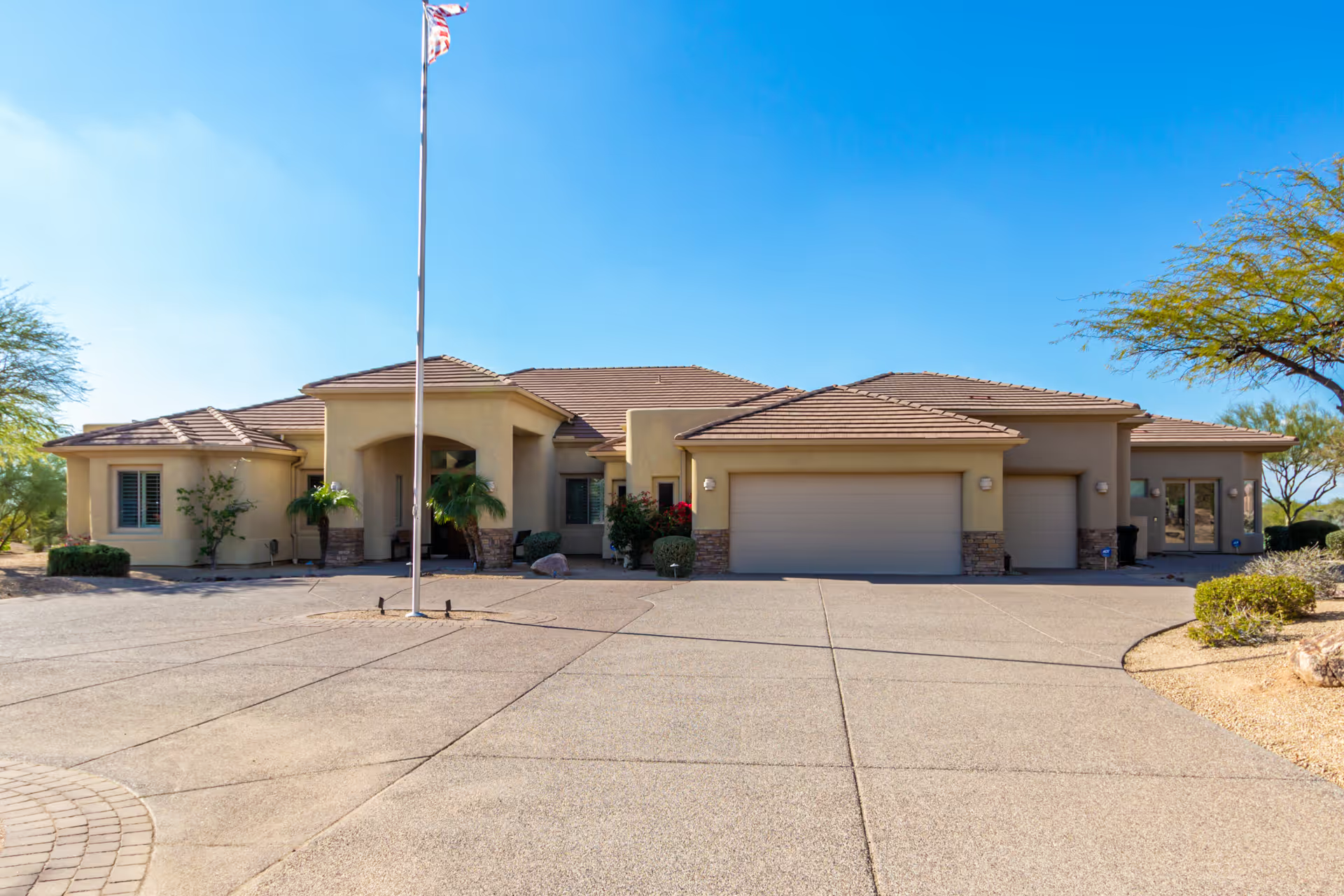
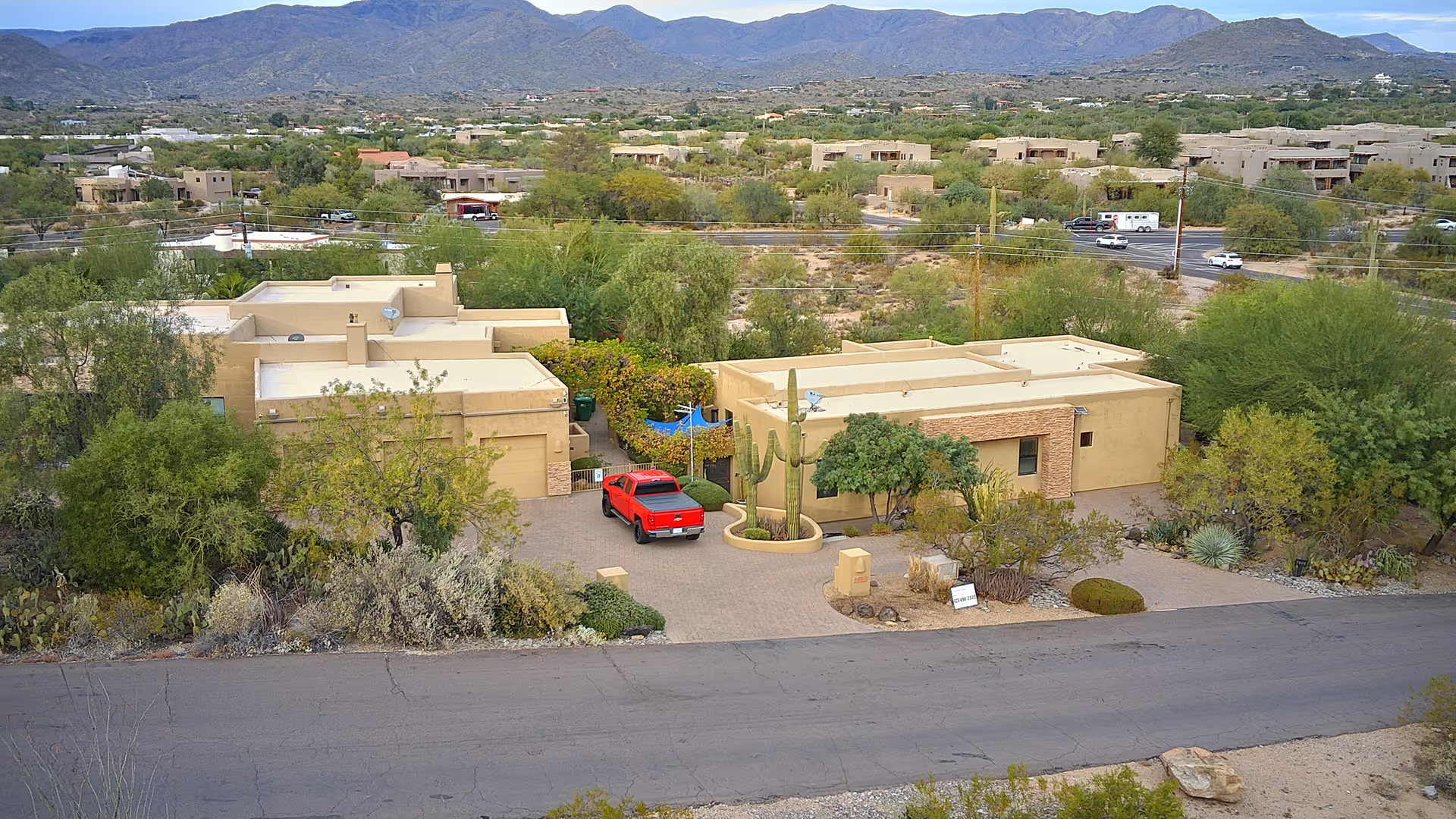
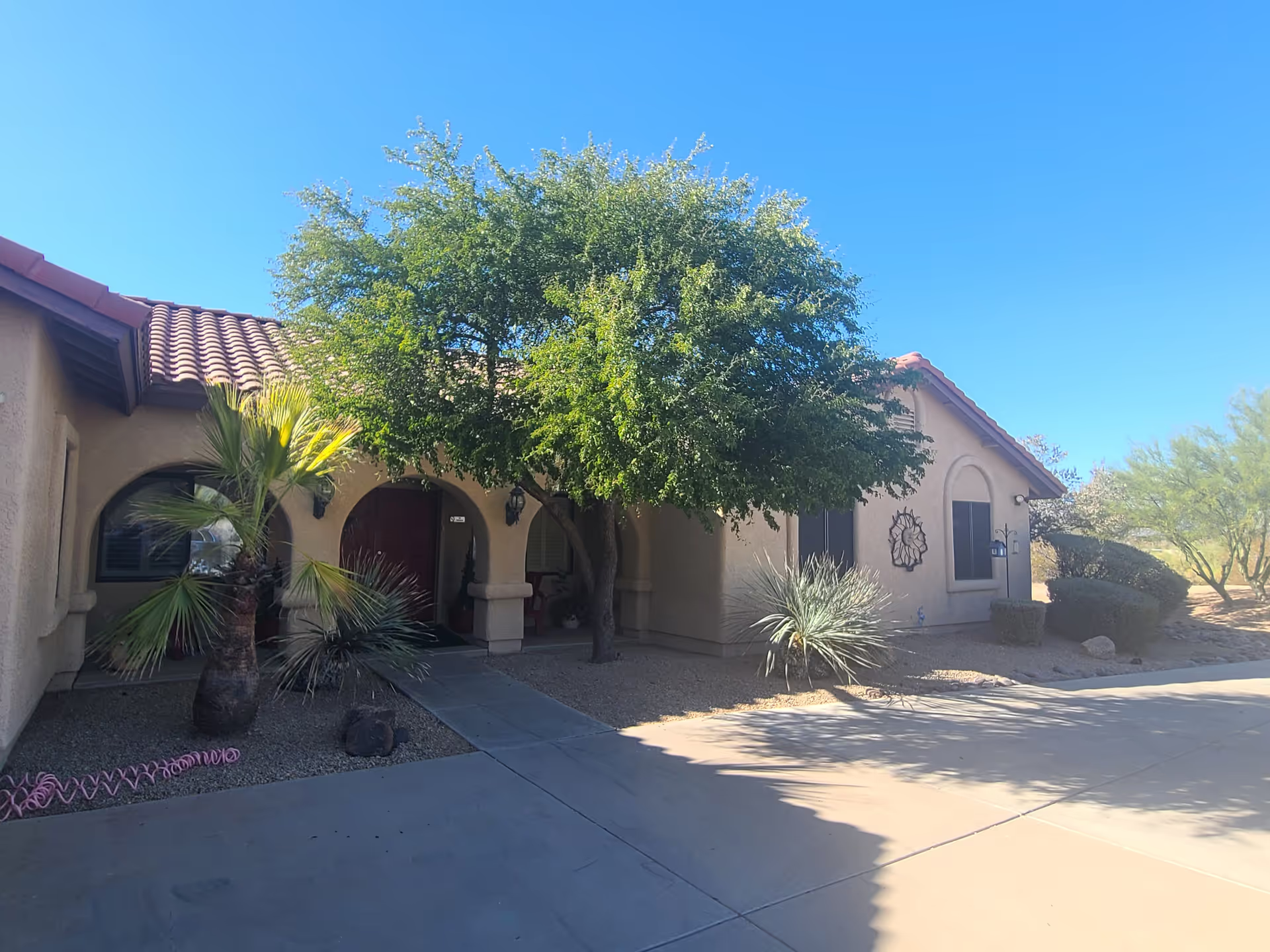
Overall impression of Lone Mountain Memory Care is mixed: many families praise the facility’s compassionate, dementia-focused staff and bright, well-appointed environment, while other accounts raise substantive operational concerns. Positive feedback highlights individualized, relationship-based caregiving; staff training in dementia care; varied programming including music, exercise, off-site outings and animal-assisted therapy; a welcoming physical plant with private rooms, natural light and outdoor courtyards; and family-friendly communication tools such as virtual visits and photo updates. Several families also noted made-from-scratch meal options and examples of strong pandemic and crisis management.
Care and staffing are a central area of divergence. Positive reports describe attentive, knowledgeable caregivers and available nursing oversight; contrasting reports describe inconsistent clinical staffing levels and variability in RN coverage. Reviewers described delays in clinical escalation and emergency response in some cases, which point to gaps in incident-response protocols and handoff practices. These contrasts suggest the facility may perform well when core staff are present and stable, but that outcomes are sensitive to staffing fluctuations and supervisory practices.
Dining, housekeeping and personal care also show mixed patterns. Many residents and families praised the dining atmosphere, menu variety and family-style approach; however, other accounts point to inconsistent housekeeping and sanitation practices and irregular personal-care scheduling. Concerns included variability in bathing and room-cleaning frequency and occasional lapses in routine hygiene management. These details indicate that operational consistency in daily living tasks can vary across shifts or units.
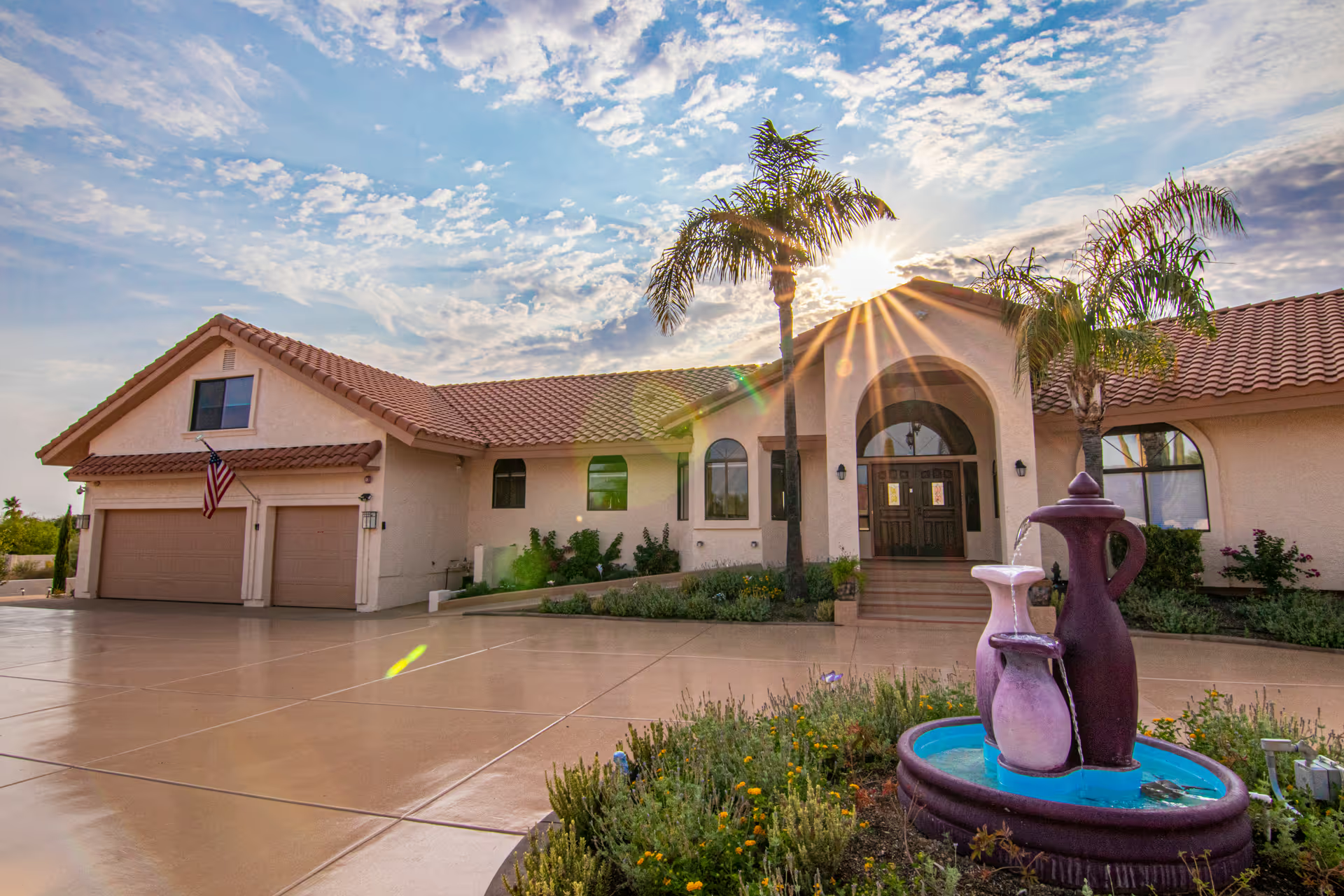
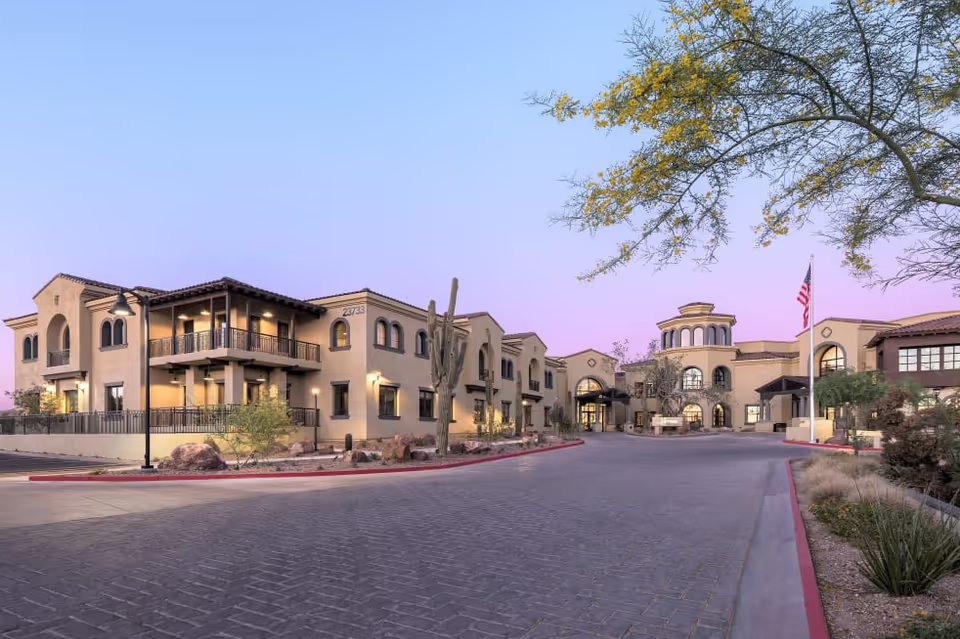
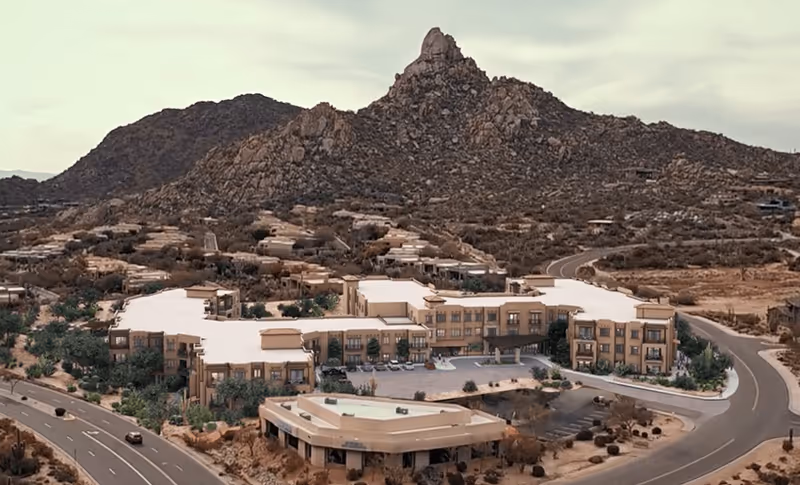
Activities and the physical environment are commonly noted strengths. The building layout, large activity spaces, outdoor areas and programmed outings receive positive comments, and several families reported meaningful engagement opportunities for residents. At the same time, activity frequency and access to field trips were described as uneven, with some residents participating regularly and others less often; prospective families should clarify activity schedules and participation criteria.
Management, administration and policies are recurring themes in negative feedback. Praise for individual directors and front-line managers exists alongside reports of weak communication, leadership turnover, billing disputes and privacy/records control concerns. Financial-administration issues, including disagreements over prorated rent and deposits, appeared repeatedly enough to recommend prospective residents obtain clear written policies. A small number of reviews referenced allegations of missing belongings and noted tense interactions with administration during dispute resolution.
For prospective residents and families: evaluate the facility through multiple visits, ask for current staffing ratios and written RN coverage schedules, request copies of incident-response and transfer protocols, and clarify housekeeping and personal-care schedules. Confirm billing, refund and record-access policies in writing and discuss activity participation expectations. The facility offers evident strengths in dementia-focused programming and an engaging environment, but reviewers indicate that operational consistency—particularly clinical staffing, incident escalation, housekeeping and administrative responsiveness—can vary and merits thorough, document-backed inquiry prior to placement.