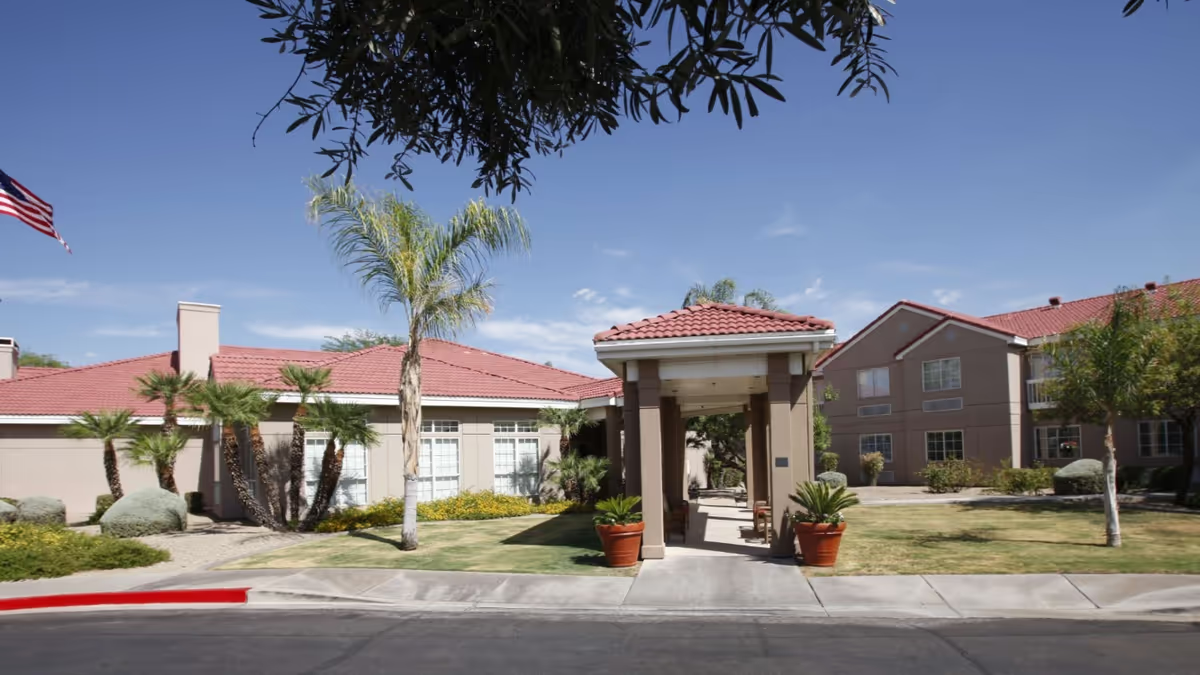
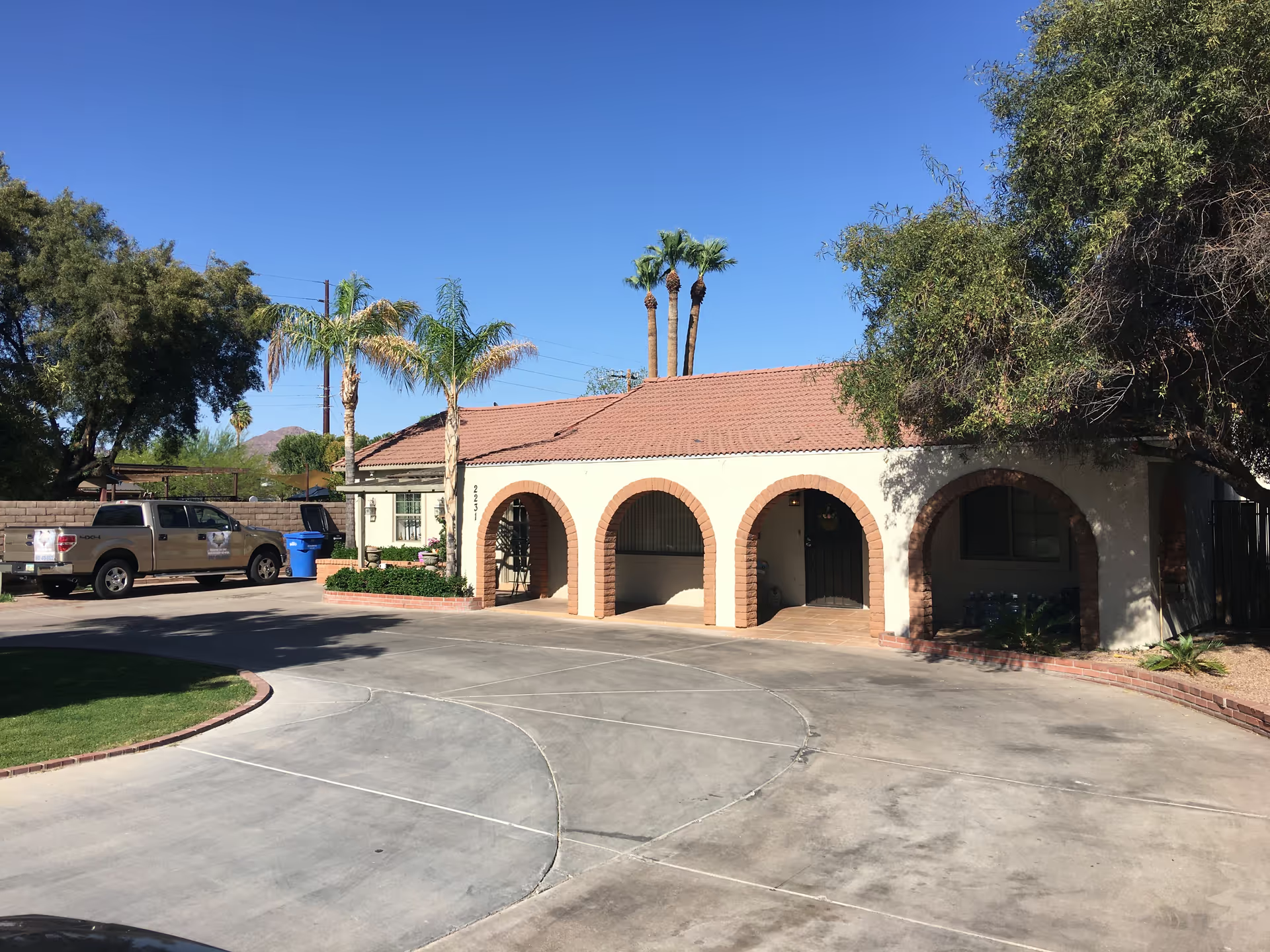
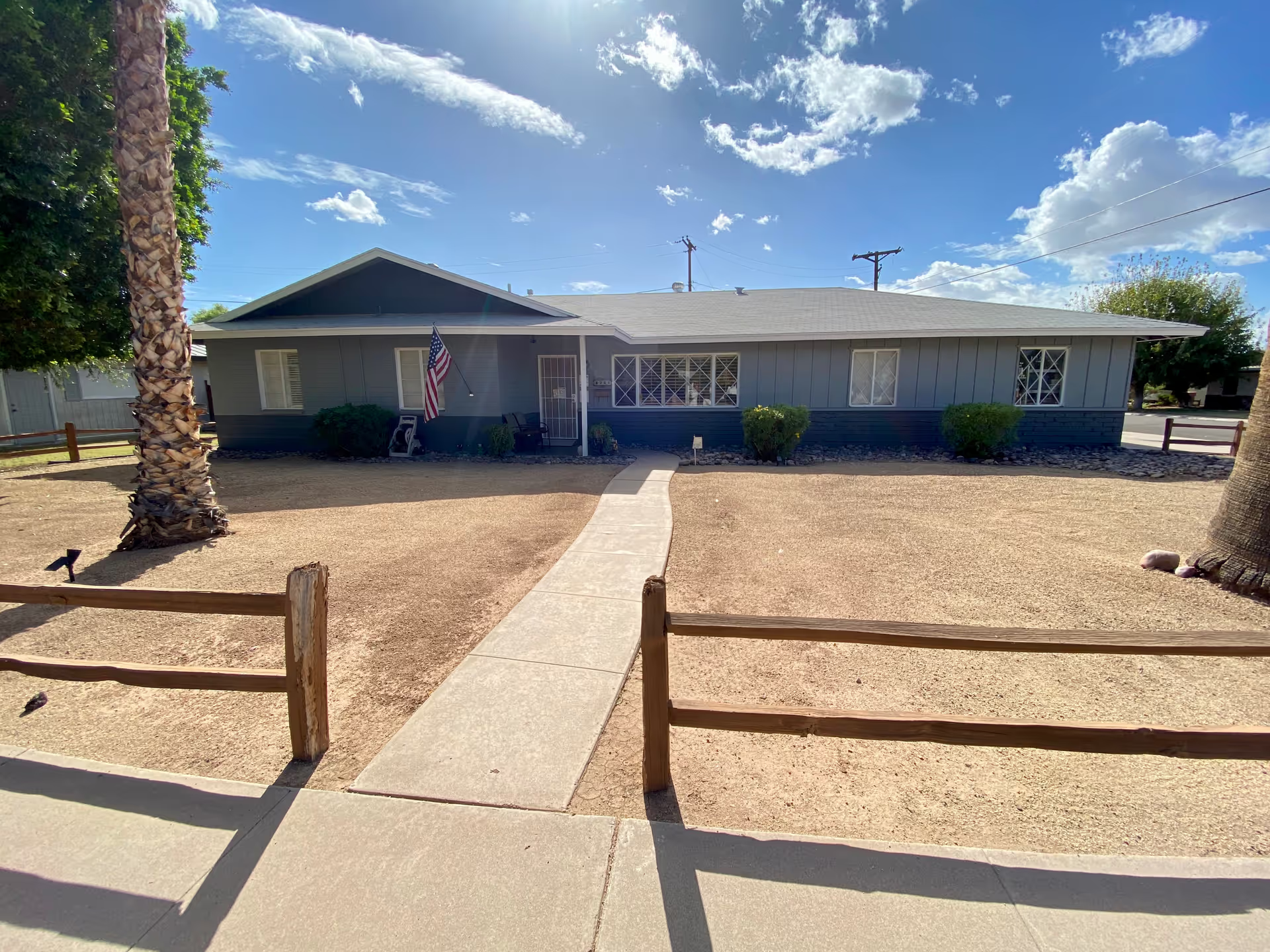
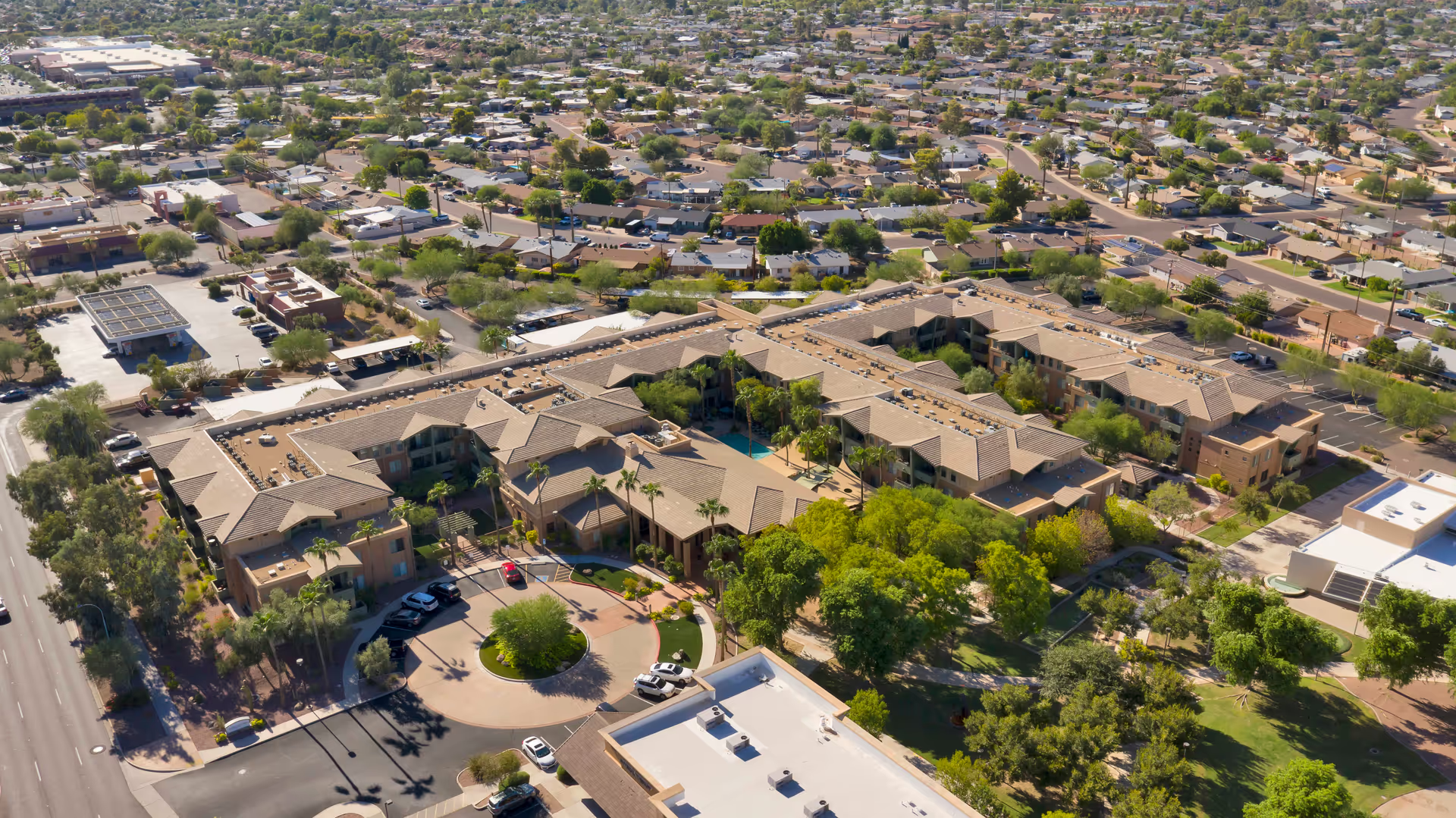
Overall impression: The reviews portray Sherwood Heights Adult Living as a small, resident-centered community with a strong emphasis on compassionate, personalized caregiving and close coordination with hospice for end-of-life needs. Families consistently describe a warm, family-like atmosphere and say that staff make residents feel cared for and comfortable. The setting — noted for views of the Papago Mountains and a tranquil neighborhood location — contributes to a peaceful environment that residents and families appreciate.
Care and staff: Reviewers emphasize attentive, professional caregiving and individualized care plans. Staff behavior is described as kind, responsive, and consistent; management presence is noted as helpful and engaged. Pain-management and hospice collaboration are repeatedly mentioned, suggesting that the facility is experienced with palliative and comfort-focused care pathways. Comments about consistency, accountability, and reliability point to an operational culture that values follow-through and family communication.
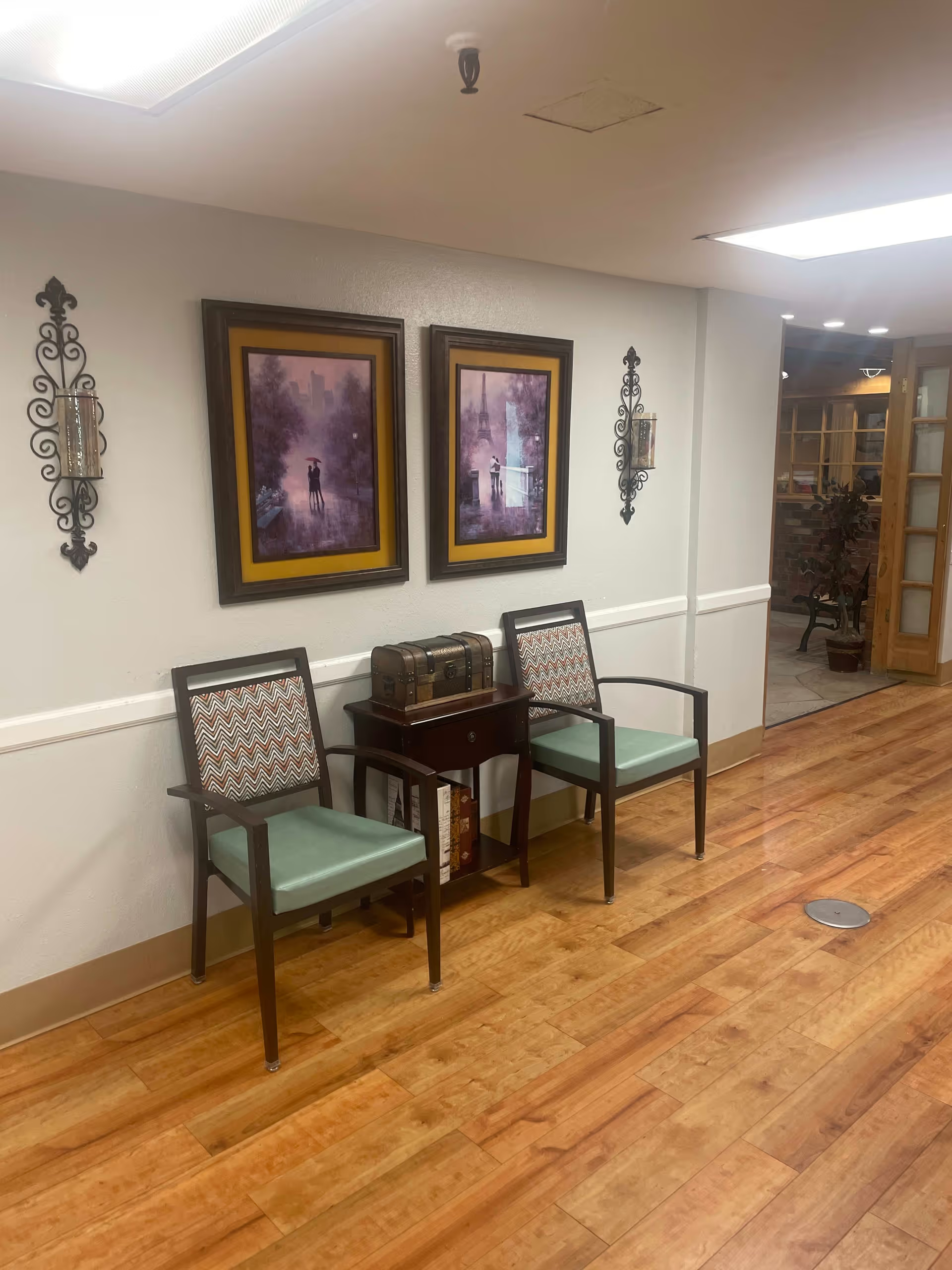
Dining, activities, and facilities: Dining is characterized as nutritious and health-focused, and the physical environment is described as clean, spacious, and well maintained. Activity programming includes social engagement and pet therapy, supporting social connection and daily interaction. The location and views are frequently cited as calming features that enhance quality of life for residents.
Management and operations: Reviewers highlight responsive on-site management and coordination of care, with families noting peace of mind for long-term stays. The facility’s size and neighborhood context appear to support a close-knit, family-style approach to daily life. There is a consistent theme of staff treating residents like family and fostering friendships among residents, which contributes to reported resident satisfaction.
Notable patterns and caveats: While reviews are strongly positive about day-to-day care and the environment, there is limited explicit information about specialized clinical services such as formal memory-care programming, comprehensive rehabilitation therapies, or higher-acuity medical supports beyond hospice. Public details about clinical-staffing ratios and transportation or external medical-access arrangements are also sparse. Prospective residents with significant, ongoing specialty medical needs should verify on-site capabilities and transfer/transport arrangements before making placement decisions.
Bottom line: Sherwood Heights appears to offer a compassionate, home-like environment with attentive staff, good meals, engaging activities, and strong hospice coordination — qualities that give many families confidence. For those requiring intensive specialty medical or rehabilitative services, further inquiry into clinical staffing, therapy programs, and external-access logistics is recommended to ensure the facility meets those specific needs.