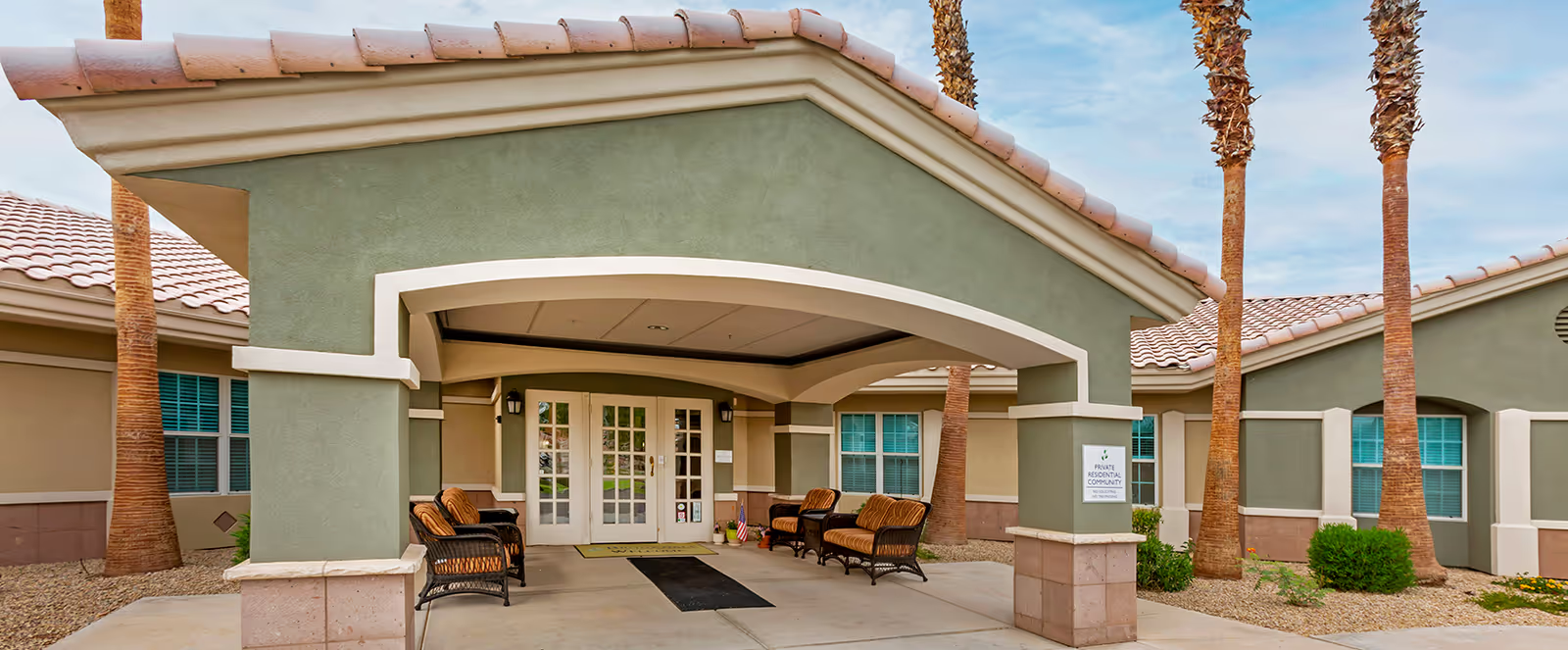
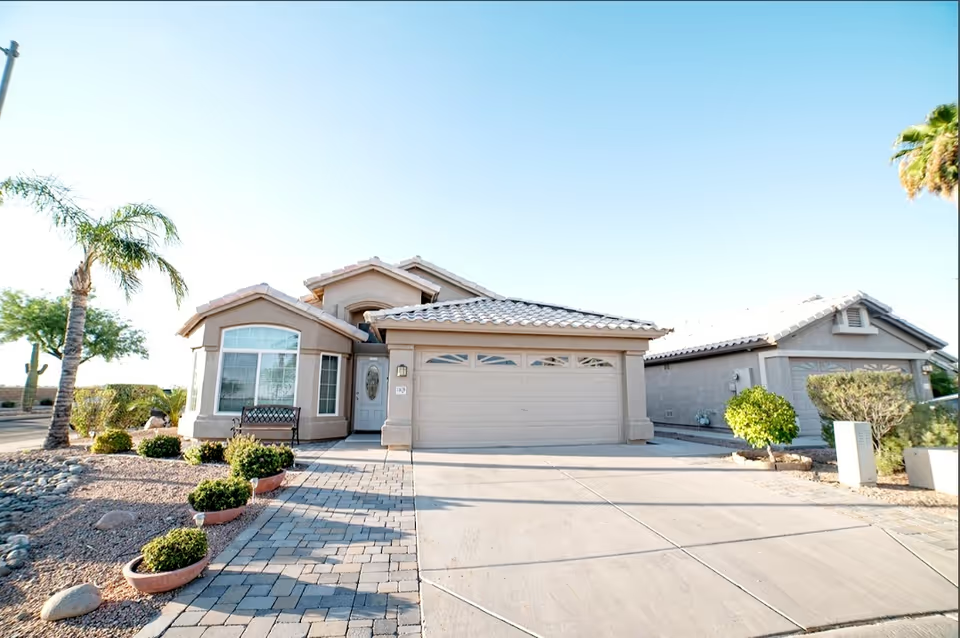
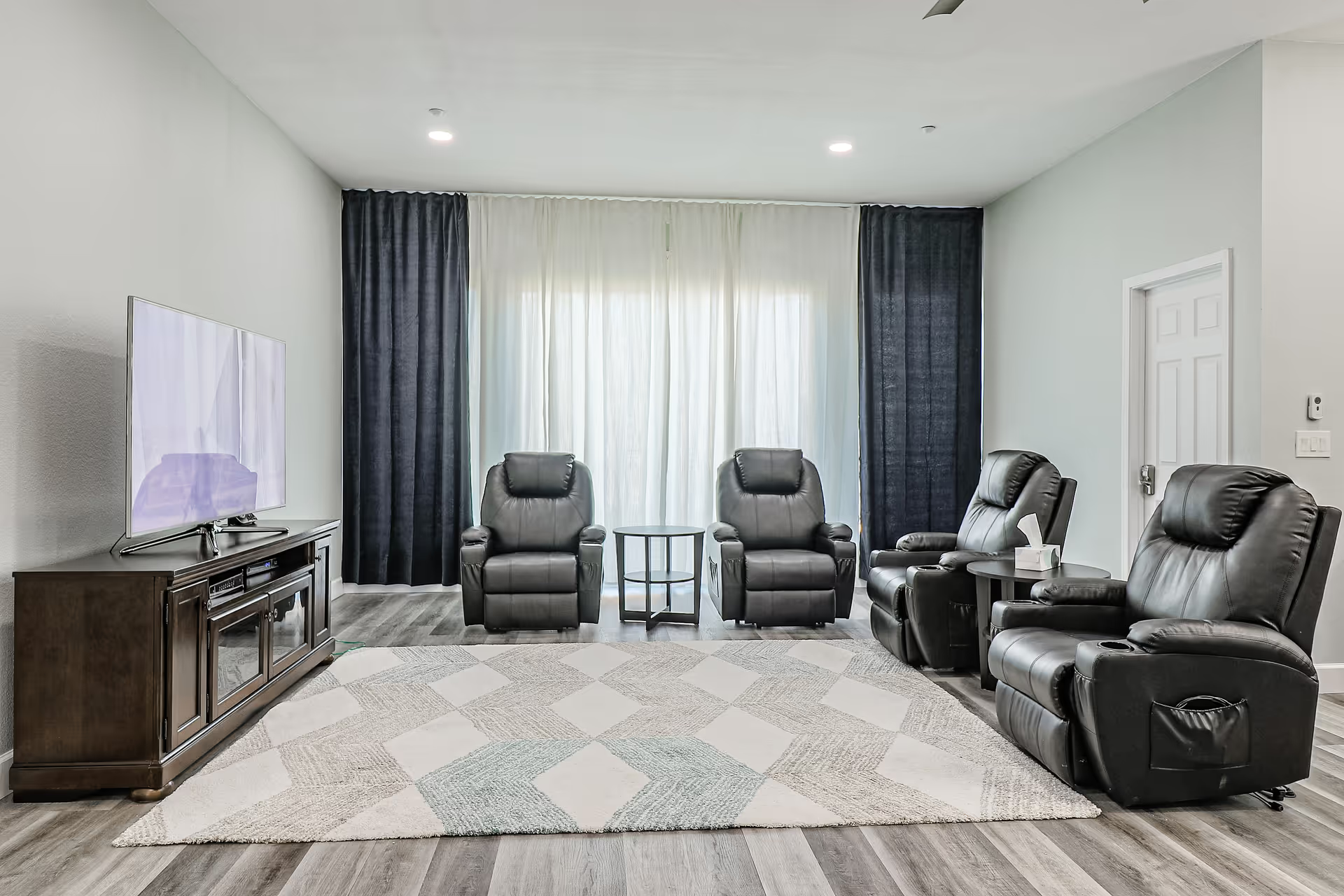
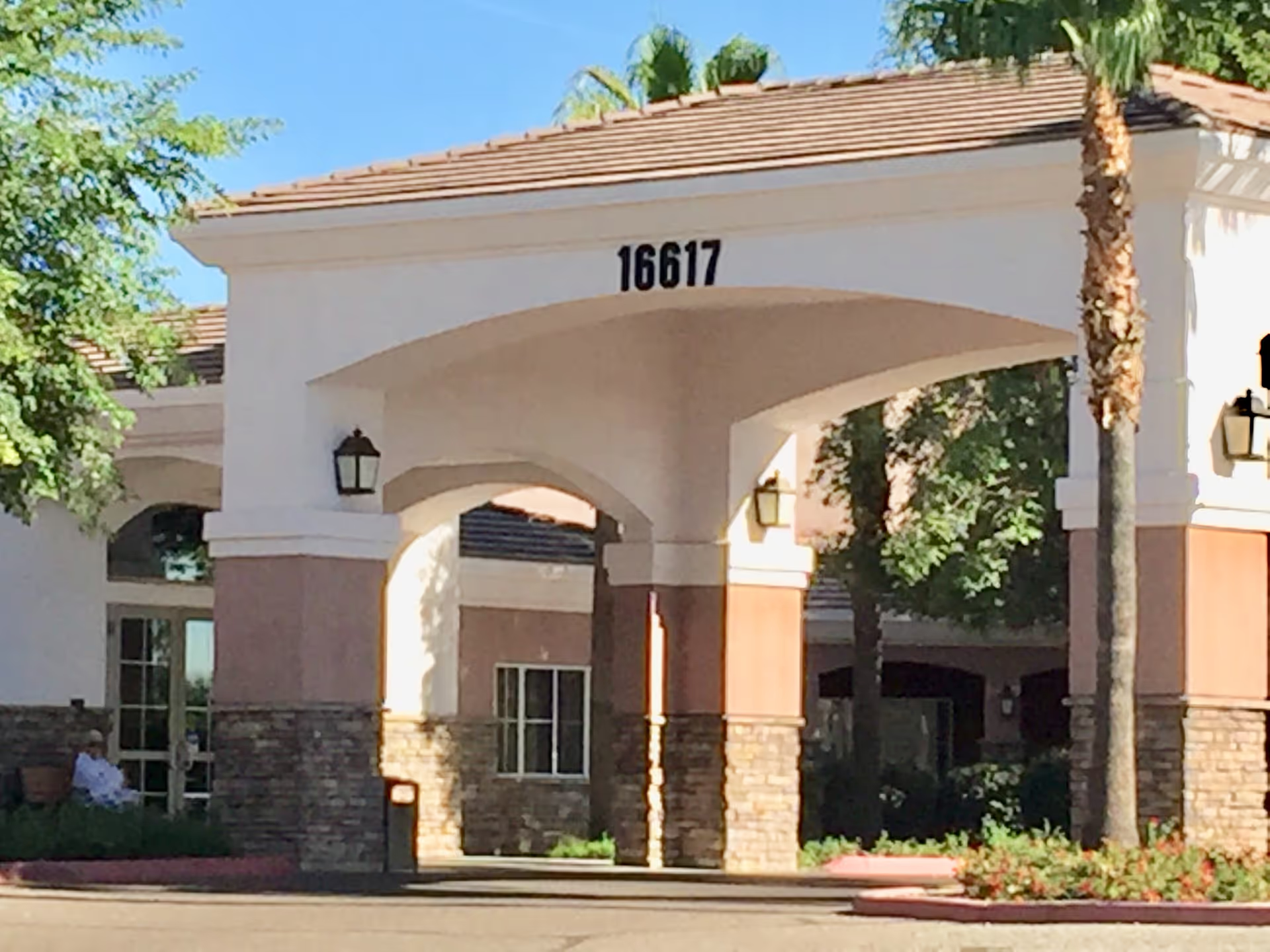
Avista Sun City West Memory Care presents as a small, memory-focused community with many strengths highlighted by families: a clean, well-maintained campus; a home-like cottage layout; chef-prepared, health-oriented meals; and a broad activity program designed for cognitive engagement. Reviewers consistently emphasize compassionate, resident-centered caregiving, a knowledgeable clinical team (including attentive med‑techs and a wellness director), and visible efforts to keep families informed. Several families noted the presence of hospice support and safety measures such as camera monitoring, which contribute to an overall sense of security and dignity for residents.
Care quality appears generally strong in several domains, particularly individualized attention in the smaller household model and supportive interactions from many care staff. At the same time, there is a clear pattern of variability: some reviewers praised exceptional, above-and-beyond care, while others described uneven staff performance. Operationally, staffing levels and consistency emerge as recurring concerns that can affect responsiveness. Linked to staffing are clinical-monitoring gaps cited by families — for example, limited frequency of certain measurements and uneven attention to scheduled checks — which indicate room for more consistent surveillance and documentation of vital signs and condition changes.
Dining and nutrition receive considerable positive feedback for quality and healthy options, and staff are described as receptive to nutritional education. However, reviewers also raised issues with adherence to individualized nutrition or medical orders, suggesting occasional lapses in following specific care plans. Activities are generally viewed as meaningful and varied (games, art, music, walks), and the environment — cozy common areas, natural light, seasonal decorations — supports social engagement; pandemic-related restrictions were mentioned as having slowed activity pacing in some periods.
On management and operations, strengths include leadership commitment to clinical standards and proactive family communication in many cases; yet reviewers also noted operational weaknesses. These include an outdated internal phone/communication system, administrative-process clarity gaps (for example around donations and access), management turnover, and inconsistent follow-through on critical event notifications — including end-of-life communications. Together these themes suggest that while the on-the-floor caregiving culture is often compassionate and competent, facility-level systems (staffing, clinical oversight protocols, communication technology, and administrative workflows) would benefit from targeted improvements.
For prospective families: the facility offers a warm, memory-care‑oriented setting with many examples of respectful, high-quality interactions and a strong activity/dining program. At the same time, evaluate current staffing patterns, clinical-monitoring protocols, and the facility’s communication procedures during your tour or questions; ask specifically about how the team ensures consistent adherence to individualized care plans, how vital signs and clinically important checks are documented and escalated, and how families are notified of significant changes in condition. These inquiries will help clarify whether the facility’s operational practices align with the positive caregiving culture described by many families.