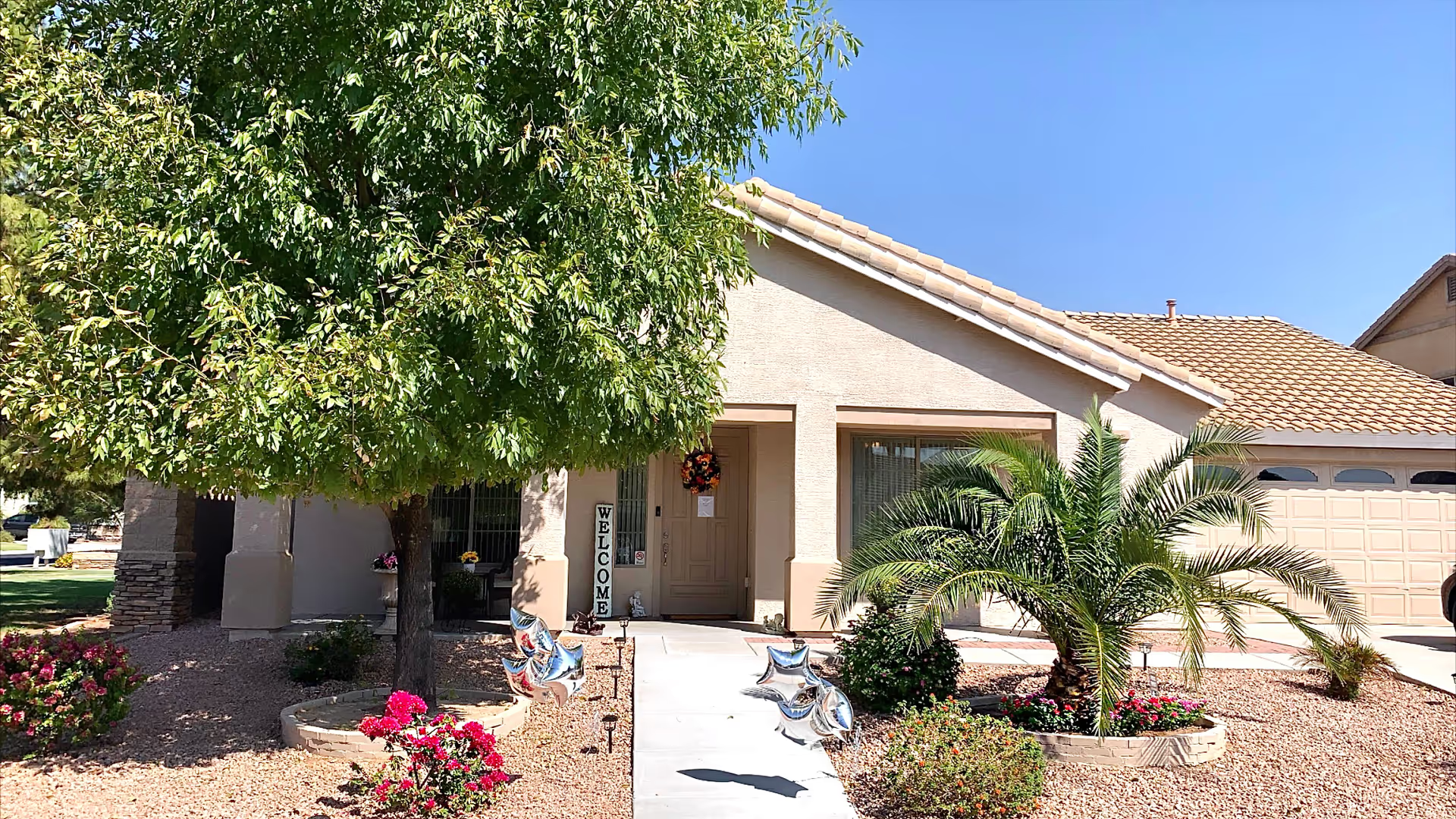
Chaparral Winds presents as a well‑appointed, campus-style senior living community with many operational strengths alongside recurring operational weaknesses. The facility earns consistent praise for its caregiving culture: reviewers frequently describe staff as compassionate, attentive and resident-focused, and individual caregivers and activity staff are often singled out for exceptional personal attention. Memory-care programming is a clear strength in several accounts, with dedicated staff, safety measures, and positive family experiences reported. On-site nursing and clinical support are available, and there are multiple references to collaboration with hospice and case management when end-of-life needs arise.
Dining and lifestyle offerings are a major selling point for many families. The community provides restaurant-style dining, rotating menus, flexible dining hours, and an activities calendar that includes outings, field trips, craft programs, exercise classes, and frequent social events. On-site amenities such as salons, exercise rooms, pools, salon services, and transportation for appointments and shopping contribute to an active lifestyle for residents. Apartments are described as roomy and well-appointed, often with kitchenettes and accessible bathrooms, and the grounds are generally regarded as attractive and well kept. Housekeeping and laundry services are available in many cases, and maintenance support is accessible through the front desk.
Despite these strengths, reviews reveal notable inconsistencies in core operational areas. Clinical oversight and nursing responsiveness are unevenly described: while some families report proactive nurses and timely care, others describe delays in clinical response, weight monitoring and documentation gaps, and situations where additional on-site clinical coverage would have been beneficial. Weekend staffing variability and higher staff turnover were cited as factors that affect continuity of care. Reviewers also raised concerns about communication during clinical incidents—examples include family notifications, hospital transfers, and follow-up—that point to gaps in incident‑response processes and family engagement.
Facility condition and maintenance are another mixed area. Many reviews praise cleanliness, housekeeping, and responsive maintenance, but others note aging infrastructure, deferred renovations, occasional building-system failures (boiler/hot-water, gates), and odor concerns in some common spaces. Dining quality and consistency are also variable across accounts: several reviewers applaud the chef and menu variety, while others describe instances of limited meal availability or weaker food quality. Service availability (for example whether meals are delivered or residents must fetch their meals, or whether in-house laundry is provided) varies, suggesting inconsistent implementation of service options or communication about included services.
There are intermittent but significant procedural concerns that prospective families should probe during a tour and intake. These include security-process gaps and allegations of missing belongings, inconsistent maintenance follow-up on facility systems, and perceived budgetary limits that affect responsiveness to resident requests. Memory care is generally praised, but reviewers also mention limits in dementia-care capacity and challenges when residents transition between living levels. Finally, while many families describe a strong sense of community and second-family feeling, others experienced management communication problems or perceived prioritization issues that affected their confidence.
Recommendations for prospective residents and families: verify current staffing patterns (including weekend coverage and overnight clinical availability), confirm which dining and housekeeping services are included versus optional, ask about recent or planned capital improvements, review incident-communication protocols and family-notification practices, and ask about security measures and inventory procedures for resident belongings. Overall, Chaparral Winds offers a robust program of social engagement, amenities, and compassionate staff presence, but decision-makers should assess operational consistency and facility-condition follow-through to ensure alignment with the resident’s clinical and lifestyle needs.