The reviews present a consistently positive portrayal of day-to-day life at the facility. Families and visitors emphasize a strong caregiving culture: staff are repeatedly described as compassionate, attentive, and professional, and the overall tone is that of a family-like, home environment. Reviewers also highlight the facility’s focus on resident dignity and advocacy, and several comments convey that families experience meaningful peace of mind as a result.
Clinical and care-strengths are largely framed around personalized attention and coordination with outside providers. The facility receives specific praise for working closely with hospice providers and for communicating effectively with family members. Reviewers credit staff with timely updates and responsiveness to questions, which supports continuity of care and facilitates end-of-life coordination when needed.
Dining and activities are clear strengths in the reviewers’ accounts. Meals are described as homemade and nutritious, and the dining experience is repeatedly singled out as a positive. Activity programming is characterized as engaging and appropriate for a home-like setting, contributing to an inviting atmosphere and resident well-being.
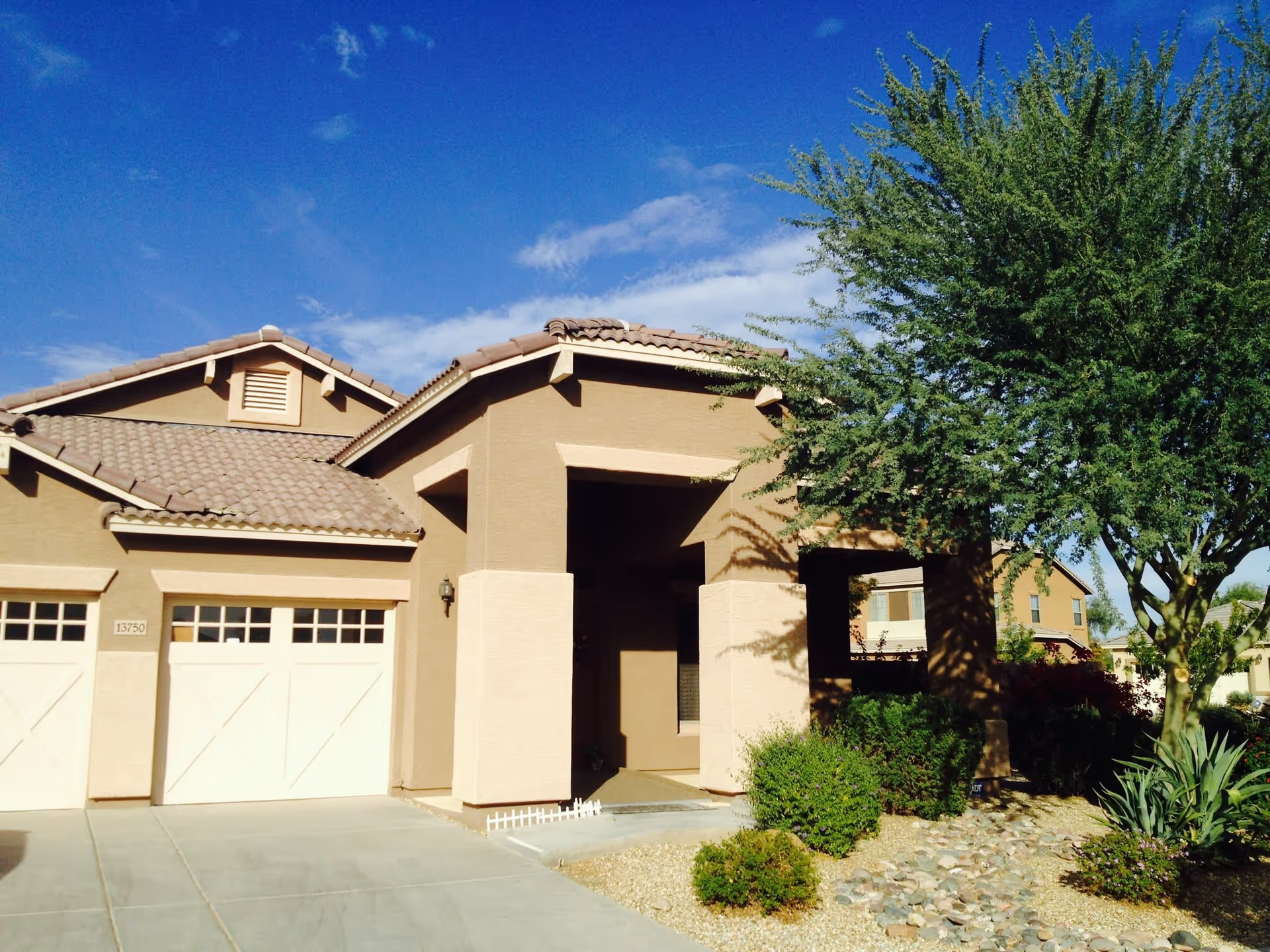
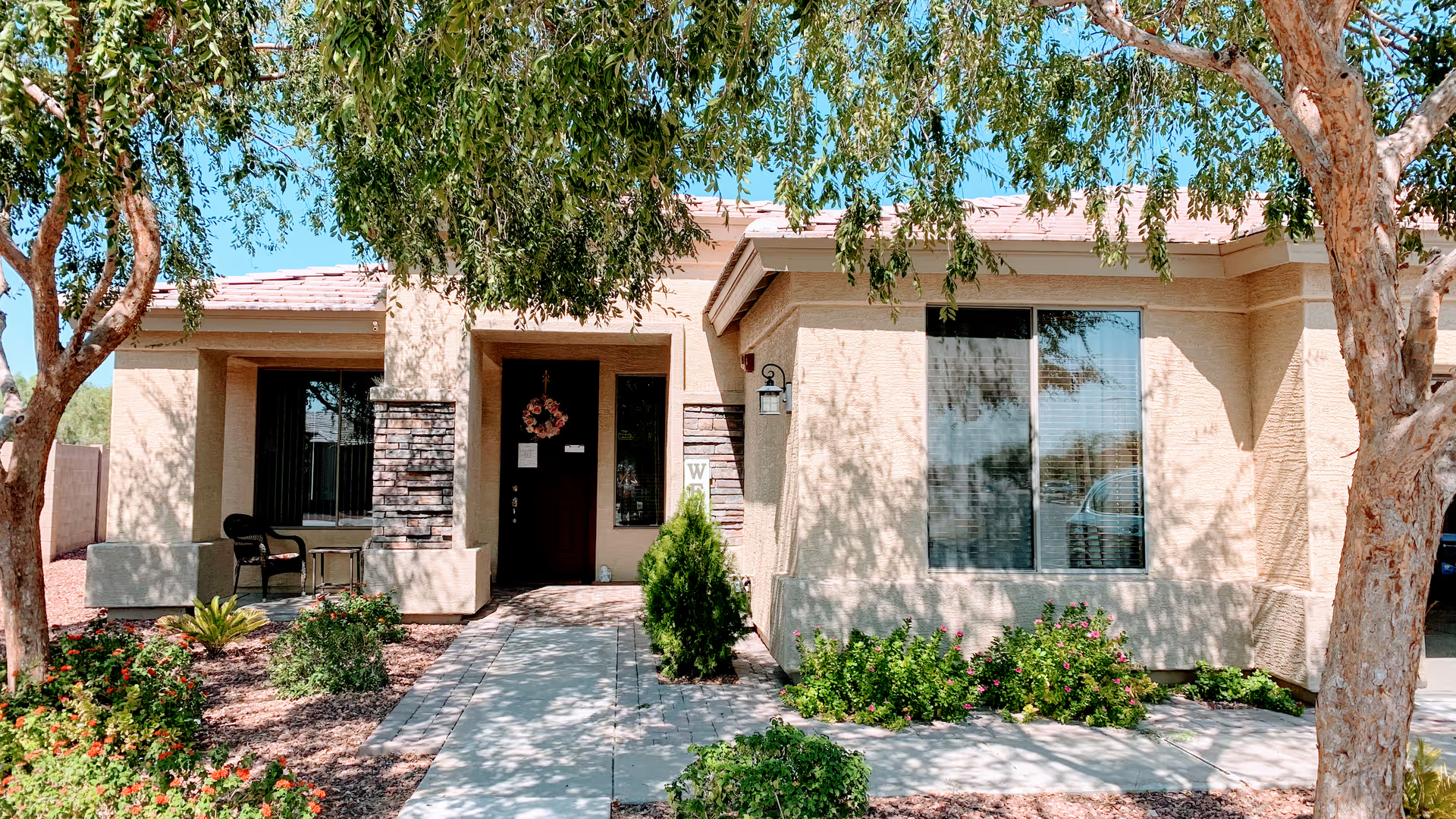
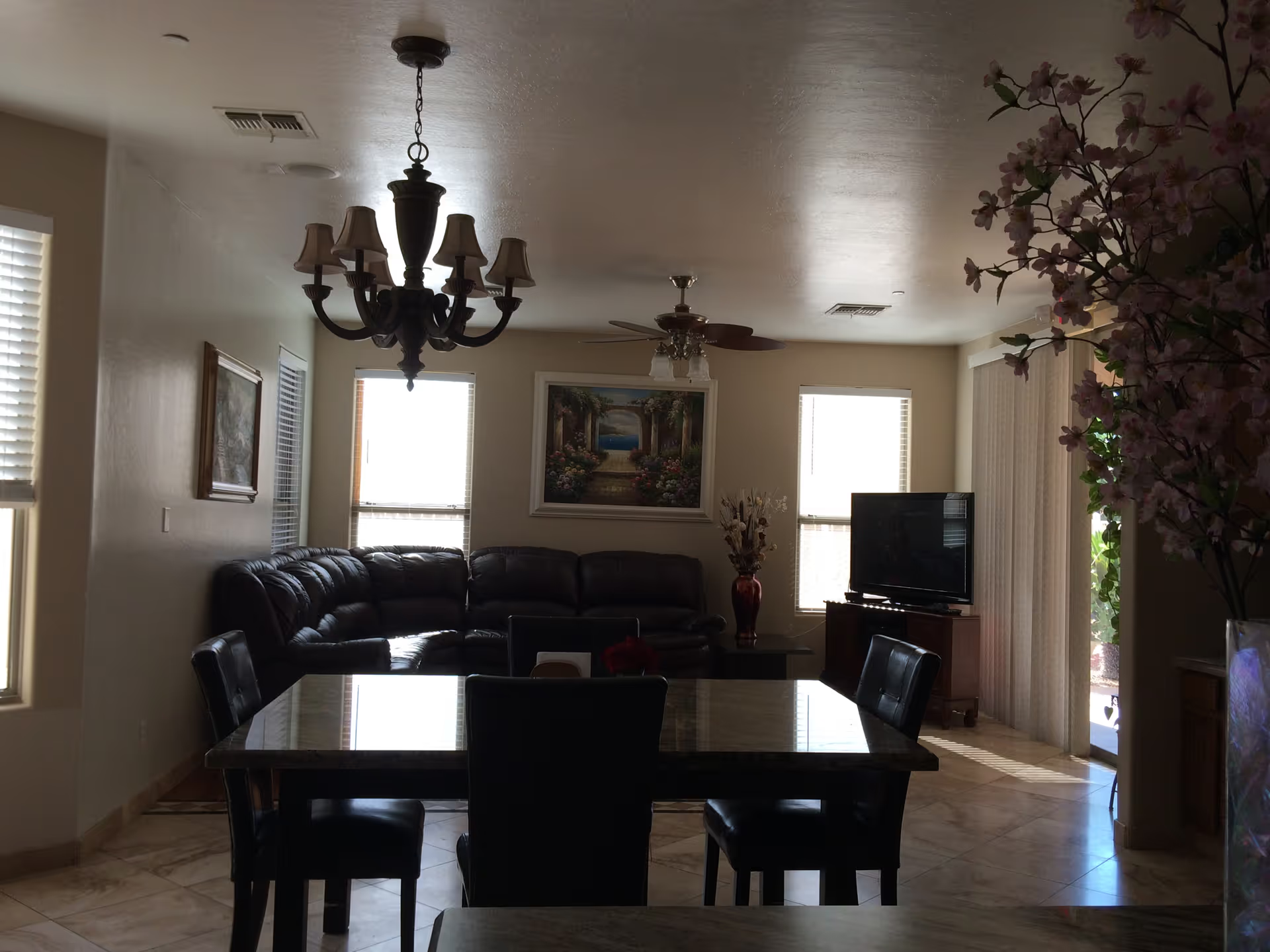
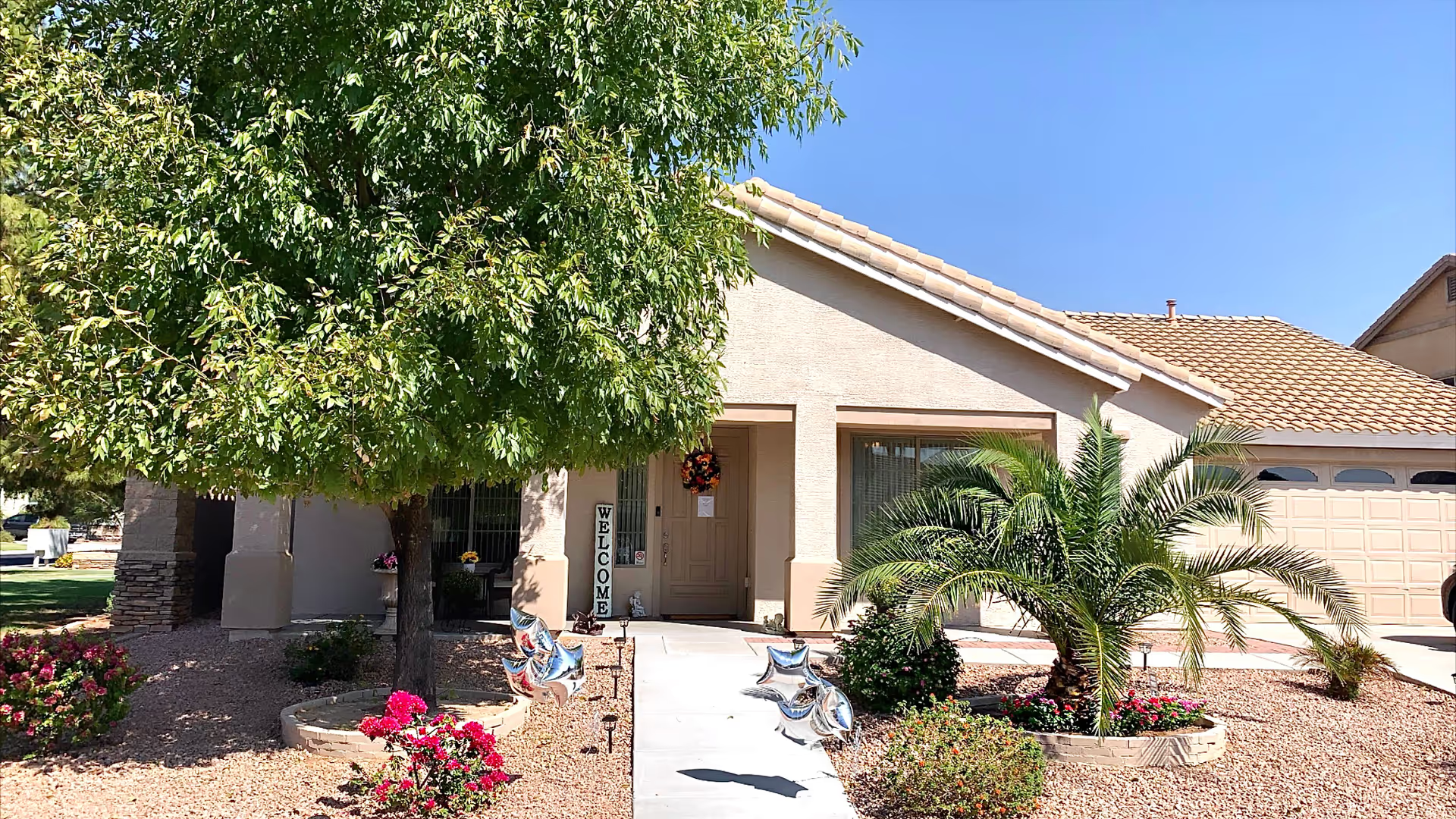
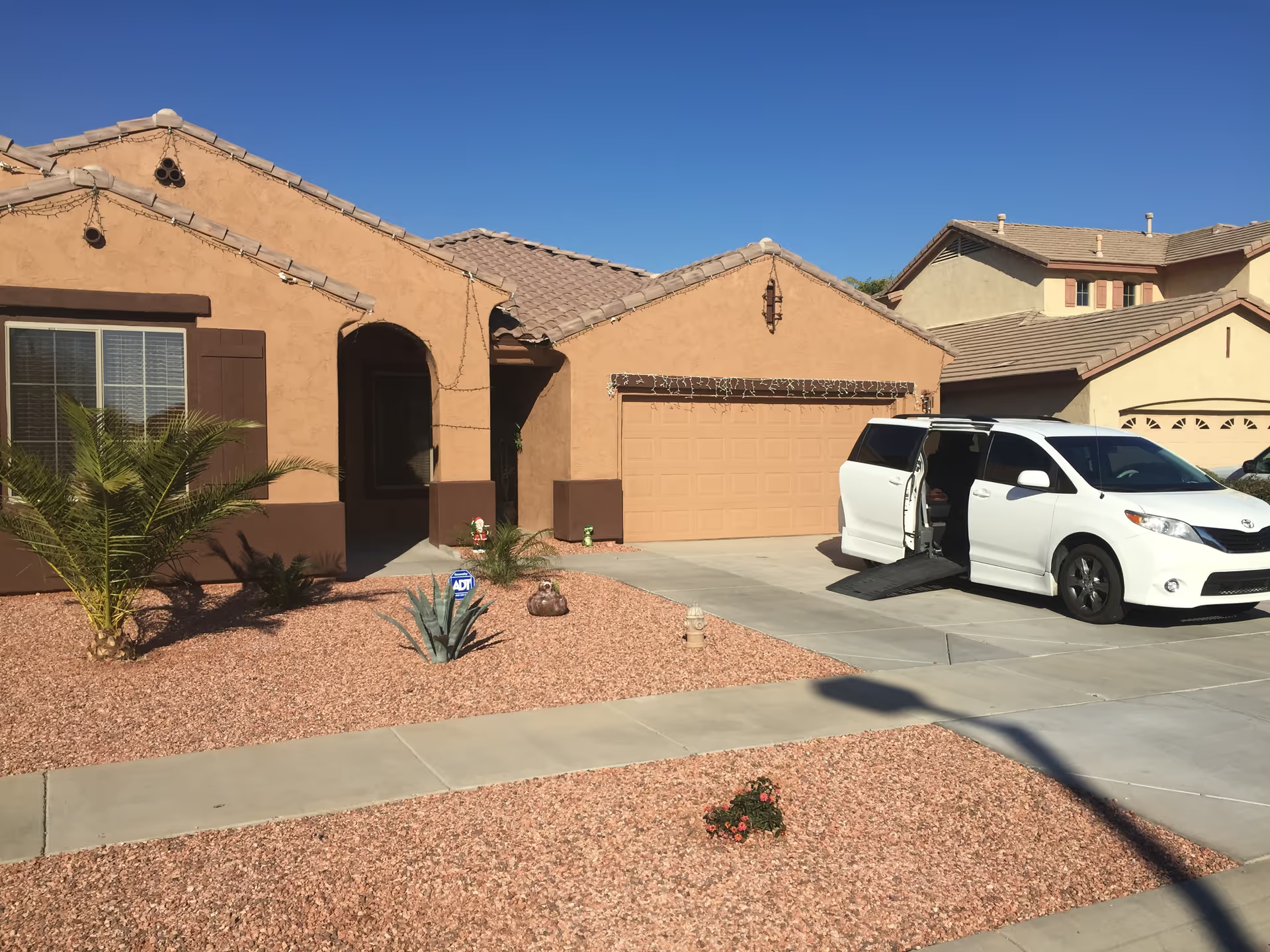
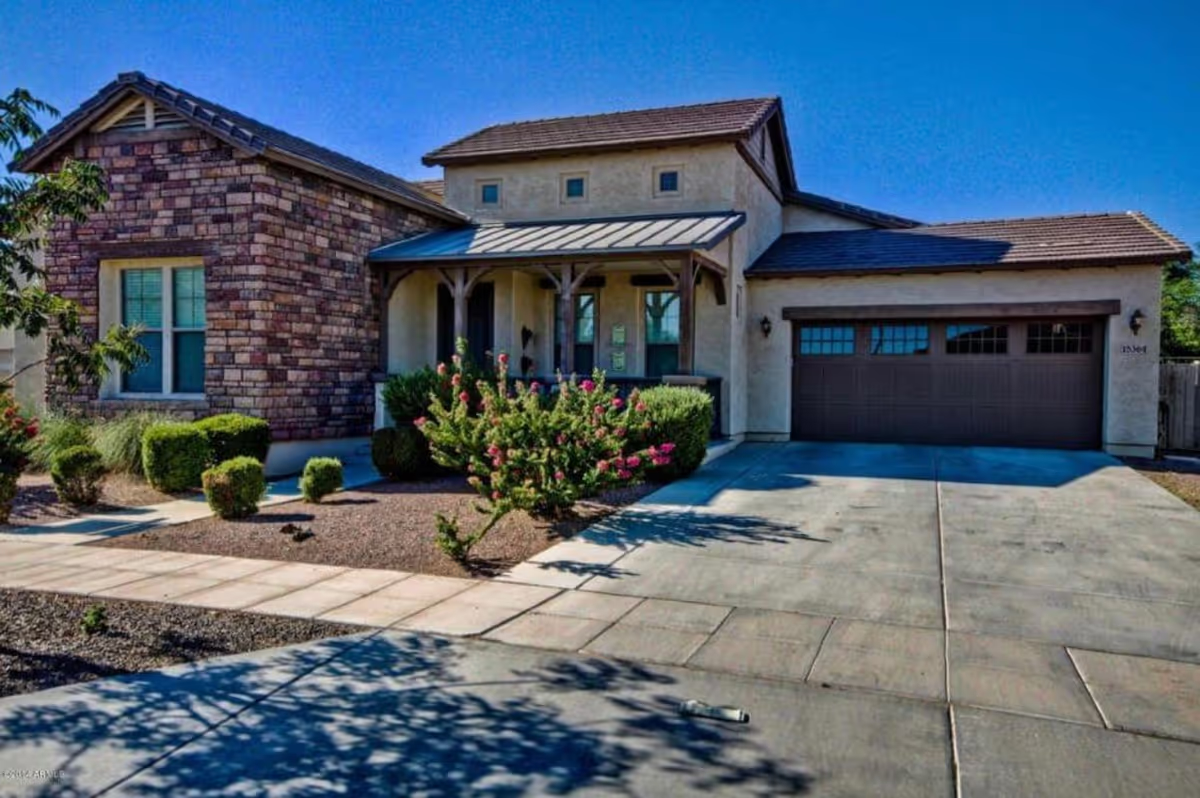
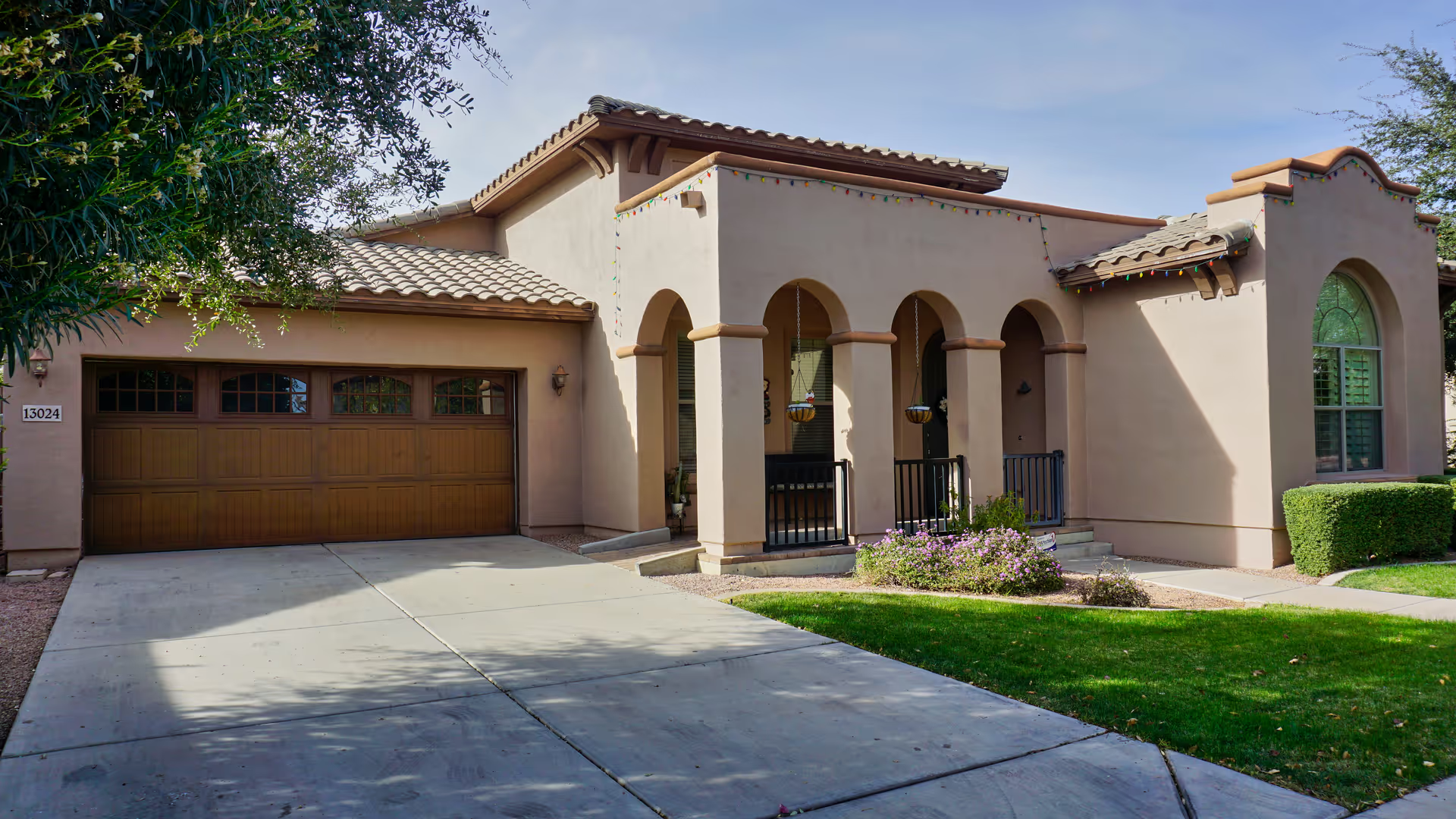
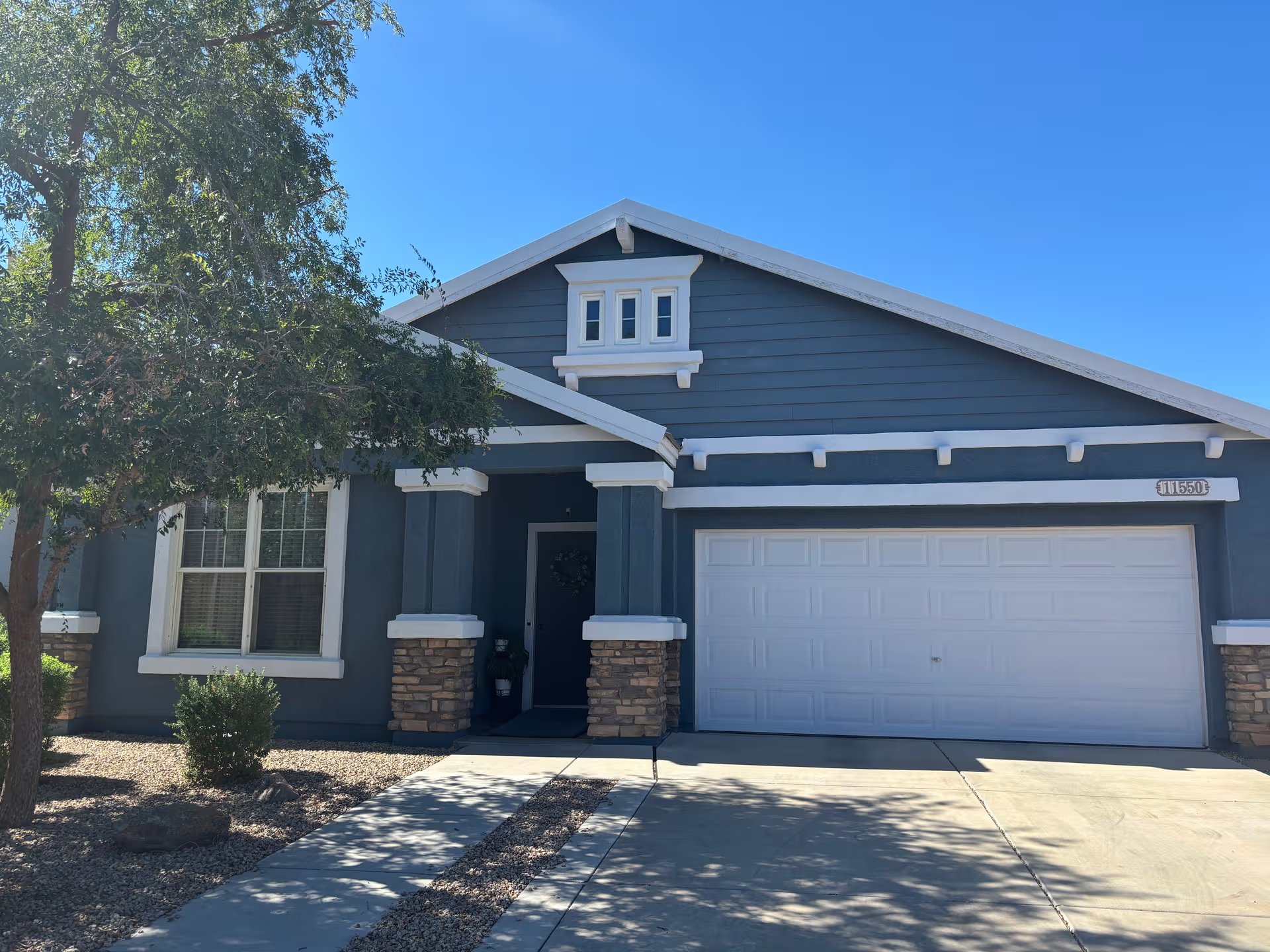
Facility condition and environment are also noted positively. Multiple comments reference cleanliness, tidy and well-maintained spaces, and a welcoming aesthetic. The small-scale, residential model appears to support a warm atmosphere and close staff–resident relationships.
Areas that would benefit from additional clarification or documentation are mainly operational and programmatic rather than overt deficiencies reported in the reviews. Publicly available detail about nursing acuity levels, staffing ratios, and clinical credentials is limited in the commentary provided; prospective families seeking higher-acuity medical services or formal therapy programs may wish to confirm those capabilities directly. The small, home-like model that reviewers praise for atmosphere can also imply capacity limits and a reliance on individual caregivers’ styles, which may produce variability in how services are delivered.
Overall, the pattern in these summaries is of a well-kept, family-oriented assisted living home with strong interpersonal care, good meals, active engagement, and effective family communication. Prospective residents and families should verify clinical staffing levels and specialized-service availability if higher-acuity needs or formal therapy programs are anticipated, but for those seeking a personal, compassionate residential setting the facility’s reported strengths align with that preference.