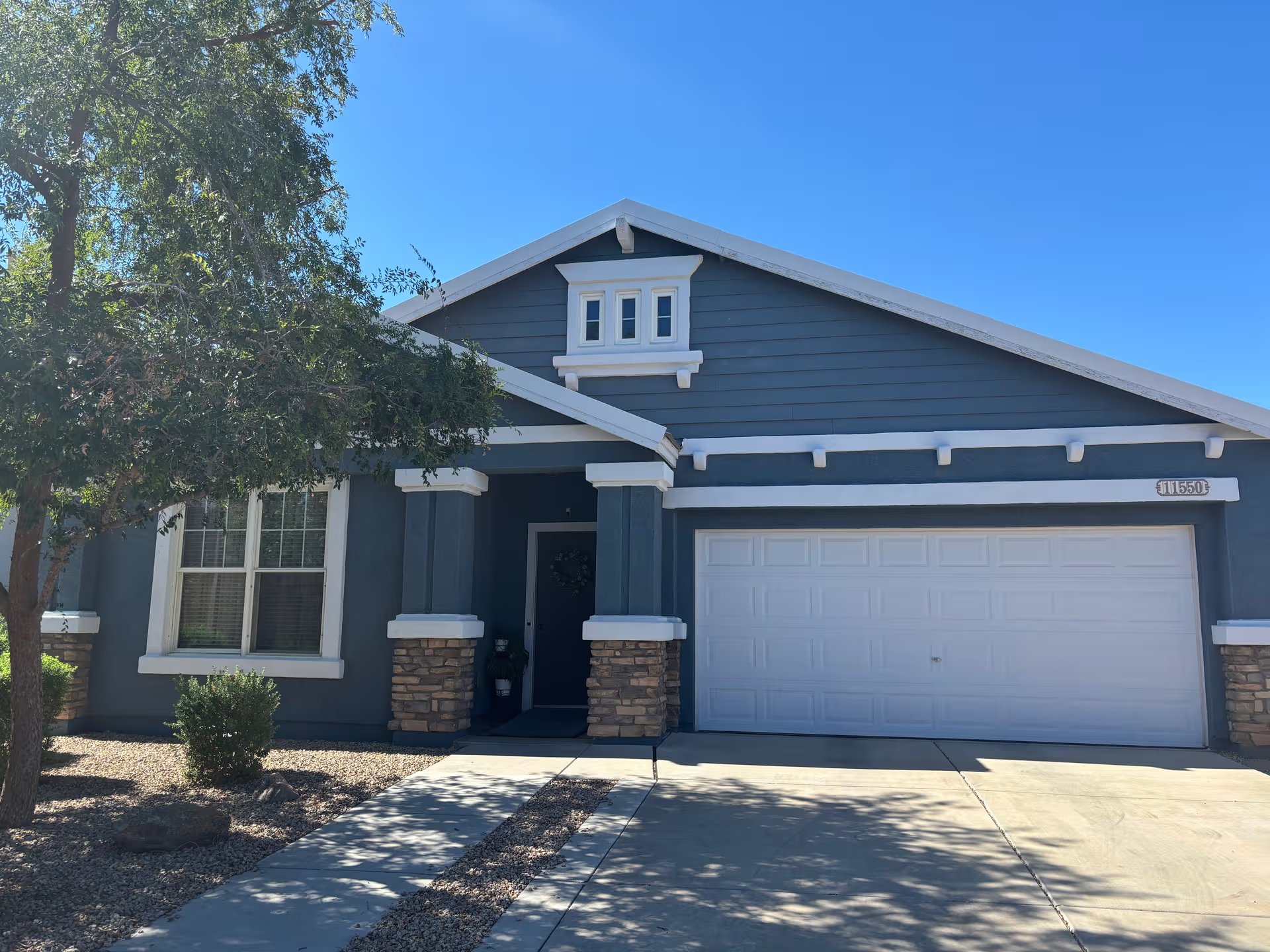
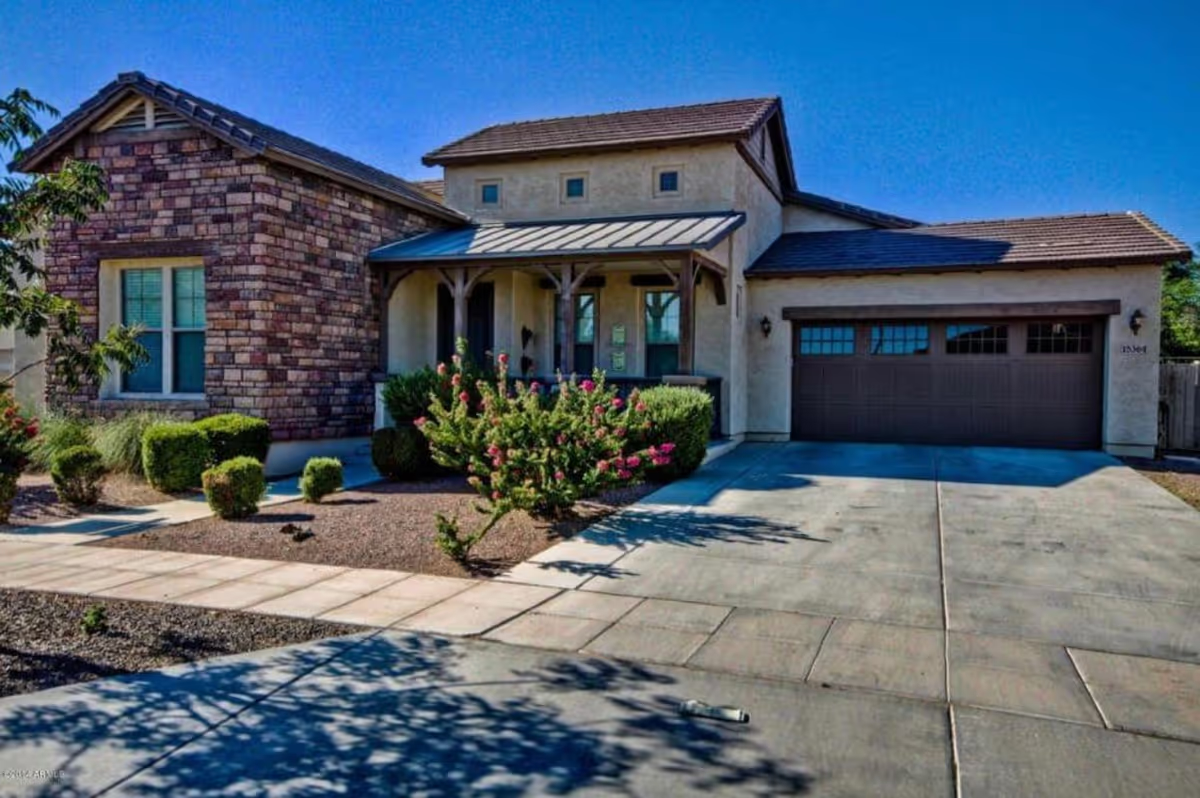
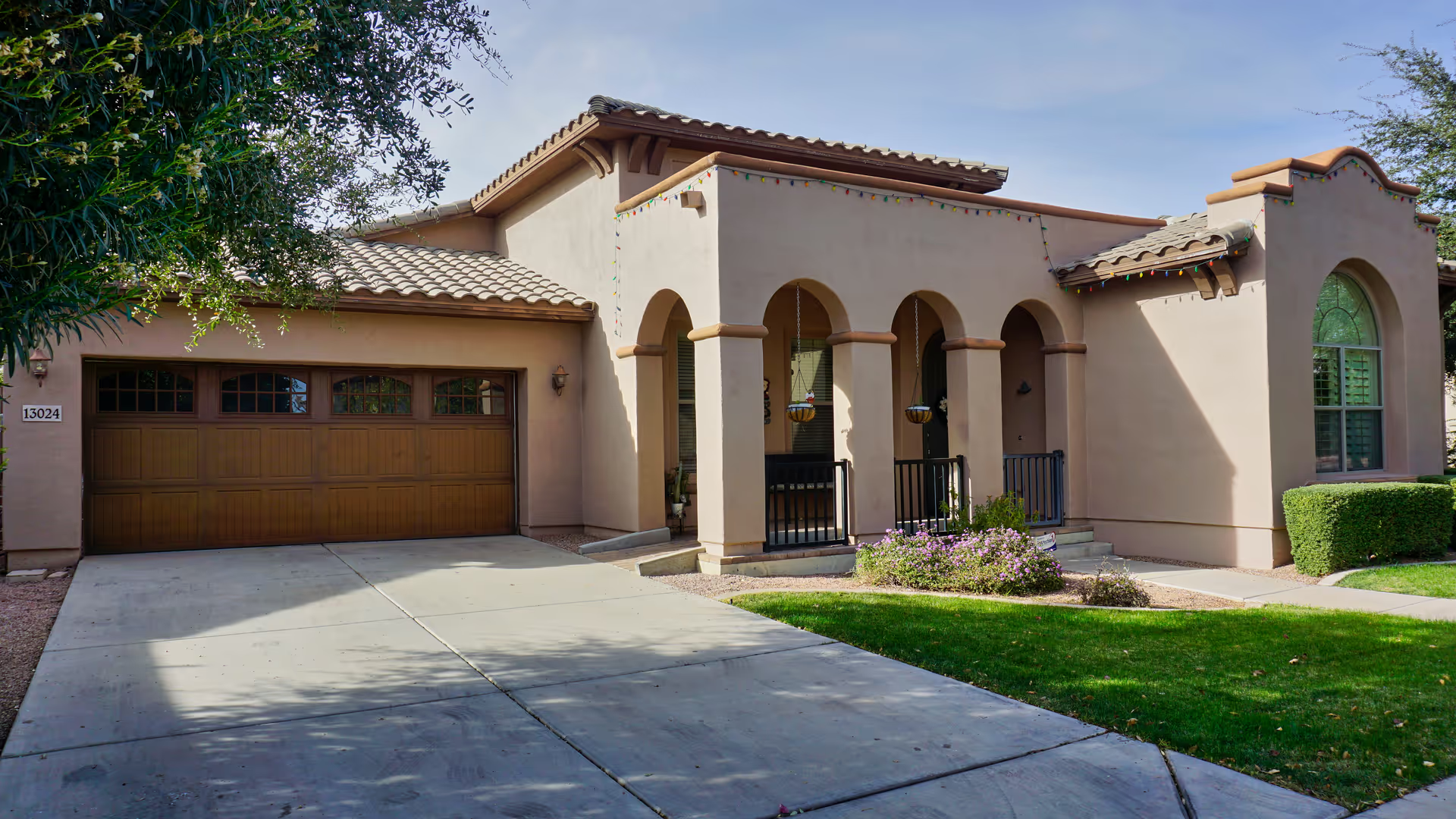
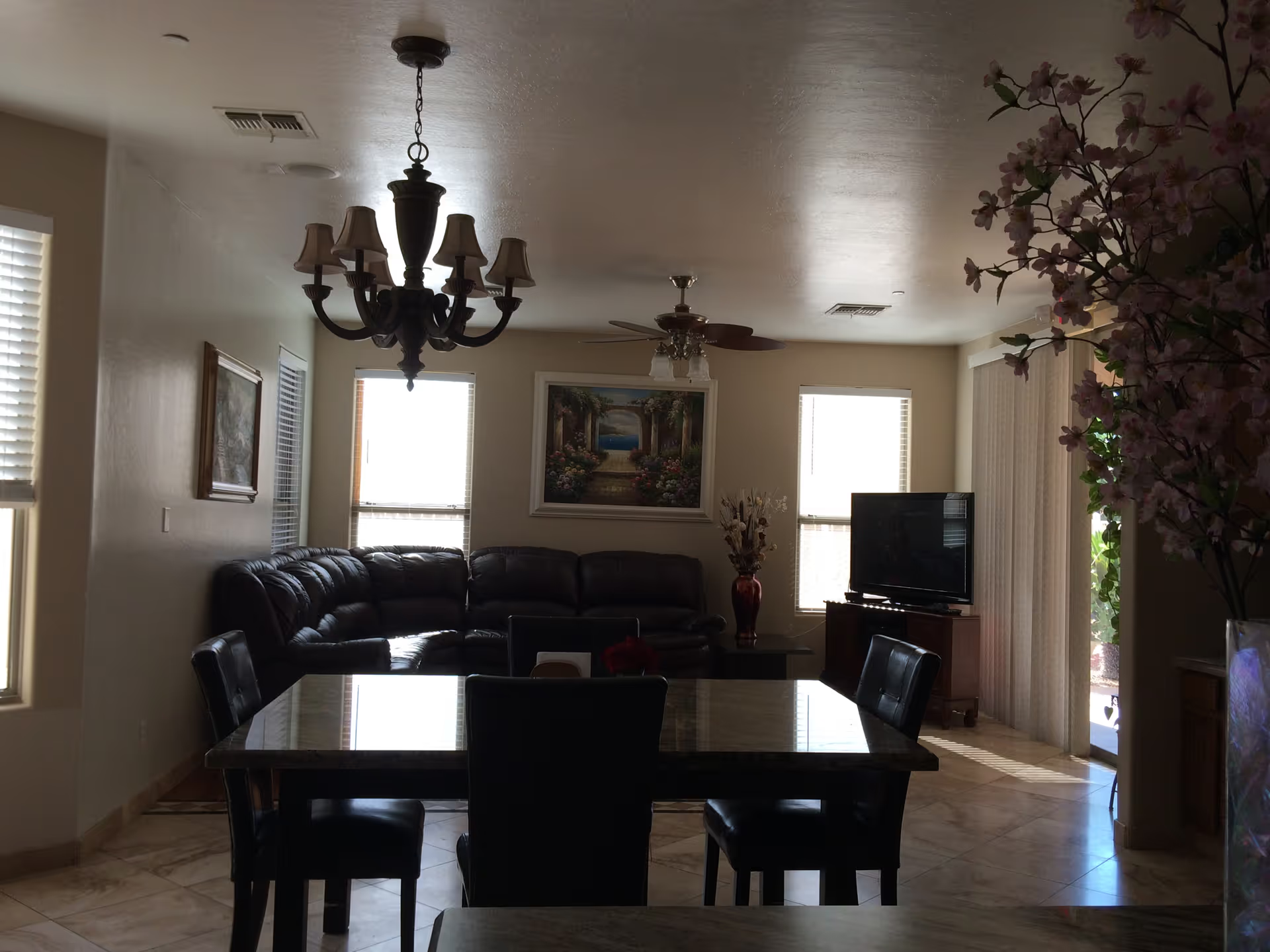
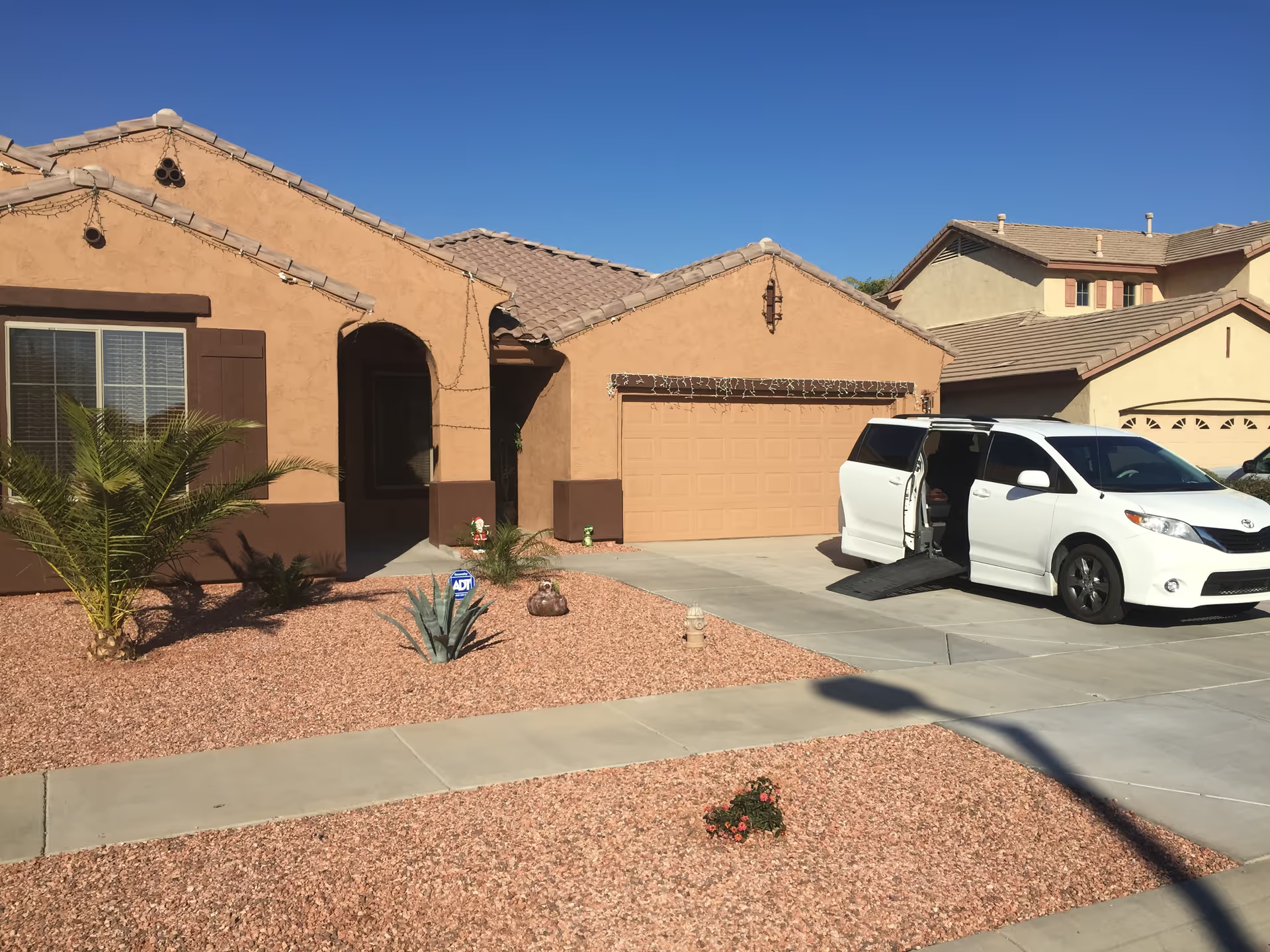
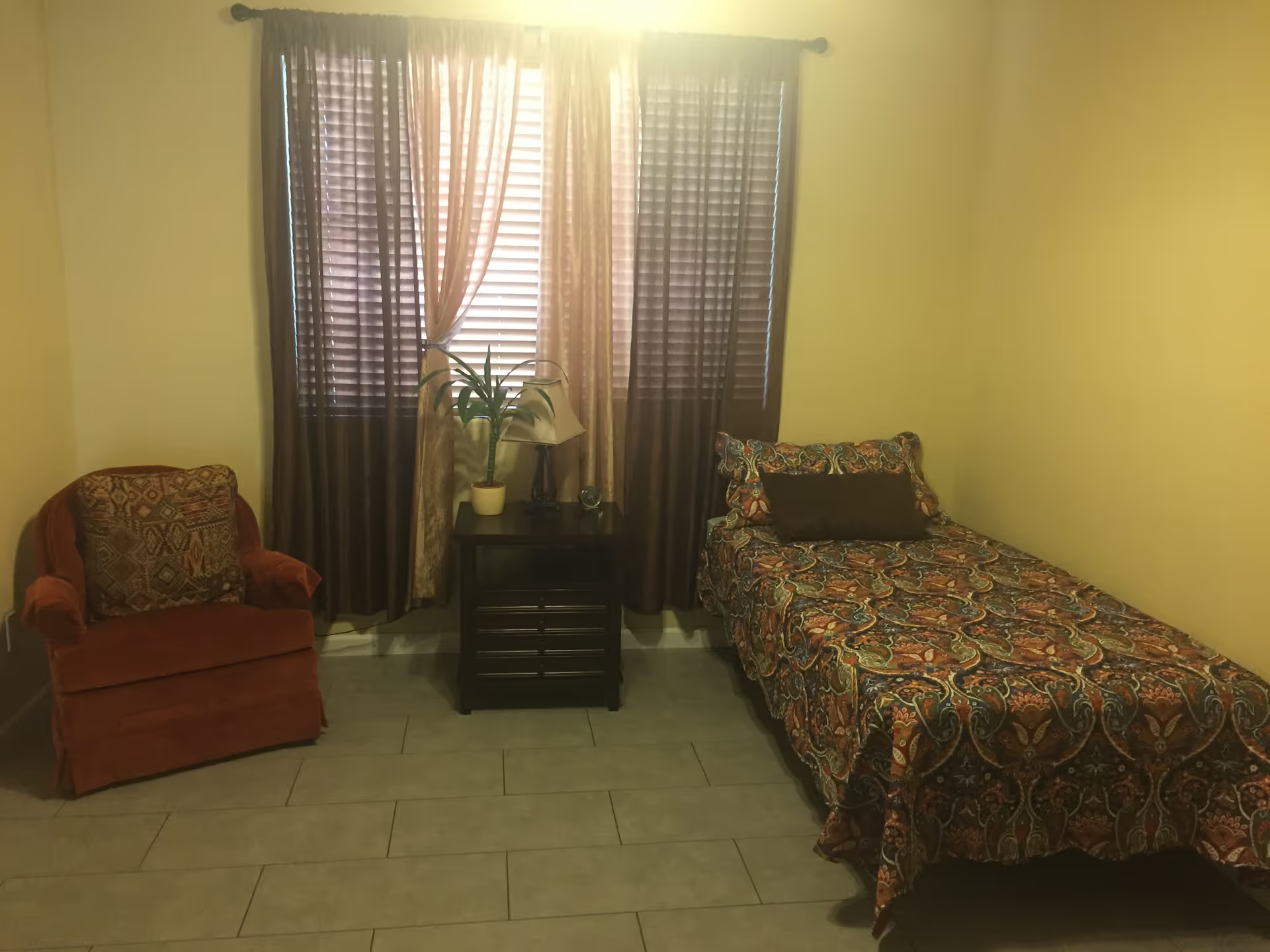
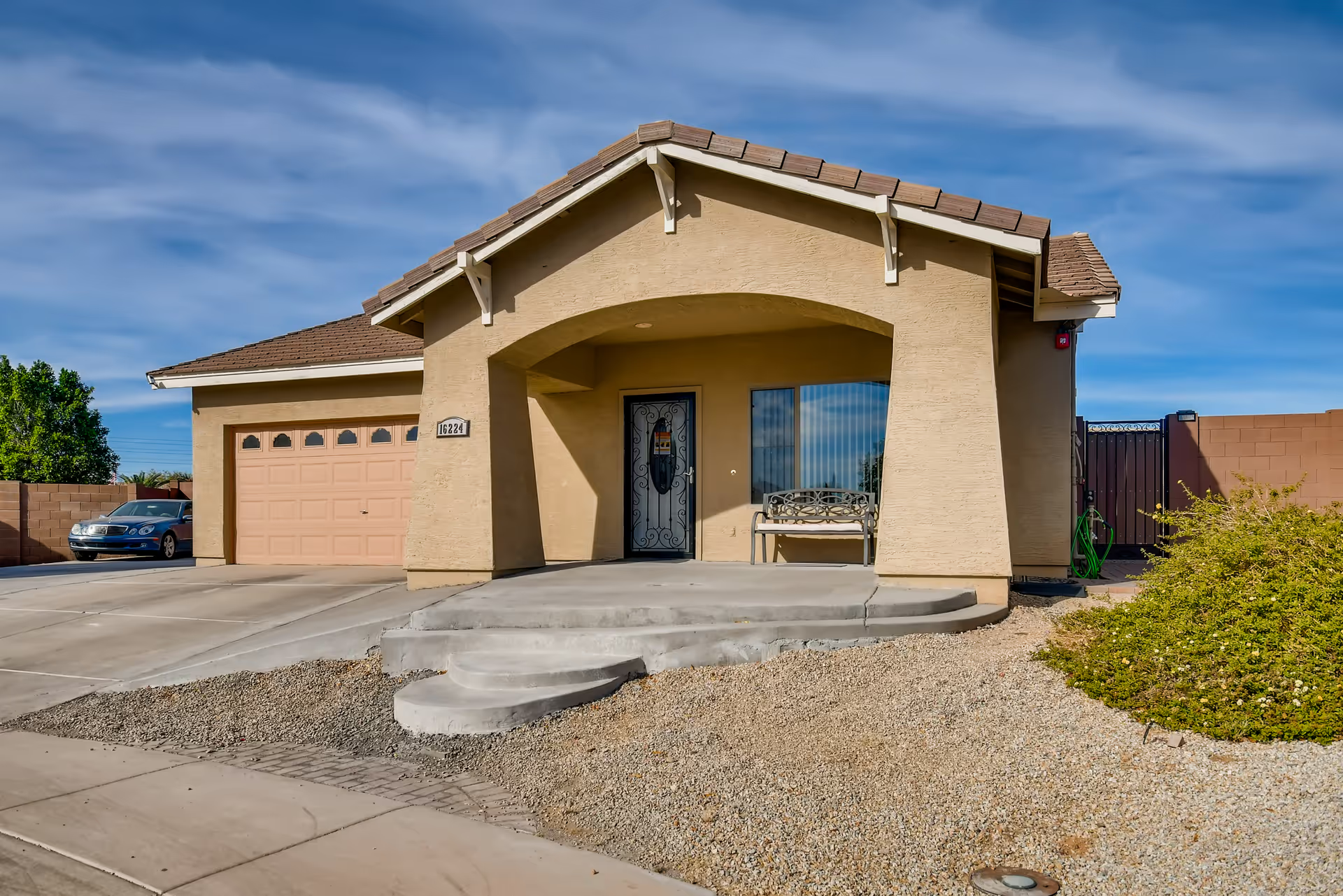
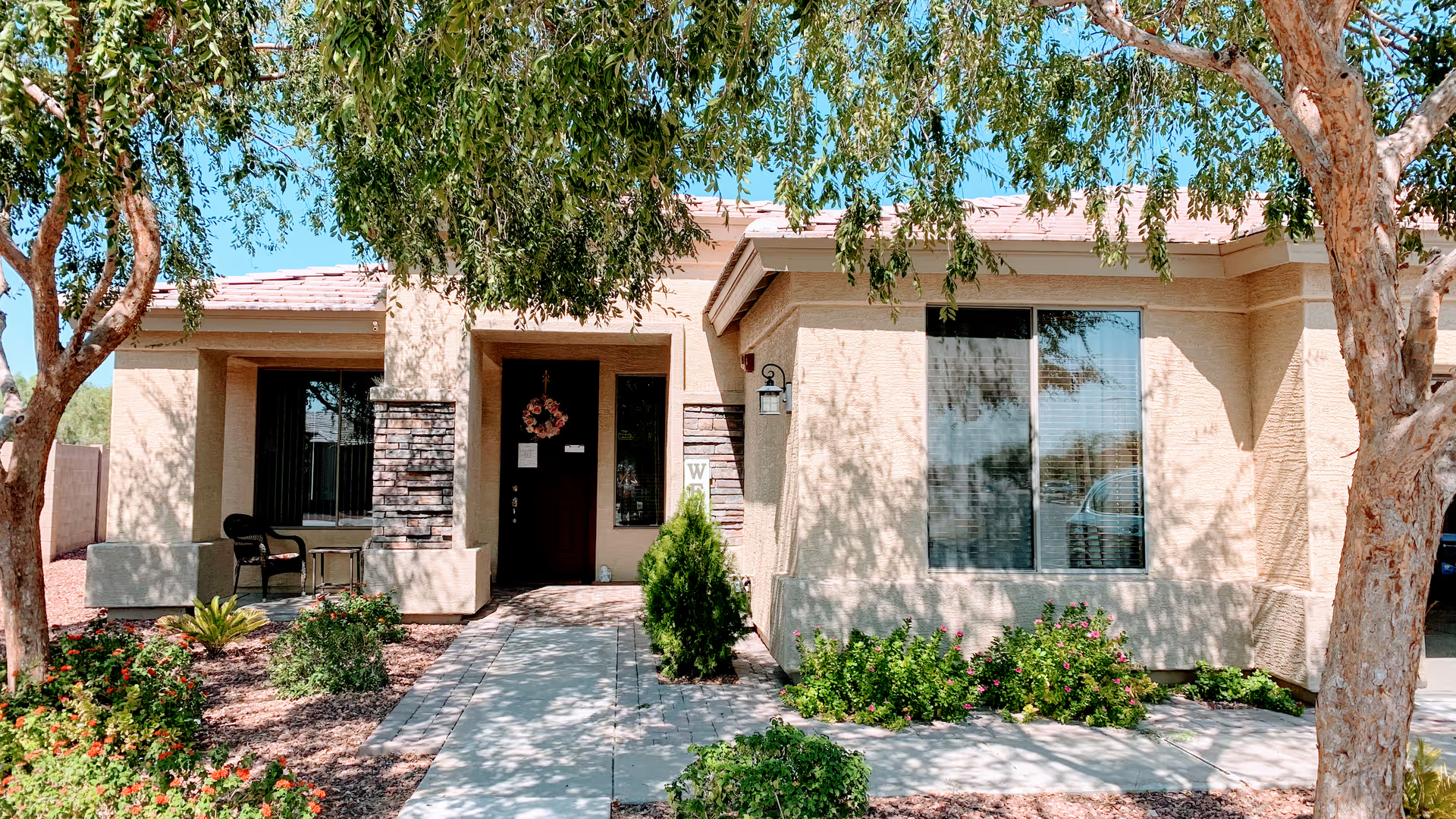
Good Nurses Assisted Living presents as a small, homelike provider with several clear strengths. Multiple accounts describe a clean, well-kept house with private rooms, an outdoor patio and large backyard, and a welcoming atmosphere that families find comforting. The facility emphasizes home-style meals with variety, and reviewers commented favorably on the friendliness and attentiveness of many caregivers. A lower resident census in relation to staff was noted by some as enabling personalized attention, and at least one family described peaceful, attentive care at end of life.
At the same time, the review corpus indicates variability in the consistency and clinical quality of care. While several reviewers praised specific caregivers for patience and kindness, other accounts describe deficiencies that point to systemic operational gaps rather than single isolated events. The primary clinical concerns inferred from these accounts include delays in incontinence care, lapses in skin-care and pressure-injury prevention protocols, and uneven caregiver competency. Together these suggest that caregiver training, supervision, and shift-to-shift consistency may require stronger processes and oversight.
Dining and activity programming are generally viewed positively: meals are described as home-cooked and varied, and families appreciate occasional entertainment and birthday or social events. However, dietary accommodations appear limited; vegetarian/vegan needs were specifically identified as an area where menu flexibility could improve. Recreational programming appears modest and intermittent rather than highly structured, consistent with a smaller, home-style setting.
Management and family communication show mixed impressions. Ownership is described as kind and engaged, and some families felt well supported. At the same time, the facility may benefit from clearer clinical-incident response procedures and more proactive family communication when clinical concerns arise. Prospective residents and families should consider asking about staff training protocols, pressure-injury prevention practices, policies for incontinence care, the facility’s approach to special diets, staffing consistency across shifts, and how the provider documents and communicates incidents or care changes. These targeted questions will help evaluate whether the facility’s strengths align with a prospective resident’s clinical and lifestyle needs.