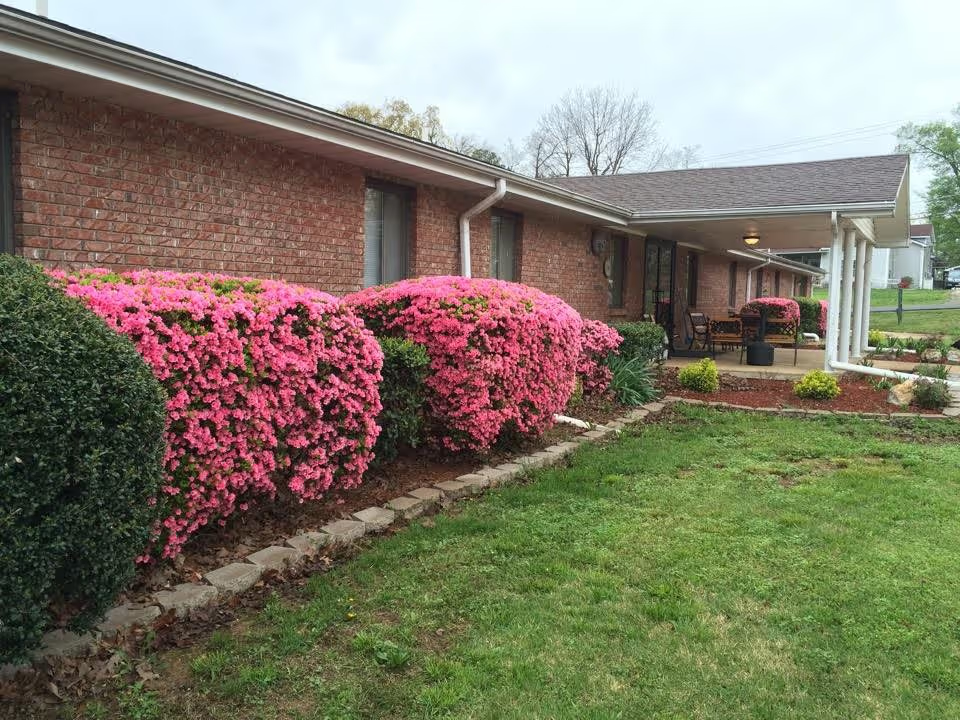
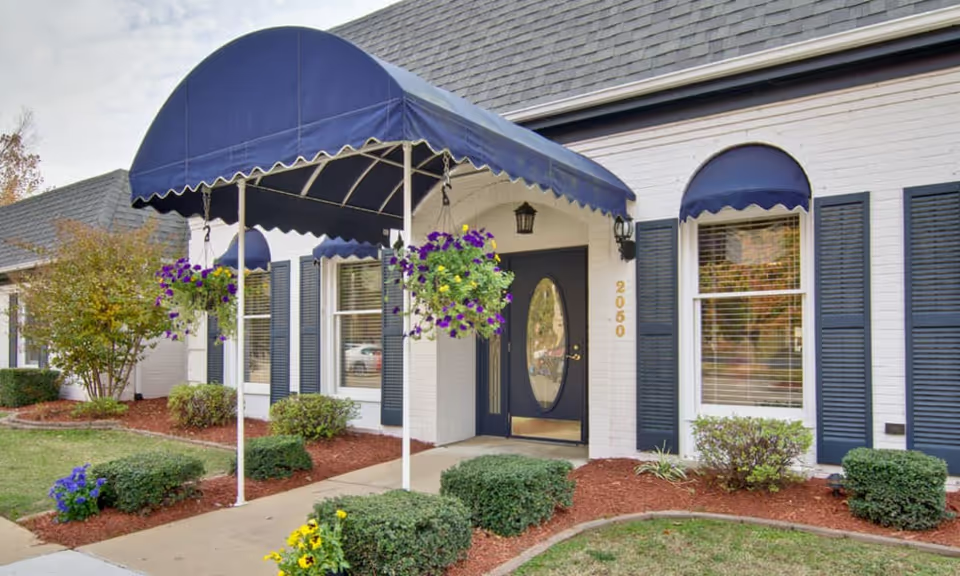
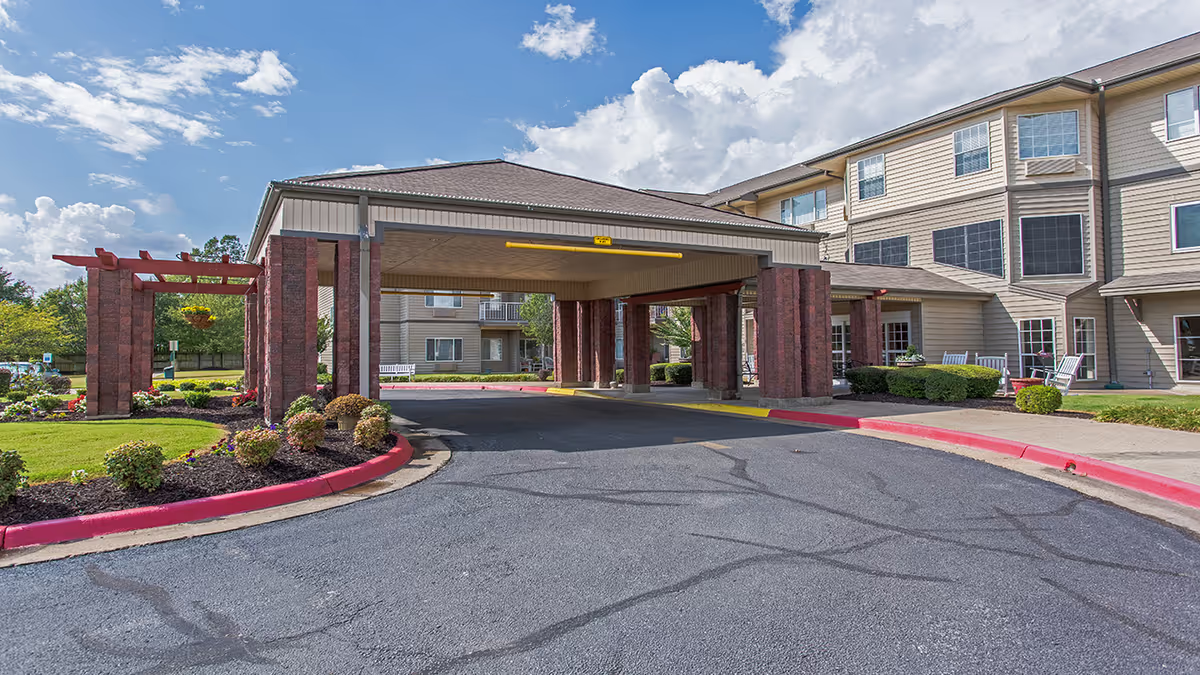
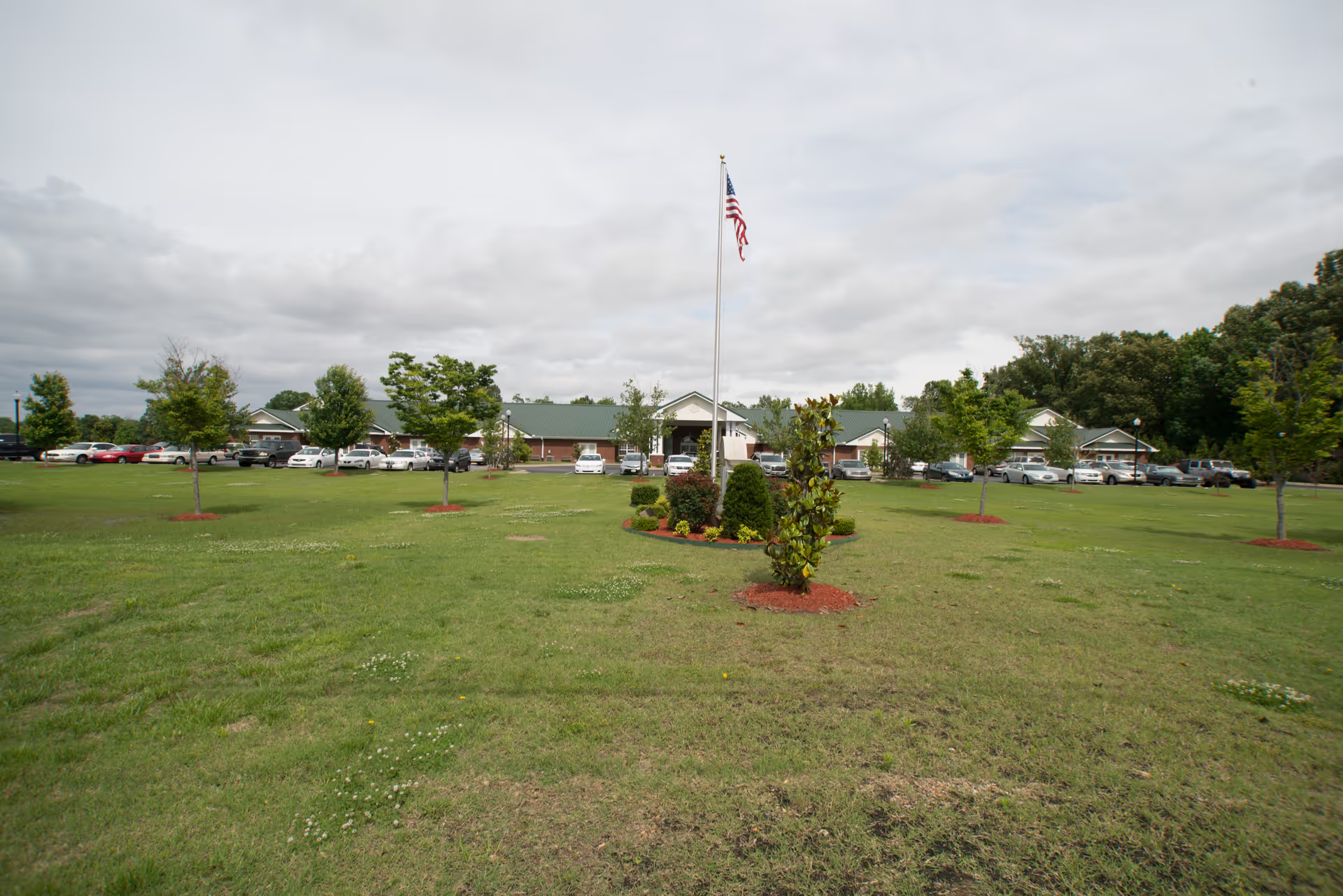
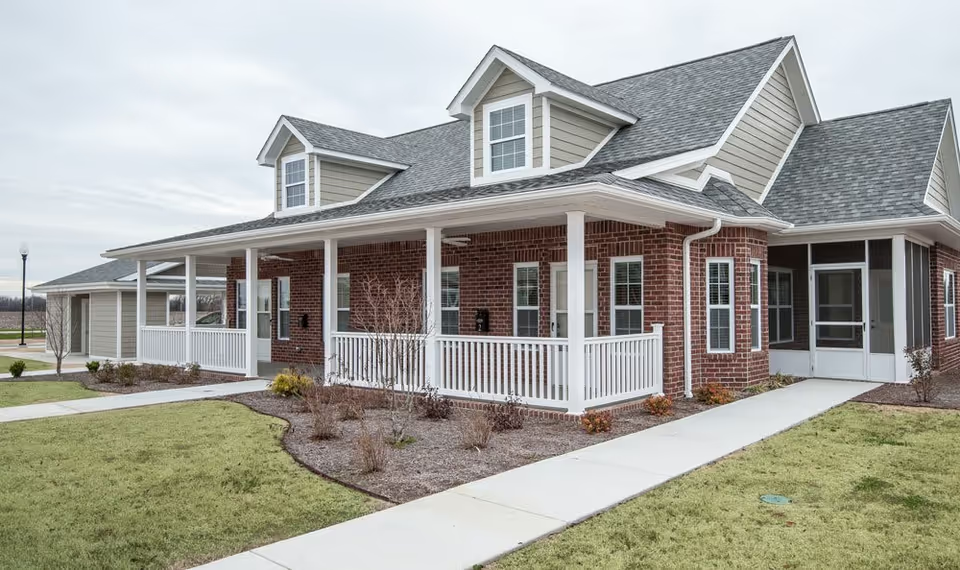
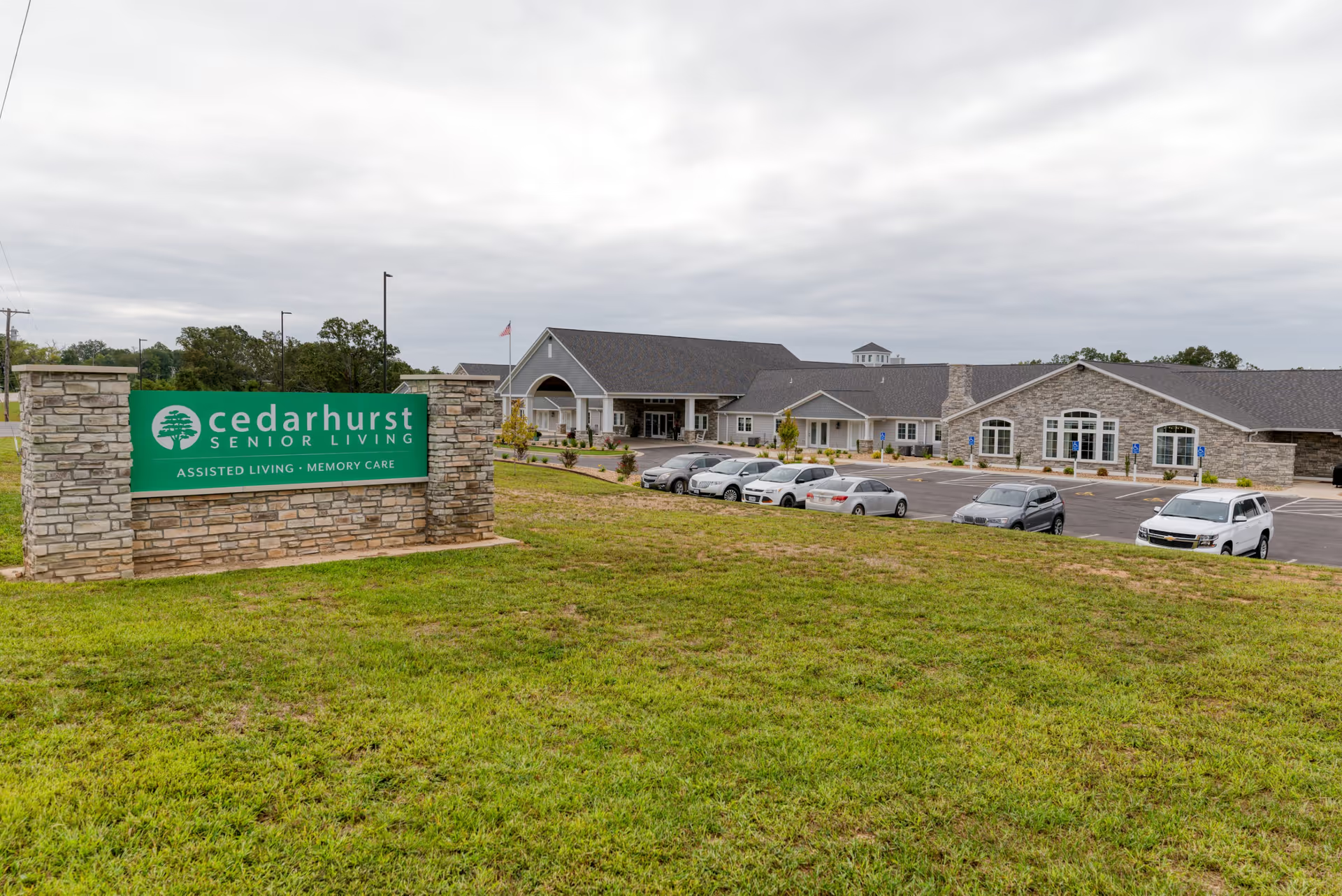
Corning Therapy & Living Center elicits notably mixed but specific impressions. Many reviewers emphasize a caring, customer-focused culture: staff are frequently described as compassionate, attentive, and well trained, and therapy/rehab services receive favorable comment. The facility itself is repeatedly portrayed as clean and well maintained, with attractive grounds, roomy, home-like resident rooms, and common areas that support social engagement. Dining receives positive marks for taste, variety and vegetarian options.
Care quality is characterized by a strong positive strand — families and residents often describe empathetic caregiving, effective therapy outcomes, and a helpful nursing presence. At the same time, there are substantive concerns about consistency. Some families raised serious issues about staff conduct and transfer practices, including alleged rough handling and omission of transfer-assist devices; those accounts suggest gaps in transfer and mobility-safety protocols and uneven CNA performance. Taken together, the pattern is one of generally good care punctuated by episodes of inconsistent practice.
Operationally, the facility is praised for its rehabilitation program, cleanliness, and a family-like atmosphere that supports resident engagement and end-of-life support for some families. Administration receives mixed feedback: several families noted responsiveness and clear communication, while others reported that complaints were not satisfactorily addressed. This creates a perception of variability in management follow-through and accountability mechanisms.
For prospective residents and families: the center shows clear strengths in environment, food, therapy, and many staff interactions, but the variability in staff performance and transfer-safety practices warrants direct inquiry. Recommended questions for an in-person visit include current staffing levels and turnover, formal transfer and gait-belt protocols, CNA supervision and training refreshers, complaint-escalation procedures, and the facility’s most recent quality or inspection reports. Observing staff–resident interactions during a visit can also help assess consistency in practice.