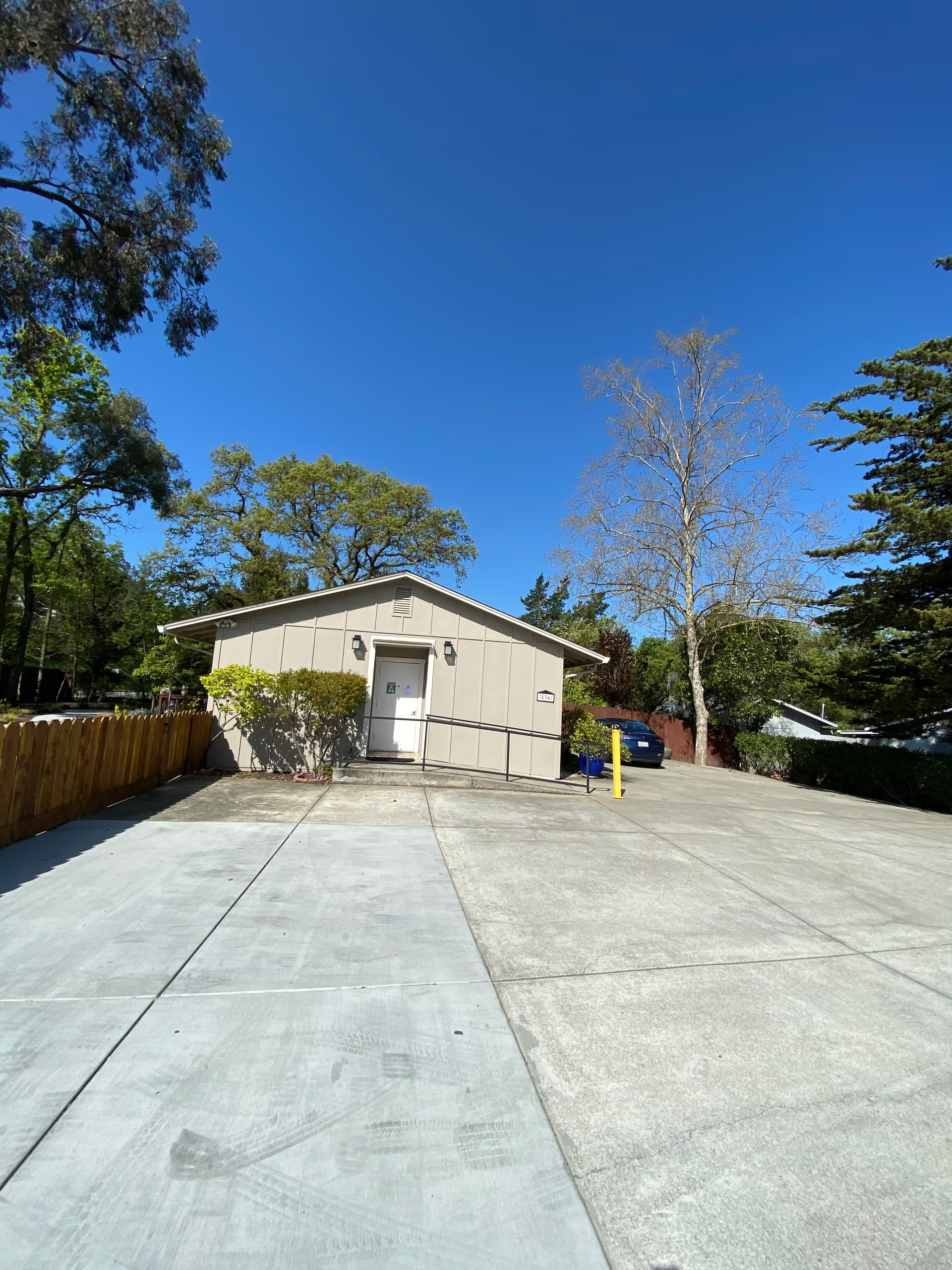
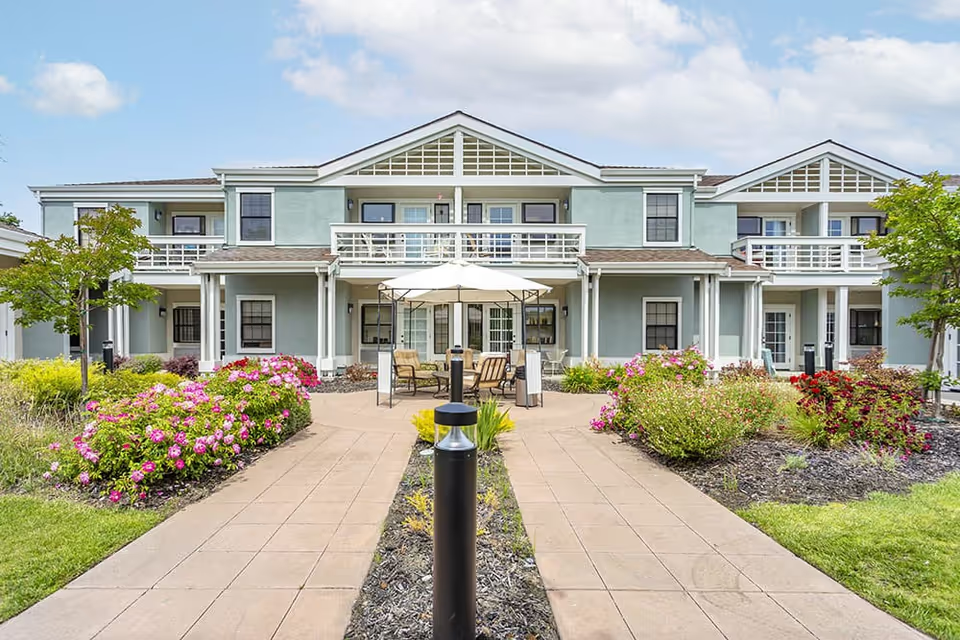
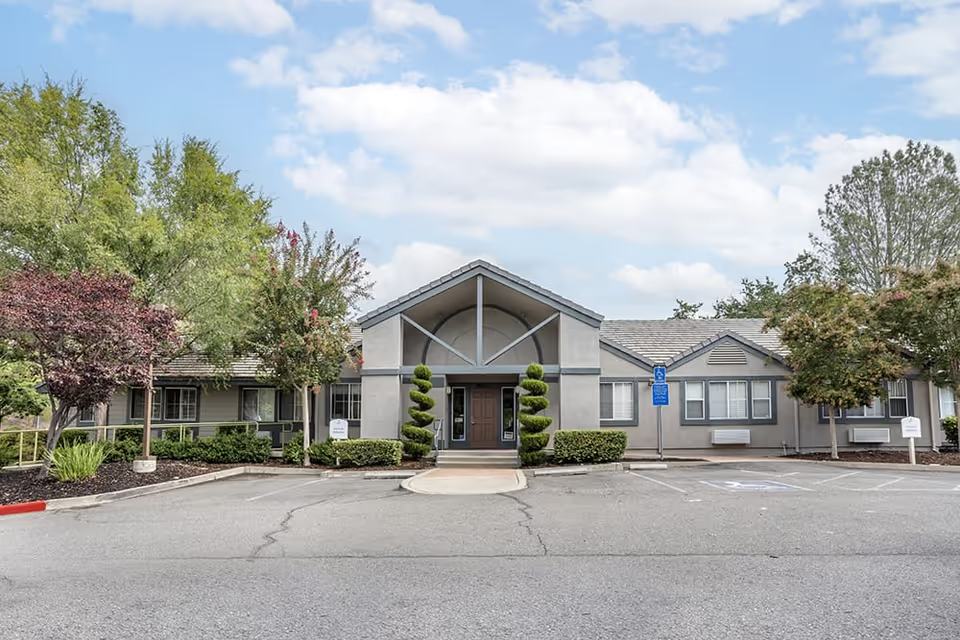
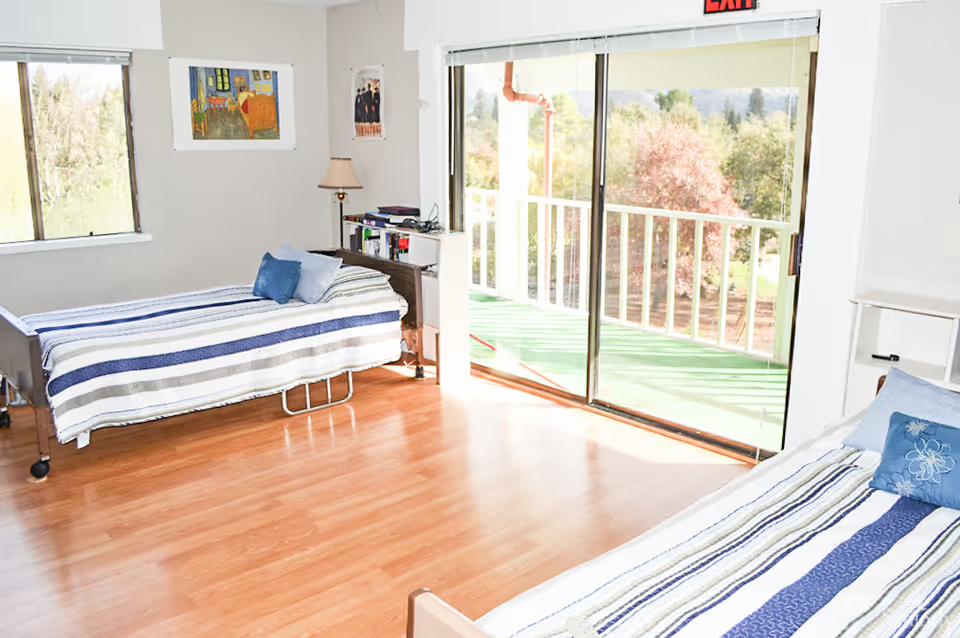
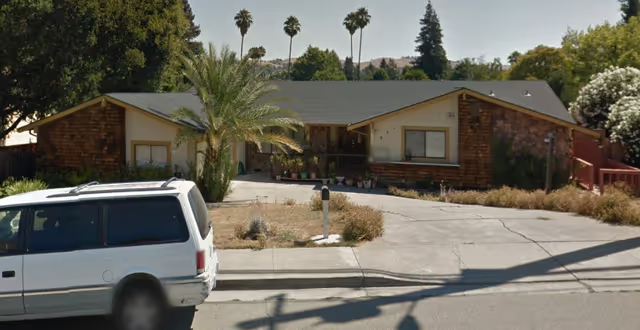
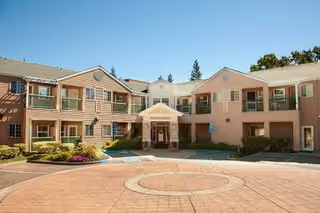
Gines Residential Care Home III elicits a mixed but distinct pattern of impressions. Positive comments emphasize location, exterior appearance, and portions of the interior that are kept in good condition. Multiple accounts highlight spacious room options, live-in staff, an activities program, and meals that present as fresh and appetizing. Many families and residents describe staff as attentive and engaging, and several accounts describe residents who appear content and not lonely.
Care quality and staffing present a split picture. On one hand, reviewers frequently characterize caregiving staff as caring, communicative, and hands-on; on the other hand there are clear operational concerns about night coverage and response times. The facility’s live-in staffing model appears to provide daytime engagement, but reviewers raised specific concerns about gaps in 24-hour supervision and delayed responsiveness to resident needs, including at night. These items suggest the facility may need clearer protocols for overnight monitoring and incident-response timing.
Dining and activities are generally viewed positively. Meals are described as fresh-looking, and an on-site activities program is in place. Housekeeping and maintenance receive more mixed feedback: while much of the interior is described as well kept, reviewers noted dated or dim decor in places and isolated housekeeping inconsistencies (for example, ashtrays left unemptied), indicating variability in routine cleaning practices.
Facility features are largely favorable from an exterior and spatial standpoint, with a pleasant neighborhood and some roomy accommodation options available. Interior design and lighting were characterized by some as outdated or darker than preferred, which could affect resident comfort and ambiance for those sensitive to lighting or modern finishes. Availability details such as price were not consistently provided in the feedback; visitors noted specific room types were available but did not always receive clear rate information.
Management and admission practices are an area of notable concern in several accounts. Reviewers described a management style that can feel controlling or directive, with pressure applied during admission conversations and a pronounced focus on rates and billing. This perception of an owner-driven approach affected families’ comfort levels even when day-to-day caregiving staff were viewed positively. Communication tone and expectations around financial discussions may warrant clearer policies and more consistent family-facing practices.
In sum, Gines Residential Care Home III shows strengths in location, staff engagement during daytime hours, meal presentation, and available room configurations. However, recurring operational themes—particularly around overnight supervision, timely responsiveness, management communication style, and housekeeping consistency—should be explored further by prospective residents and families. Recommended next steps for interested parties include direct questions about 24-hour monitoring protocols, specific housekeeping schedules, the facility’s admission and billing practices, and an in-person visit during evening/night hours to observe nighttime staffing and ambience.