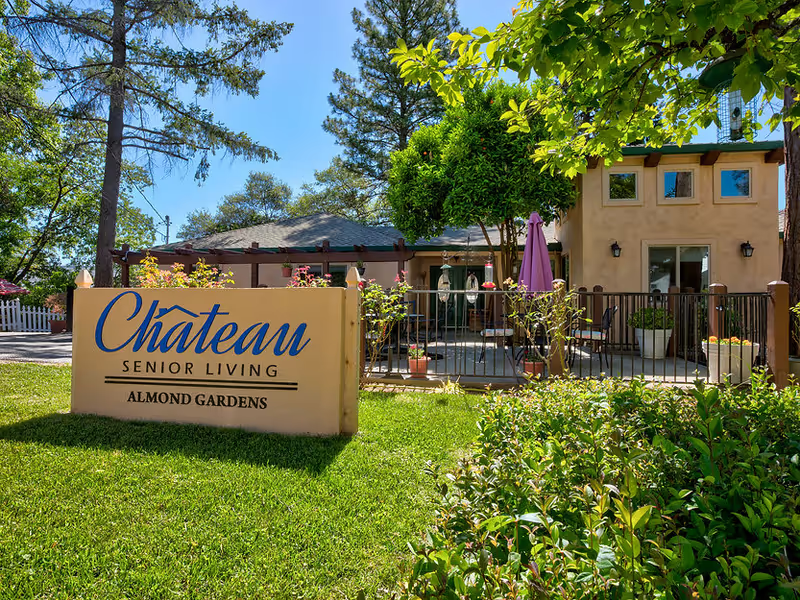
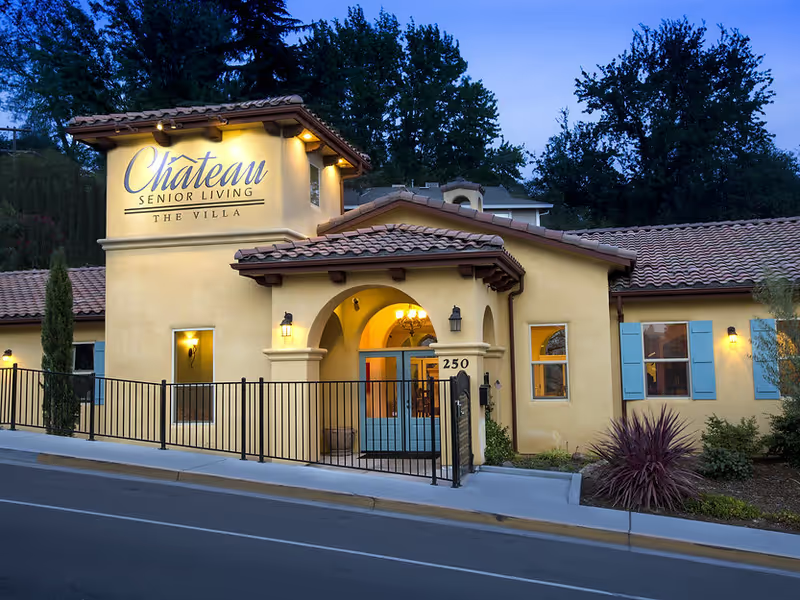
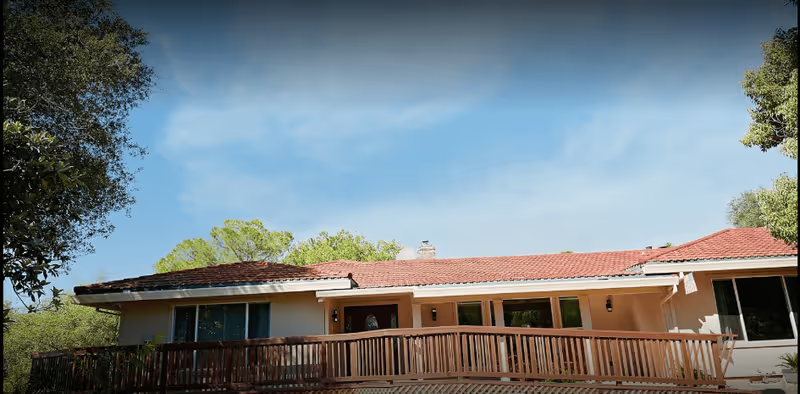
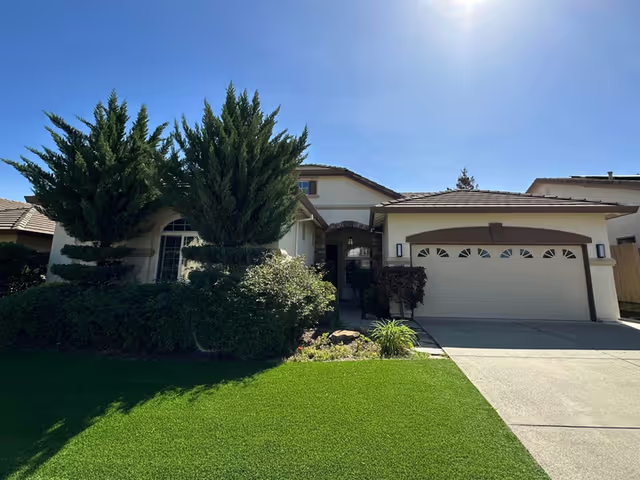
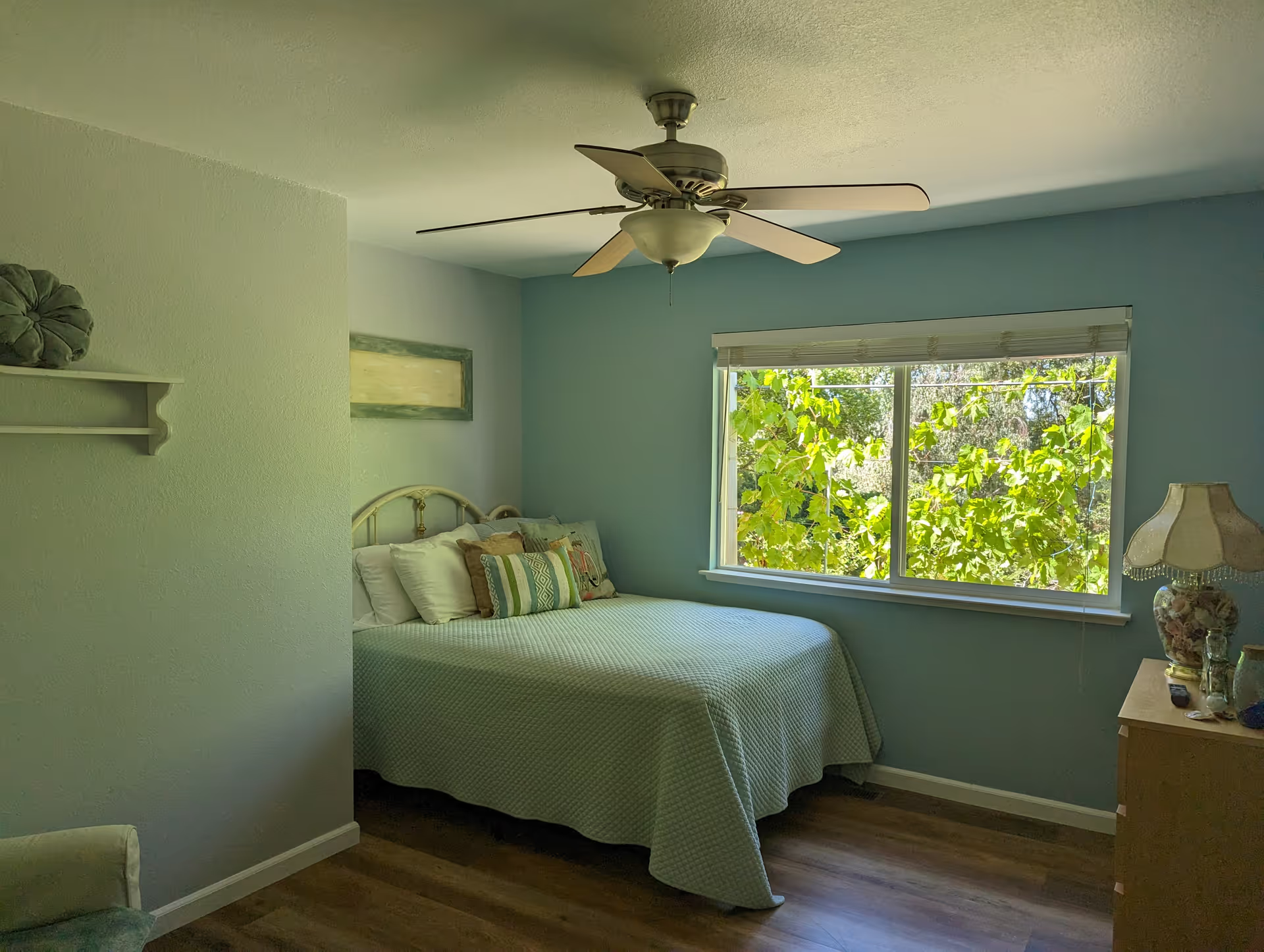
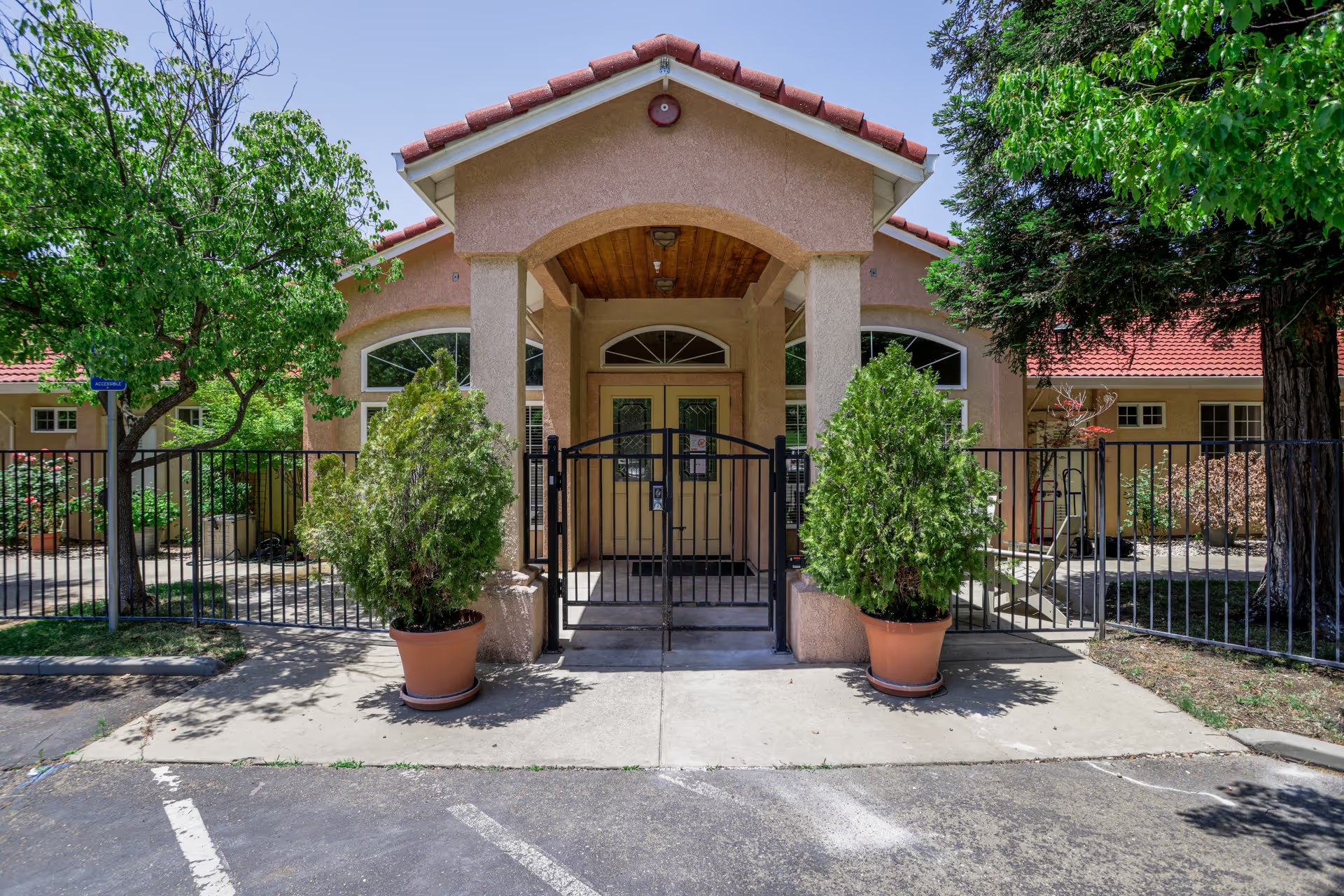
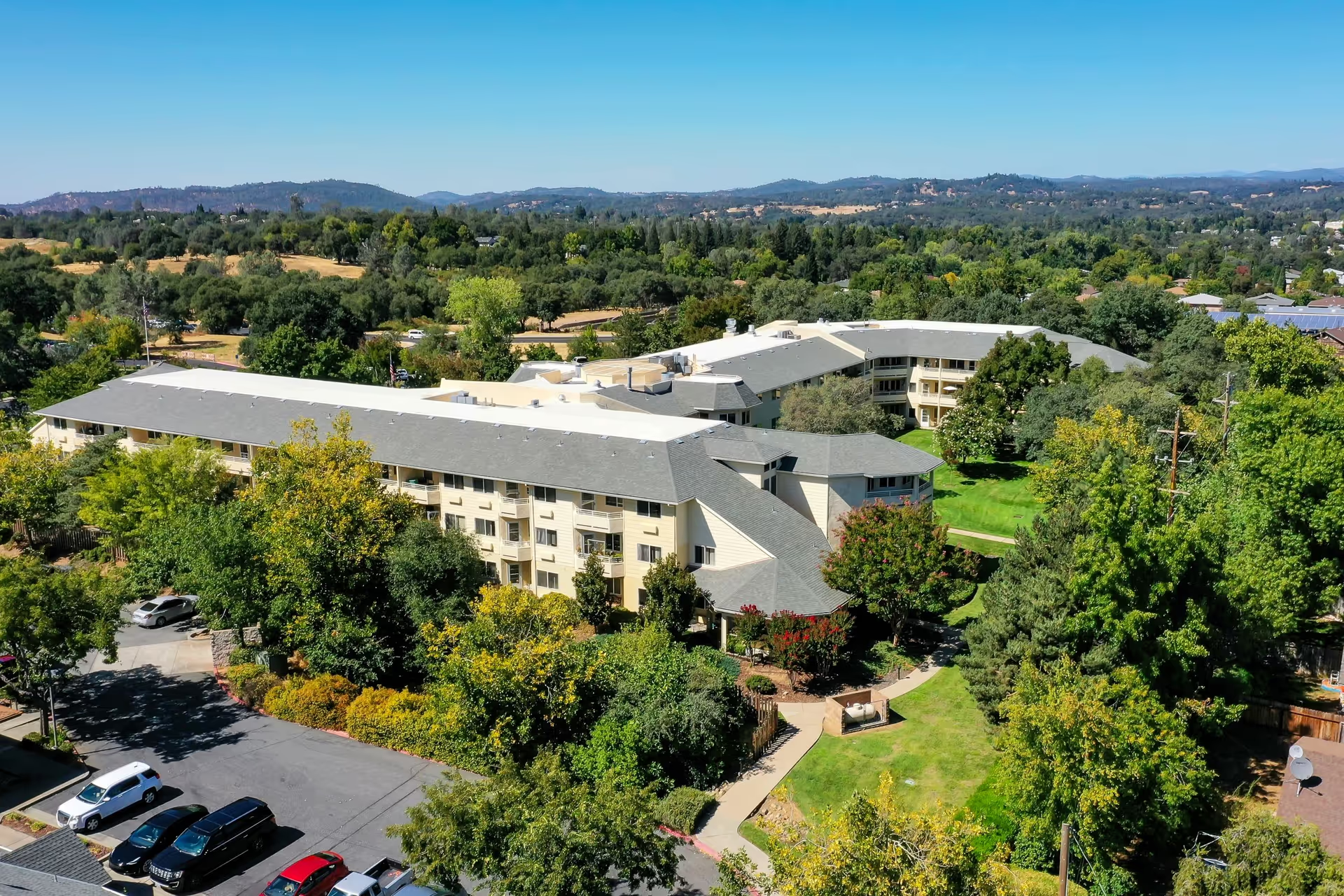
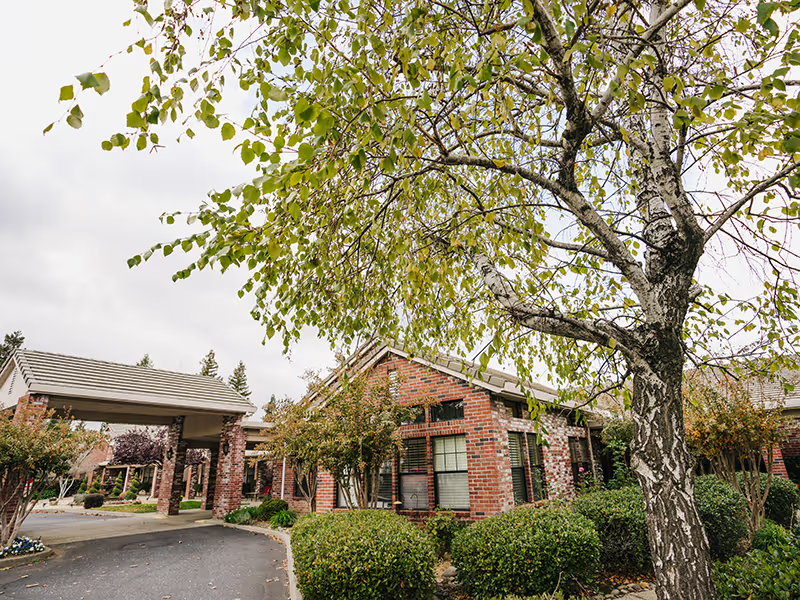
Overall impression: Outlook Senior Care is frequently described as a small, home-like assisted living residence that emphasizes individualized attention, warmth, and high standards of cleanliness and presentation. Families repeatedly note the facility’s aesthetic appeal and location — tasteful décor, private rooms with en-suite bathrooms, handicap-ready features, and attractive outdoor spaces that contribute to a residential, Mediterranean-villa ambiance. The setting and physical upkeep are regularly framed as reassuring to visitors and families.
Care quality and staff: Reviewers consistently praise the caregiving team as compassionate, patient, and knowledgeable, with particular strengths in dementia care and end-of-life support. Care is often characterized as personalized and hands-on; staff are described as attentive to residents’ preferences and welcoming to visitors. Ownership and management are frequently described as engaged and communicative, coordinating external services such as hospice and assisting with long-term care insurance matters. These elements contribute to a perception of respectful, resident-focused care and give many families a sense of confidence and peace of mind.
Dining and activities: Dining is a clear strength in the reviews — meals are described as freshly prepared, nutrition-focused, and often made from scratch using market-fresh ingredients. Multiple families highlight the quality and variety of food as an important factor in their satisfaction. Activity offerings appear centered on caregiver-led interaction, social engagement, and family visits; reviewers mention music, communal spaces, and backyard areas that support socialization and comfort.
Facilities and amenities: The facility’s physical environment is frequently described as immaculate, comfortable, and well maintained. Private bedrooms with large layouts, private bathrooms, comfortable common rooms, and accessible design features are noted as consistent positives. The combination of an upscale, residential atmosphere and practical accessibility features is emphasized as beneficial for residents with mobility and care needs.
Management and operational patterns: While many reviewers commend active, responsive ownership and effective coordination with outside providers, there are recurring operational concerns to weigh. Several reviewers described occasions of short staffing and periods where staff availability was limited, which they felt led to delays in personal-care assistance. A related theme is variability in administrative availability and communication — some families encountered gaps when seeking immediate answers or when touring the home. Environmental control (for example, noise from television or communal areas) and the thoroughness of information during admissions tours were also mentioned as areas with room for improvement.
Balancing strengths and caveats: The dominant pattern across feedback is strong praise for compassionate, individualized care in a clean, attractive home environment with high-quality meals and active ownership involvement. However, prospective residents and families should assess staffing patterns and administrative communication during a visit — ask about typical caregiver-to-resident ratios by shift, response-time expectations for personal-care assistance, how tours are conducted and what documentation is provided, and how the home manages noise and privacy. These targeted questions can help determine whether the facility’s operating rhythm aligns with the prospective resident’s needs.