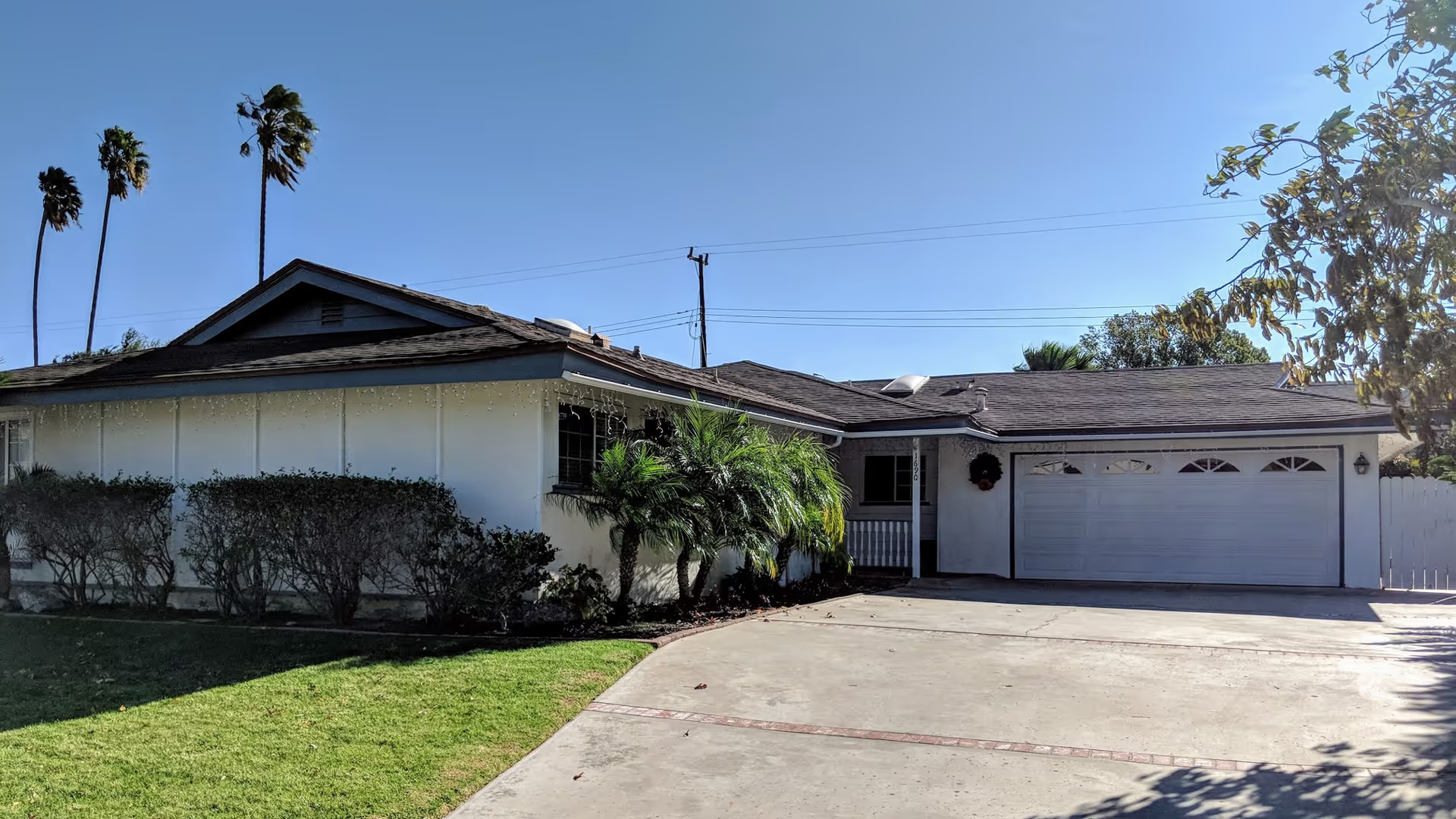
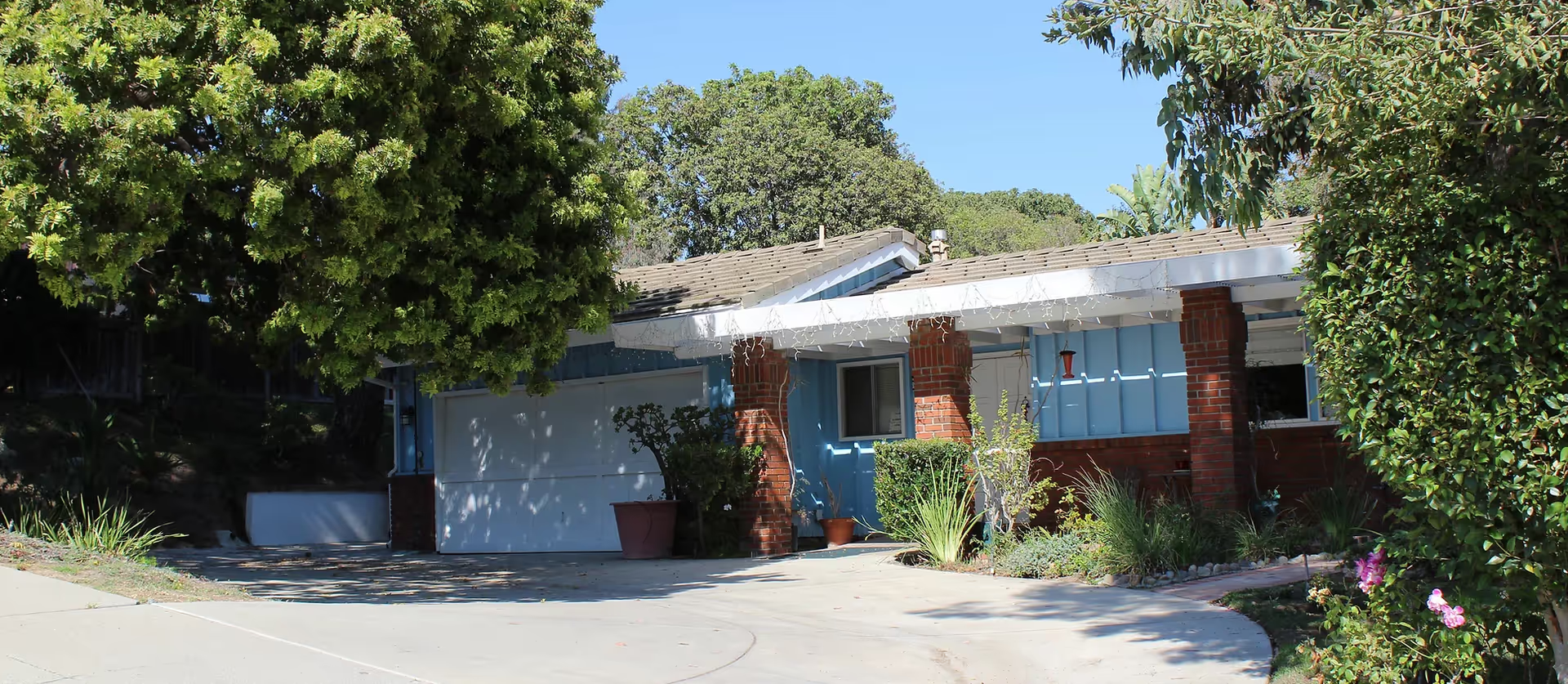
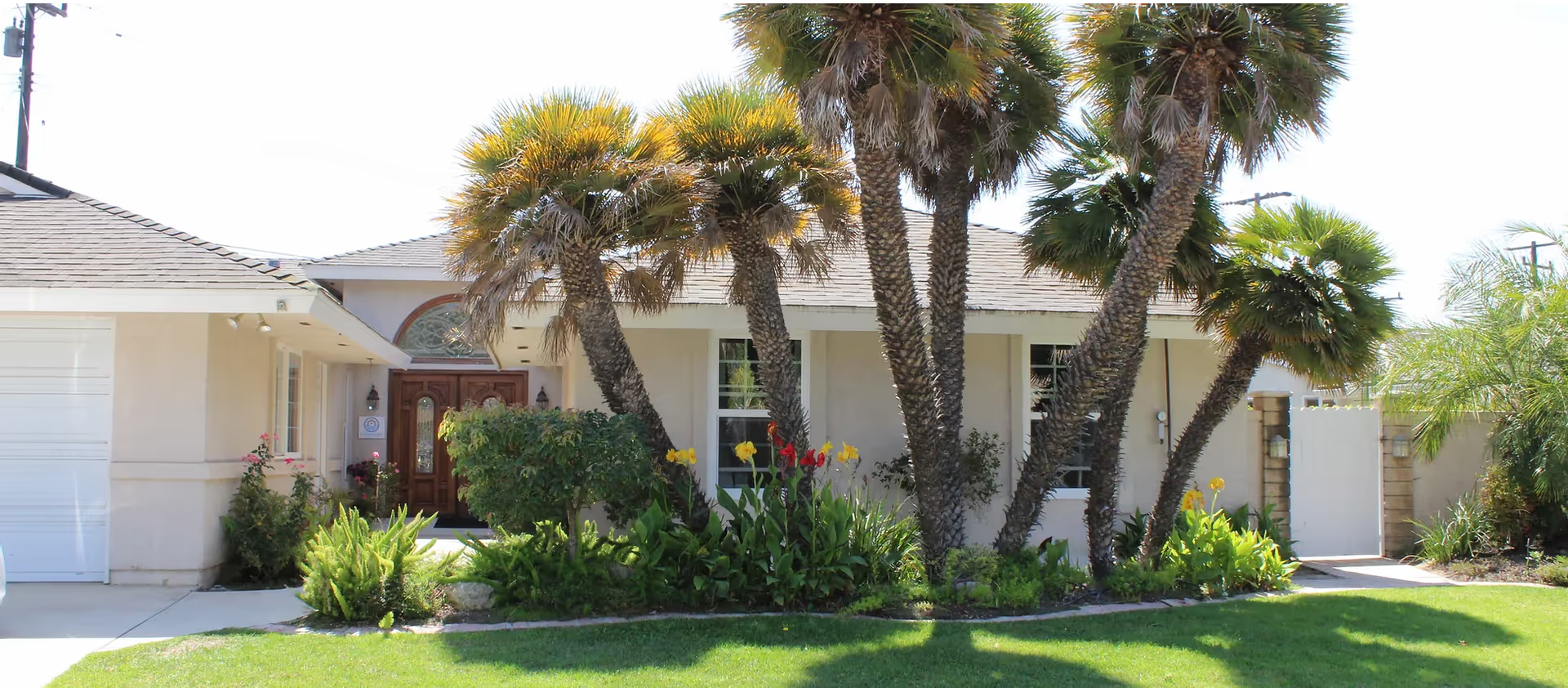
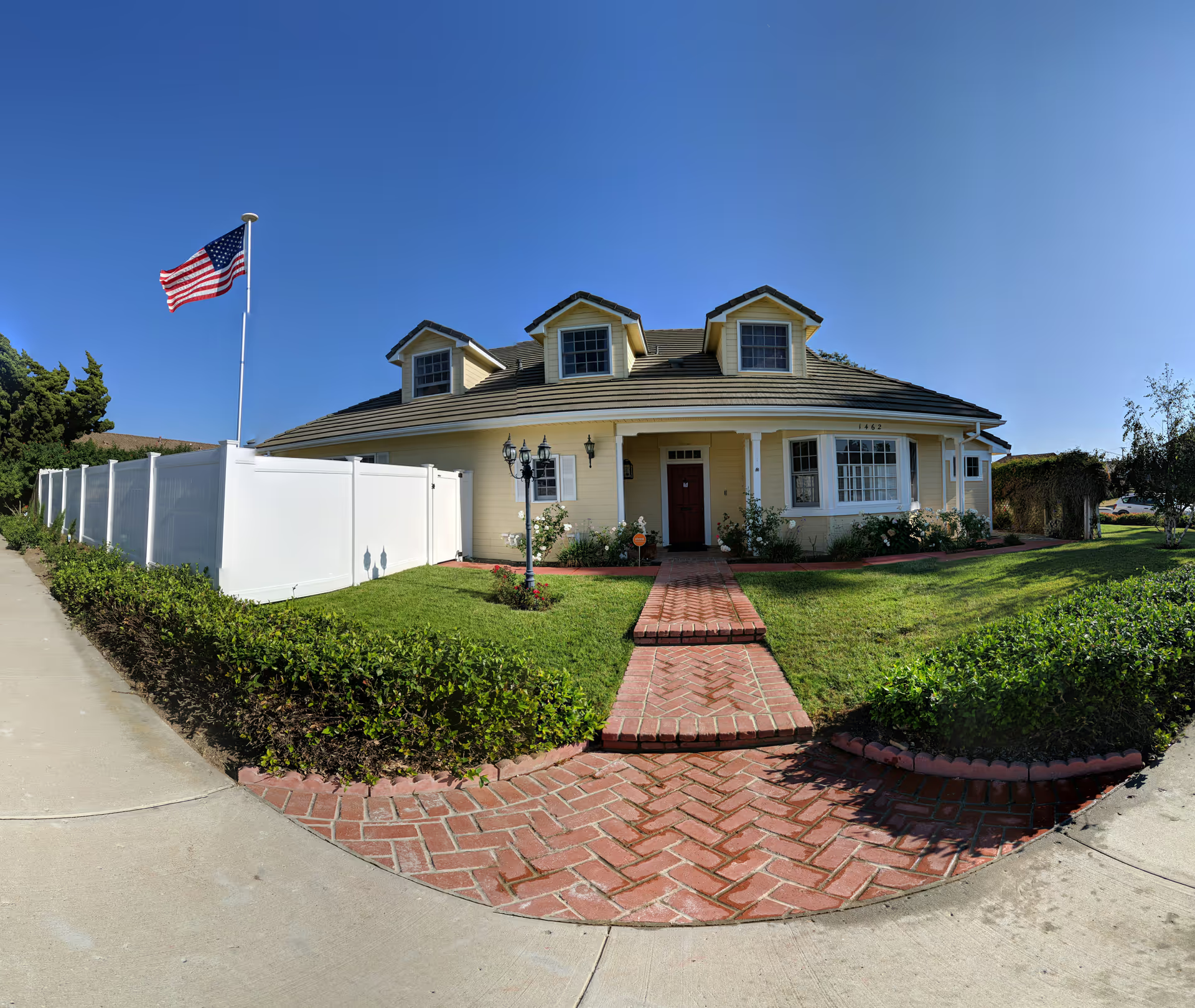
Aasta Assisted Living of Camarillo presents as an affordable, single-story assisted living community with notable strengths in staffing relationships, social programming, and grounds. Many accounts describe caregiving staff as compassionate, attentive, and familiar with residents by name; several families highlighted continuity of assignments and long-term staff relationships that support individualized care. The community offers a wide range of daily activities — from exercise classes and games to musical events, themed celebrations, outings and memory-focused programming — and reviewers commonly praise the gardens, courtyards, aviary and outdoor spaces as meaningful quality-of-life features.
Dining and auxiliary services are frequent positives. Reviewers report a rotating menu with flexible ordering, special-occasion dining options, and on-site services such as haircuts and podiatry. Management and nursing staff are often described as responsive to medical coordination and hospice needs, and the facility’s all-inclusive pricing and lower cost versus alternatives is a recurring attraction for families seeking value.
At the same time, a number of operational weaknesses appear repeatedly and merit attention. Staffing levels and turnover were commonly cited as underlying drivers of variability in care: when staffing is adequate, families describe good responsiveness and personalized attention; when understaffed, reviewers describe delays in bathing, toileting assistance and help after falls. Associated with those operational pressures are variable housekeeping and sanitation standards and occasional odor concerns in parts of the building. There are also mentions of pest-control issues and a need for building upgrades — reviewers describe an older, sometimes worn facility with uneven maintenance of rooms and infrastructure.
Clinical and administrative practices show mixed impressions. Several reviewers praised the nursing coordination and hospice partnerships, while others described gaps in clinical-incident response, delays in addressing acute issues, and disputes or confusion around billing and move-in procedures. Memory-care services receive both positive and critical comments: some families report excellent, engaging memory programming and protective units, while others raise concerns about consistency of care and monitoring in the memory wing. Transportation is available and used for appointments and shopping, but schedules are sometimes seen as limited.
For prospective residents and families: the facility’s strengths are its caregiving culture when staffing is stable, its programmatic offerings, outdoor environment, and competitive pricing. The recurring concerns—staffing variability, sanitation and odor control in parts of the building, dated infrastructure, and episodic administrative or clinical-incident communication gaps—suggest that a focused tour and targeted questions are warranted. Ask to see staffing schedules, recent inspection or pest-control records, sample activity calendars, meal plans, and examples of how clinical incidents and billing questions are handled. Verifying continuity of assigned caregivers and observing peak-period responsiveness during a visit will help assess whether the community’s operational performance matches the positive experiences many families describe.