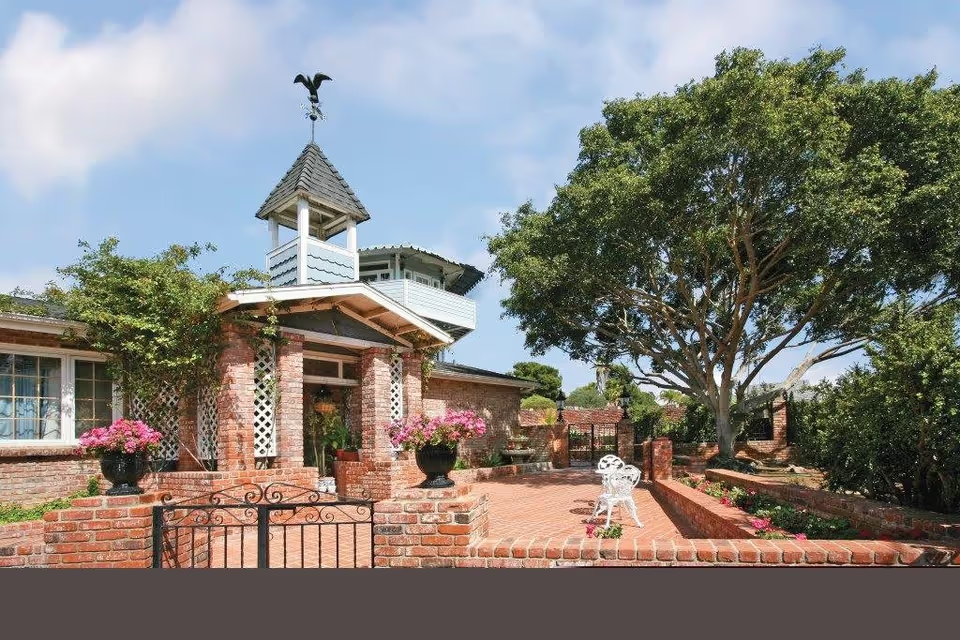
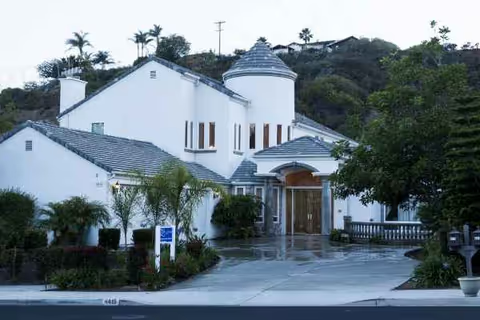
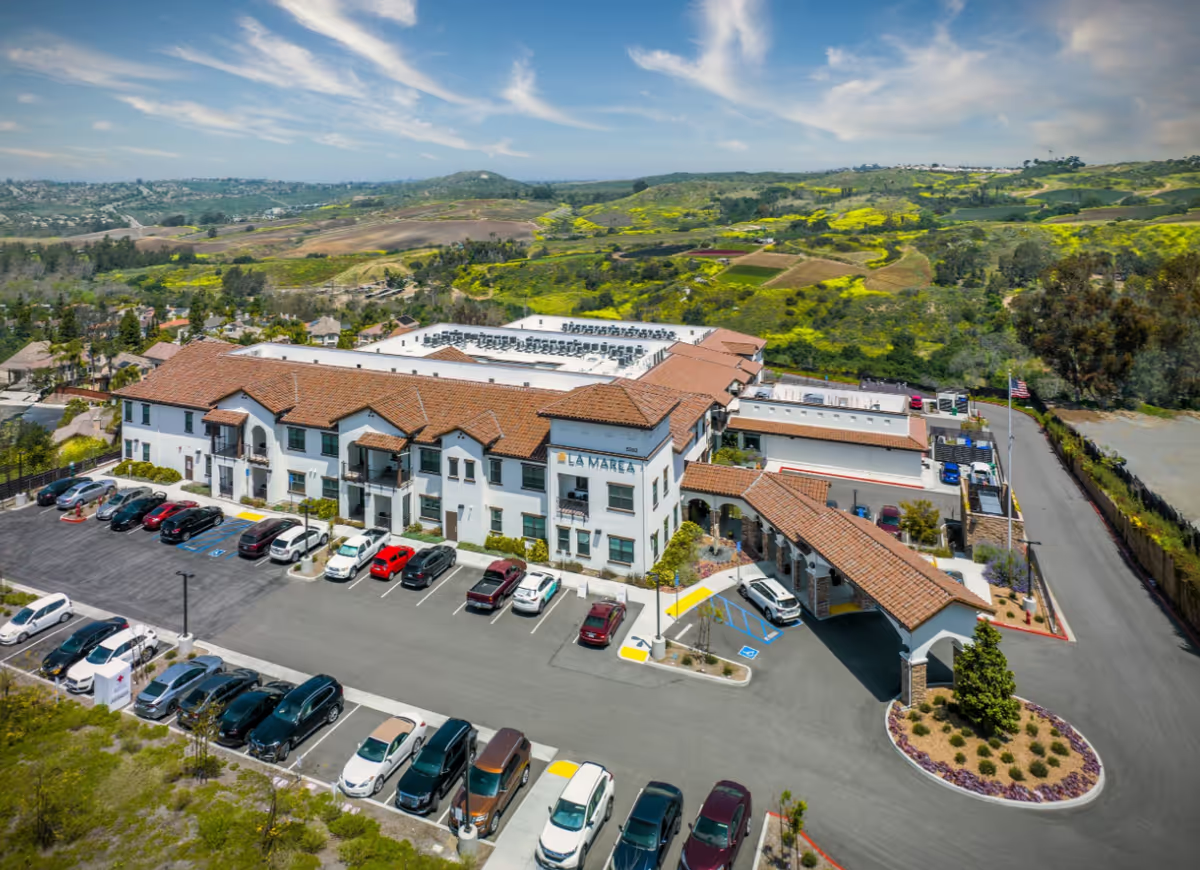
Laguna Estates presents as a large, campus-style senior community with a broad set of amenities and clinical services. Strengths frequently cited include restaurant-style dining, on-site licensed nursing coverage (RN/LVN), rehabilitation/physical therapy offerings, and social spaces such as a bistro, library, and activity rooms. The property’s location near the ocean and its outdoor amenities (pool, jacuzzi, putting green) are attractive to many prospective residents. Independent-living units, including some ocean-view apartments, and respite/short-term stay options increase flexibility for families navigating transitional needs.
Clinical care and daily assistance receive mixed but substantial positive commentary. Medication management and timely dosing are commonly identified as operational strengths, and several reviewers described attentive, compassionate caregivers and long-tenured clinical staff. The community includes rehabilitation and after-hospital care services, which families found useful for transitions from higher-acuity settings. However, reviewers also described lapses consistent with uneven clinical operations: delayed responses to call systems, concerns about medication-administration accuracy and communication with physicians, and occasional delays assisting residents with activities of daily living.
Staff and management impressions are varied. Many families praised warm, helpful staff and individualized attention from managers who go beyond expectations; other accounts point to higher-than-desired staff turnover, gaps in weekend staffing, and variability in staff engagement and training. Administrative functions—especially move-in billing, pricing explanations, and paperwork coordination—were cited as confusing or poorly communicated in multiple accounts. Prospective residents should expect to clarify contract terms, move-in fees, and what services are included versus billed separately (for example, phone and internet).
Dining and activities are often highlighted as community strengths. The dining program is described as restaurant-style with varied menus, fresh offerings such as salad and fruit bars, and a social dining environment; several reviewers called out excellent breakfasts and generally good meals, while others noted occasional inconsistency in dinner quality and special-diet accommodation needs. The activity program is broad and active—bingo, lectures, music, exercise classes, and social happy hours were commonly mentioned—and reviewers generally report that the calendar supports social engagement and community building.
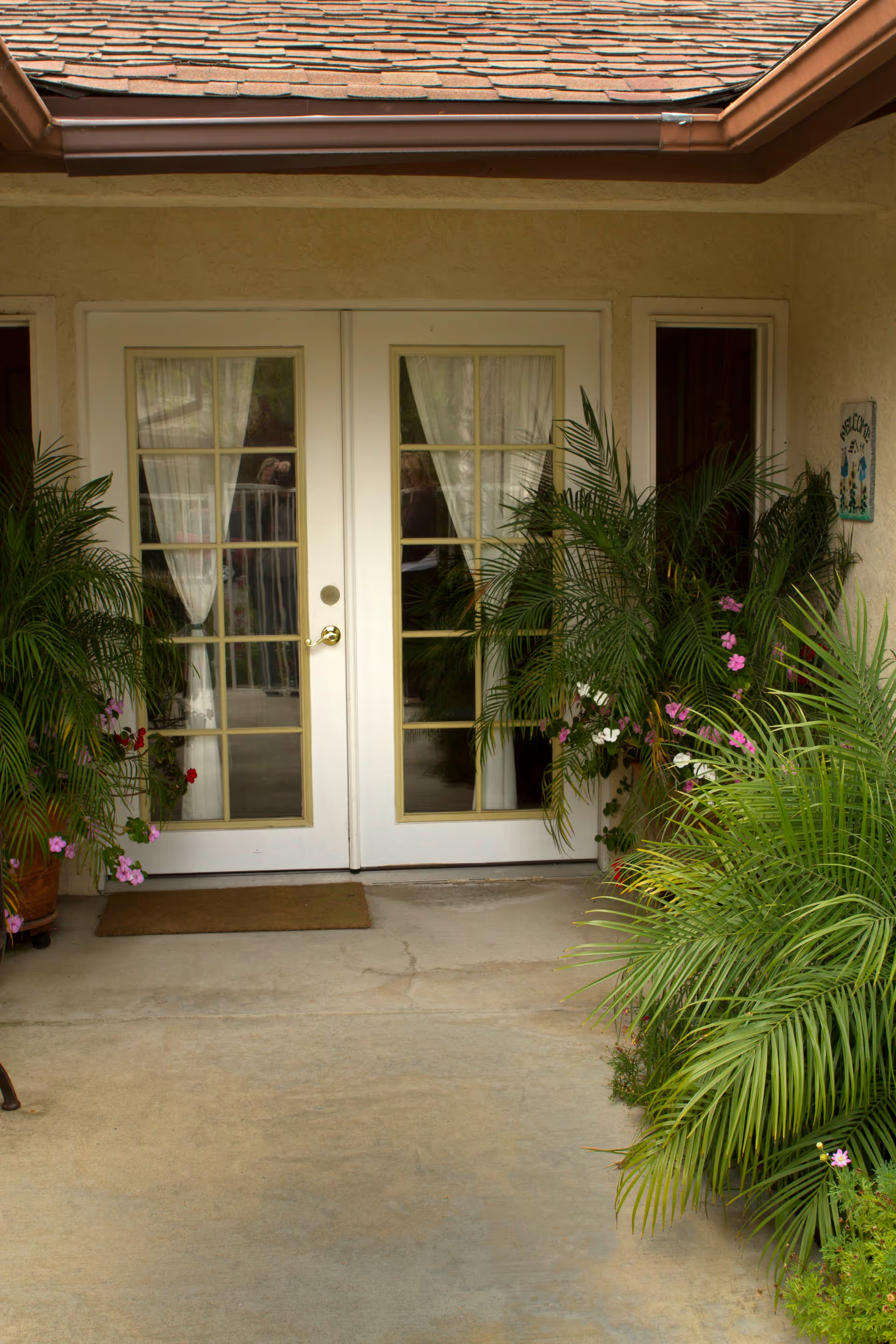
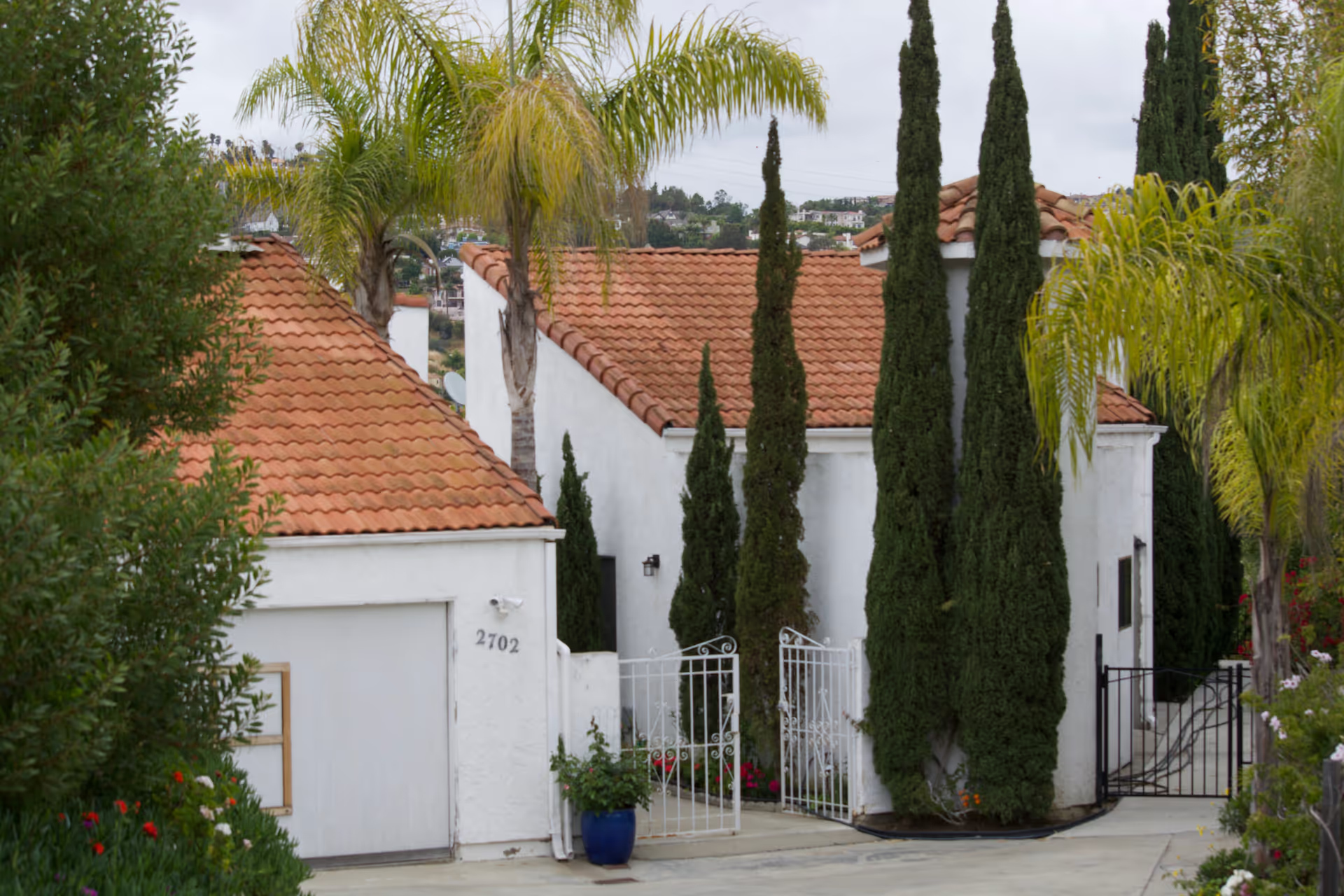
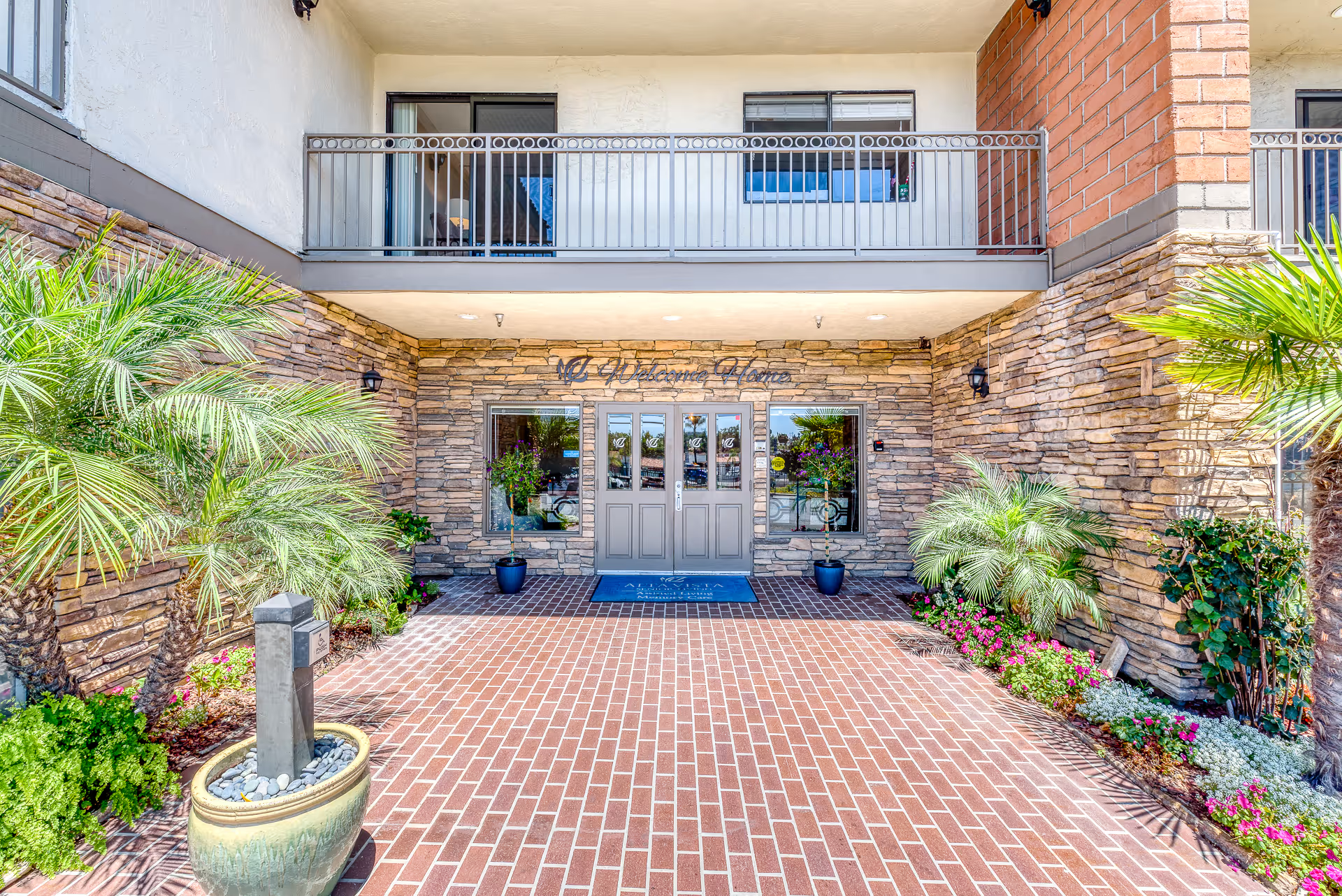
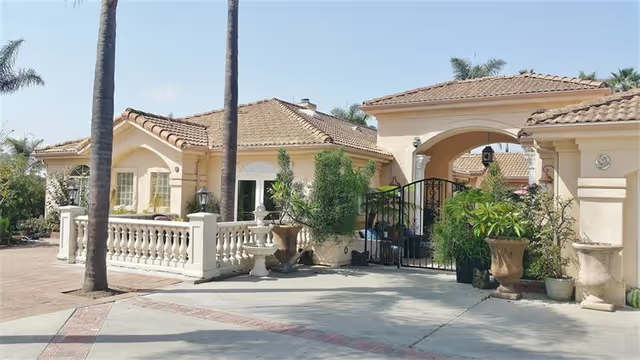
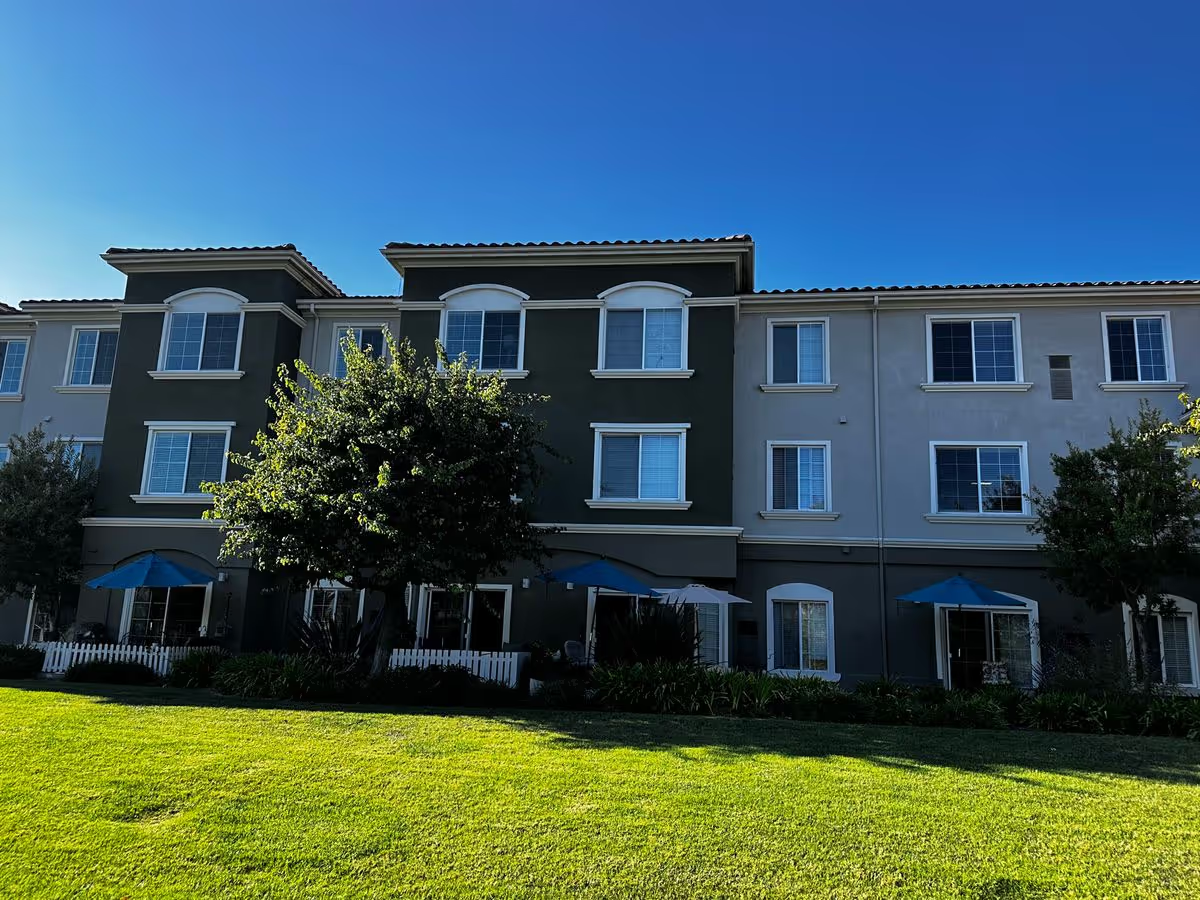
Facility condition is mixed in reviewers’ accounts. Many found common areas clean and well maintained and praised the overall campus and recreational spaces. Conversely, others identified aging apartments with dated finishes, small studio layouts, cabinetry or fixture maintenance issues, and accessibility challenges such as awkward elevator navigation and distant front-desk/mail access for residents with mobility limitations. Cleanliness and odor concerns in certain hallways, dining areas, and some private rooms were reported; these suggest inconsistent environmental-services performance in parts of the building.
Patterns that emerge for prospective residents and families: the community offers comprehensive amenities and an active social environment with generally positive clinical support, but operational variability can affect individual experience. Key decision points should include a focused tour of the specific unit under consideration (to assess size, finishes, and ventilation), a review of exact billing and included services, and detailed questions about staffing levels, call-response times, and contingency staffing on weekends. Families prioritizing strong, consistent clinical oversight and housekeeping responsiveness should probe policies and staffing ratios; those prioritizing activities, location, and rehabilitation services will find many of the community’s offerings align with those priorities.