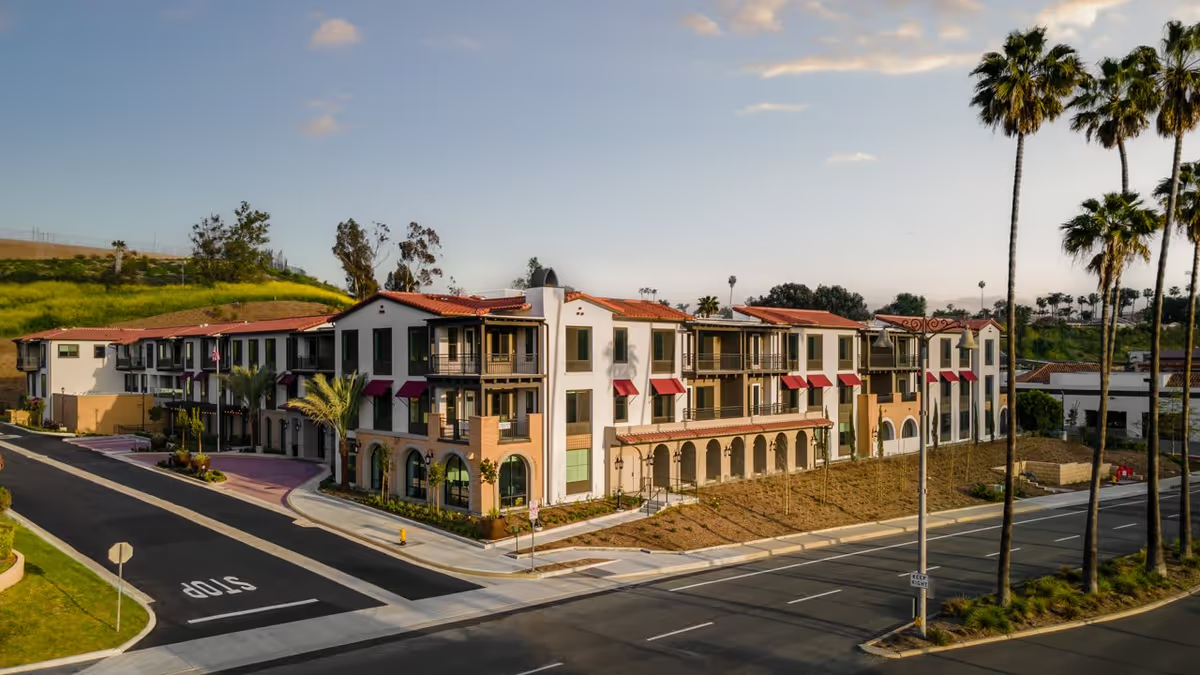
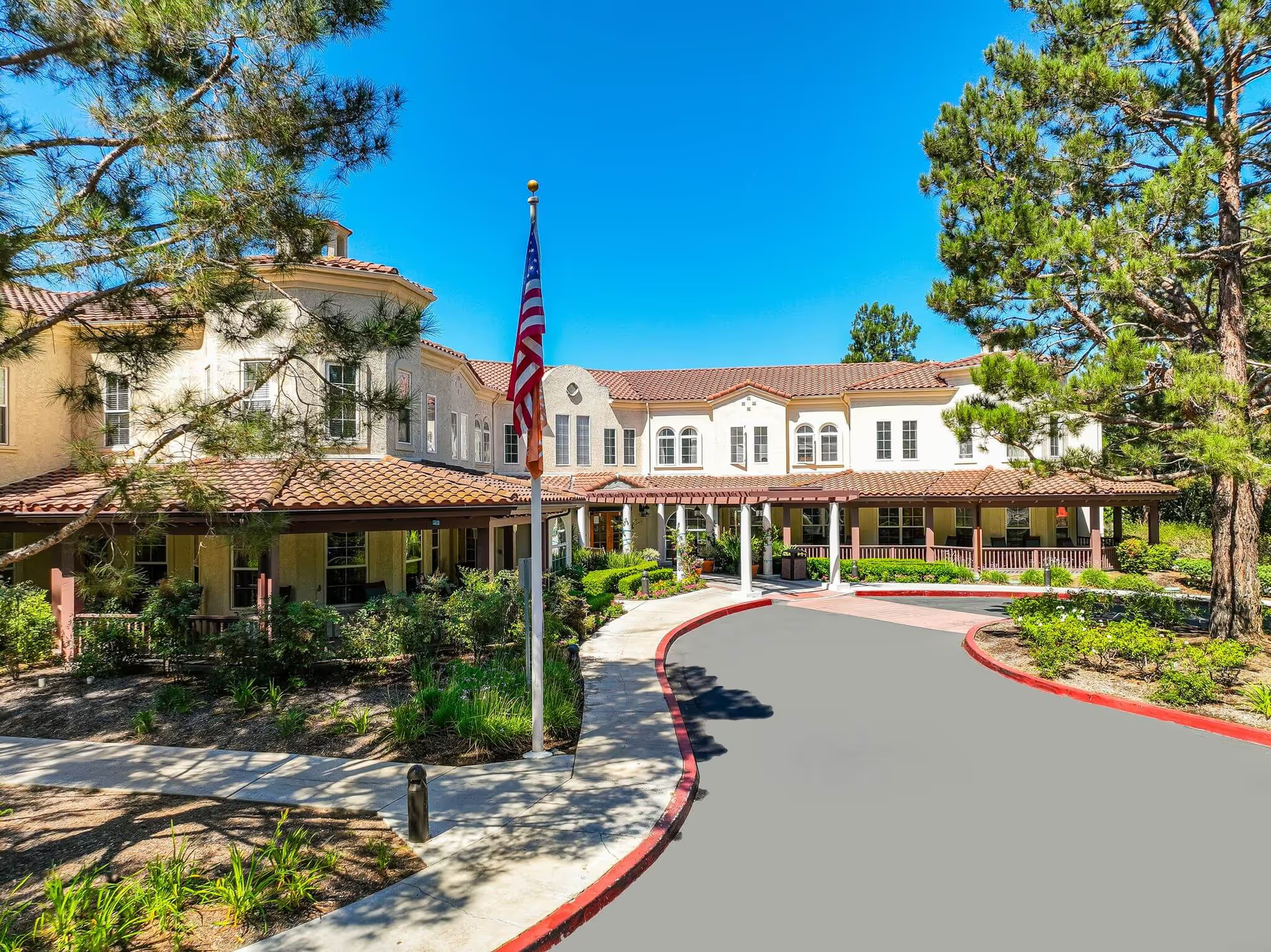
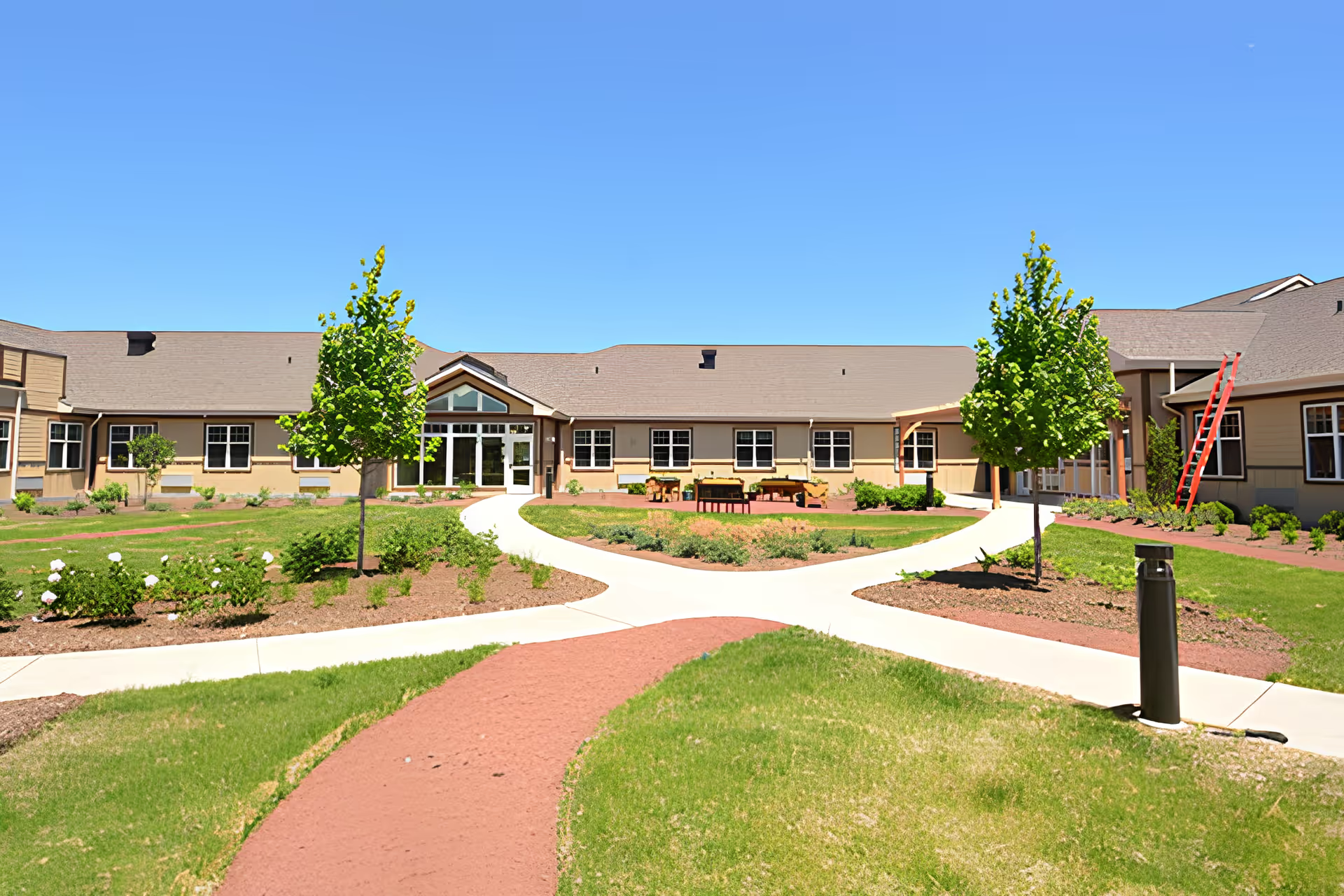
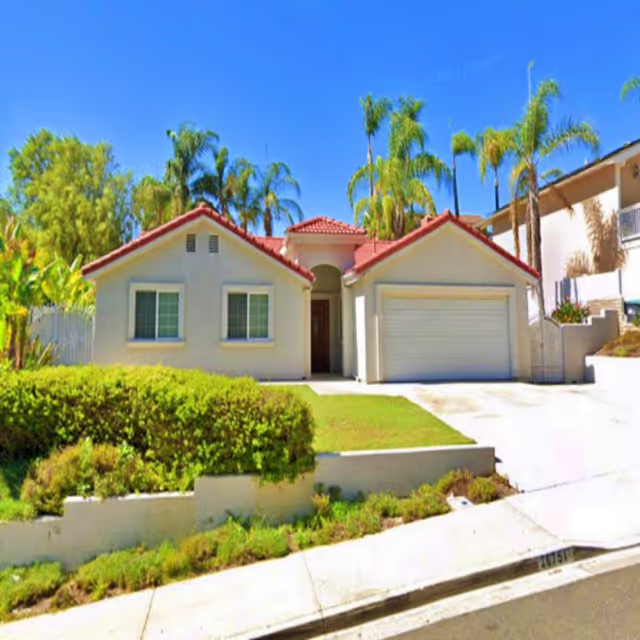
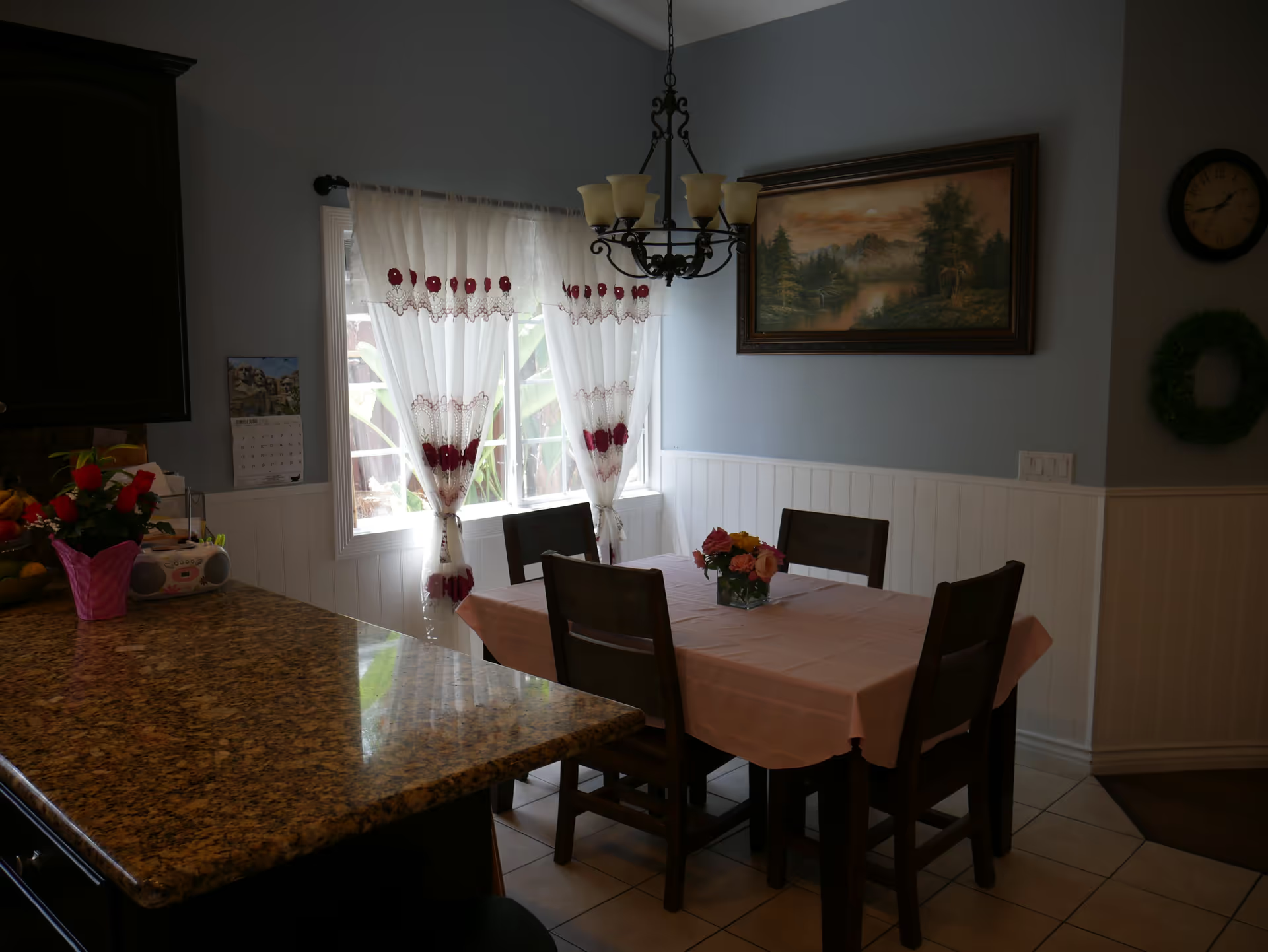
Overall impression: Ivy Park at Mission Viejo presents as a recently refreshed, amenity-rich senior living community with many features families value: an attractive courtyard and landscaping, multiple activity spaces, and a dining program that several families described as varied and high quality. Admissions and concierge staff are often singled out for being helpful and attentive during move-in, and on-site services such as a physician, lab/imaging, and therapy increase clinical convenience for residents.
Care and staff: Many reviewers emphasize a compassionate, family-like culture among caregivers, receptionists, and nurses. Staff who remain are described as patient, responsive, and willing to go beyond expectations; these strengths contribute to perceived safety and peace of mind for families. At the same time, a recurring operational concern is staffing instability: turnover and periodic under-staffing were linked to uneven care experiences, occasional service delays, and inconsistent participation in scheduled activities. Communication gaps between clinical/administrative teams and families — including billing or medication- documentation issues — were also raised and are a noteworthy operational risk to monitor.
Dining and activities: The dining program is a strong feature for many residents. Reviews reference balanced menus with daily specials, vegetarian options, all-day breakfast, attentive wait staff, and private dining opportunities. The community offers a broad activity roster (arts and crafts, trivia, trips, fitness, music, and regular social events), and activity staff are generally proactive about sharing photos and updates with families. Some families, however, experienced cancellations of outings or limited off-site activities, and activity attendance varied by resident interest and staffing levels.
Facilities and apartment options: The property is consistently described as clean, freshly painted, and attractively renovated in an upscale, resort-like style. Common areas — including a piano/fireplace area, bistro, art room, library, theater, and salon — support social engagement. Unit sizes vary: several suites are described as large and airy with high ceilings, while others are characterized as smaller and more modest, so prospective residents should verify specific floor plans. Infrastructure issues cited include occasional HVAC failures and delays in phone/internet activation tied to shared-line setups.
Management and operations: Admissions staff and specific employees (named positively in multiple accounts) are highlighted for easing transitions and coordinating moves. Conversely, operational weaknesses include billing/invoicing mistakes, occasional medication-management errors, and claims that raise regulatory concerns; these items were less common but significant when they occurred. Practical constraints mentioned by families include limited visitor parking, restricted payment methods in some cases, and perceived pricing opacity (upfront fees or changes after admission).
Notable pattern and recommendation: The overall pattern is mixed but leans positive — many families praise the people, food, and physical environment, while a subset experienced operational lapses that materially affected care or trust. Prospective residents and families should tour multiple unit types, ask for specifics on staffing ratios and recent turnover, request written explanations of billing and medication processes, and verify infrastructure details (internet/phone, HVAC responsiveness). Doing so will help assess whether the facility’s strengths align with an individual resident’s needs and reduce risk from the operational issues others have described.