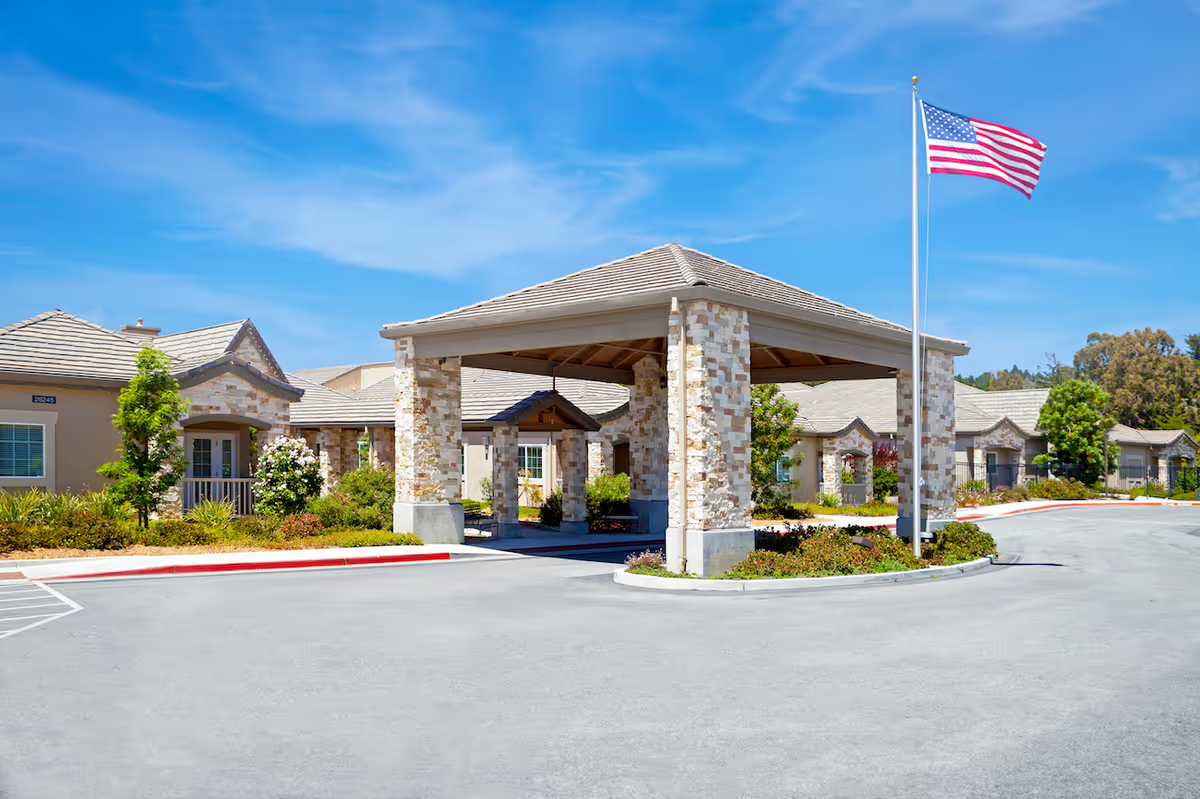
Overall impression: The Cottages of Carmel presents as a well-maintained, recently renovated senior living community with a strong emphasis on hospitality, safety, and social programming. Review content consistently highlights compassionate caregiving, visible on-site nursing and med-tech support, and a welcoming physical environment that many families describe as bright, clean, and home-like. At the same time, reviewers raise operational concerns around leadership stability, communication practices, and cost, which prospective families should assess during their visit.
Care and staff: Care quality is frequently described as a strength. Families point to compassionate, skilled caregivers and long-tenured employees who establish close relationships with residents. On-site nursing coverage and responsive med-techs are noted as important contributors to residents’ day-to-day wellbeing. Positive remarks about staff presence — including visible admissions and executive-level staff during tours — suggest an engaged leadership when present. Conversely, a recurring operational concern is inconsistent follow-up and communication from management, and a perception by some that a portion of frontline staff are relatively inexperienced. There is also mixed satisfaction with the memory-care offering, indicating variability in how that program meets family expectations.
Dining: Dining is a standout feature in many accounts. Reviewers comment on quality meal presentation, attentive dining-room staff, and varied menu items (including special events such as BBQs and outdoor dining). Several accounts emphasize tasty food, welcoming meal invitations for visitors, and staff that make dining a social highlight.
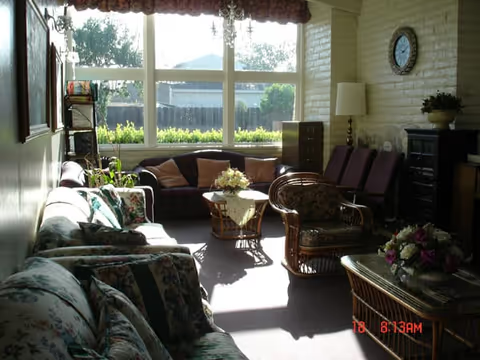
Activities and social life: Activity programming is described as robust and varied, with daily walks, group exercise classes, weekly excursions, scenic drives, and shopping outings cited repeatedly. The community’s layout and common areas — including areas with artwork and inviting seating — support conversation and group engagement, contributing to perceptions of a safe, social environment.
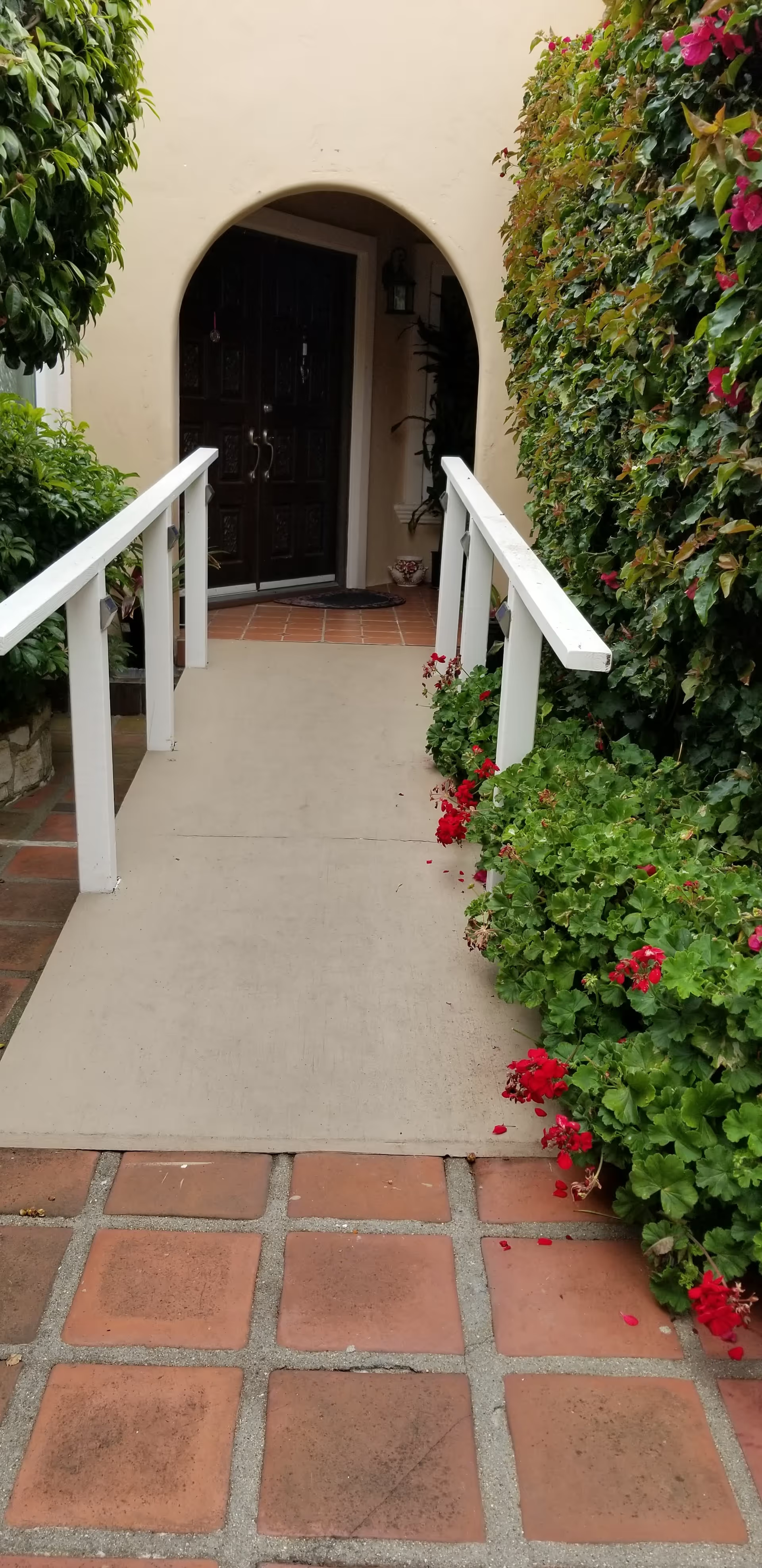
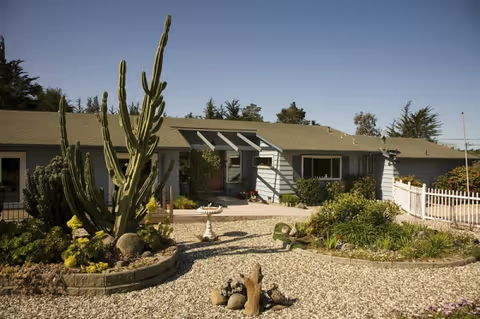
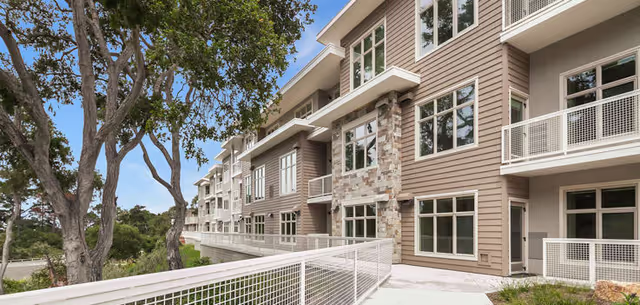
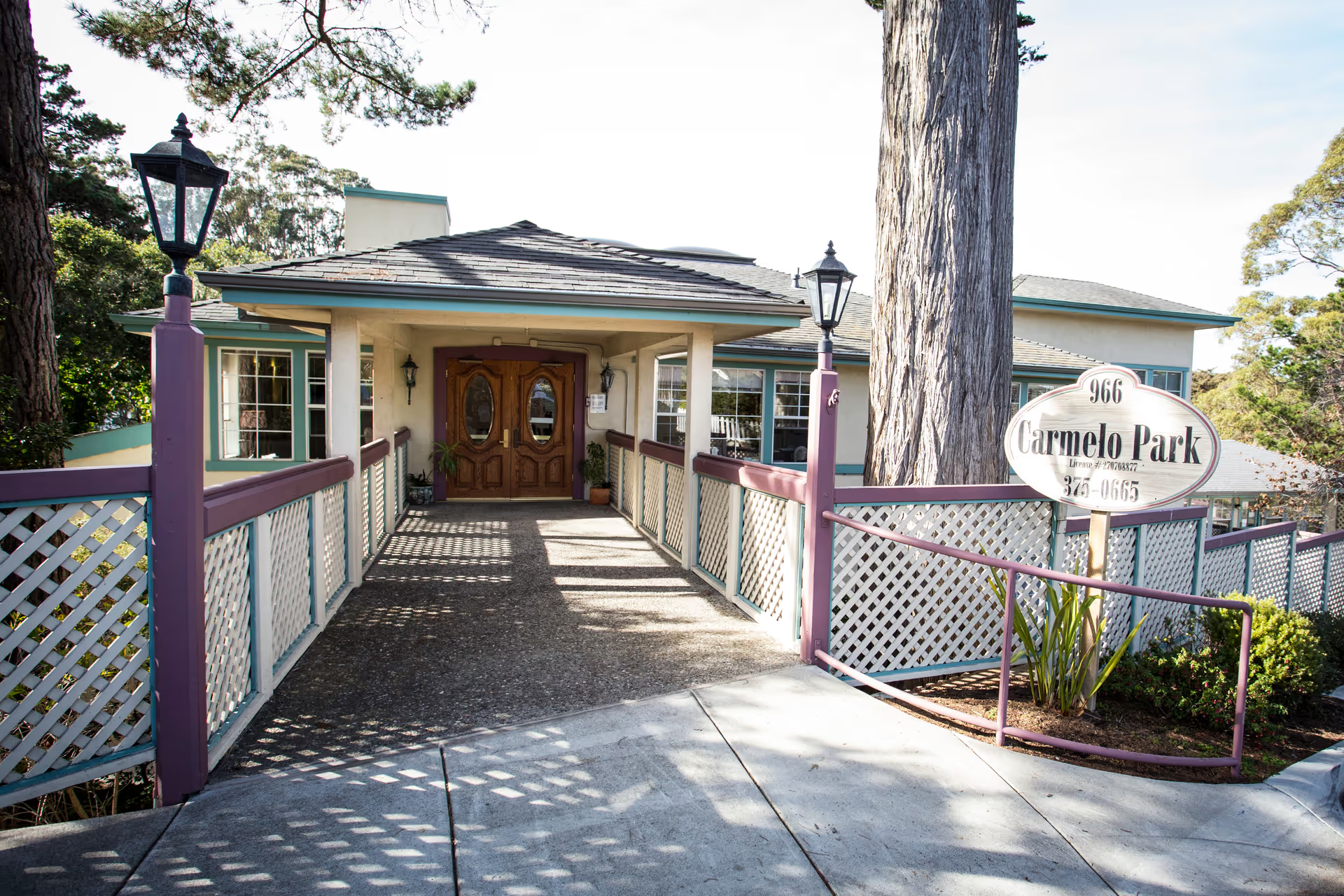
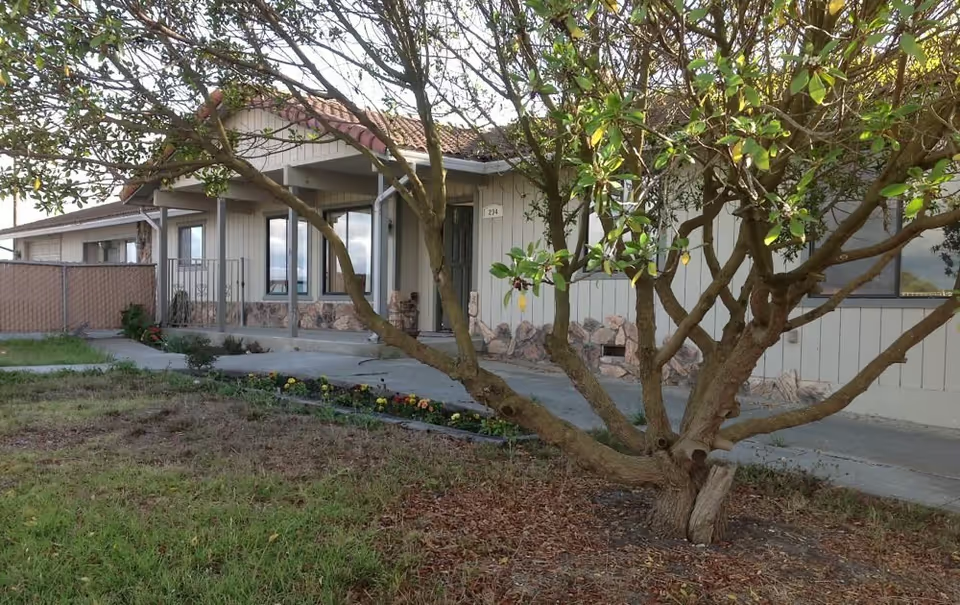
Facilities and maintenance: Physical facilities receive positive remarks for recent renovations, bright units, single-level accessibility, and comfortable studio floor plans with high ceilings and features such as fireplaces and patios. Grounds are well-maintained, public spaces are clean and well-lit, and reviewers note timely repairs and a generally pleasant atmosphere. Safety protocols and infection-control measures (including COVID-related practices) are also cited as strengths.
Management and operations: Two themes recur in operational feedback. First, several reviewers describe a corporate operational feel that some found less personal. Second, leadership turnover and inconsistent communication and follow-up were noted as ongoing concerns; these appear to be the primary operational weaknesses families raised. Pricing is another consistent topic: the community is viewed as higher-cost relative to alternatives, and deposit policies factor into overall affordability assessments. There are also mentions of occasional co-mingling of assisted-living and memory-care residents during events, which some families prefer to understand in advance.
Notable patterns and guidance for families: The dominant pattern is strong satisfaction with frontline caregiving, dining, activities, and the physical environment, producing many recommendations and placements. Counterbalancing that are facility-level operational issues around leadership stability, communication consistency, memory-care expectations, and price. Prospective residents and families would benefit from asking specific questions on a tour: tenure and turnover of leadership and direct-care staff, memory-care program structure and separation policies for activities, written communication and escalation processes, staffing ratios and training, and the community’s fee and deposit structure. Those inquiries will help align expectations with the positive service elements many families reported and clarify whether the facility’s operational trade-offs fit the family’s priorities.