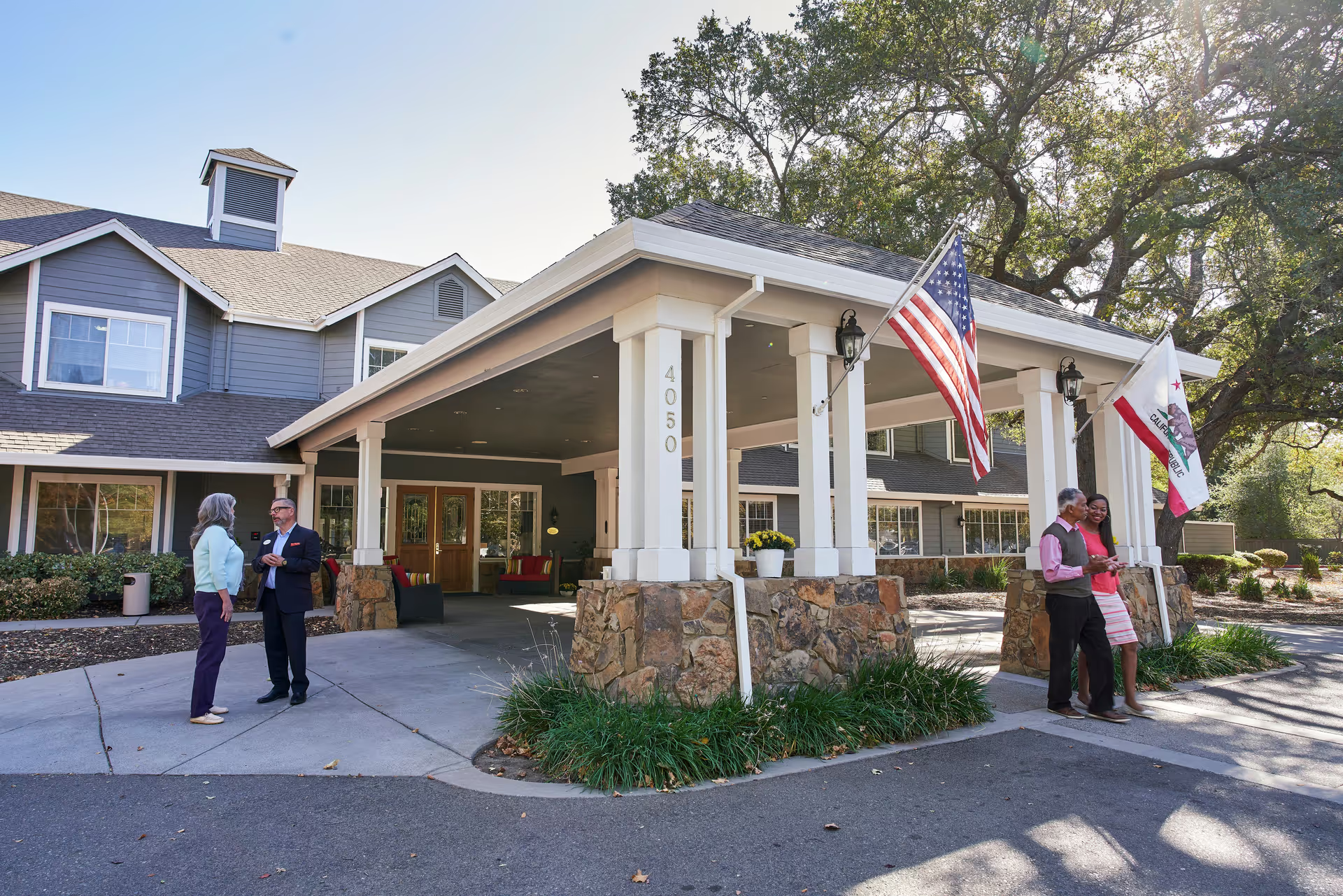
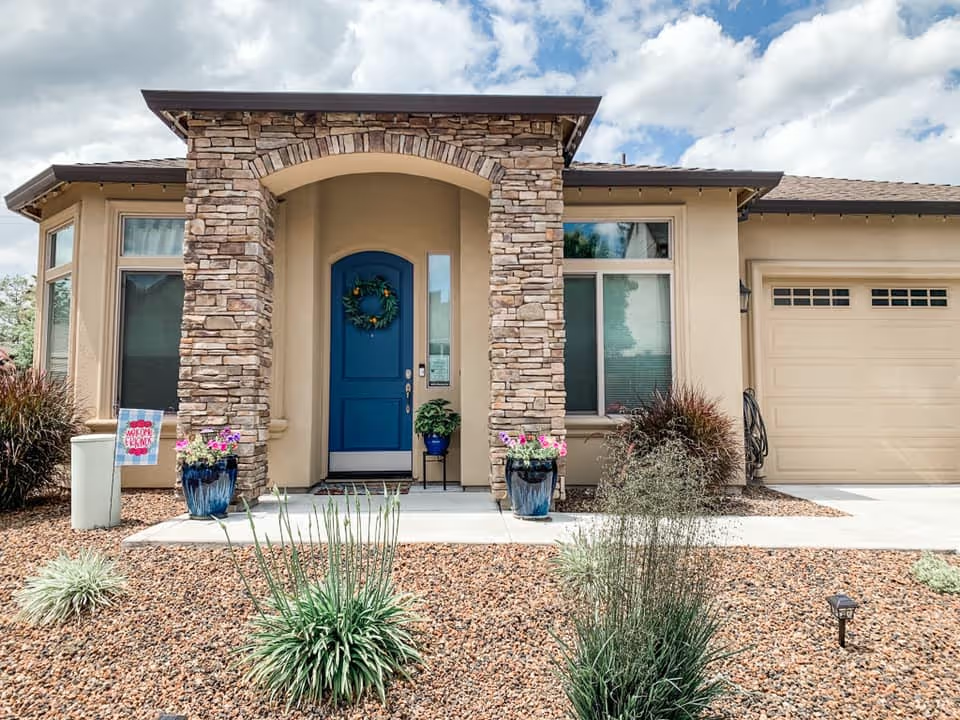
Manzanita Healthcare Center elicits strongly polarized impressions. A large body of feedback emphasizes the facility’s core strengths: a compassionate and attentive caregiving workforce, well-regarded physical and occupational therapy teams, and demonstrable rehabilitation outcomes that help many residents return home. Reviewers consistently praise individualized, dignity‑preserving care from nurses, CNAs and therapists; several accounts highlight specific staff members and note a welcoming front desk and helpful administrative coordination during admissions and discharge planning. Activities programming, an accommodating dietary service, and an overall hospitable atmosphere are also frequent positives.
Clinical and therapy quality appears to be a particular asset. Physical and occupational therapy staff are repeatedly described as knowledgeable, safety‑focused, and effective at progressing patients through rehabilitation. Families attribute measurable functional improvement to the therapy teams, and some reviewers note good education and preparation for return to home. Nursing skill is frequently cited alongside 24/7 aide coverage, and many describe prompt call‑light responses, attentive bedside care, and respectful staff–resident interactions.
Counterbalancing these strengths are a set of recurring operational concerns. Staffing consistency and shift coverage are uneven: reviewers note shortages, long waits for help, and variable performance across individual staff members. Communication gaps with families and between clinical team members appear in multiple accounts, including poor timing of calls, unclear clinical updates, and difficulties with discharge coordination. Several reviews raise concerns about infection‑control practices and isolation management, particularly during infectious outbreaks, which prospective families should discuss with facility leadership.
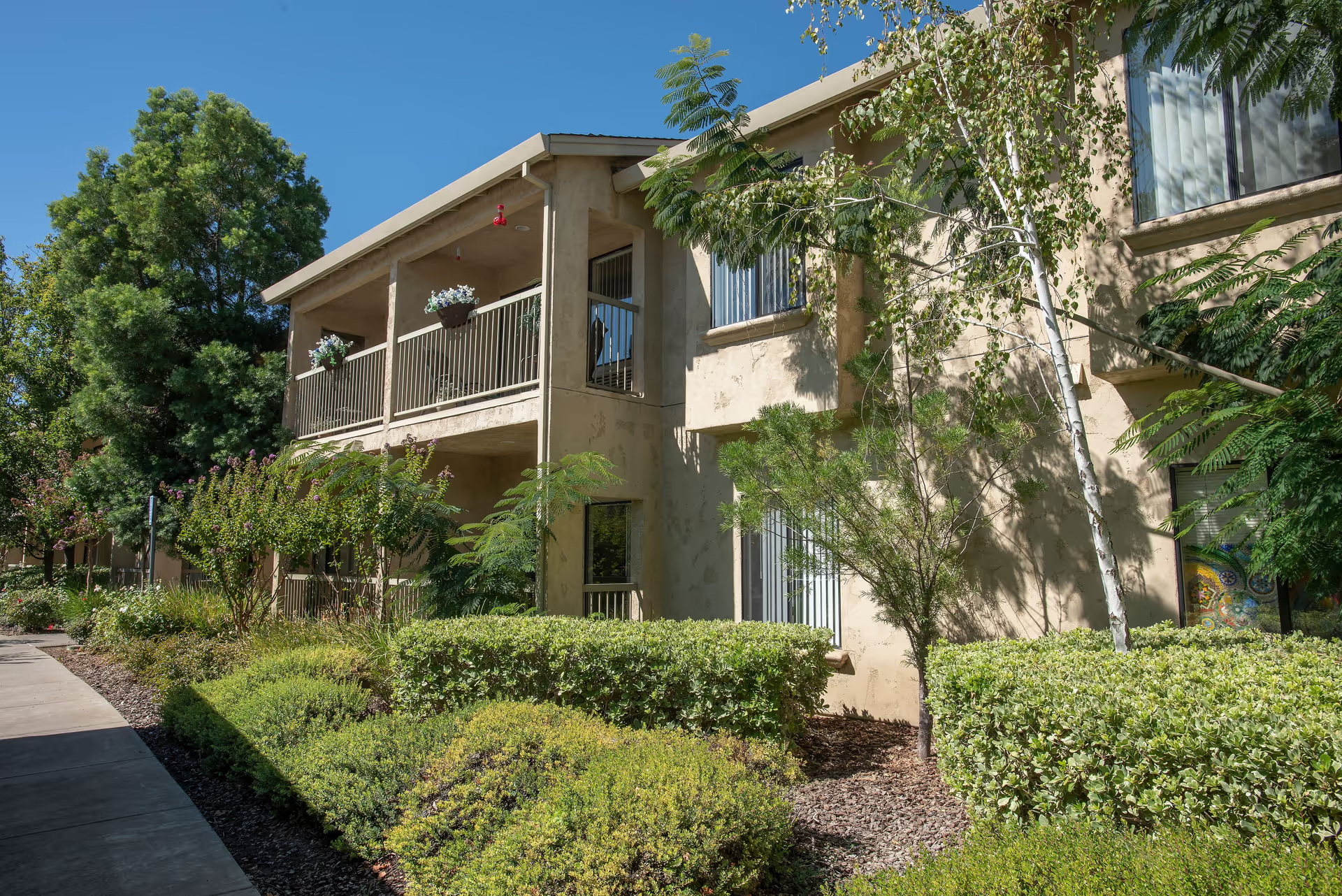
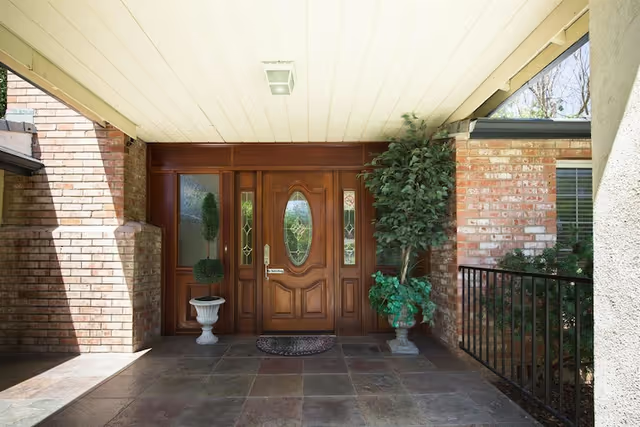
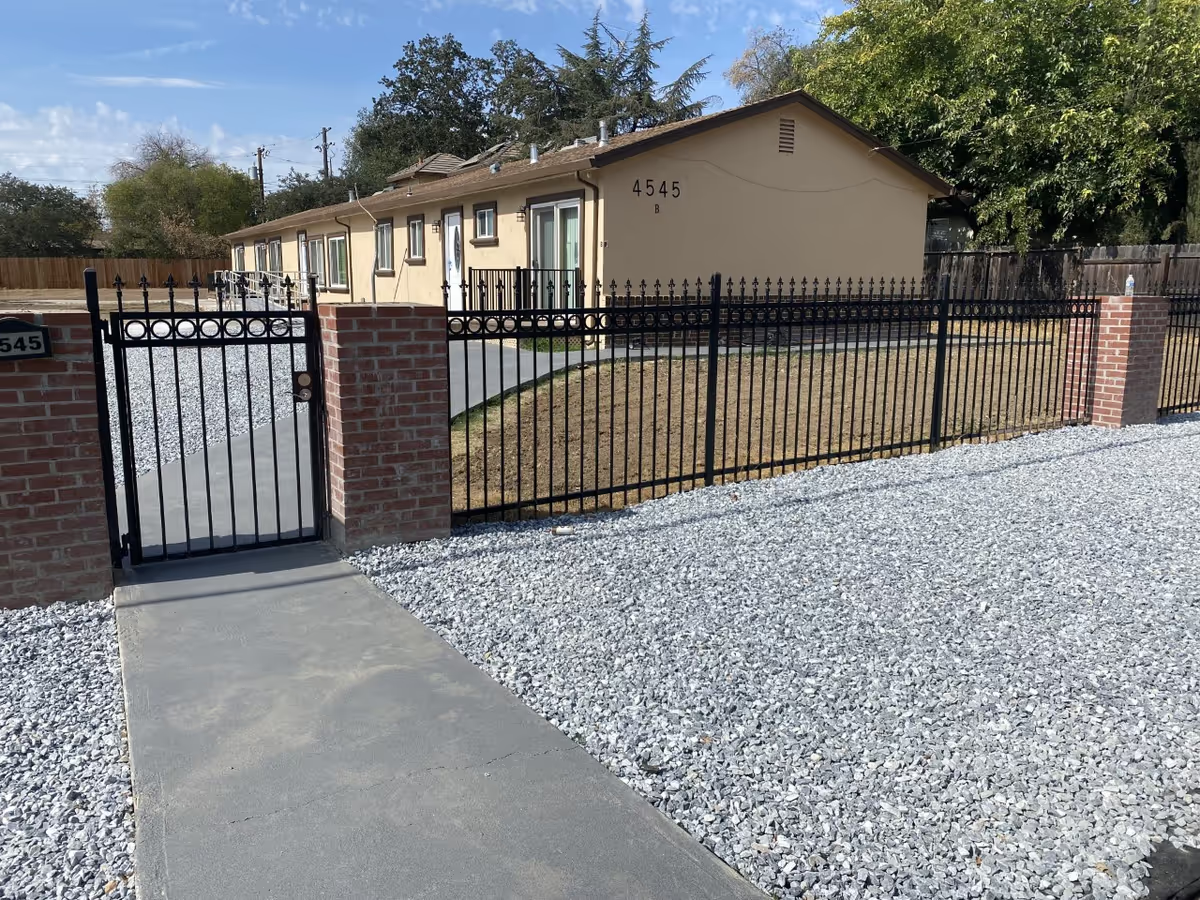
Facility condition and operations show mixed reports. Many families describe clean, well‑maintained interiors and orderly common areas; however, others identify sanitation and maintenance inconsistencies, odor concerns, worn or outdated rooms, and specific safety hazards. Noise, roommate arrangements and privacy issues (including reports of crowded rooms) are mentioned as factors that can disrupt sleep and comfort. Dining is generally viewed positively for variety and accommodation of special diets, though inconsistent meal preparation and occasional quality lapses are noted.
Management and administrative tone are another area of divergence. Some reviewers praise experienced, responsive leadership and effective discharge planners; others describe lapses in professionalism, tone with families and staff, and frustration over accountability. Practical process issues also surface: delays in medication administration and timing, occasional difficulties locating or returning resident belongings at discharge, and incidents suggesting gaps in safety oversight.
For prospective residents and families: Manzanita demonstrates clear strengths in rehabilitative care, individualized attention from many staff members, and a robust activities/dining program. At the same time, variability in staffing, communication, infection control, and facility maintenance suggests value in an in‑person tour and direct questions about current staffing ratios, weekend therapy availability, infection‑control policies, medication administration protocols, room condition, and the facility’s discharge and belongings-management procedures. Those who prioritize intensive, consistently staffed hands‑on care should verify coverage levels and escalation processes before placement.