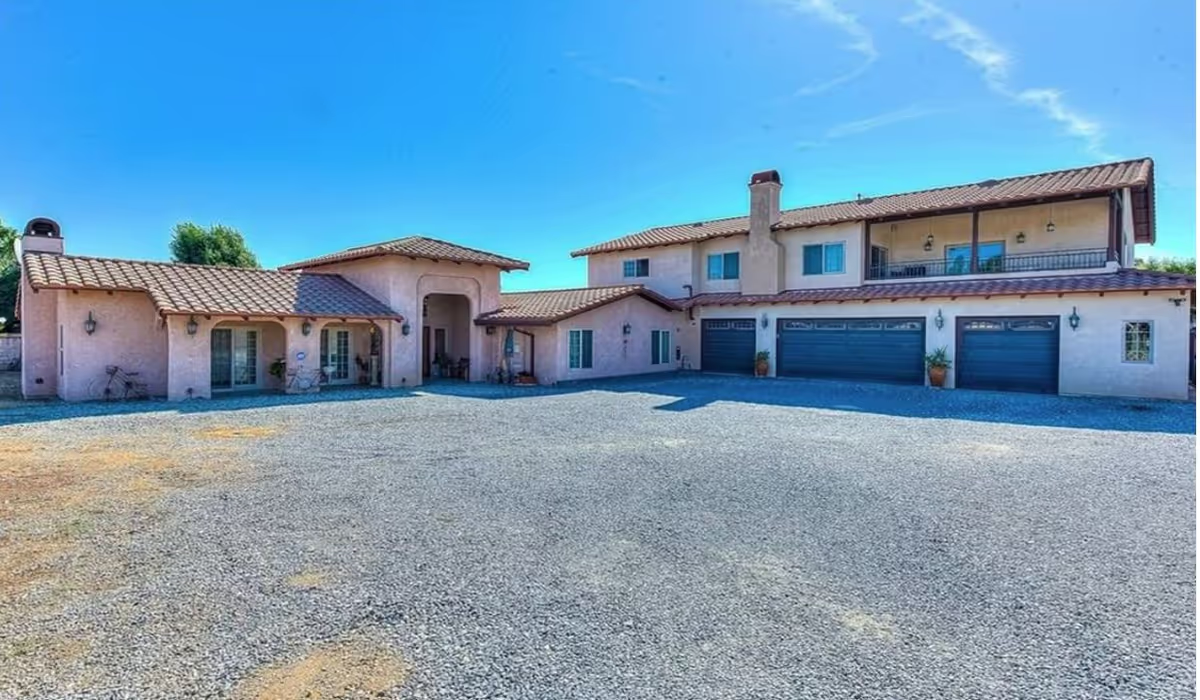
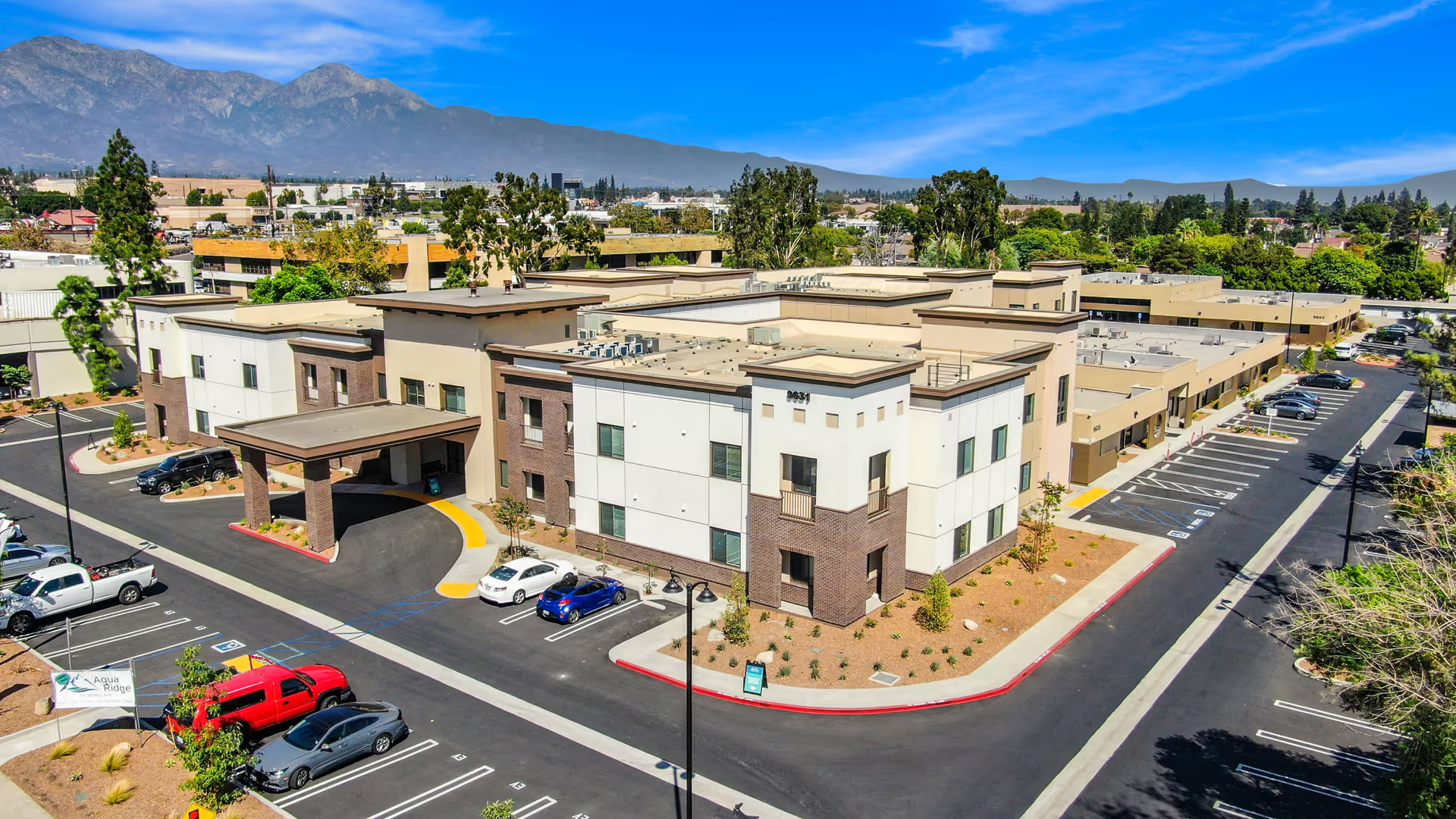
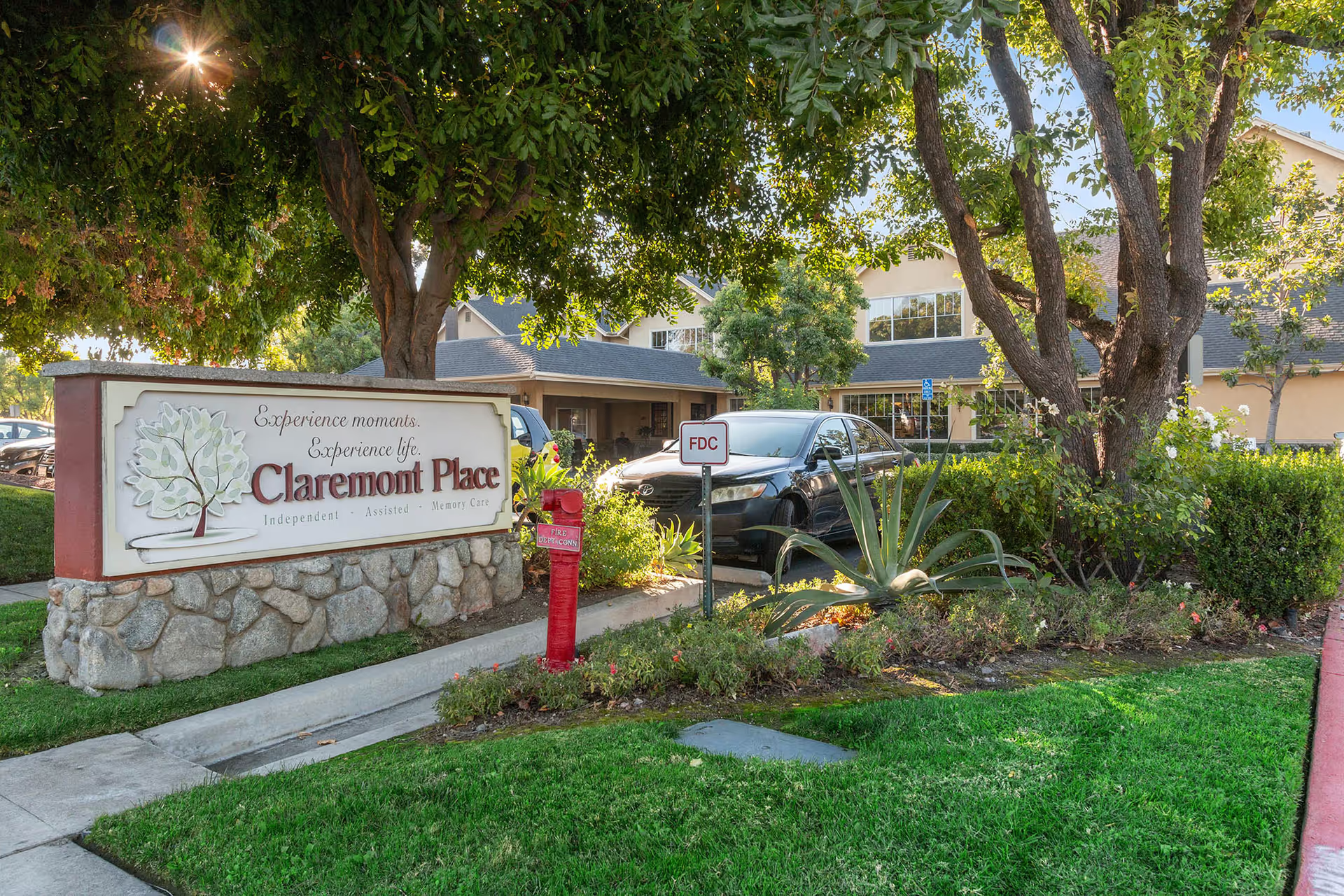
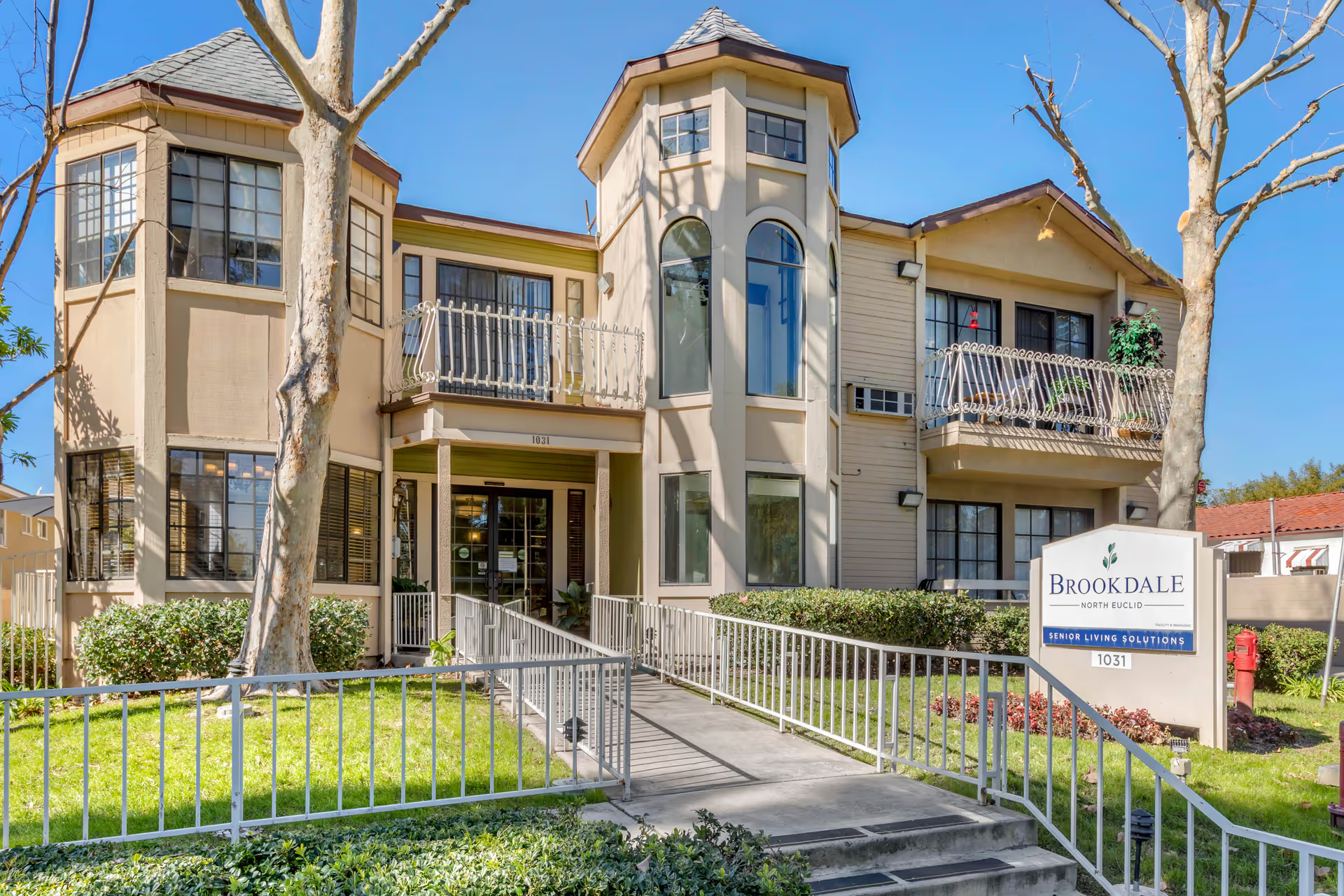
Meridian at Chino presents as a modern, well-appointed community with consistently cited strengths in physical environment, hospitality, and social programming. Reviewers routinely describe clean, resort-like common areas, well-kept courtyards, and a broad set of on-site amenities such as a movie theater, salon, gym, and library. Apartment features (kitchenettes, balconies, sizable bathrooms with safety handrails, and emergency cords) and visible infection-control practices contribute to many families’ sense of a high-quality living environment. Admissions and front-desk staff are frequently singled out as helpful and accommodating, and move-in logistics are often described as smooth and supportive.
Staffing and care quality show a mixed picture. Many families praise compassionate, attentive caregivers and activity staff who create an engaging social environment; others, however, report inconsistent clinical performance—especially in the memory-care unit. Recurring operational concerns include delayed responses to resident needs, gaps in medication administration, and variable staff training in dementia care. There are also isolated but serious individual allegations that families found troubling; these underscore the importance of confirming staffing ratios, clinical oversight, and incident-reporting practices for higher-acuity residents.
Dining and activities are generally strengths, with a restaurant-style dining room, multiple daily activity options (exercise, games, arts and crafts, outings), and special events. At the same time, reviewers note variability in meal preparation and occasional service continuity problems (canceled outings due to vehicle issues, slow meal delivery during staff shortages). Activity access is broad for ambulatory residents, but some higher-dependency groups (transitions or memory-care residents) may experience fewer tailored offerings or cancellations tied to staffing or transportation reliability.
Facilities maintenance and housekeeping are often praised, yet a pattern of unresolved or delayed maintenance requests and some sanitation concerns in specific units appears in the record. Reviewers cite examples such as outstanding repair orders, intermittent laundry or dryer issues, and localized cleaning deficits. Similarly, families report operational weaknesses around medication handling, lost or unsecured personal items, and inconsistent follow-through on promised services—issues that affect perceptions of safety and value.
Management and billing practices elicit mixed feedback. Many reviewers compliment executive-level responsiveness and a proactive admissions team; others raise concerns about communication, unannounced price increases or early billing, and difficulty obtaining timely explanations of care-level assessments and charges. Transportation and building-system reliability (van availability, elevator outages) have at times disrupted services and outings.
Implications for prospective families: Meridian at Chino offers strong hospitality, amenities, and an active social program that many residents enjoy. To evaluate fit, families should clarify current staffing ratios (particularly in memory care), observe medication administration and storage procedures, request typical housekeeping/maintenance response times, confirm activity access for higher-dependency residents, and ask for written billing and care-level policies. Those steps will help align expectations with the facility’s operational realities and identify whether its strengths match the prospective resident’s clinical and social needs.