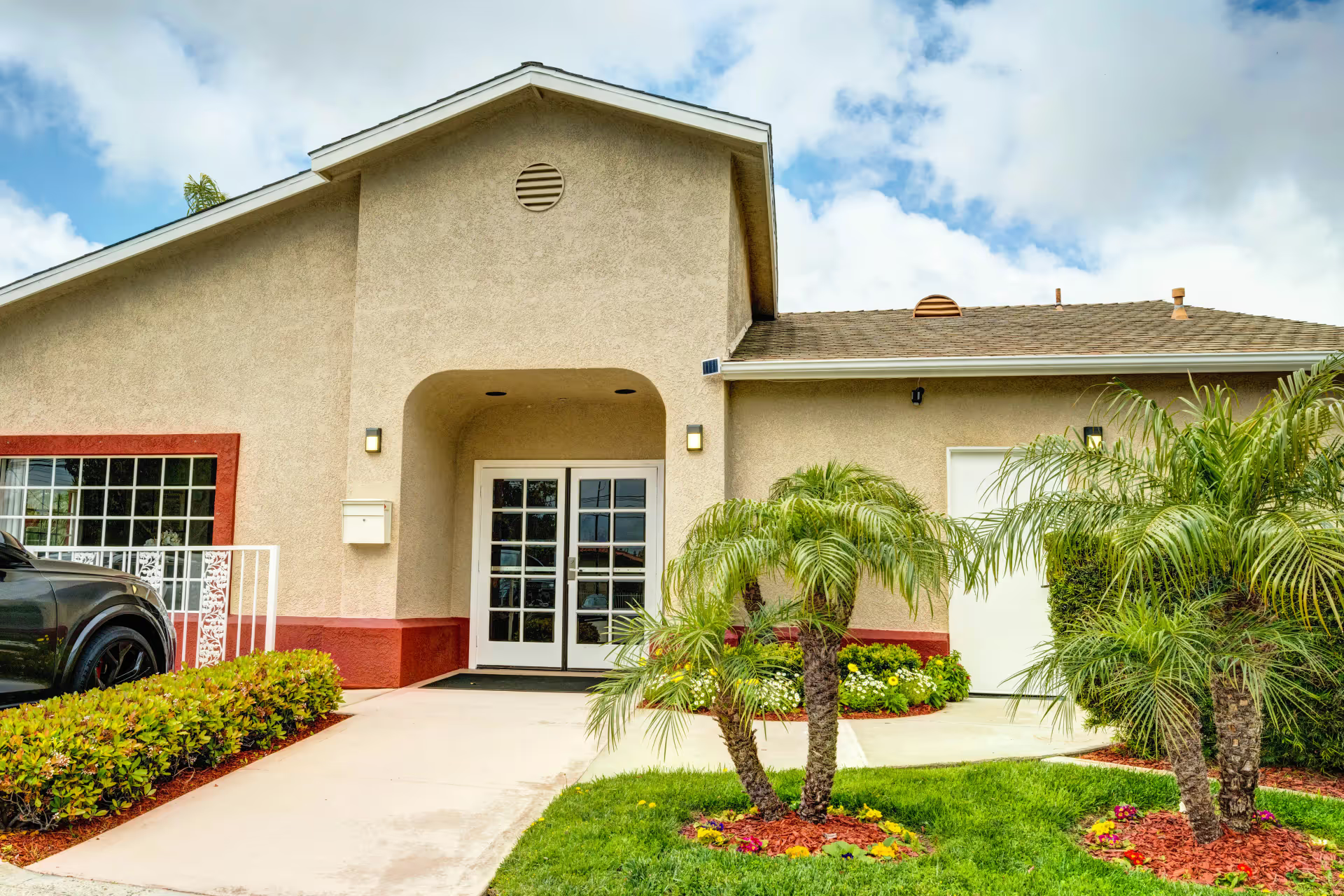
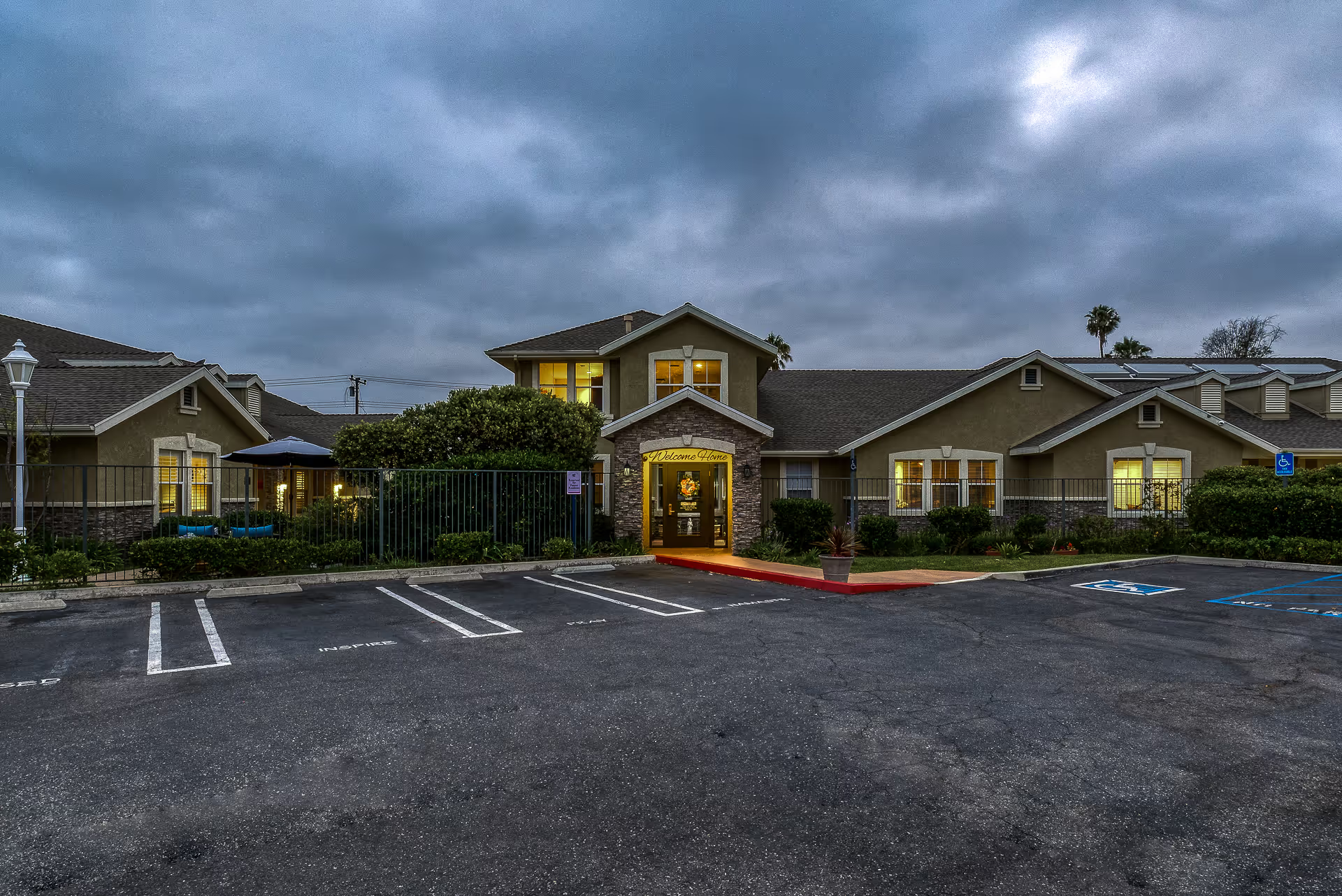
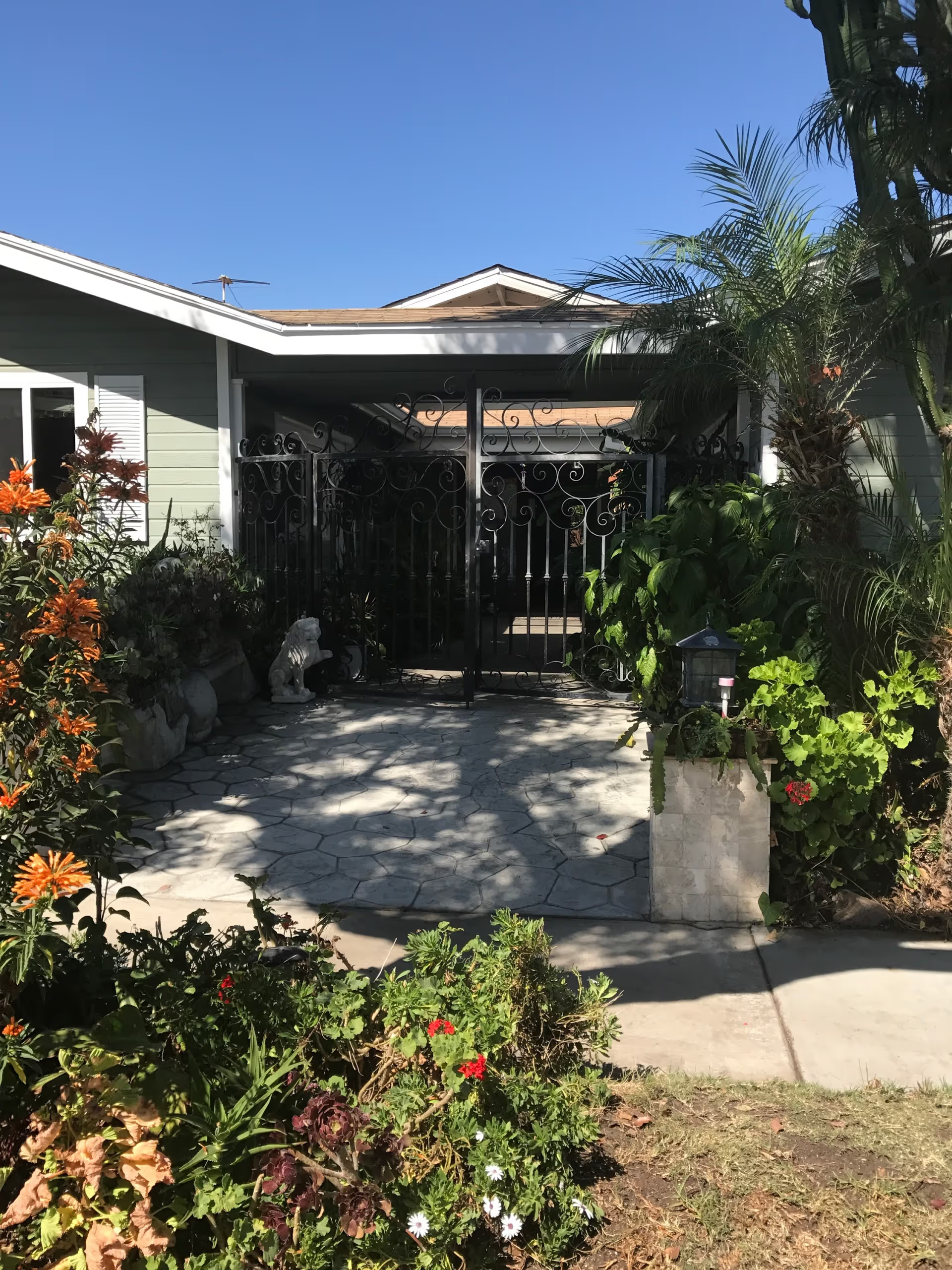
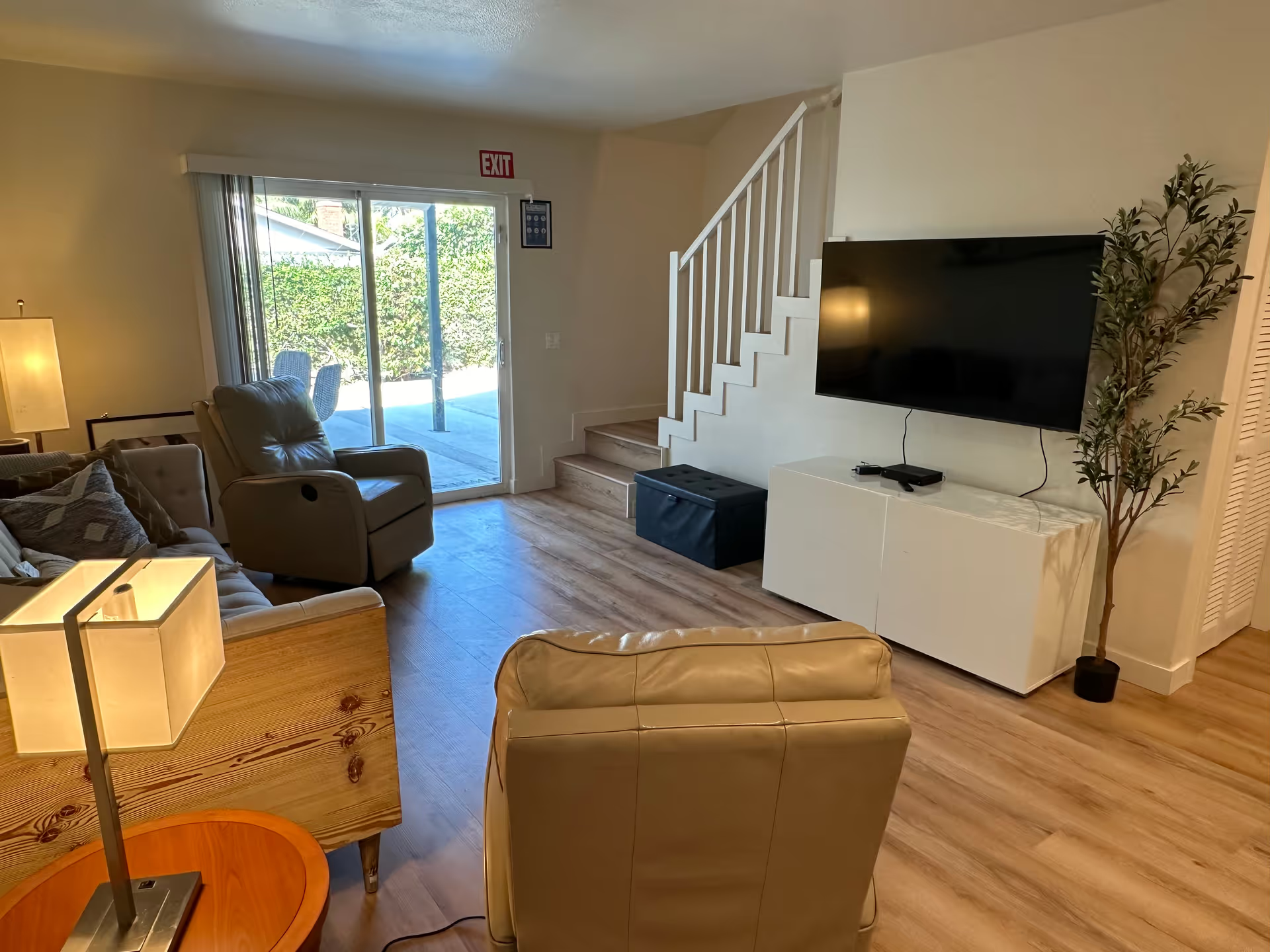
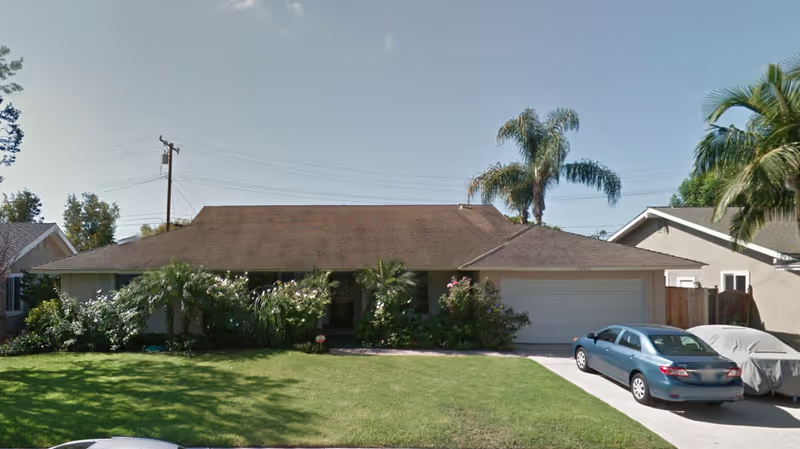
Angela's Residential Care is consistently described as a small, home-like setting with a strong emphasis on cleanliness, private living spaces, and a pleasant outdoor environment. The physical plant appears updated and well cared-for: reviewers note remodeled bathrooms with walk-in tile showers, bedrooms with French doors to a well-manicured backyard, and an attractive interior and patio area. Private rooms and a neat, orderly common area contribute to a family-home feeling rather than an institutional atmosphere.
Care quality is generally characterized as attentive and personal. Multiple families describe staff who are engaged, dedicated, and focused on resident dignity and hygiene. Medication administration and basic personal-care routines are noted as monitored, and there are positive accounts of staff taking residents to appointments and arranging hospital visits when needed. At the same time, there are recurring concerns about clinical oversight consistency: a few families describe health declines that ultimately required transfer elsewhere, and some narratives indicate limitations in how management participates in clinical escalation.
Staff and communication present a mixed picture. Caregivers are frequently described as kind and attentive, which supports daily living and grooming standards. However, several comments indicate language-compatibility limitations that can affect family communication and perceived warmth. The facility's management style is described by some as professional and businesslike; this translates for some families into an impersonal or tightly managed atmosphere rather than a more social, outgoing environment.
Dining is a clear strength in quality but has some limits in variety. Reviewers consistently praise home-cooked meals, frequent fresh fruit and vegetables, and visible attention to nutrition that in some cases correlated with weight gain. Conversely, requests for a broader menu or more variety appear in the feedback and would be reasonable to explore with staff during a tour.
Activity and socialization options look modest. The yard, patio, and calm setting offer pleasant quiet-time opportunities, but the facility's layout and certain expectations for residents to remain in their rooms have been raised as concerns regarding isolation and limited communal engagement. Prospective families should confirm the facility's approach to daily social activities, visitation, and communal spaces to ensure fit with an individual's social needs.
Management and operational patterns bear direct attention during assessment. Positive indicators include clean operations, organized staff, and consistent meal service. Areas to probe further include language support, the availability of leadership for clinical questions or hospital coordination, formal policies on resident interactions and quiet-time expectations, and how care plans are adjusted when a resident's health status changes.
Overall, Angela's Residential Care presents as a well-kept, home-focused residence with dedicated caregivers and nutritious, home-cooked meals. For prospective residents and families, the most important follow-up items are clarifying communication options (language and frequency), management involvement in clinical escalations, activity and socialization philosophy, and menu flexibility to ensure the home's strengths align with the resident's medical and social needs.