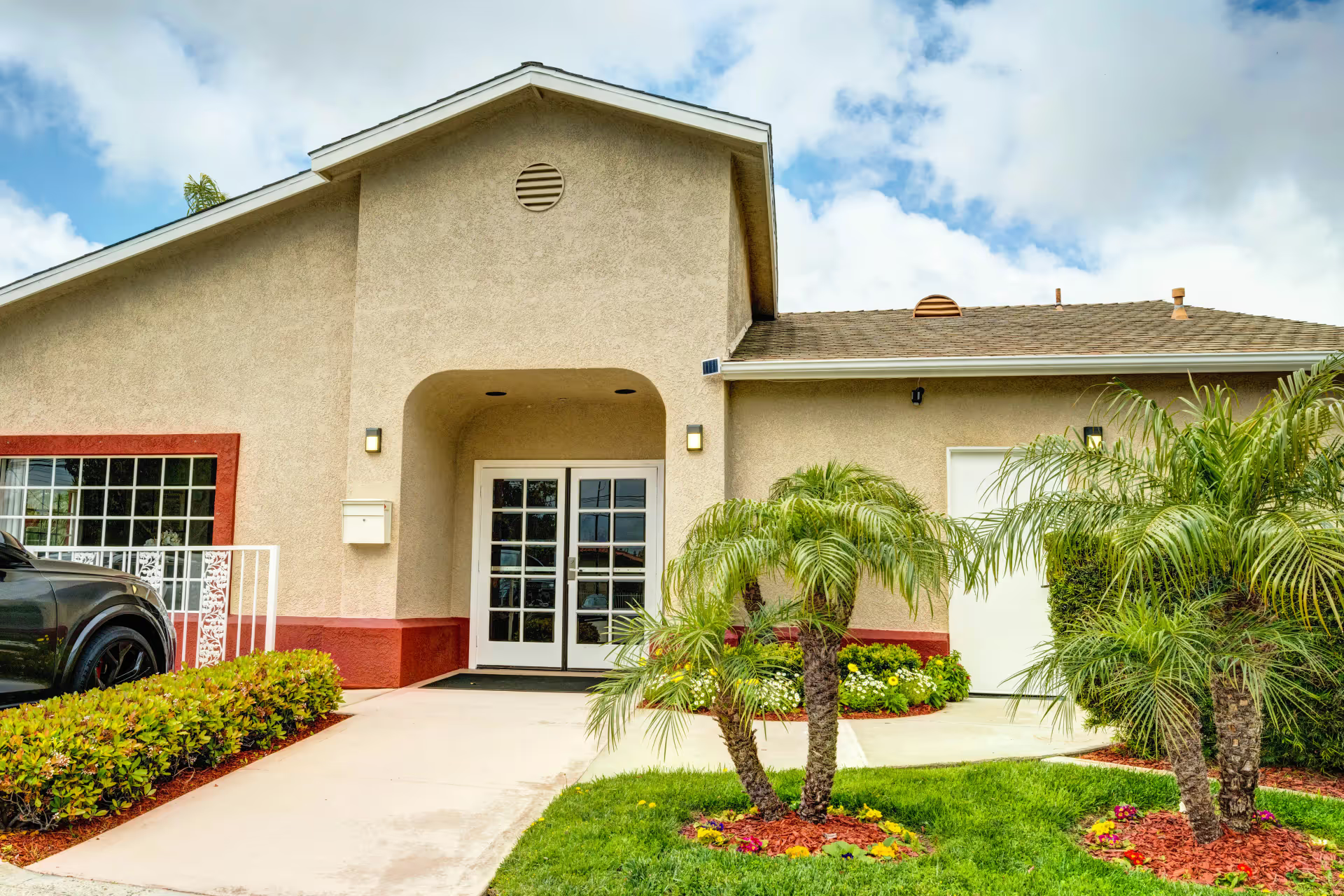
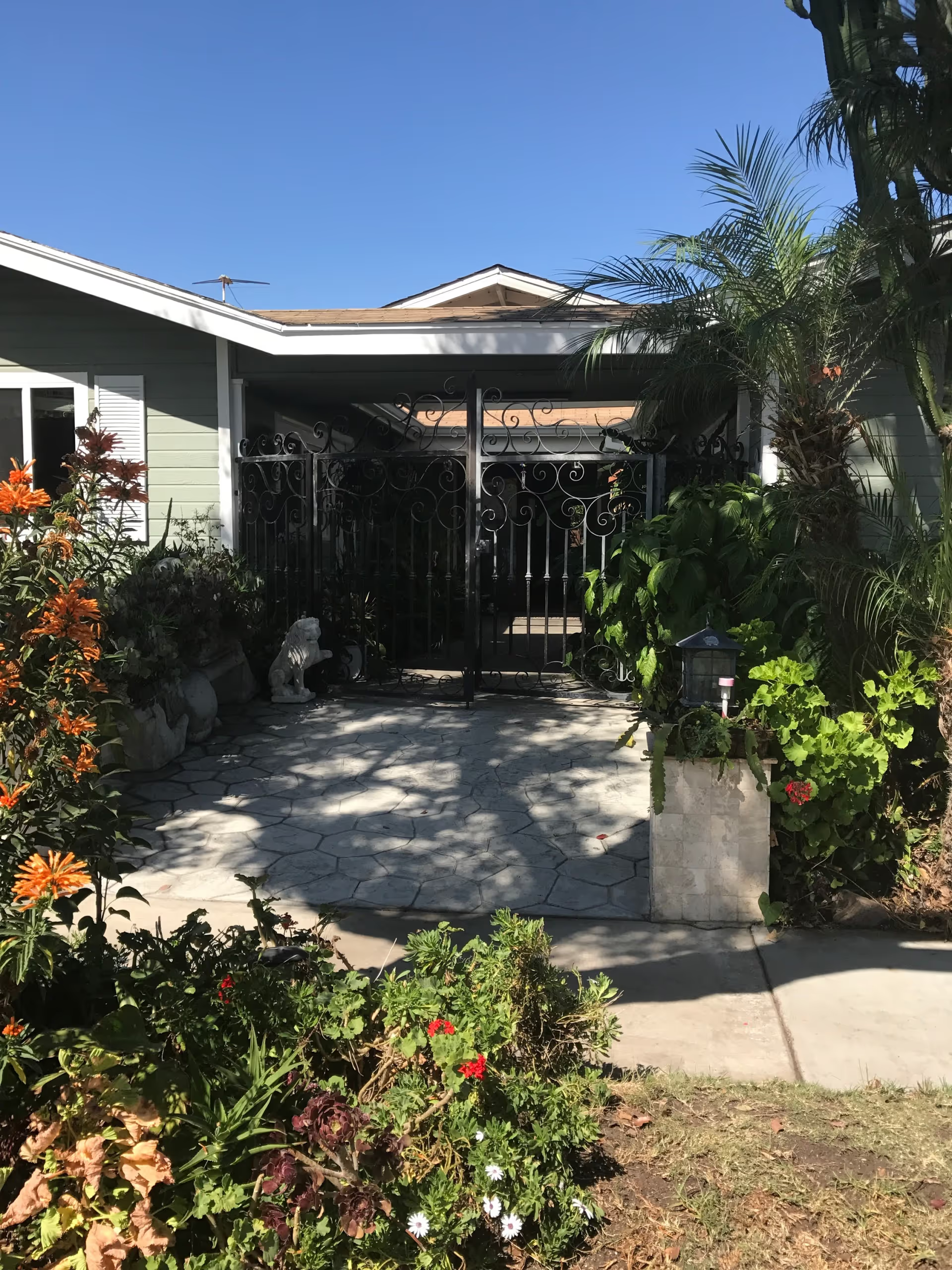
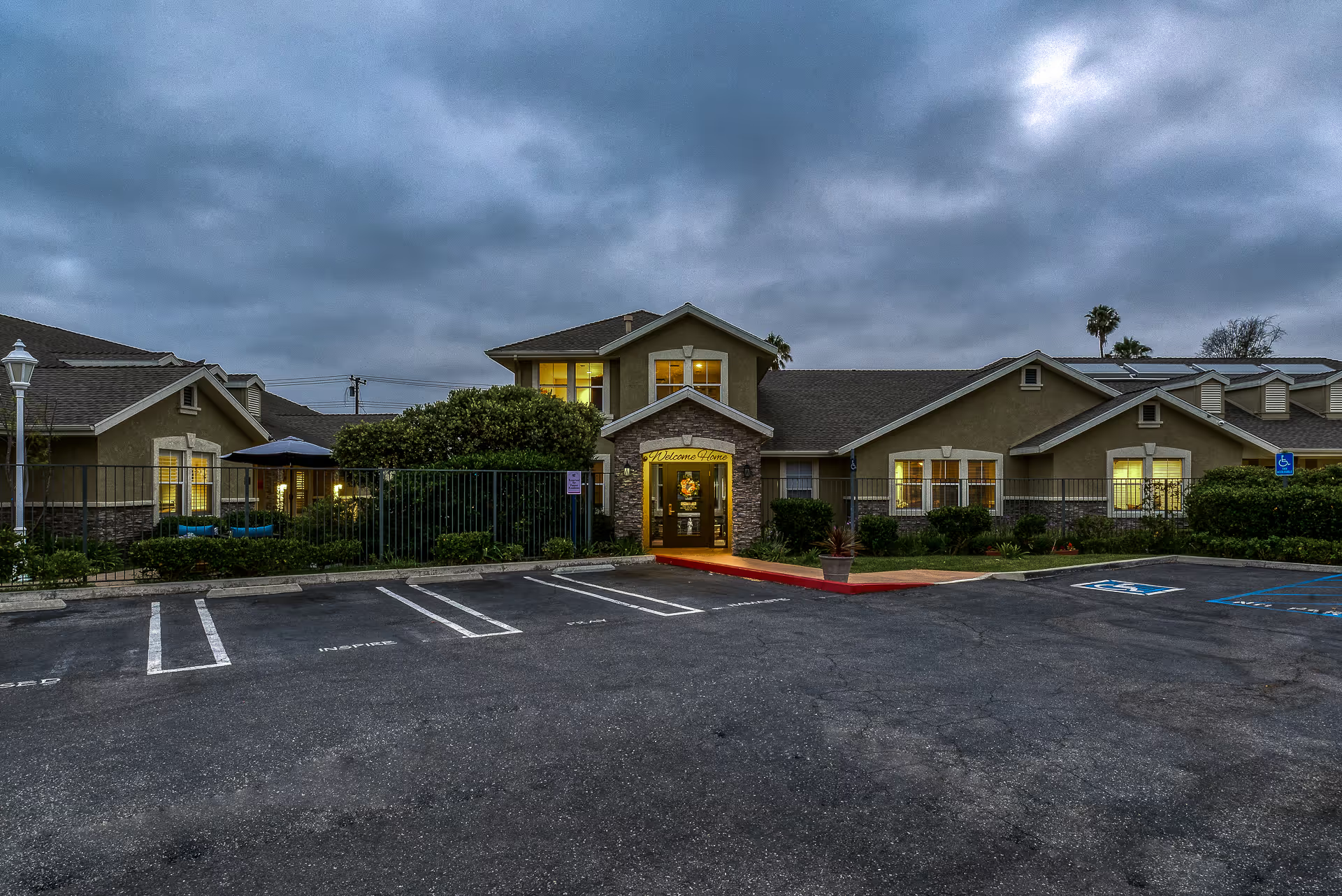
Star Dust Home presents as a small, well‑kept residential care setting with a strong emphasis on a home-like environment and individualized attention. Reviewers consistently describe a pleasant neighborhood location, attractive interior and exterior spaces, and a landscaped backyard. The facility is pet-friendly — with dogs and routine dog walks — which contributes to a casual, domestic atmosphere that many families find comforting. The provider’s long history in operation is noted and reinforces the impression of stability.
Care and staffing impressions are overall positive: families describe staff as compassionate, attentive, and invested in resident comfort and safety. The small census (six rooms, with fewer residents noted at times) combined with a low resident-to-staff ratio supports personalized care and frequent staff–resident interaction. The home uses evening door alarms as a security measure, and management is generally viewed as responsive and easy to work with. Rooms are described as pleasant and visiting is comfortable, which suggests good attention to the visiting experience.
Dining and daily life are also viewed favorably: food quality is described as very good, and family members report that residents receive personal care focused on comfort. The pet program and use of outdoor space are clear strengths that provide routine activity and social stimulation. However, reviewers do not describe an extensive schedule of structured activities beyond pet-related outings, indicating that programming may be limited compared with larger communities.
Operationally, the facility’s small size brings both advantages and constraints. While the small scale enables individualized attention, it also creates potential vulnerabilities: a small, tight staff team can strain continuity if turnover or absences occur, and the home may lack specialized clinical resources for residents with higher-acuity medical needs. One reviewer raised concern about placement of a resident with advanced care needs, which highlights potential limits in clinical capability. In addition, the facility maintains a 30‑day vacancy/notice policy that may affect placement flexibility. Prospective families should weigh the benefits of a warm, residential setting and engaged staff against the facility’s limited capacity and scope of clinical and activity programming when assessing suitability for complex care needs.