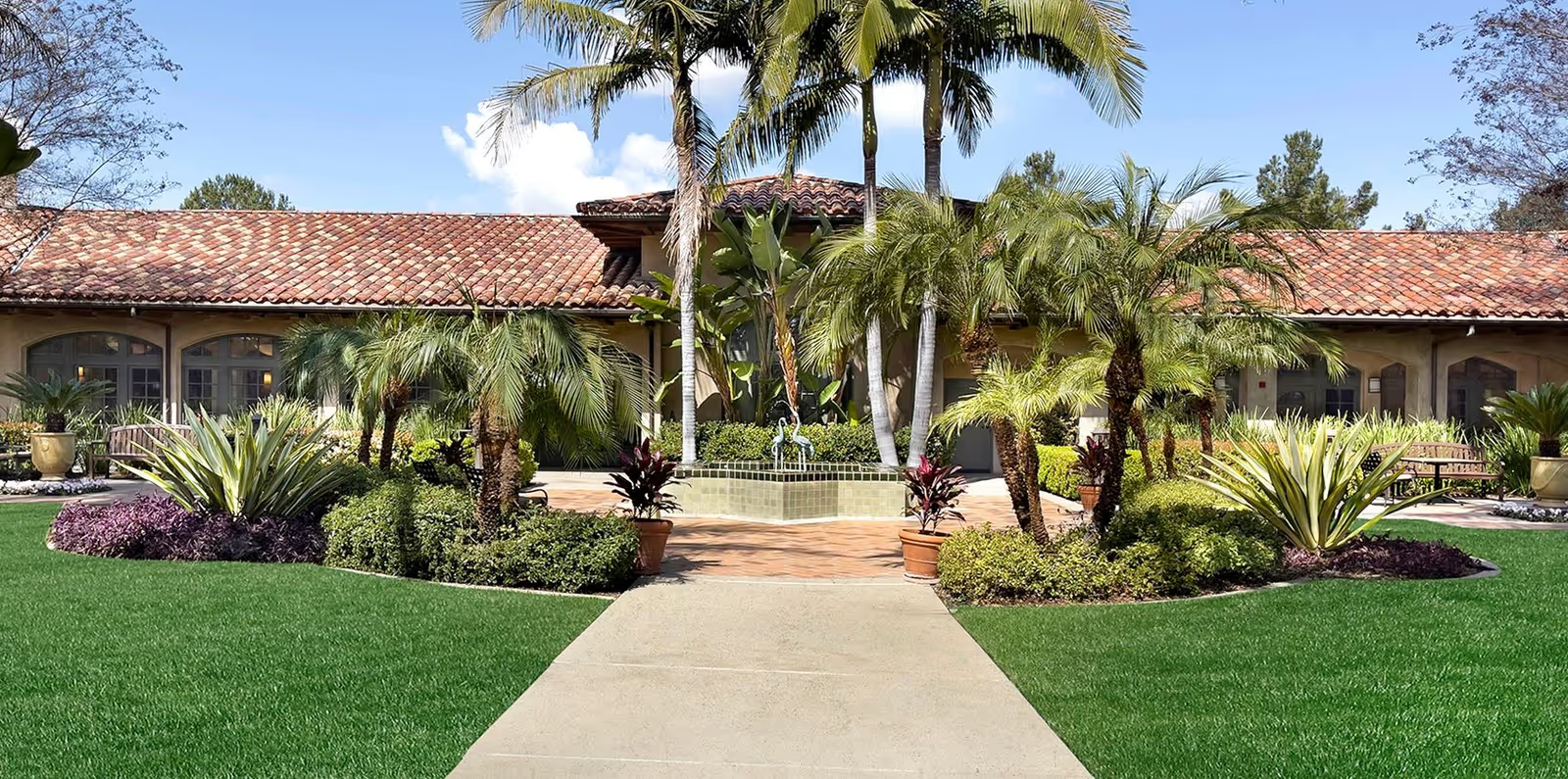
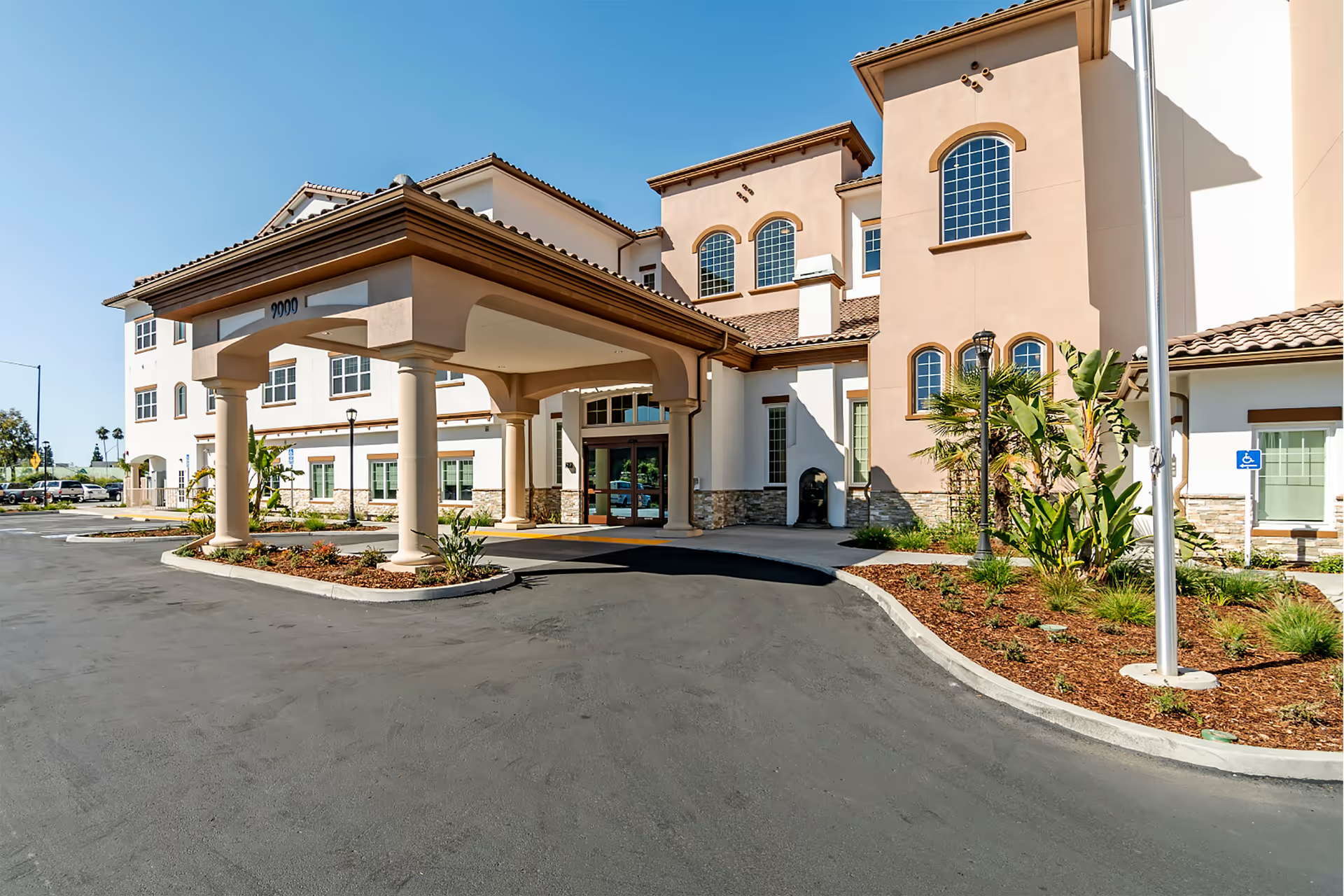
Country Hills Post Acute presents a polarized picture: many families and patients describe high-quality, attentive clinical care—particularly from nursing and rehabilitation teams—while others report systemic operational weaknesses that affect overall reliability. Positive accounts emphasize effective short-term rehabilitation, motivated therapists, and nursing staff who facilitate return to daily living activities. Admissions and certain social-work staff frequently receive praise for easing transitions from hospital to facility. The facility's renovated interiors, windowed rooms, and active programming contribute to a welcoming, family-friendly atmosphere for many residents.
At the same time, recurring patterns suggest variability in experience depending on unit, shift, or specific personnel. Reviewers describe inconsistent staffing levels, which appear to contribute to delays in attending to call lights and inconsistent assistance. Families cited gaps in communication and coordination between nursing, social services, and front-desk staff, producing unclear discharge plans or difficulty reaching key personnel. Several accounts pointed to inconsistent infection-control and quarantine practices in specific units, as well as sanitation and pest-control concerns that undermine confidence in environmental safety.
Dining and nutrition are described unevenly: when kitchen leadership is present, meals and service are praised, but reviewers also describe inconsistent food quality and failures to accommodate allergies or preferences on other shifts. Activities and social programming are repeatedly highlighted as strengths; the facility organizes a range of events that many residents enjoy and that support a family-like community culture.
Management and operational issues are a frequent source of dissatisfaction. Specific concerns include limited transparency about billing and shared-room costs, parking and access-management tensions, and at least one alleged privacy/communication breach. While some staff members and leaders are singled out for exemplary effort and responsiveness, others are described as unmotivated or difficult to engage, indicating variability in supervisory effectiveness. There are also isolated but serious allegations—including claims related to belongings management and unauthorized room access—that families called to the attention of regulators.
For prospective residents and families, Country Hills may offer strong rehabilitation services and a warm social environment when staffing and departmental coordination are functioning well. However, due diligence is advisable: ask for current staffing ratios, observe cleanliness and pest-control measures in relevant units, confirm allergy and dietary accommodations, request examples of recent discharge plans and interdisciplinary meeting notes, and verify privacy and billing policies. Visiting during different shifts and speaking directly with the therapy team, nursing leadership, and admissions/social-work can help determine whether the facility’s strengths align with an individual’s needs and whether operational inconsistencies have been addressed.