Overall impression: Reviews indicate a facility with clear strengths in personalized clinical care, rehabilitation, and social programming, alongside operational and environmental variability. Many families and residents described compassionate, attentive caregivers and therapists who contribute positively to recovery, daily comfort, and quality of life. At the same time, patterns of inconsistency—particularly across units and shifts—emerge as a recurrent theme that affects resident experience.
Care and staff: Nursing leadership, therapy teams, and many CNAs receive consistent praise for professionalism, responsiveness, and family communication. Several accounts highlight proactive case management, helpful social-work support, and an involved administrator or business manager who can assist with cost and care coordination. However, staffing instability and long staff hours are frequently mentioned; this appears to contribute to uneven responsiveness, variable conduct, and occasional lapses in routine care processes. There are also isolated but serious-sounding claims of missed medication doses and equipment oversights; these have been characterized in reviews as safety-related incidents and suggest a need for strengthened medication-administration and clinical-safety controls.
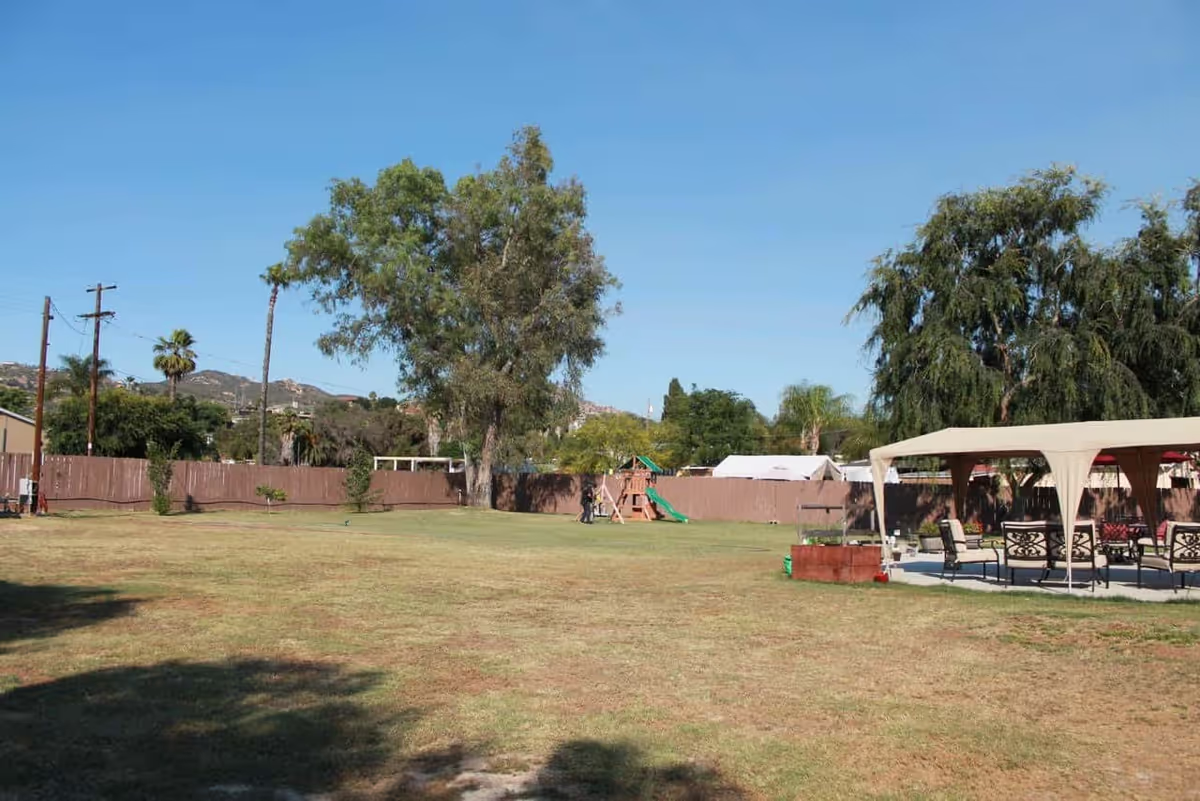
Dining and activities: Dining receives mixed feedback. Some residents find meals enjoyable and the dining environment pleasant; others describe inconsistent food quality and service reliability. Activities and communal amenities (movie room, games, patio, group events) are frequently cited as positive contributors to social life, and staff are credited with facilitating outings and personal grooming that improve resident morale. Conversely, the memory/dementia unit is reported to have limited on-unit programming in some cases, despite safety features such as alarms and controlled exits intended to protect residents.
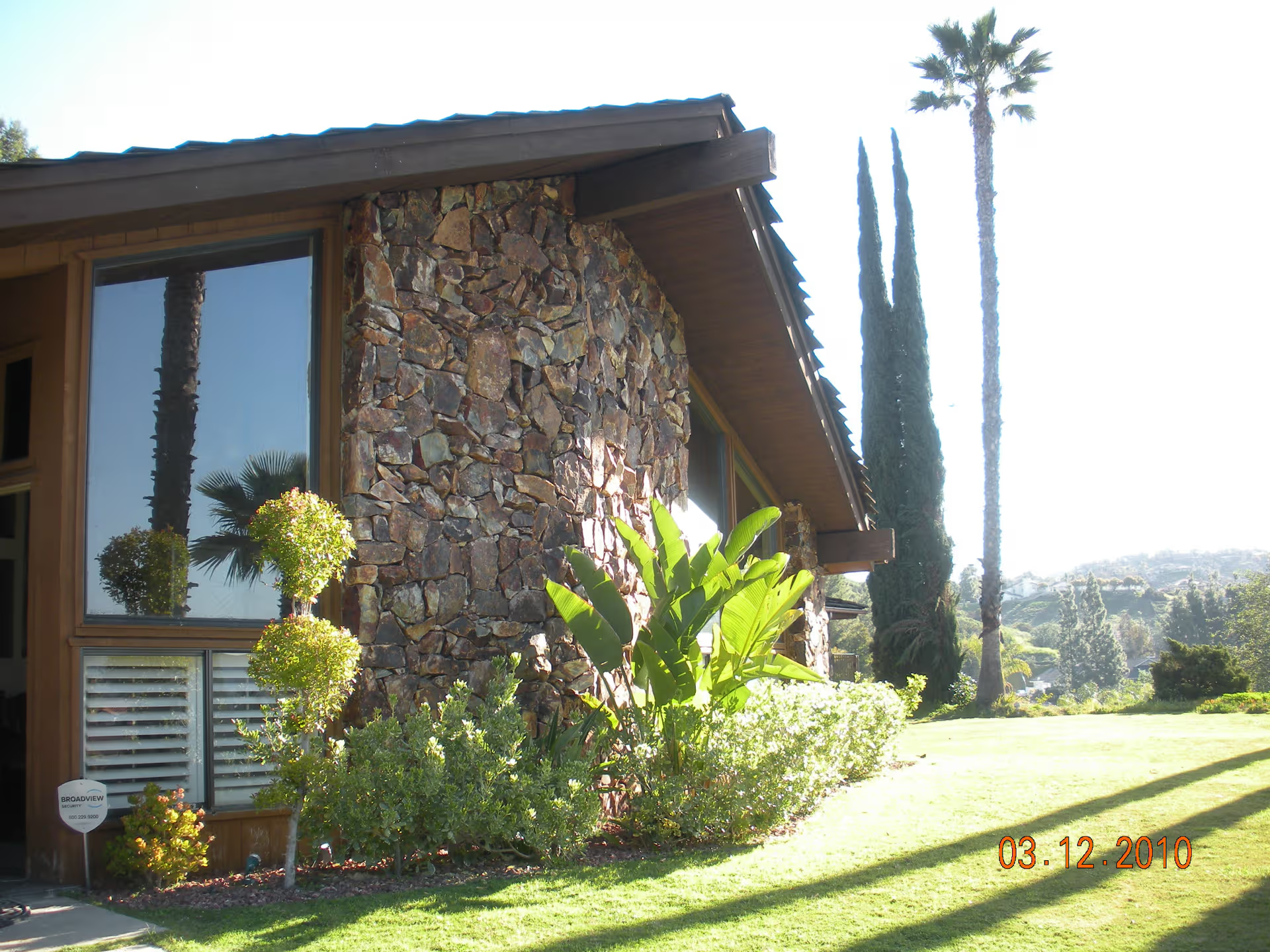
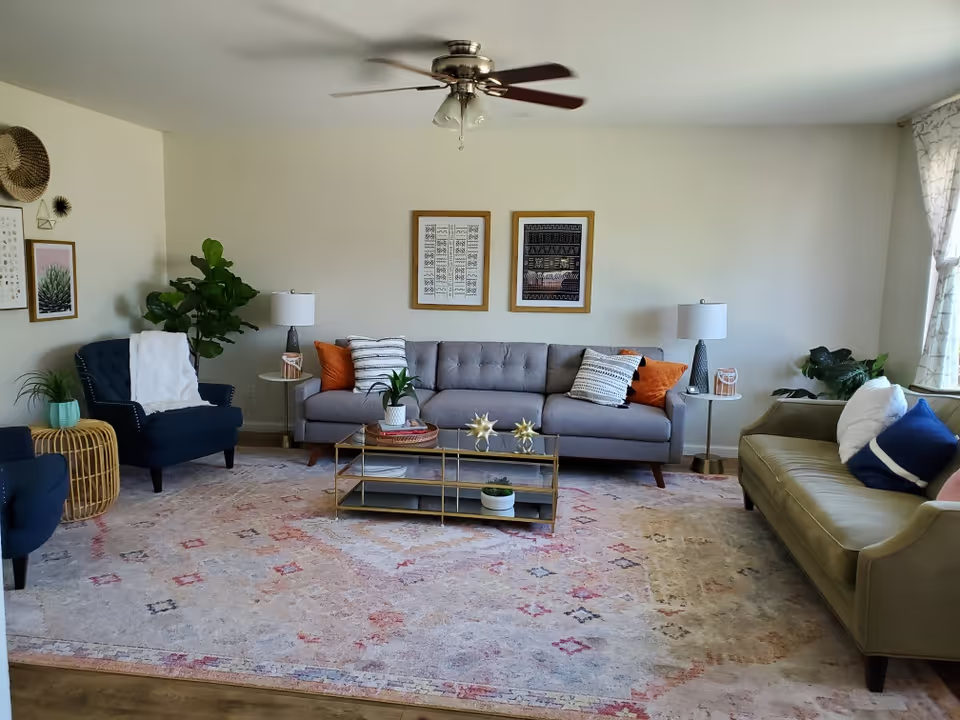
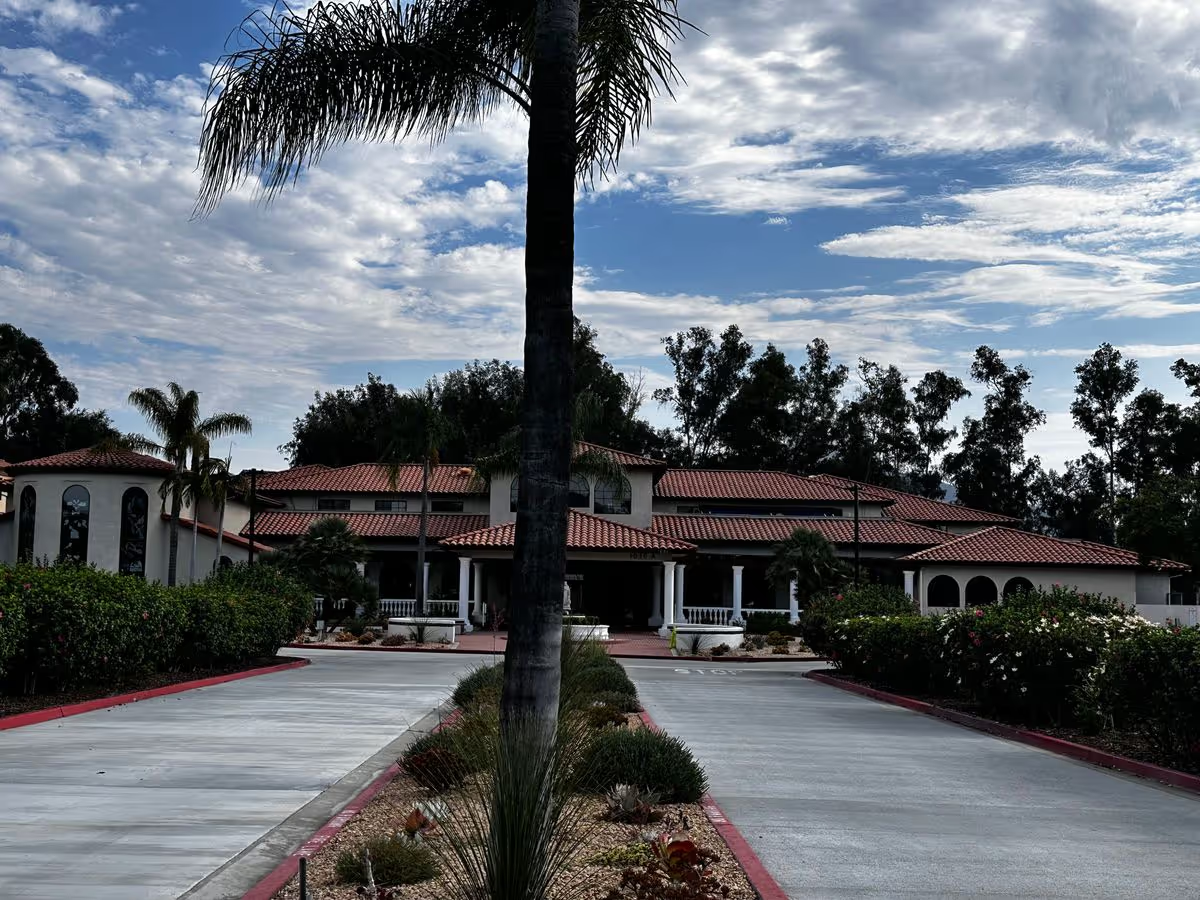
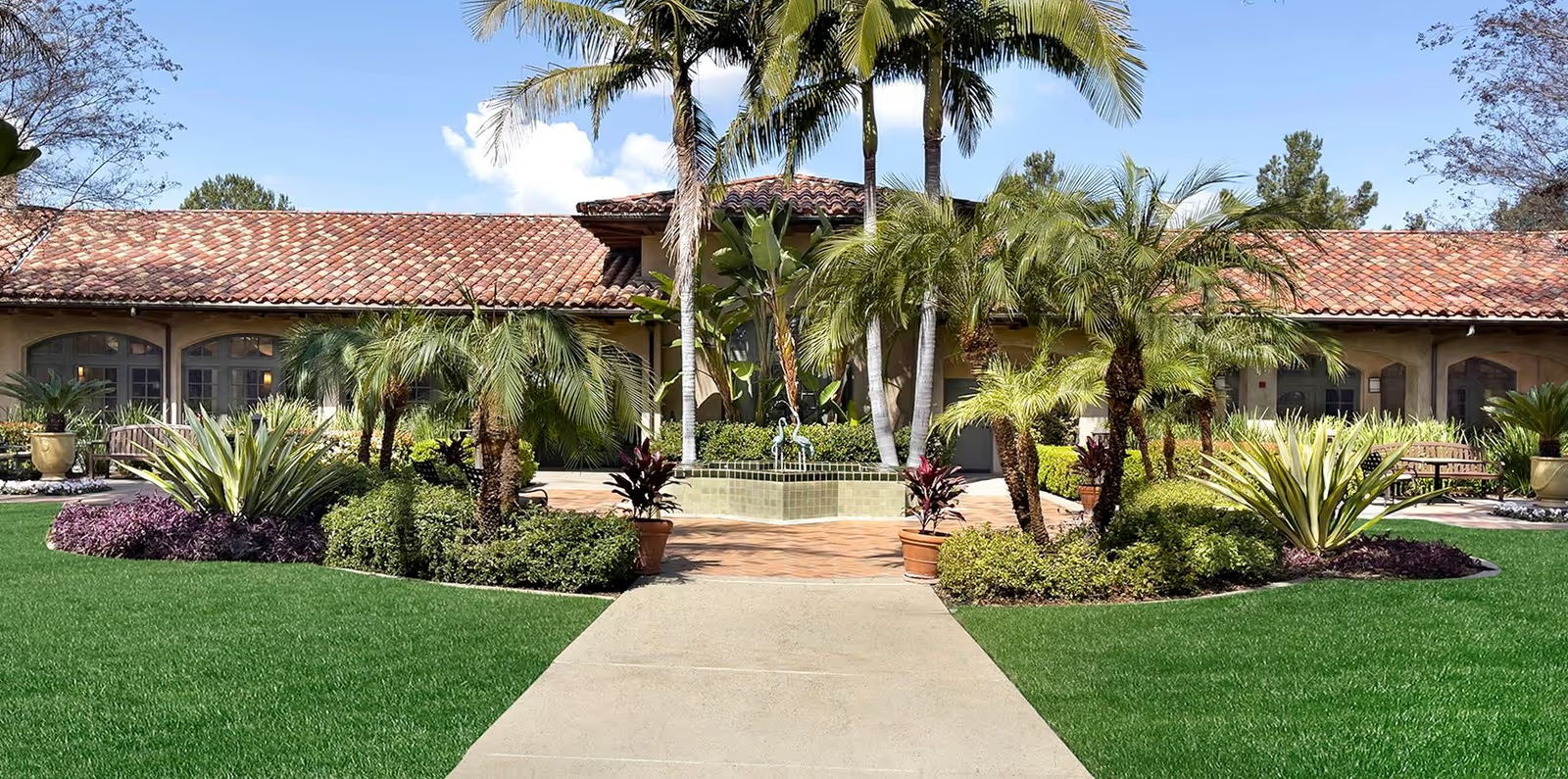
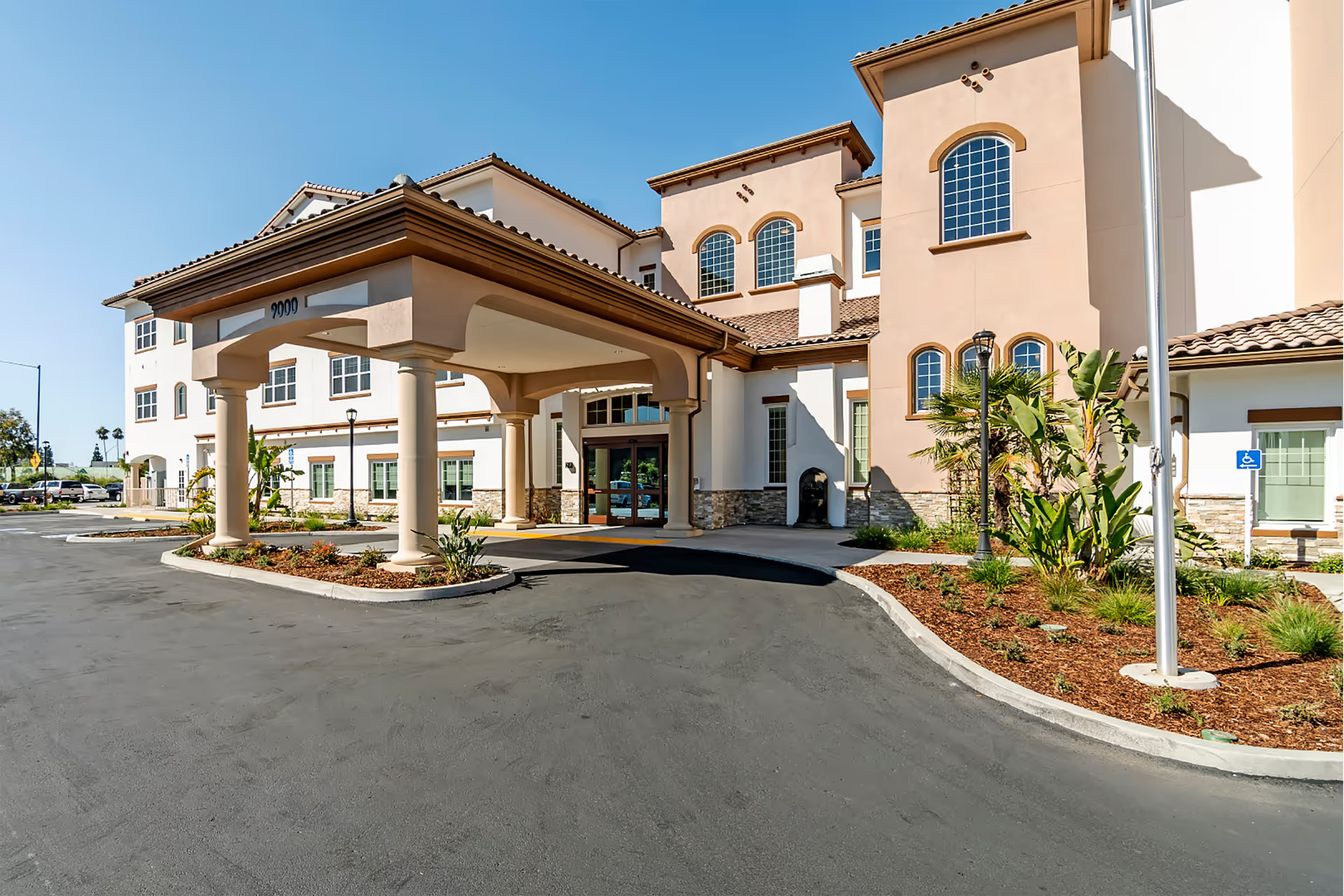
Facilities and environment: The facility appears physically mixed. Renovated areas and some rooms are described as clean and updated, while older wings show maintenance deficits—odor concerns in parts of the building, wall corrosion, evidence of painting-over, and intermittent environmental failures (broken air-conditioning, instances of water intrusion). Such maintenance and sanitation concerns, where present, are operational issues that affect resident comfort and require ongoing attention.
Management and patterns: Management practices draw both praise and criticism. Positive notes include helpful administrative staff who negotiate costs and maintain open family communication. Negative patterns include perceptions that financial priorities sometimes influence resource allocation, gaps in accountability around resident property and phone replacement, and inconsistent follow-through on appointments and staffing. Taken together, the reviews suggest a facility delivering many examples of high-quality, person-centered care, but one where systemic issues—staffing, clinical-safety processes, building maintenance, and inconsistent food and memory-unit programming—create variability in the resident experience.
What prospective families should consider: Ask about current staffing ratios and turnover, review medication-administration protocols and incident reporting procedures, tour both renovated and older wings to evaluate maintenance and odor, and request examples of memory-unit programming. Inquire how management addresses property accountability and how families are notified about clinical changes. Many families report excellent care and rehabilitation outcomes; verifying consistency across shifts and units will help set expectations and identify areas for ongoing follow-up if choosing this facility.