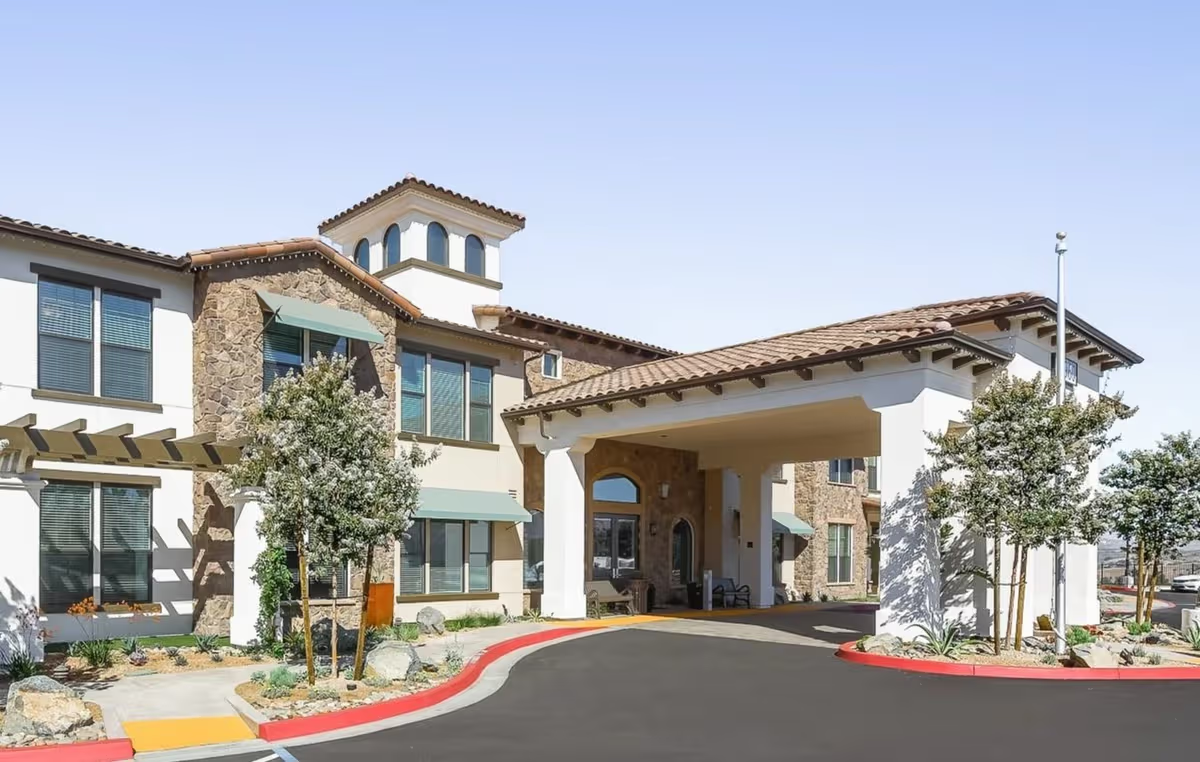
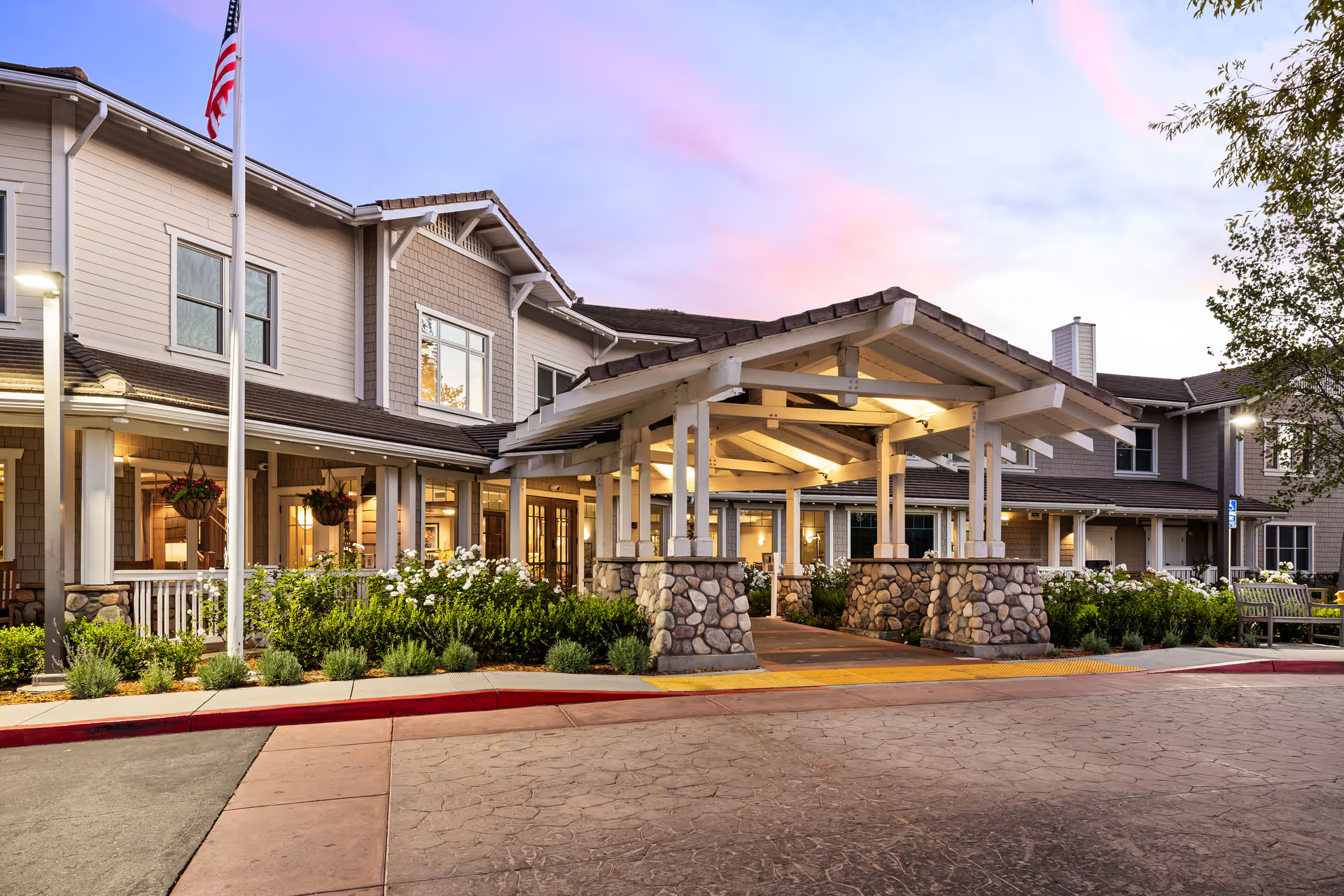
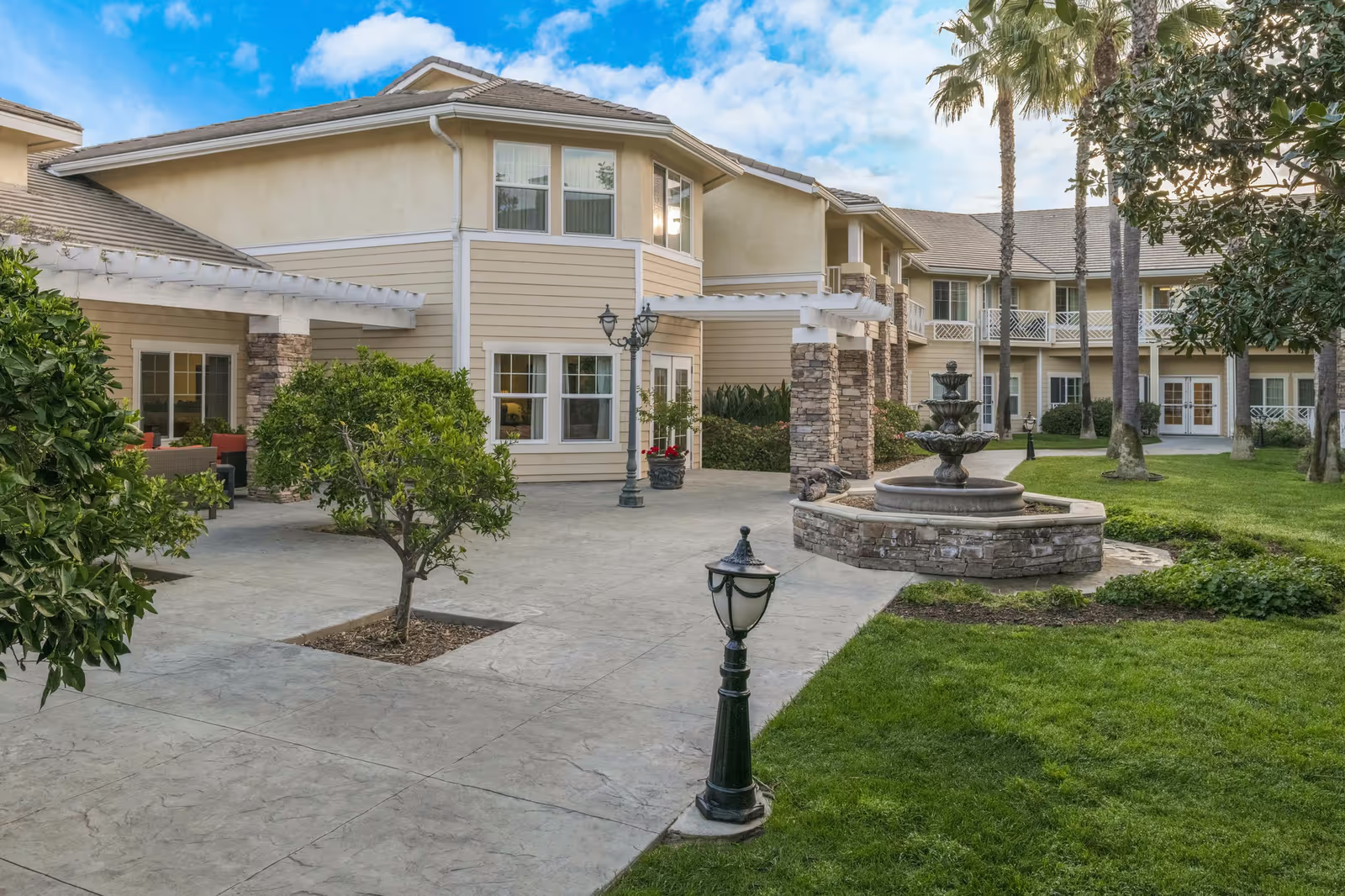
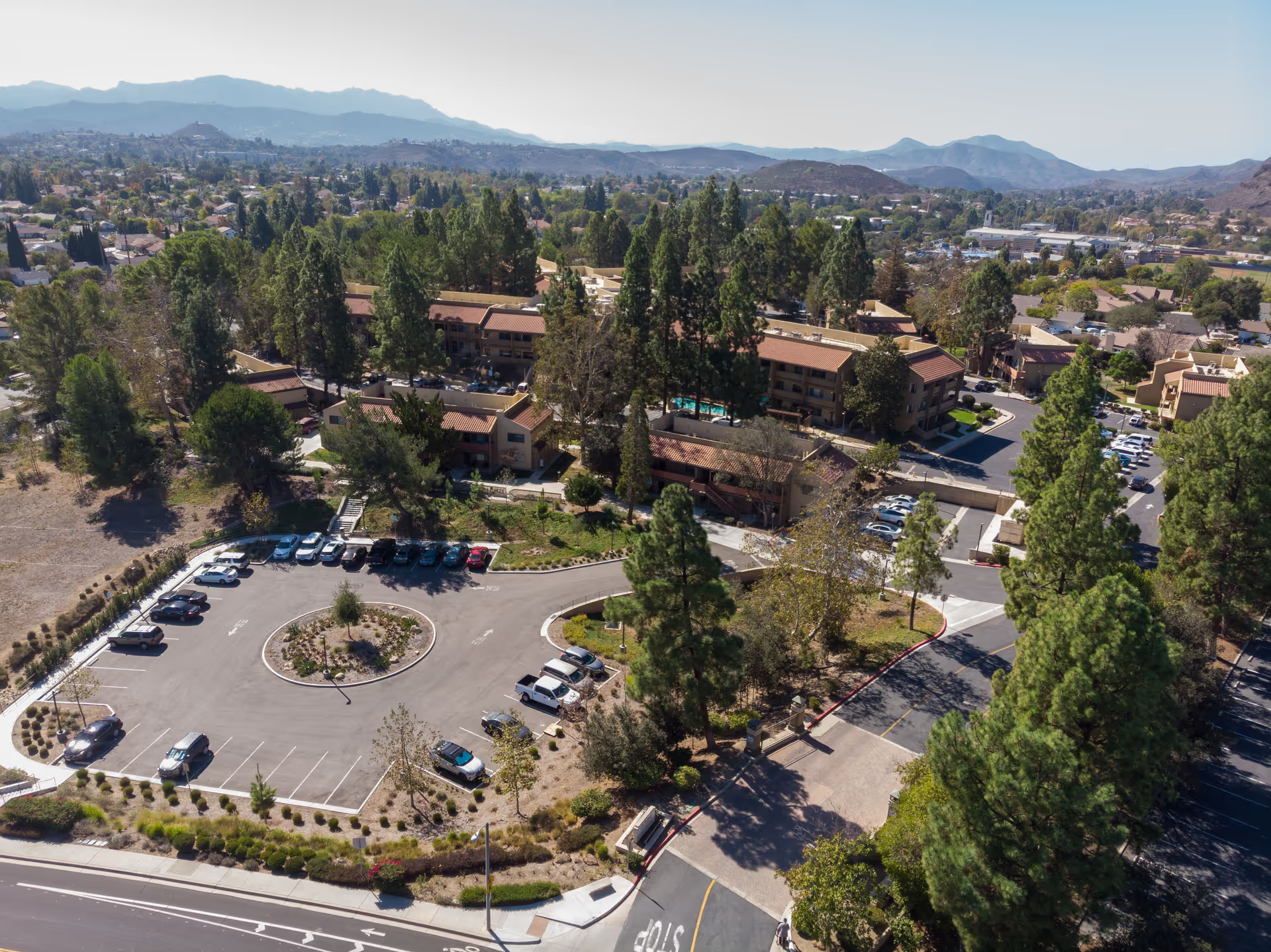
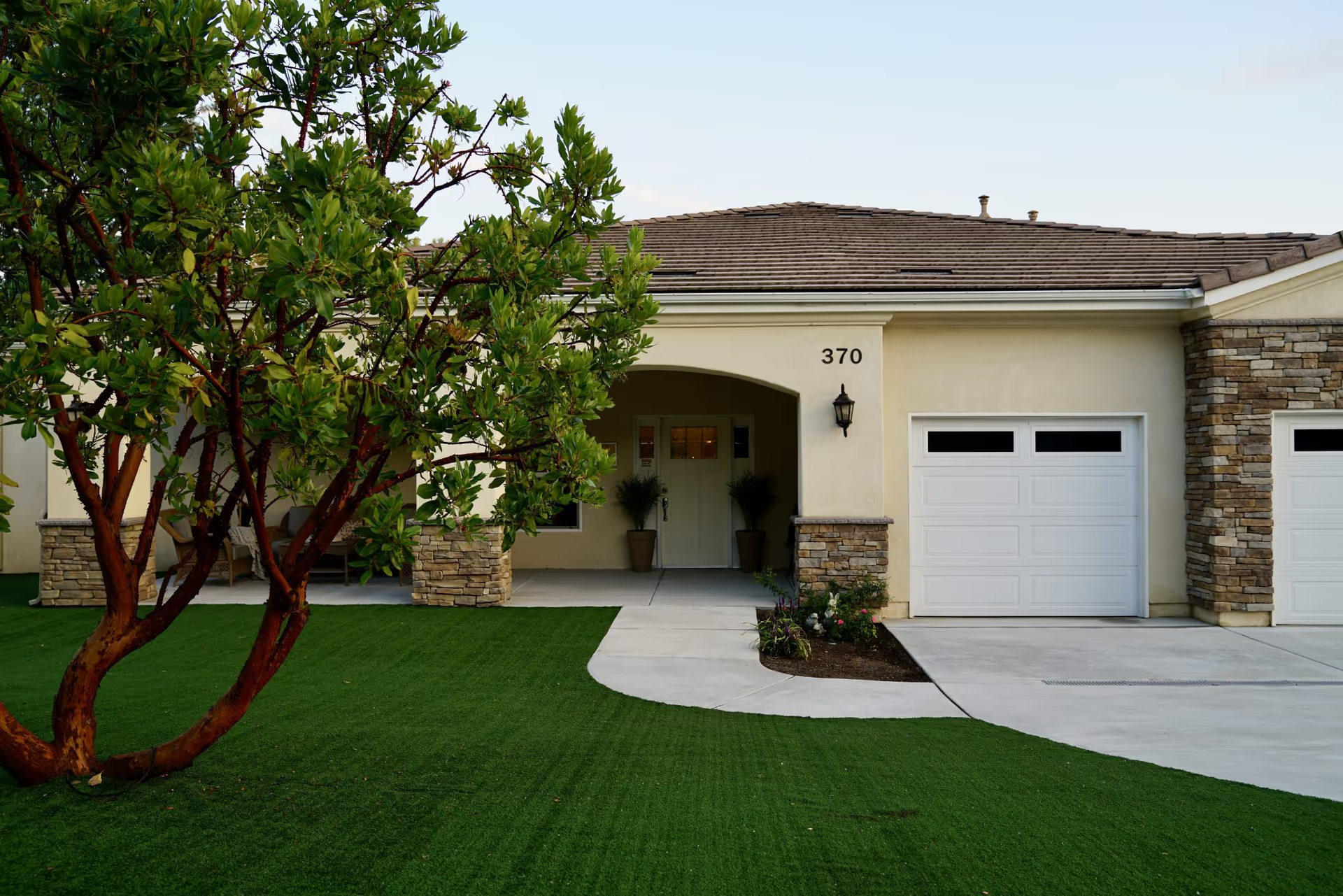
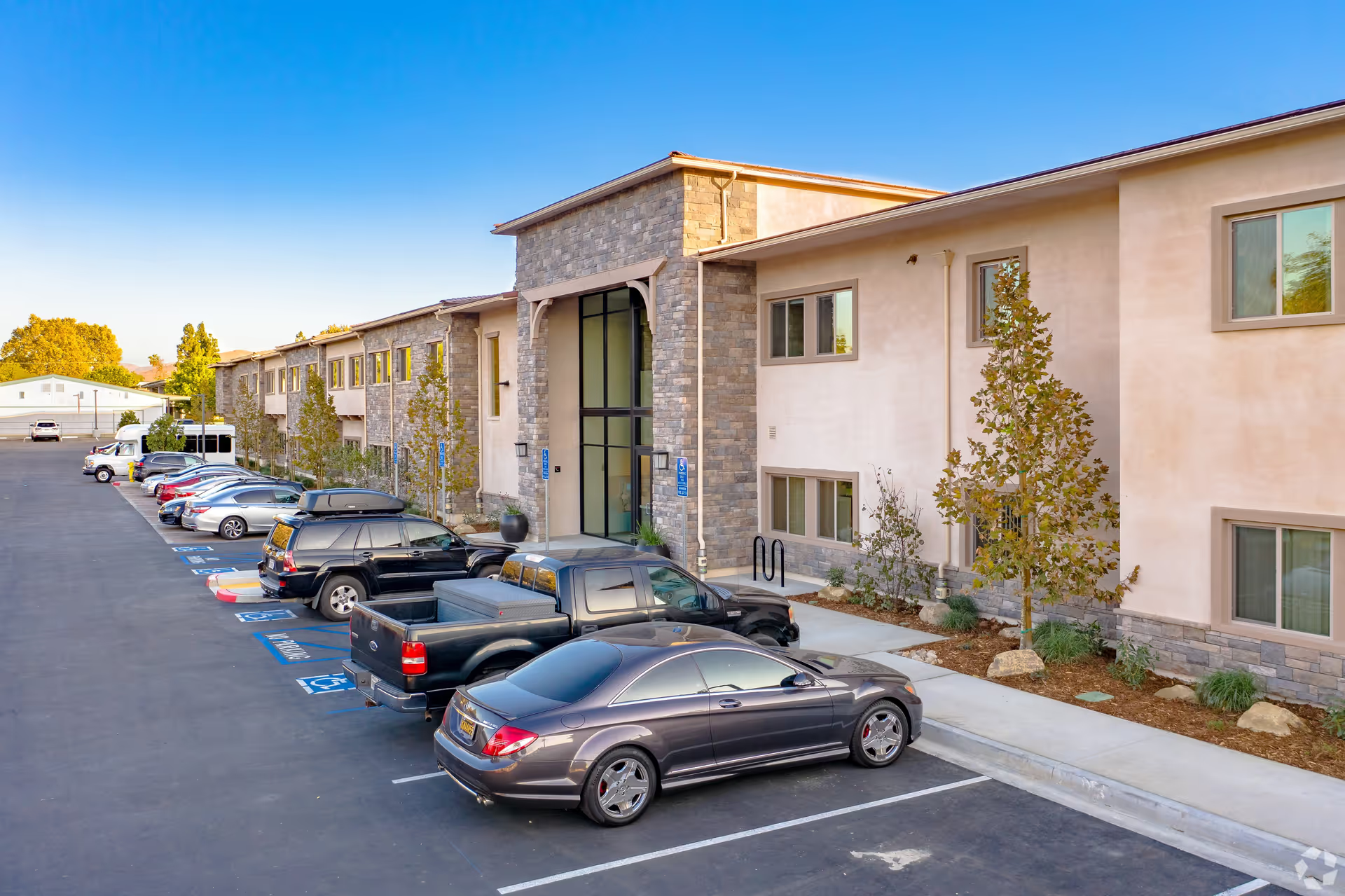
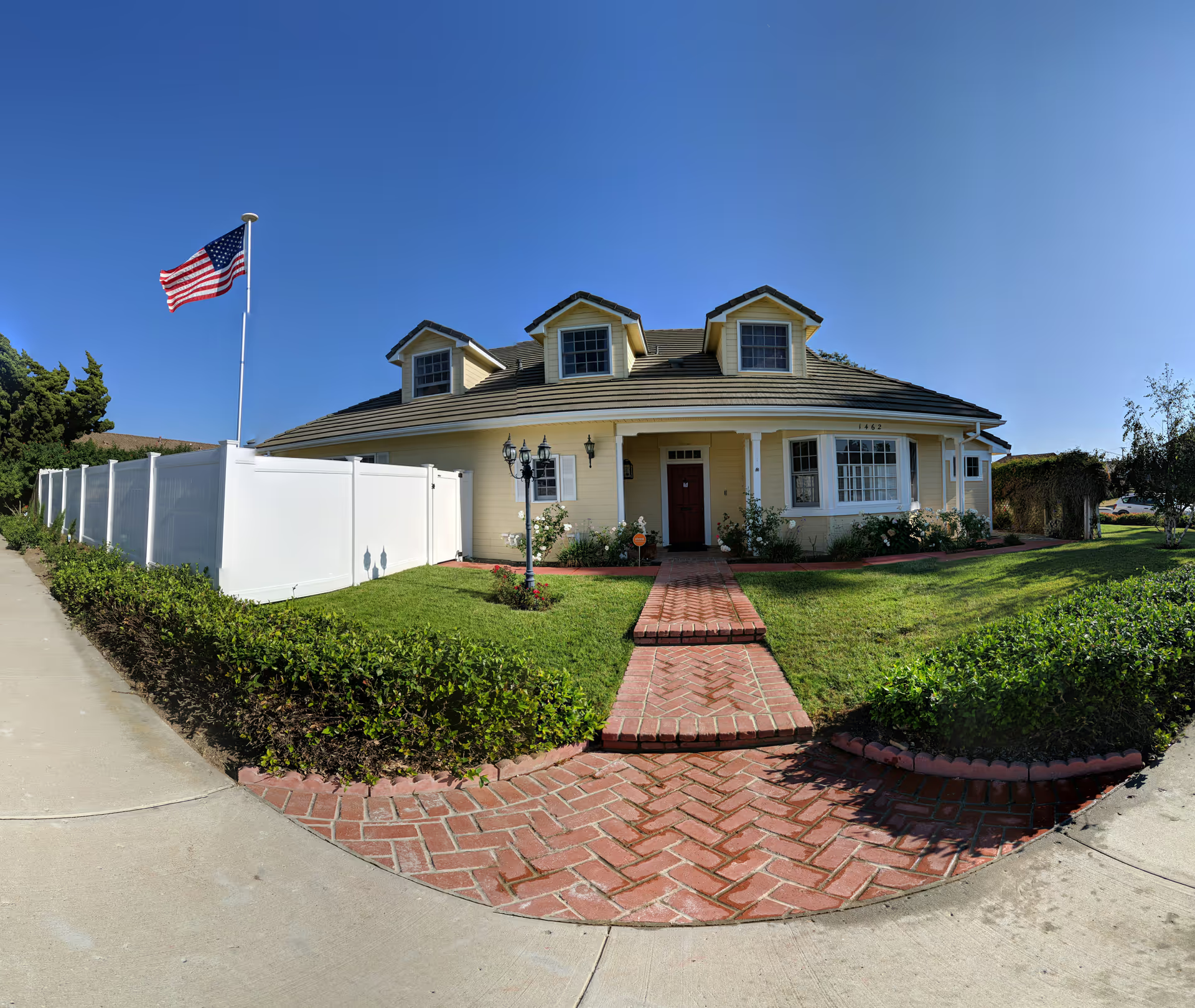
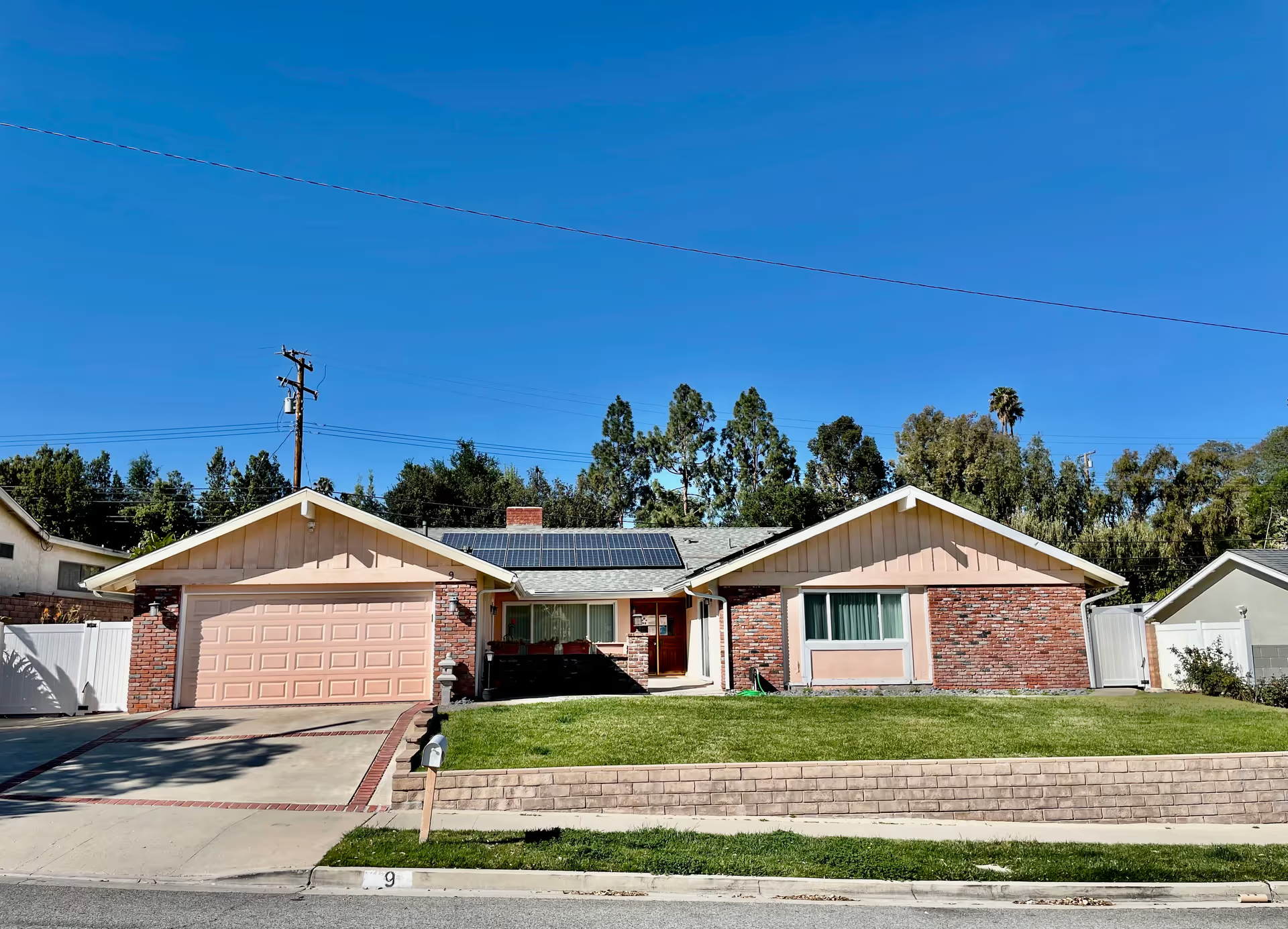
Fillmore Country Club is consistently described as a small, rural assisted‑living community with a homey atmosphere, recent renovations, and a strong emphasis on compassionate day‑to‑day care. Families and residents commonly highlight the facility’s cleanliness, landscaped outdoor areas (atrium, courtyard, front porch), and a range of on‑site amenities including a salon, library, activity rooms, dining room, and a small movie theater. Apartments are frequently praised for their size, kitchenettes, and large bathrooms, and many reviewers consider the monthly pricing to be affordable relative to the local market.
Care and staff performance are the facility’s most cited strengths. Reviewers note long‑tenured, attentive caregivers and managers who provide consistent daily assistance, medication support, and coordination of doctor visits and recovery plans. Staff are also credited with proactive communication, COVID‑safety measures, and responsiveness around end‑of‑life care. Several families singled out assistance with VA paperwork and transportation to medical appointments as practical strengths that reduced family burden.
Dining and activities are available and varied, with regular social programming such as bingo, cooking classes, happy hours, crafts, and organized outings. The dining program receives mixed feedback: while special events and some meals (holiday meals, salad bar/nutritious options) are praised, other comments describe uneven food quality. Activity offerings are appreciated for social engagement but are described in some accounts as limited in variety or frequency, and some families would like more transportation for off‑site outings.
Operational and clinical limitations are recurring themes to consider. Several reviewers expressed a desire for more medically qualified staff on all shifts and for clearer capacity to manage higher‑acuity medical or behavioral issues; there are indications that the facility is not a secured memory‑care unit and that dementia/Alzheimer’s care may be limited or unavailable for residents who require specialized locked units. Reviewers also noted variability in apartment finishes, lighting, and privacy, and a modest number raised concerns about additional fees for services beyond base care.
Overall, Fillmore Country Club presents as a well‑maintained, community‑oriented assisted‑living option with strong interpersonal caregiving and good value for many residents. Prospective residents and families should weigh the strengths in staffing, cleanliness, and amenities against the facility’s limits on higher‑acuity clinical services, memory‑care capacity, and occasional variability in dining and apartment condition. For those whose needs align with assisted‑living level care and who value a small, family‑style setting, the facility often meets or exceeds expectations; those needing consistent clinical coverage or secured dementia services should verify clinical staffing levels and service scope during a tour and care‑planning discussion.