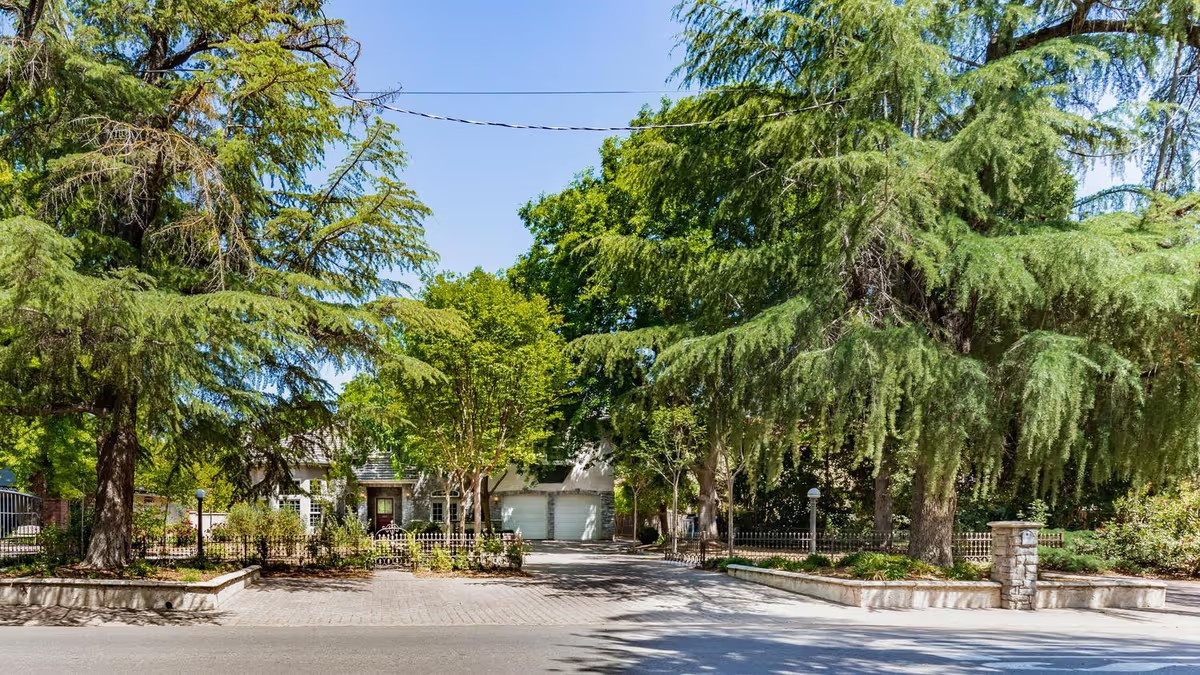
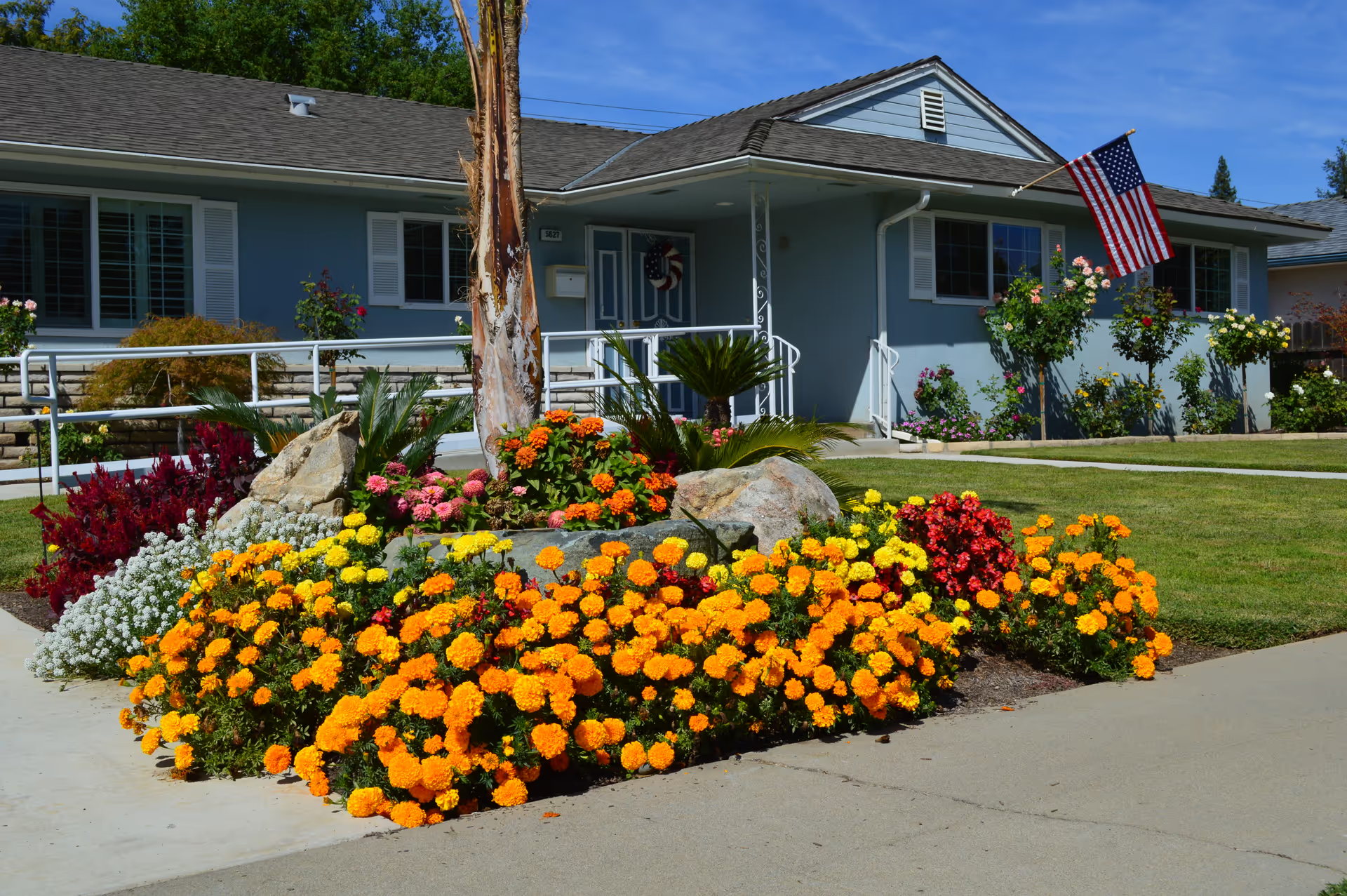
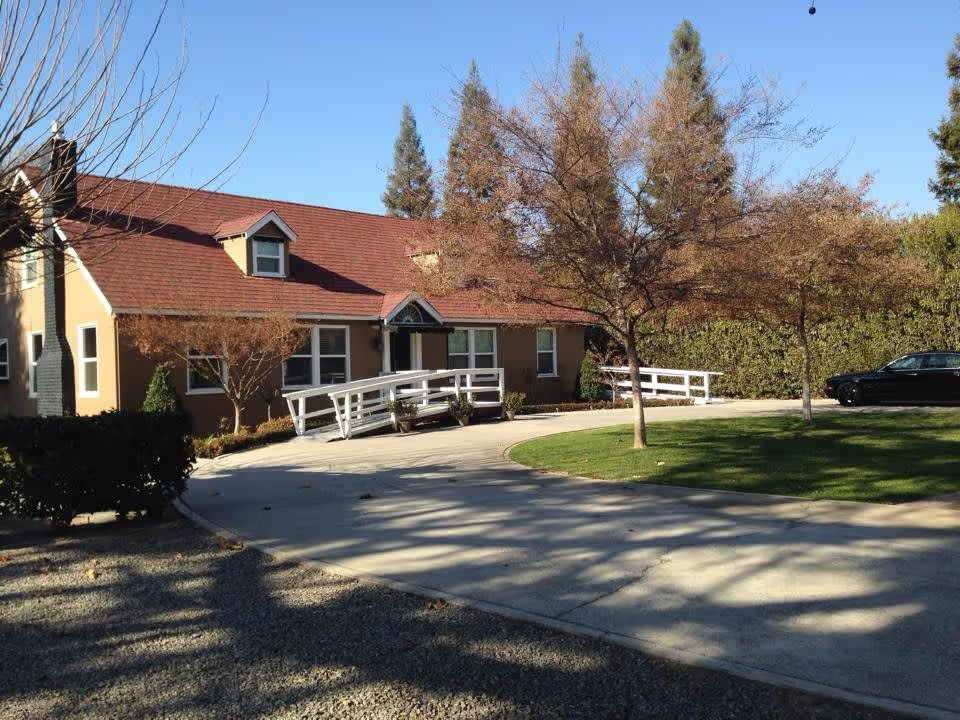
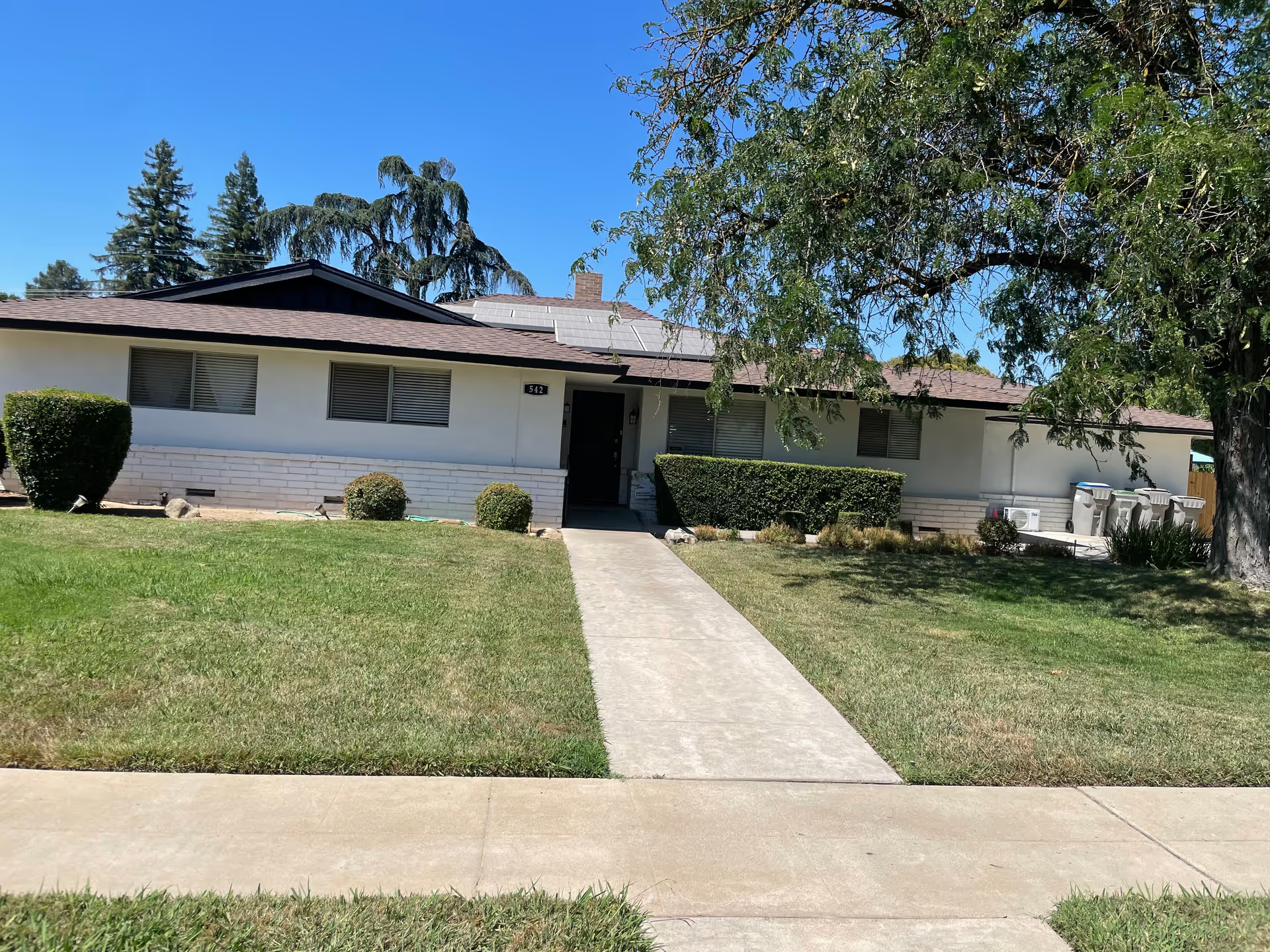
Reviewer feedback for Covenant Post Acute is sharply mixed, with a clear split between accounts praising the clinical and rehabilitative care and accounts describing operational and communication deficiencies. Many families and visitors highlight compassionate, attentive direct-care staff, strong therapy services (physical, occupational, and speech therapy), supportive social-work involvement, and an engaging activities program. Multiple reviewers described bright, clean public spaces and a rehabilitation-focused environment that facilitated recovery for some patients.
Clinical strengths include dedicated therapists and clinicians who provide focused rehab programming and active advocacy from nurse practitioners and case managers. Several families emphasized prompt, skilled therapy and positive interactions with nurses and CNAs. The facility's activities director and social-work team receive repeated positive mention for creating a welcoming environment and meaningful engagement opportunities for residents.
Counterbalancing those strengths are recurring operational concerns. Reviewers cited inconsistent staff responsiveness—long waits for assistance, delayed responses to call systems, and variability in attending to personal-care needs such as bathing and toileting. There are also reports that point to lapses in clinical monitoring and device/wound management, which families linked to care complications and readmissions. These concerns suggest variability in clinical oversight and follow-through.
Dining and nutrition emerged as another polarizing area. Some reviewers praised meals and accommodations, while others described inconsistent food quality and issues with meal service. Nutrition support and monitoring appear to be inconsistent across cases, and prospective families should ask about individualized nutrition plans and meal-service protocols.
Facility and staffing patterns are similarly mixed. Many visitors described a clean, well-lit facility with an inviting atmosphere, while others observed run-down areas or unit-level maintenance gaps. Staffing issues were raised in multiple accounts—absenteeism, low morale, and shortages that appear to affect coverage, supplies, and timely responses. There were also concerns about inappropriate cohorting of residents with differing acuity and behavioral needs, which can increase supervision challenges.
Communication and management responsiveness are uneven. Some administrators and department heads are described as responsive and hands-on, while other accounts describe difficulty reaching leadership, delayed callbacks, and inconsistent family communication. These mixed experiences suggest recent leadership variability or uneven implementation of family-liaison processes.
Practical considerations for prospective residents and families: arrange an in‑person tour during peak care times, ask for details about staffing ratios and overnight coverage, request documentation of catheter/wound-monitoring and nutrition protocols, inquire how residents are cohorted by acuity and behavioral needs, and seek clarification on family communication pathways and escalation procedures. Overall, the facility demonstrates clear strengths in rehabilitation and direct caregiving in many cases, but operational variability and communication gaps merit careful evaluation before placement.