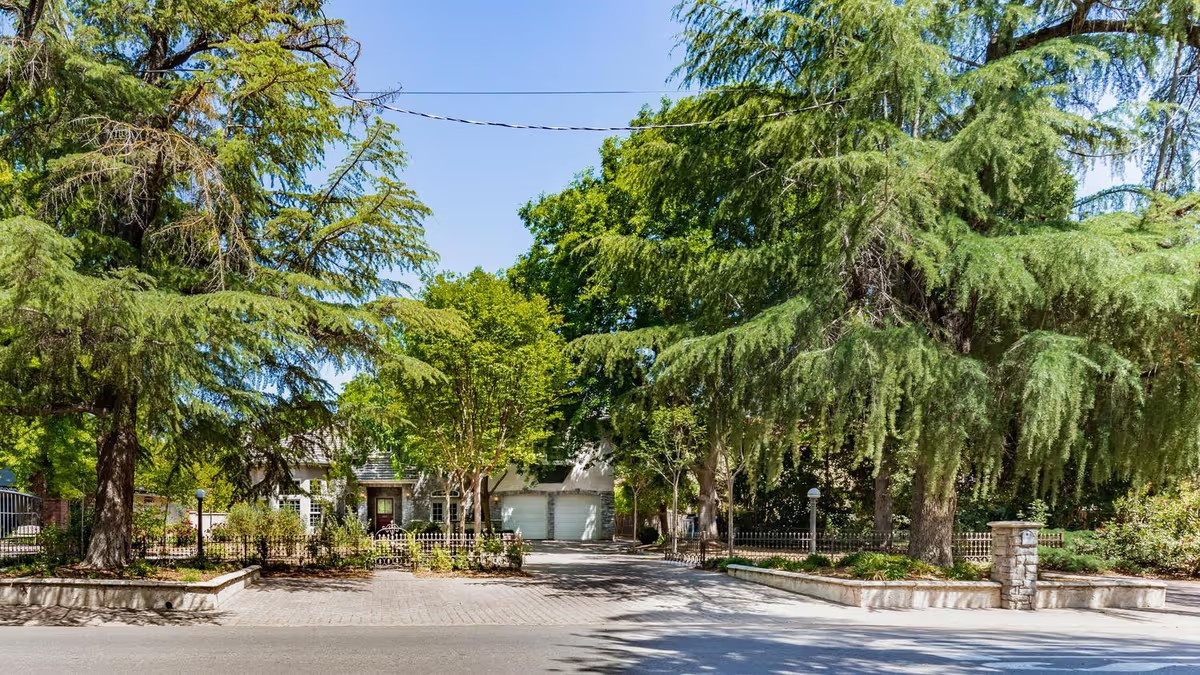
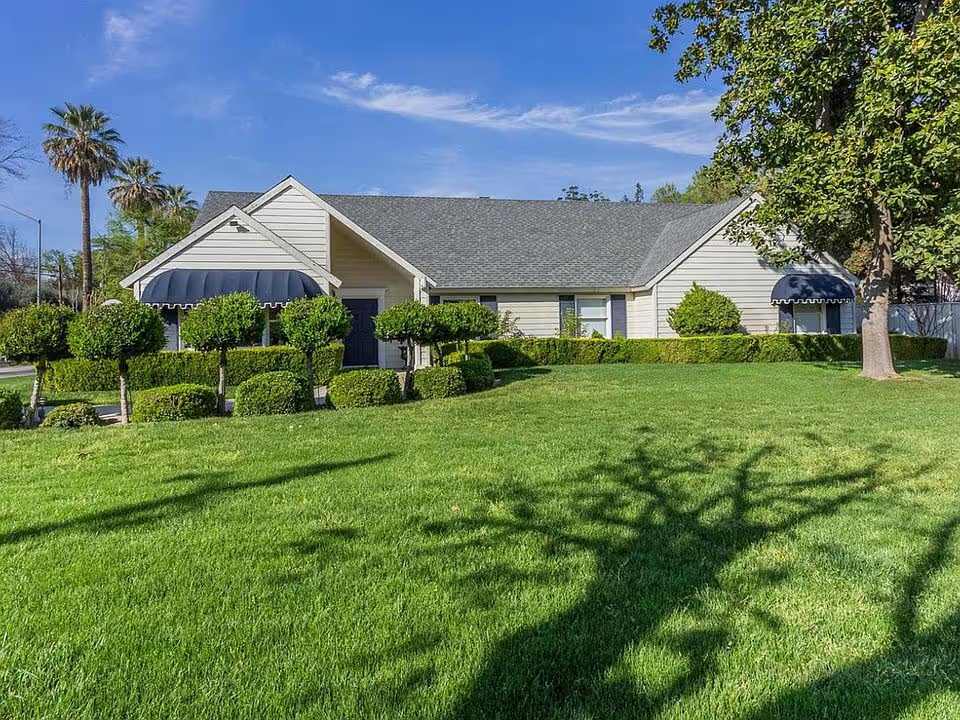
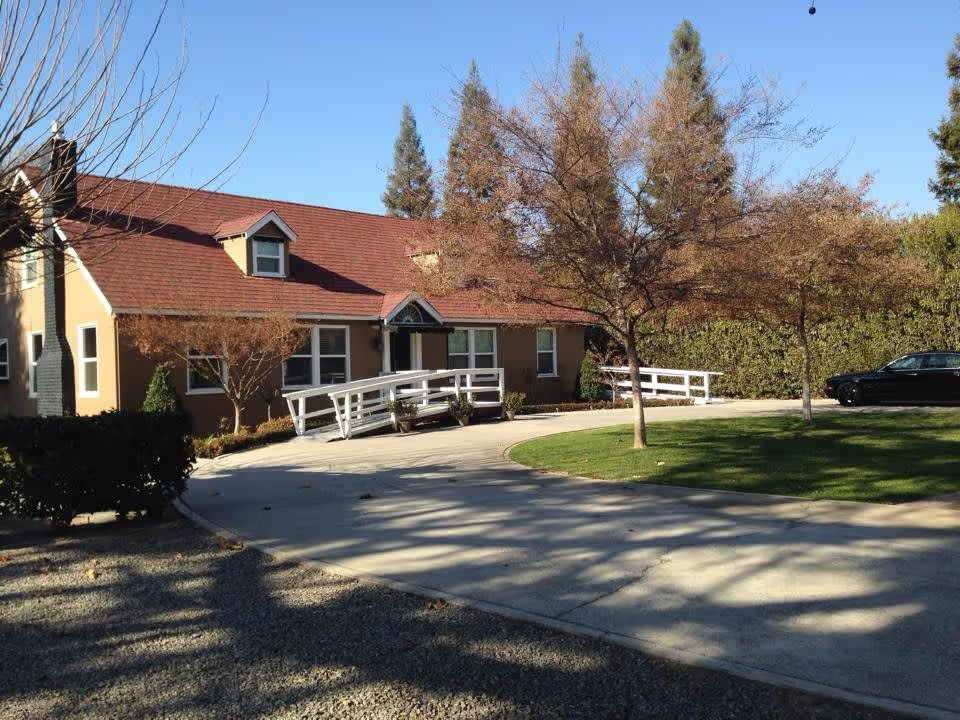
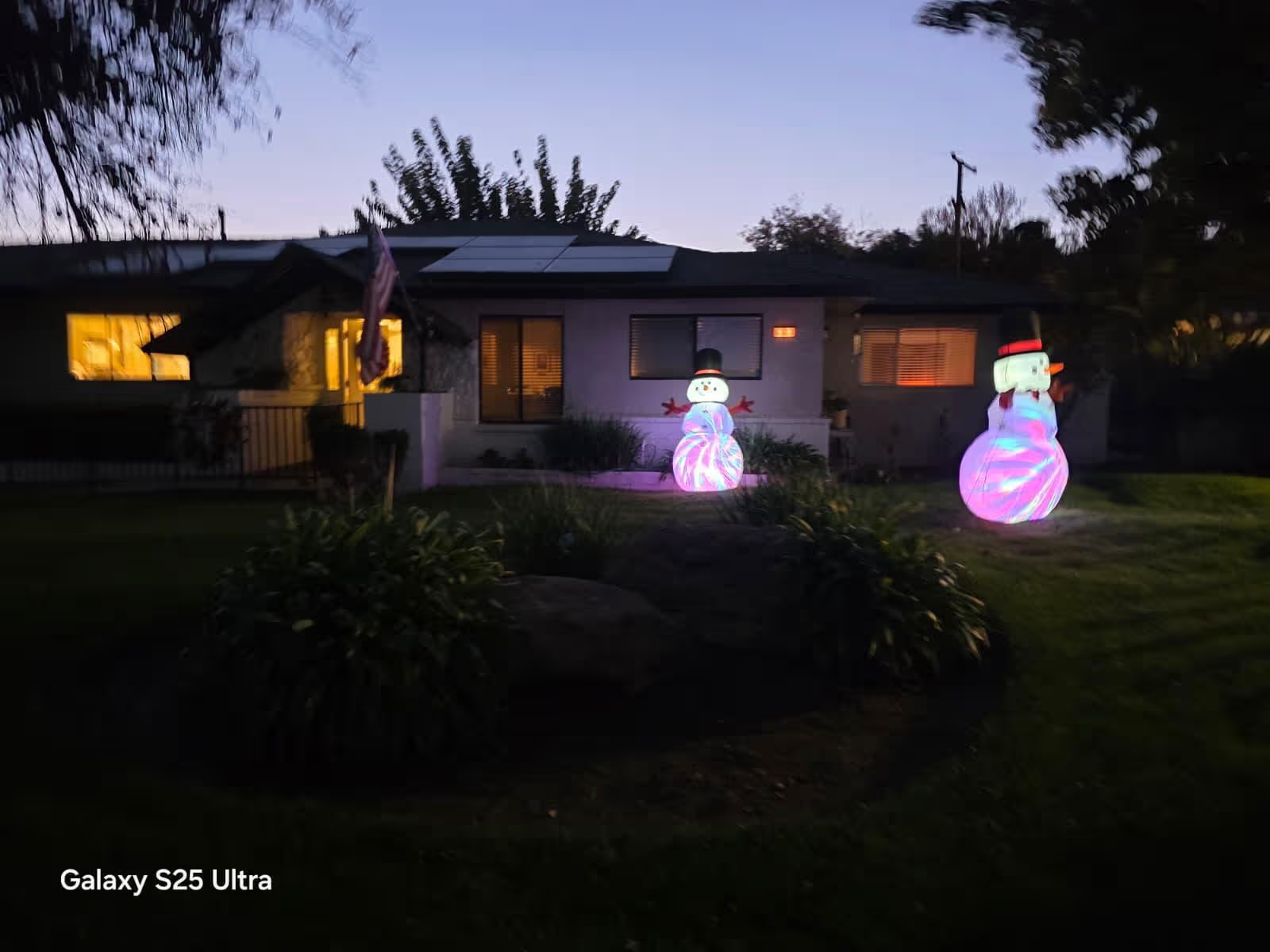
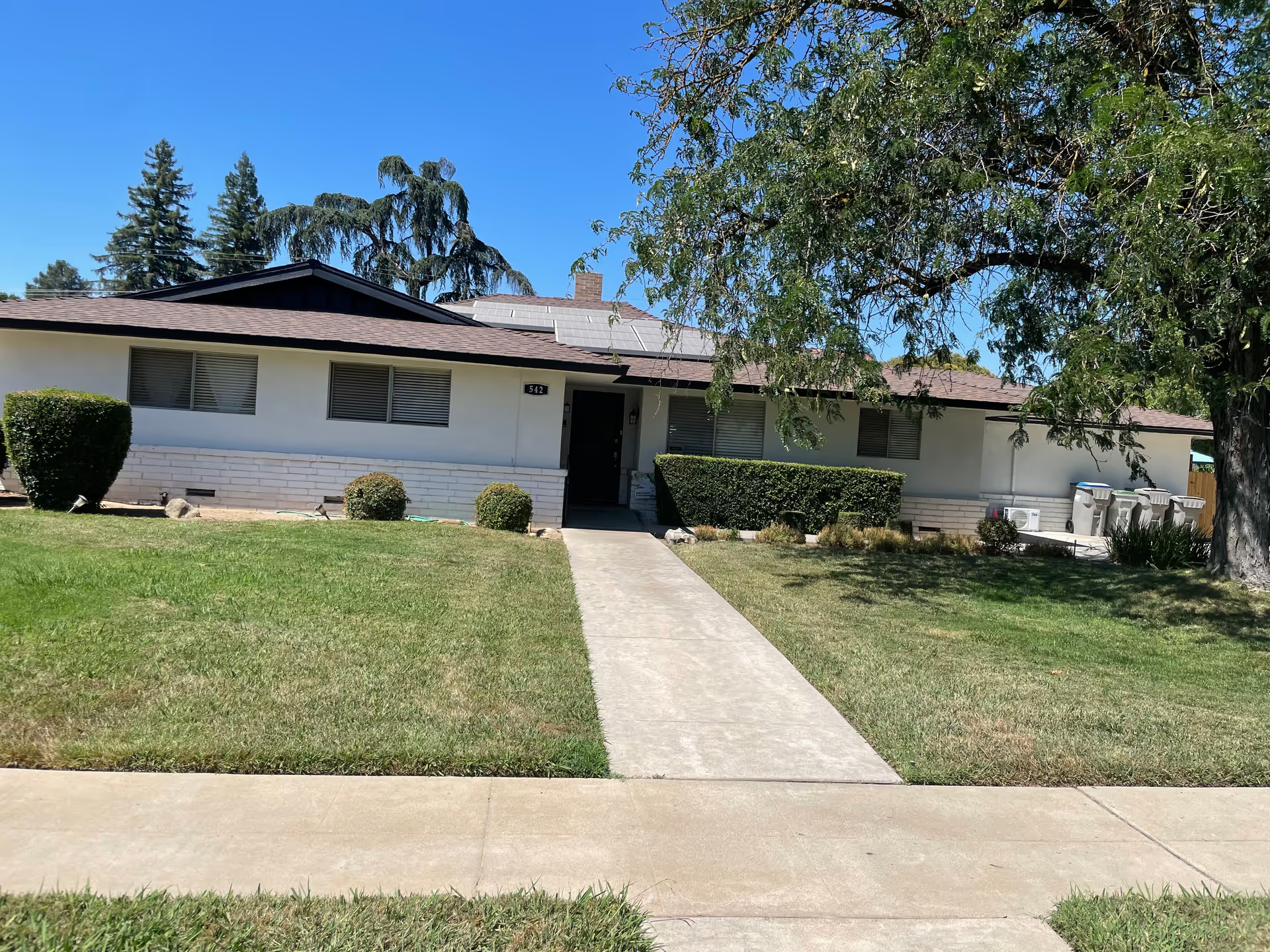
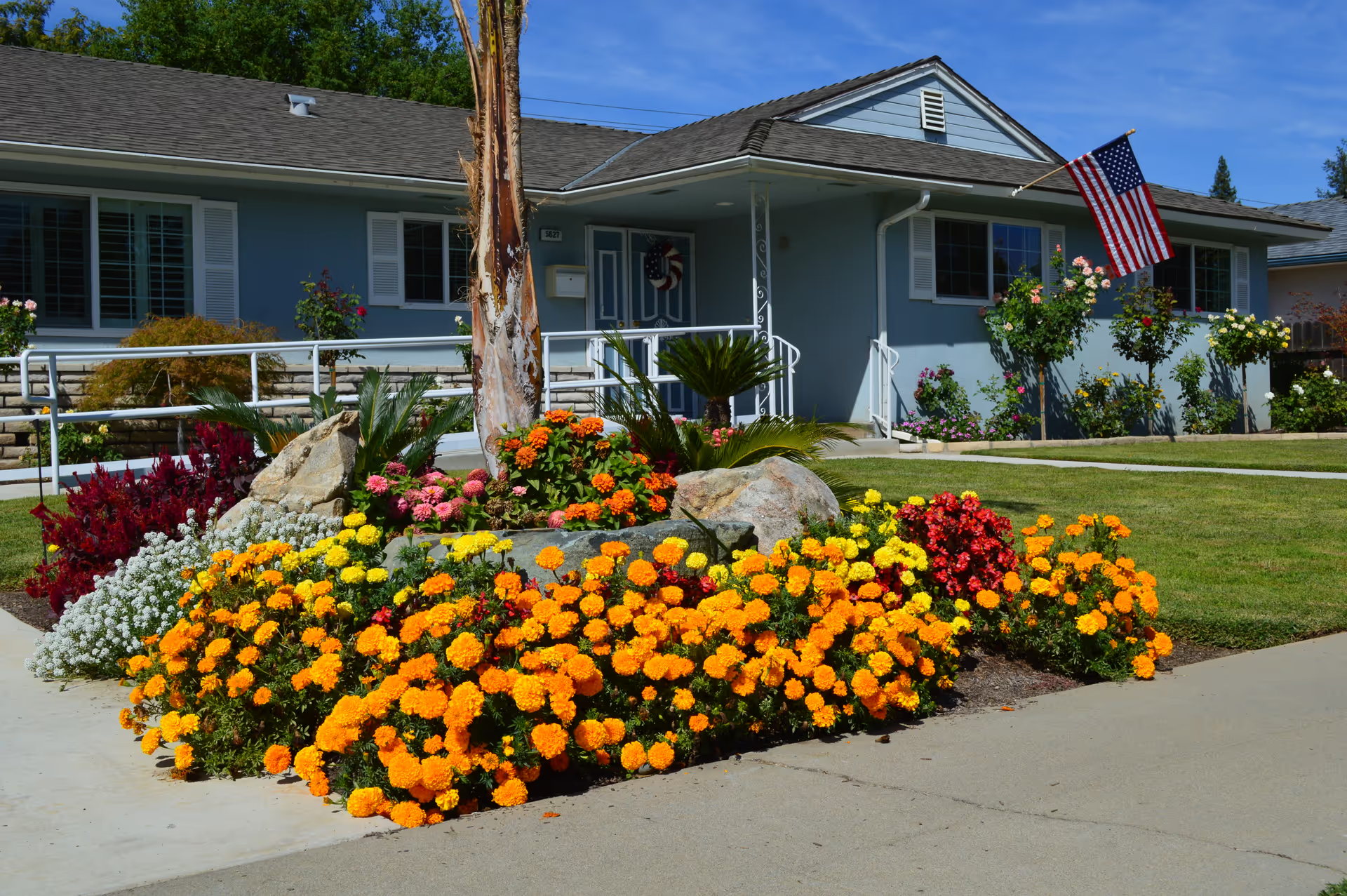
The reviews present a polarized picture: many families describe high-quality clinical and rehabilitative services, attentive therapists, and compassionate caregivers, while others raise serious operational concerns that affect safety, hygiene, and family communication. Strengths commonly cited include a strong rehabilitation focus, a specialized congestive heart failure program, ACLS-certified nursing staff, an active activities calendar and memory programming, dietician oversight with freshly prepared meals, and visible executive leadership. Physical amenities noted positively include spacious rooms, accessible outdoor areas and garden space, a locked Alzheimer’s unit for safety, and an overall Five-Star Medicare rating.
Care quality and clinical operations are uneven across accounts. Positive experiences emphasize effective pain management, timely therapy, and staff who actively support discharge planning and recovery. Conversely, several critiques point to lapses in clinical monitoring, delayed or inconsistent medication oversight, and instances that families characterized as requiring regulatory attention. There are recurring mentions of hospital transfers, skin-integrity concerns, and other adverse outcomes tied to gaps in ongoing clinical surveillance. A small number of reviews referenced serious clinical incidents and subsequent formal complaints, including involvement of an Ombudsman; prospective families should verify recent survey results and complaint history.
Staffing and staff conduct are a major driver of the contrasting experiences. Many reviews praise individual caregivers, CNAs, nurses, and therapists for professionalism and going above-and-beyond. At the same time, other accounts describe inconsistent caregiver responsiveness, variable professionalism, and frequent staffing shortages or call-offs that appear to increase workload and turnover. Training gaps and burnout were cited as contributing factors. Operationally related issues include irregular personal-care schedules, laundry and clothing-management failures, and inconsistent adherence to infection-control practices.
Dining, activities and facilities receive mixed feedback. Several reviewers appreciated meals prepared fresh daily with dietician input, varied activity offerings, and communal features such as a fireplace and resident cats that contribute to a homelike atmosphere. Other families described fluctuating meal quality and limited dining-room capacity. The building is described as older in sections and sometimes cosmetically dated; some areas were praised for cleanliness while others were cited for sanitation and odor concerns. Security and privacy practices were noted positively in the locked memory unit but questioned in other parts of the facility.
Management and communication emerge as central themes. Positive comments highlight an accessible executive director and staff continuity; negative accounts describe inconsistent family communication, opaque complaint handling, and dissatisfaction with how concerns were escalated or documented. Several reviewers reported supplementing care or oversight themselves. Given the divergence in experiences, prospective residents and families should schedule an on-site tour, observe mealtime and care activities, ask for current staffing ratios and turnover data, request recent inspection and Ombudsman findings, and verify infection-control and clinical-monitoring protocols before making placement decisions.