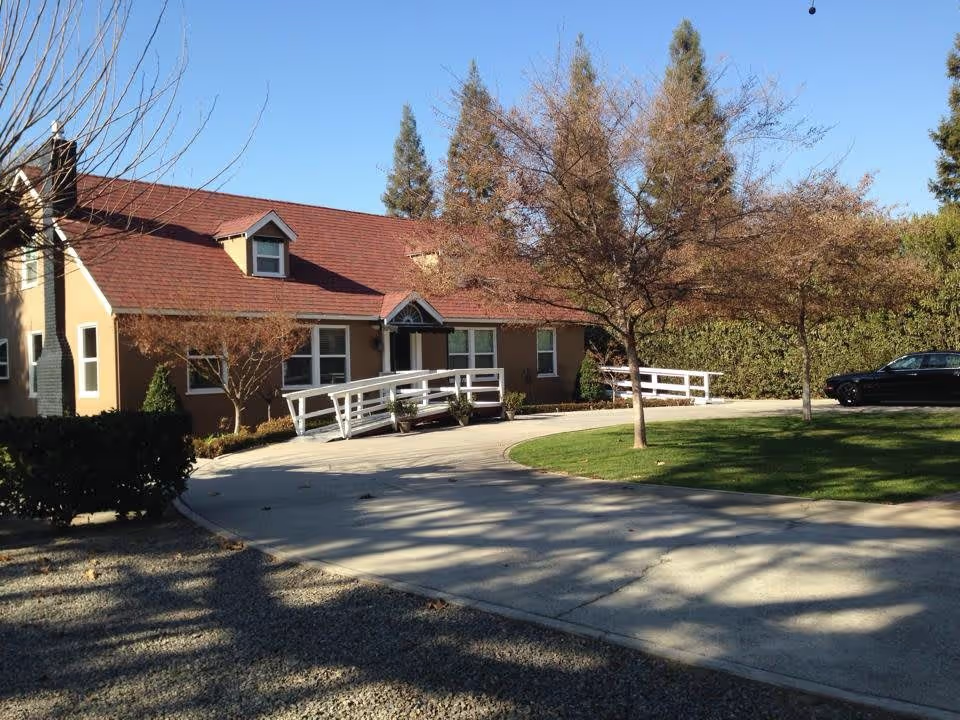
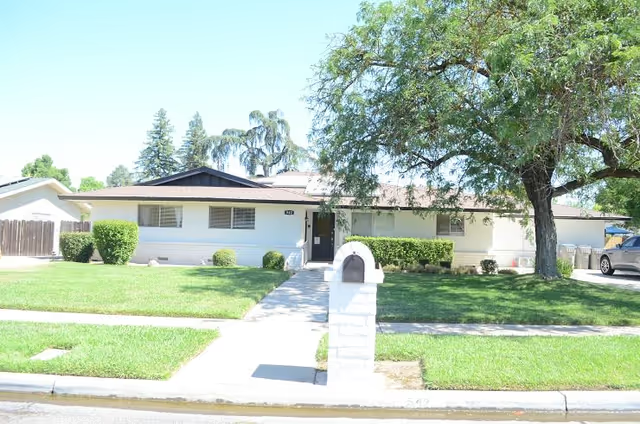
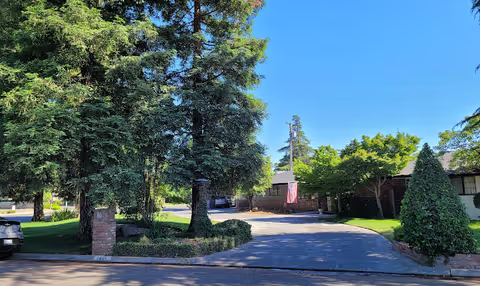
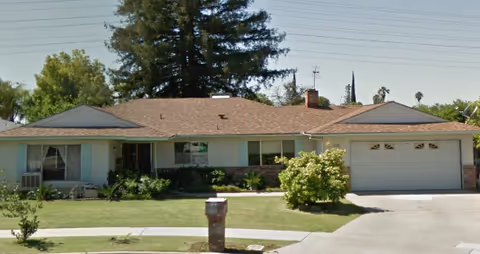
Oakwood Gardens presents a mixed but instructive picture for prospective residents and families. Positively, many accounts highlight compassionate, attentive CNAs and nursing staff, a strong rehabilitation program (PT/OT/Speech) with therapists who produce good functional outcomes, and an overall facility that is frequently described as clean and well-maintained with pleasant outdoor spaces. The facility offers organized activities and programming, supportive admissions and reception staff, on-site nutrition and regular clinical rounds — elements that support recovery and family engagement during short-term stays.
At the same time, reviews reveal recurring operational shortcomings that affect day-to-day care continuity. Staffing levels and coverage appear inconsistent, with several accounts of slow responses to call lights, nurses being unavailable during shifts, and variable performance between day and night teams. Medication administration and clinical-safety processes are areas of concern: reviewers described missed or delayed medications, inconsistent wound-care management (including advanced-stage pressure-injury care), and at least one instance cited serious catheter and infection-related outcomes. These items point to gaps in clinical protocol adherence and in the timely adoption of advanced treatments.
Communication and management practices are another notable pattern. Families describe uneven communication between medical staff and administration, delayed or unclear notification about infectious outbreaks, and poor coordination around appointments, transfers, and end-of-life decisions. Room-assignment and transfer practices, including unexplained moves, created confusion for residents with cognitive impairment. There are also repeated mentions of property-management weaknesses (missing or mishandled belongings) and at least one allegation of theft, which underscore the need for stronger personal-property controls and transparent incident follow-up.
Facility services such as dining, housekeeping, and maintenance receive mixed evaluations. Many reviewers praise meals as homemade and satisfactory, while others describe inconsistent meal quality and untimely service. Sanitation issues and odor concerns in particular areas, plus pest-control concerns and intermittent maintenance failures (broken phones, TVs, lighting), indicate uneven facility operations. Infection-control procedures such as visitor screening, masking, and testing are in place and were cited positively by some families, but communication about outbreaks and infection spread has been uneven.
Overall recommendation guidance: Oakwood Gardens can offer strong rehabilitation care, compassionate bedside staff, and engaging programming for many residents — making it a reasonable option for short-term rehab or for families who prioritize therapy and a pleasant environment. However, families should evaluate clinical-safety practices, staff coverage patterns, wound-care protocols, property-management safeguards, and communication processes during the tour and intake. Specific questions to ask include staffing ratios for the intended unit and shift, wound-care and infection-control protocols, medication-administration checks, property-accountability procedures, and the facility’s transfer and outbreak-notification policies. These targeted inquiries can help align expectations with the facility’s variable operational performance documented across reviews.