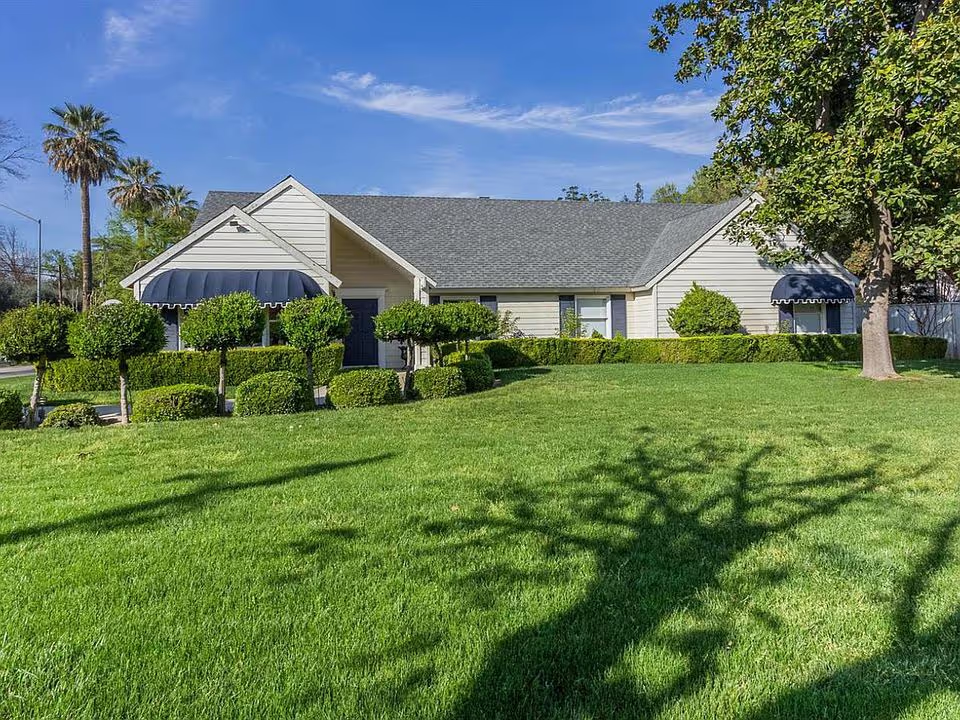
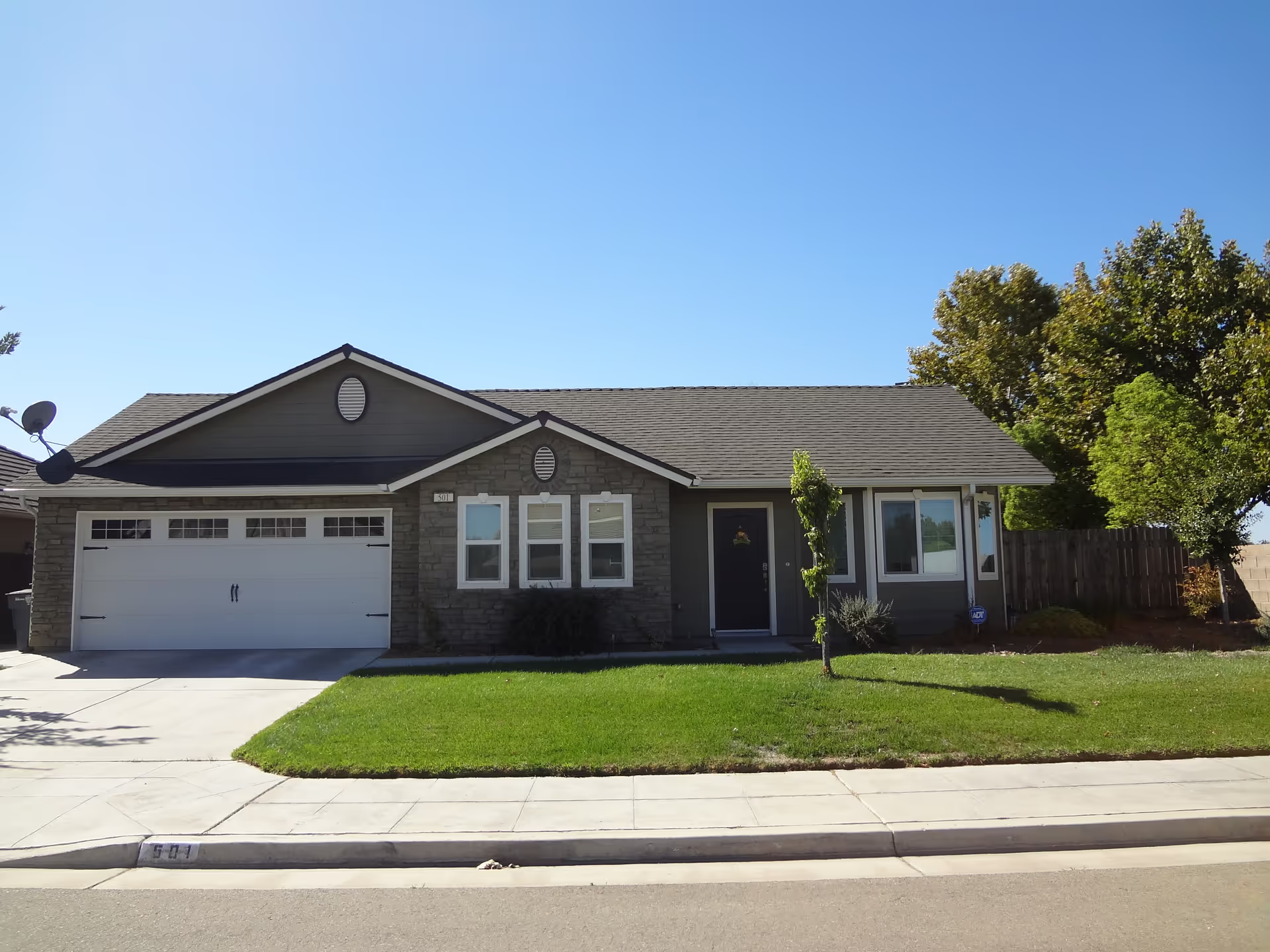
Overall impression: Vintage Gardens presents as a generally well-kept assisted living community with a strong emphasis on cleanliness, an active social program, and a staff base that many families find friendly and attentive. Reviewers consistently praise the dining experience, communal amenities (theater, salon, library, music room), and the availability of organized activities and outings. Parts of the facility read as newer or recently updated, offering upscale finishes and spacious model units, while other areas feel older and more basic.
Care and staff: Many families described personal-care staff as kind, respectful, and willing to go beyond basic duties. Staffing is frequently cited as a strength in daily personal assistance and routine care tasks. At the same time, there are recurring operational concerns: inconsistent medication administration and gaps in follow-through, communication lapses with families, and variable training among newer staff. Several reviewers also raised concerns about staff conduct and communication tone, including instances perceived as disrespectful or discriminatory. Management responses have been noted in some cases (for example, leadership changes and follow-up on incidents), but prospective families should clarify staff training, supervision, and incident-response procedures during tours.
Dining and activities: Dining is a clear positive—restaurant-style service, good-quality meals, and continuous water access were frequently highlighted. Activity programming appears robust, with daily options such as cards, dominos, singing, exercise classes, bingo, a small theater, and regular outings using the community bus. This makes the community attractive for residents who value structured social engagement and group activities.
Facilities and accessibility: Cleanliness and maintenance are commonly praised; many reviewers describe very clean common areas and rooms. However, the physical plant is mixed: some apartments and common areas are modern and upscale, while others are older or smaller. There are accessibility and navigation challenges for less-ambulatory residents (stairs, limited views, elevator use), and families should confirm unit sizes and accessibility features. Laundry and personal-item handling have been identified as an operational weakness, and families may want detailed information on laundry protocols and personal-item security.
Clinical services and specialty care: The community does not appear to provide on-site physical therapy, and reviewers noted a lack of secured memory-care/dementia unit. For residents who require regular rehabilitative services or secured dementia care, Vintage Gardens may not meet those needs without outside arrangements. Nighttime supervision practices and delays attending to toileting needs were mentioned as concerns by some families; those point to areas where care routines and supervision protocols may vary.
Safety, management, and value: Security-camera access for family monitoring is available, which some families found reassuring. Conversely, there are serious operational issues raised by reviewers, including asset-control vulnerabilities and allegations of staff theft—these were described as having been addressed in at least one instance, but they warrant direct inquiry. Communication gaps between staff and families and perceived inconsistent value for the price point are recurring themes; prospective residents should ask for written policies on medication management, incident reporting, staffing ratios, and pricing inclusions.
Bottom line: Vintage Gardens offers strong communal life, quality dining, and a well-run activity program within a generally clean environment and a staff base that many families find caring. However, there are meaningful operational concerns—medication and clinical-service limits, communication and staff-training variability, personal-item management, accessibility for less-ambulatory residents, and the absence of secured memory care—that prospective residents and families should evaluate carefully. Recommended next steps include an in-person visit to inspect unit conditions, a meeting with nursing/management to review clinical and medication protocols, and clarification of policies for dementia care, laundry and personal-item security, and incident escalation.