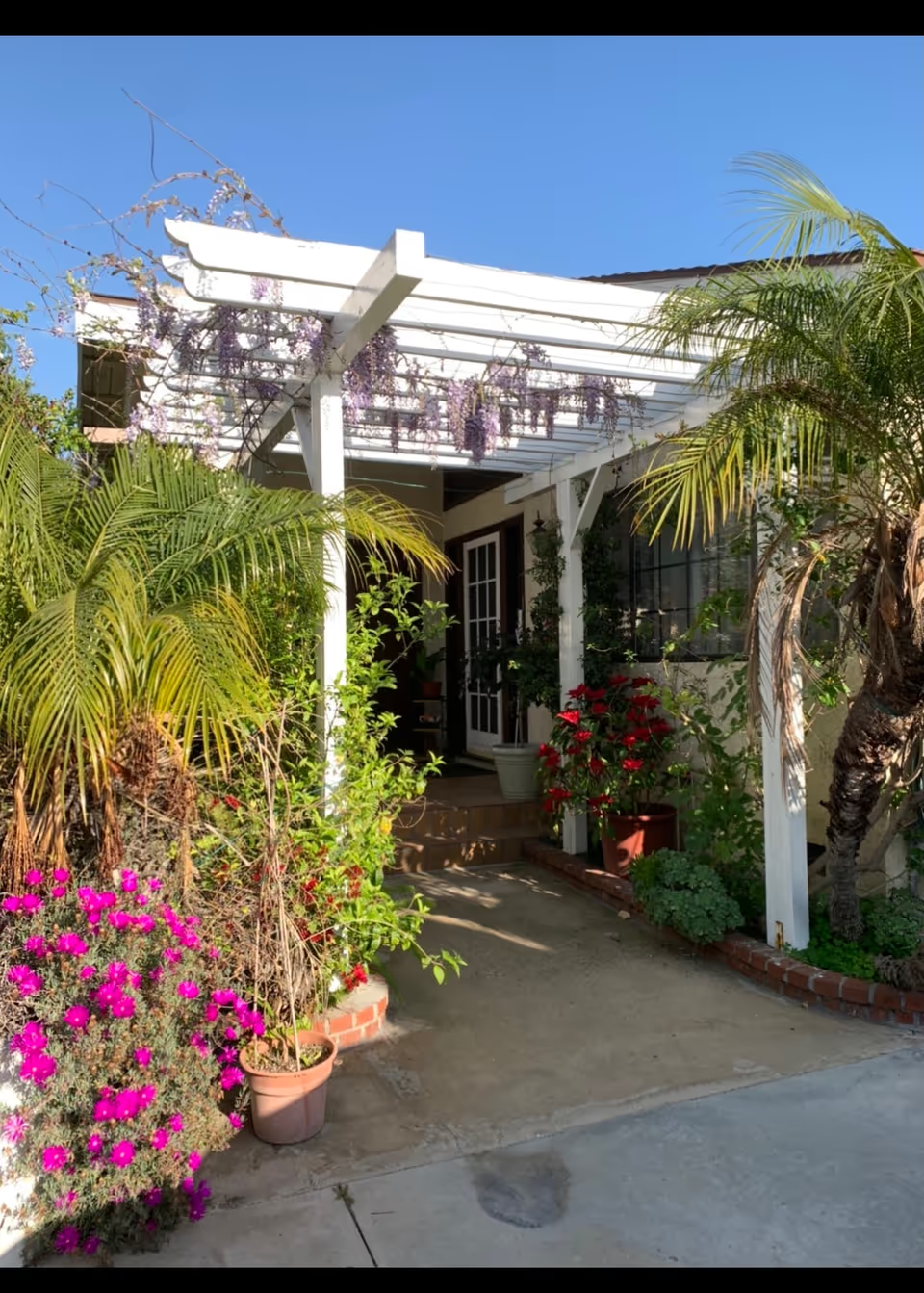
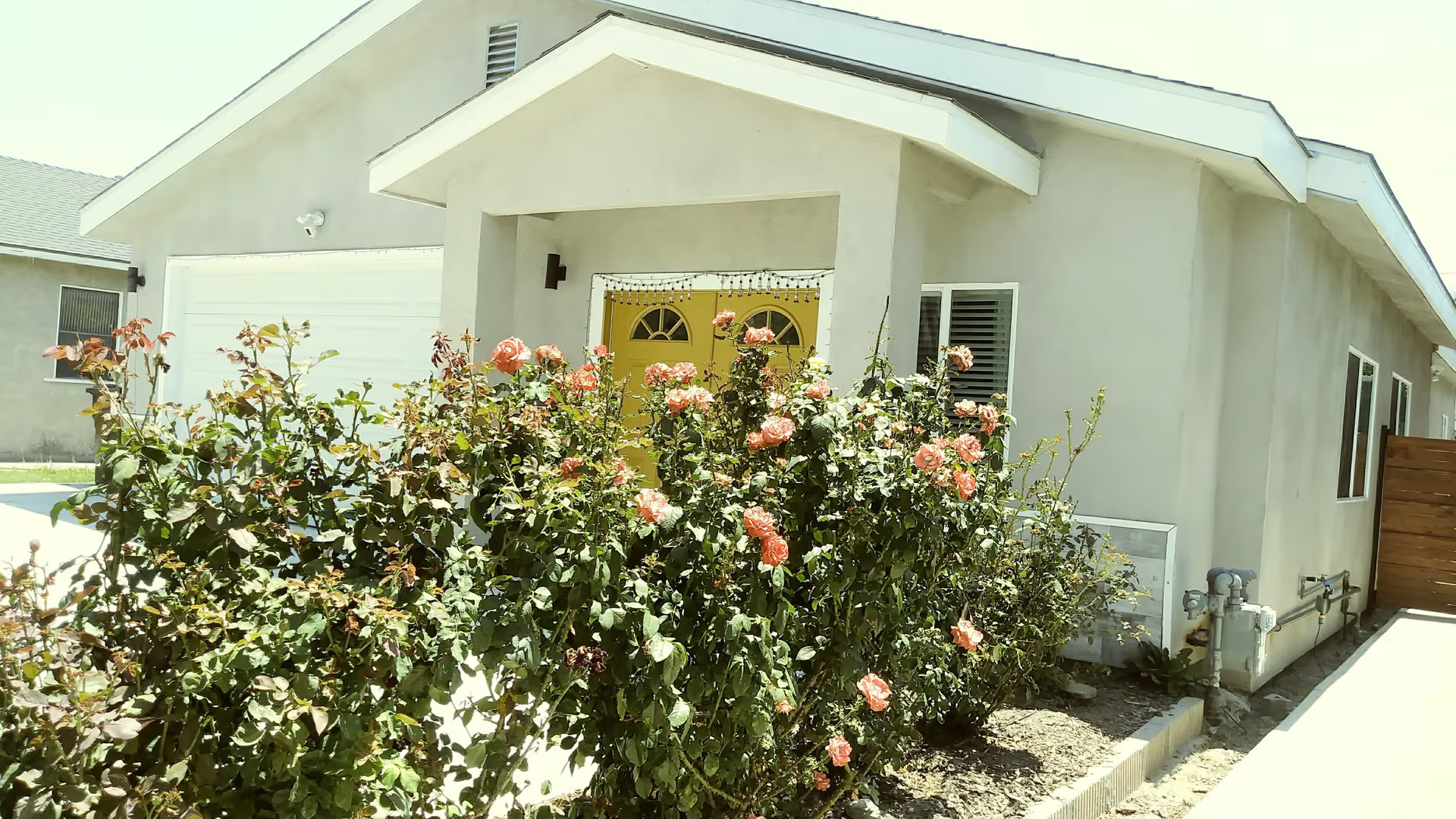
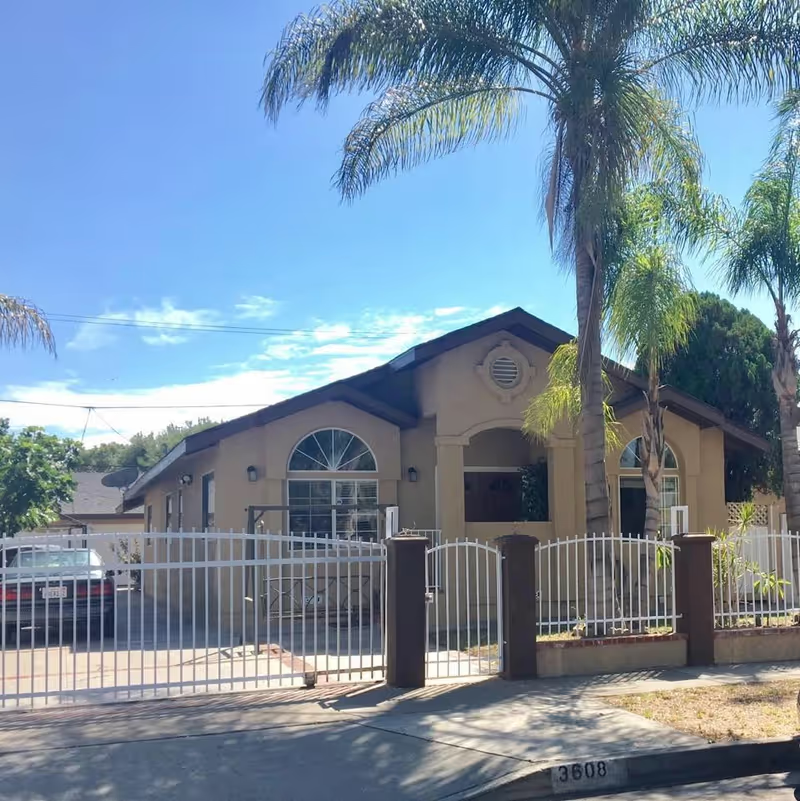
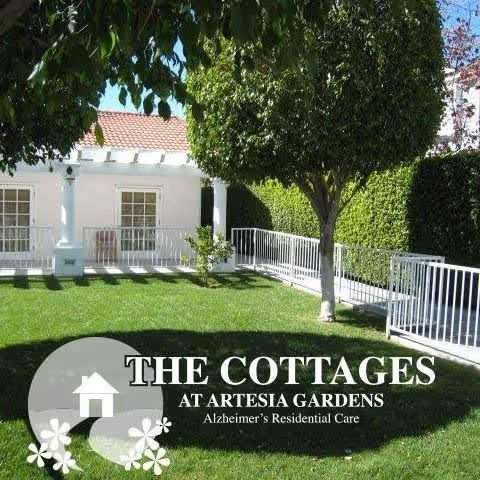
Overall impression: Reviews of Richman Gardens by SCH present a mixed but distinct pattern. Strengths cluster around caregiving culture, atmosphere, and outdoor amenities: many families describe compassionate, attentive staff (including long-tenured caregivers and experienced med-tech support), a small 26-bed setting that feels home-like rather than institutional, and attractive, well-kept gardens and courtyard areas that encourage outdoor access and reminiscence. The facility positions itself as a memory-care community and is frequently described as hospice-friendly, accepting higher-acuity residents and providing 24-hour supervision.
Care and staff: Positive commentary centers on staff warmth, individualized attention, and proactive communication from management. Multiple accounts praise quick transitions, supportive leadership, and caregivers who engage in redirection and dementia-appropriate interaction. At the same time, reviewers describe operational variability: staffing levels and coverage appear inconsistent across shifts, and there are concerns about medication-management controls and clinical oversight. These observations suggest that while relational care is a clear strength, clinical-safety practices and consistent staffing may vary by time of day or by unit.
Dining and activities: The dining experience is described in polarized terms. Several reviewers highlight homemade, scratch-prepared meals and a pleasant dining atmosphere, while others describe bland or processed offerings. Activity programming is generally a positive—regular bingo, music, gardening, reminiscence, Bible study, and family days are noted—but some families report limited or uneven dementia-specific stimulation. Prospective families should ask for current activity schedules and sample menus to assess consistency.
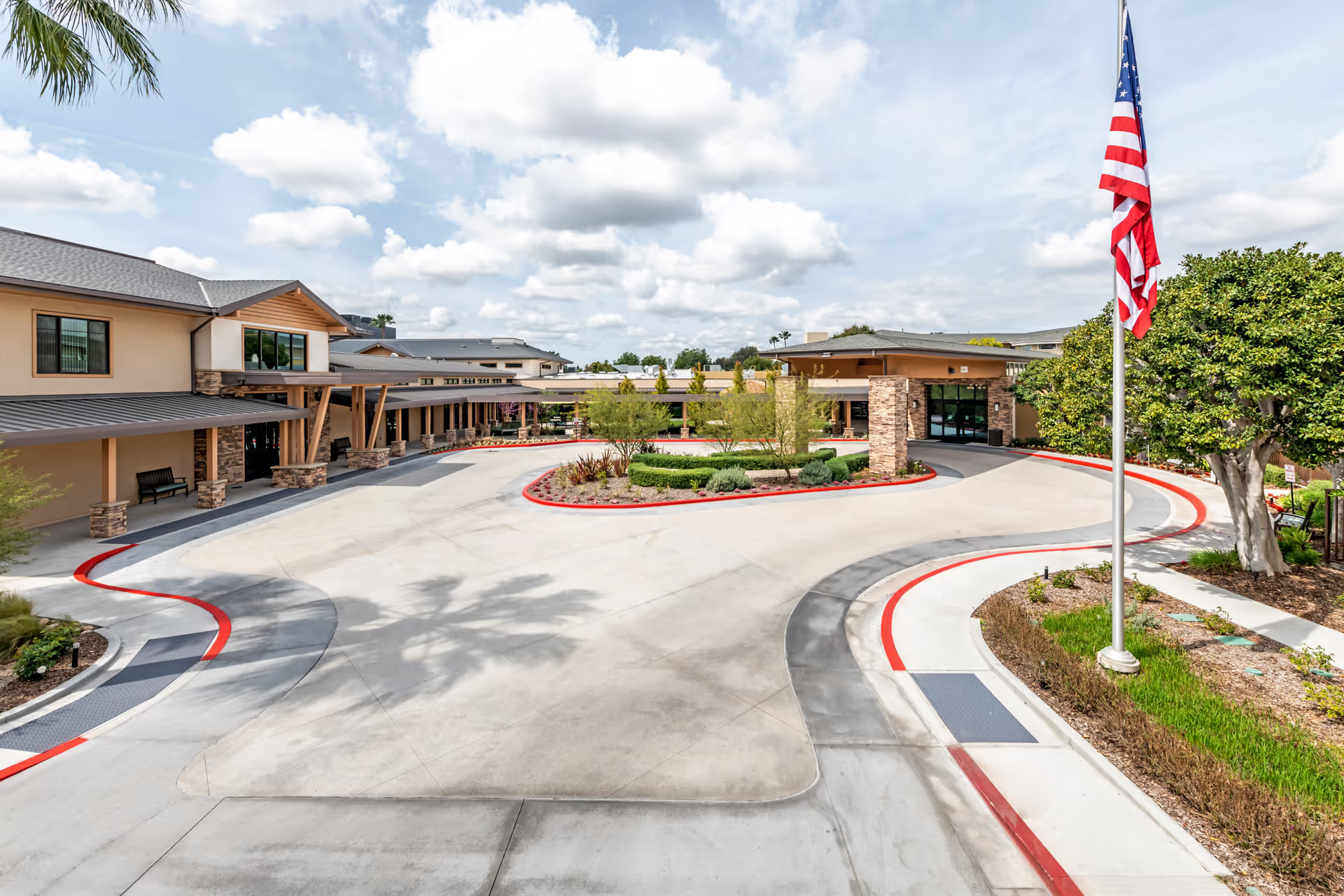
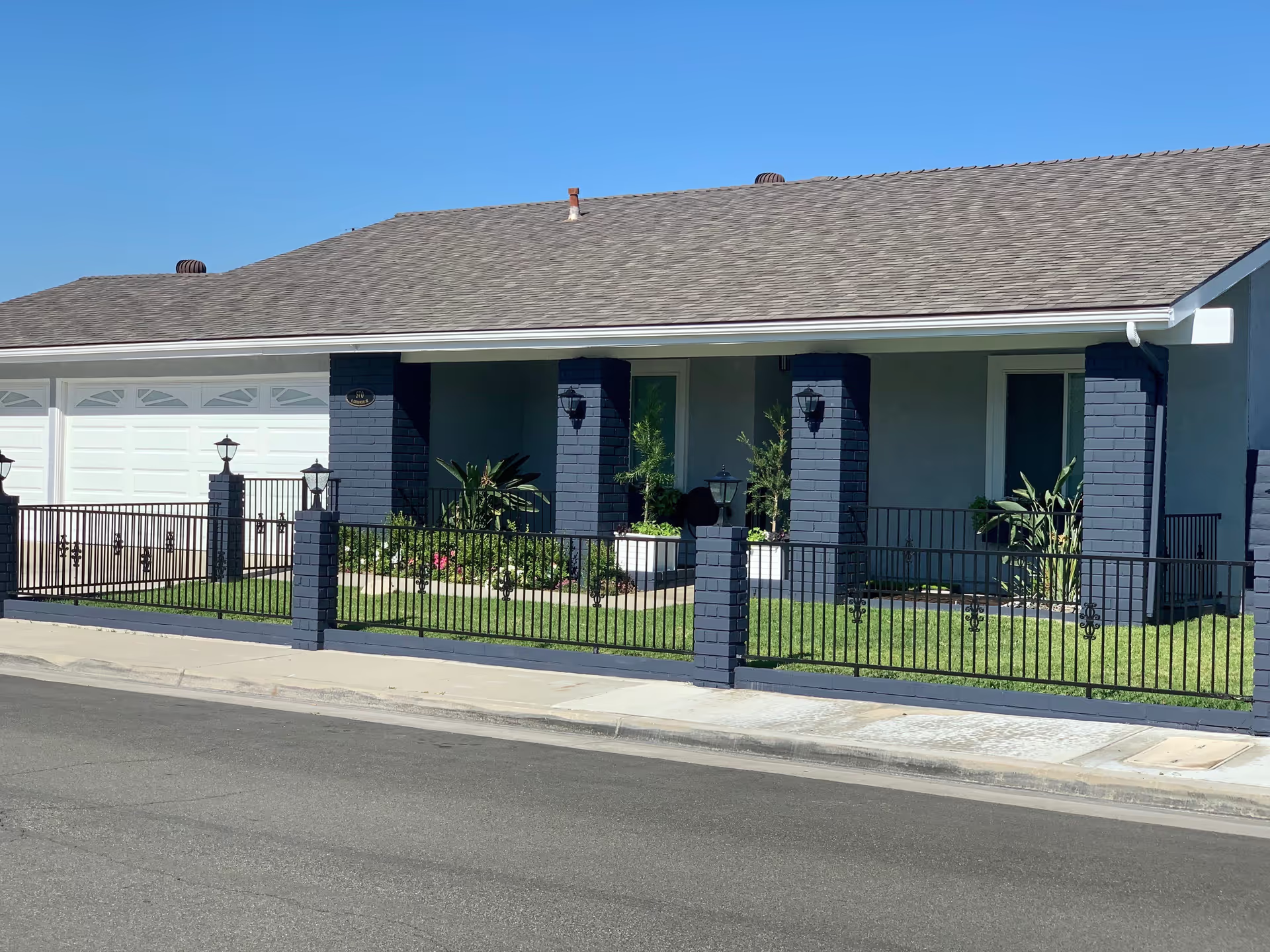
Facilities and operations: The property’s outdoor spaces and park-like setting receive strong praise; however, the physical plant is described as dated in places. Reviews point to an awkward layout (multiple buildings without covered walkways), cramped double-occupancy rooms in some areas, and noise issues near the kitchen or dining zones. Operational gaps described across accounts include laundry and personal-item management errors, billing or room-assignment inconsistencies, and variable responsiveness to phone calls or family inquiries.
Safety, sanitation, and clinical concerns: Several reviewers raised issues related to sanitation, infection-control practices, fall prevention, and skin-care/mobility oversight. These concerns range from hygiene and infection-control inconsistencies to gaps in fall-prevention and pressure-area care—operational themes that warrant direct inquiry during a tour. The combination of positive relational care and these clinical concerns suggests variability in how consistently clinical protocols are executed.
Management and notable patterns: Management and front-line staff are often credited with creating a family-like environment and stepping in during placements or end-of-life transitions. Still, the pattern of mixed experiences—strong praise for individualized, compassionate staff alongside reports of operational and clinical inconsistencies—indicates that care quality may depend on specific shifts, staff assignment, or unit. For prospective residents and families, recommended due diligence includes: asking for staffing ratios by shift, medication-management and infection-control protocols, fall-prevention procedures, examples of activity programming tailored for dementia, laundry and personal-item policies, billing practices related to private vs shared rooms, and the opportunity to meet nursing leadership and current families. This will help reconcile the facility’s clear strengths in person-centered, small-community living with the operational issues that families have flagged.