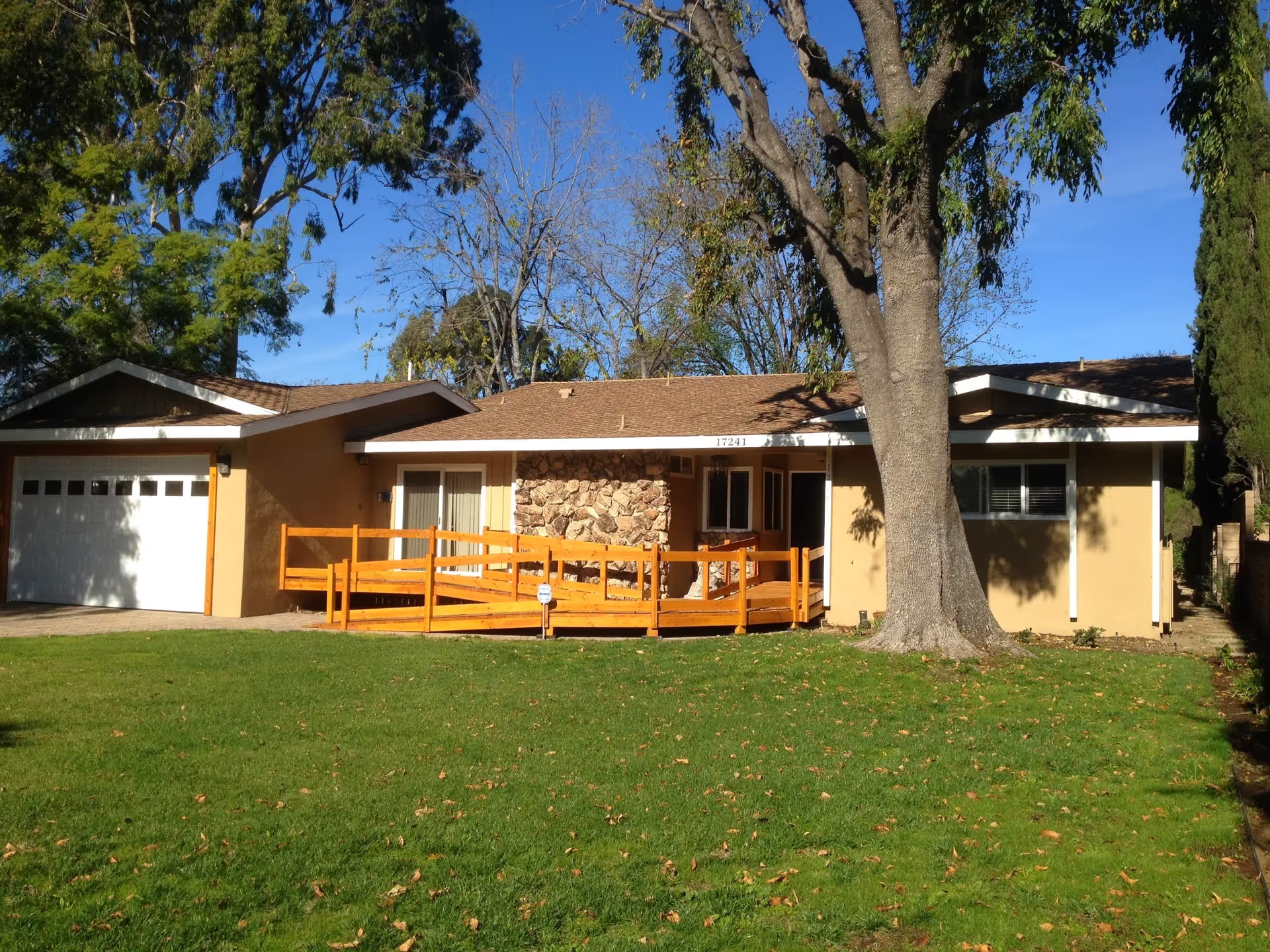
The reviews for A-1 Ascended Senior Care Inc. describe a facility with a sharply mixed reputation: several accounts emphasize consistently positive daily care, cleanliness, and strong leadership, while others raise operational concerns that can affect care continuity. Prospective residents and families are likely to encounter both examples of high-quality caregiving and indications of variability in staff availability and management practices.
Care and staff: Positive comments highlight a caring, attentive caregiving team and a number of long-tenured staff members who contribute to continuity and skill. Families described experiences that translated into a high standard of clinical care and peace of mind. However, there are recurring operational themes indicating insufficient caregiver-to-resident staffing ratios and a high workload for front-line caregivers. Review language implies low compensation and consequential retention issues, which appear linked to lower staff morale and variability in responsiveness. These workforce factors are associated with gaps in clinical oversight, including concerns about monitoring resident weight and nutritional status.
Dining, activities, and facilities: Dining is a consistently praised element — meals are described as healthy, well-presented, and in some cases preferable to hospital food. The physical environment is also noted for cleanliness and an absence of offensive odors, which contributes to resident comfort. The available summaries include little specific information about recreational programming or activities; reviewers did not emphasize activity offerings, so assessment in that area is limited from these comments.
Management and customer service: The administrator is frequently cited as a clear strength — described as responsive and caring — and that leadership presence appears to be a key positive factor for many families. At the same time, other elements of management and front-line customer service drew criticism: there are statements indicating dismissive interactions between management and staff, and inconsistent professionalism at the facility entrance. These dynamics suggest variable communication practices and occasional lapses in customer-facing conduct.
Notable patterns and implications: The dominant pattern is one of contrast: clear strengths in cleanliness, dining, experienced caregivers, and strong administrative leadership coexist with structural staffing and communication weaknesses. Serious individual concerns such as weight loss and questions following a resident's death were mentioned, indicating potential lapses in clinical monitoring or end-of-life communication in at least some cases. For decision-making, visitors should verify current staffing ratios, ask about caregiver turnover and compensation initiatives, review protocols for weight and nutrition monitoring, observe meal service, and meet the administrator to assess responsiveness and communication style.