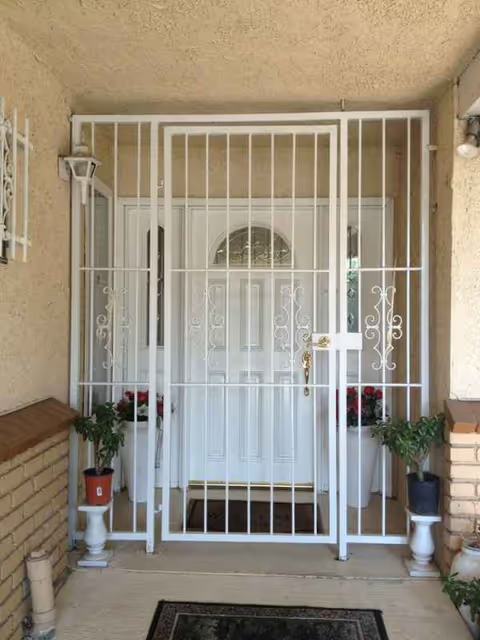
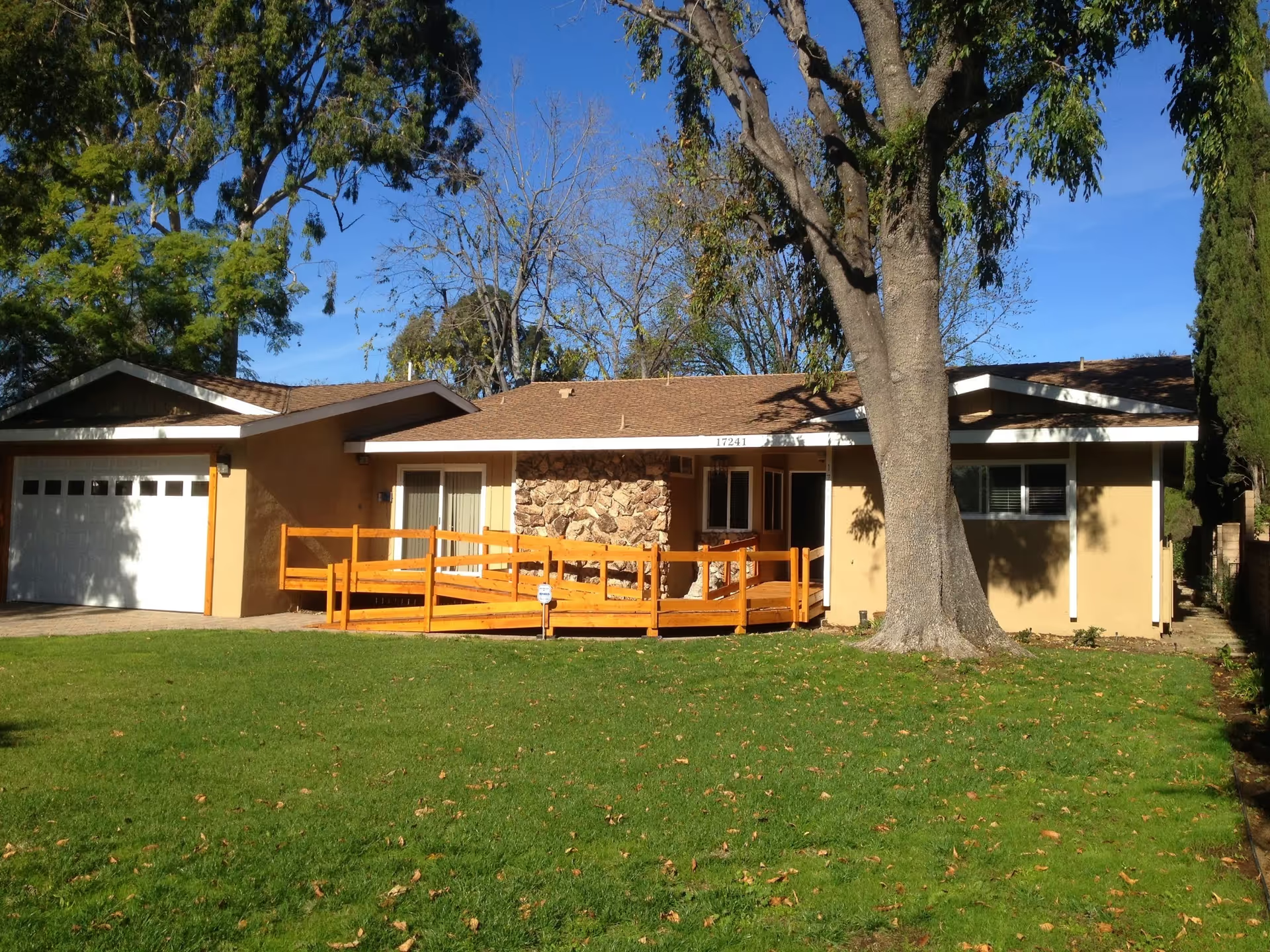
The available reviews present a polarized picture: some families describe attentive, compassionate care, effective therapy, and a well-organized environment, while other accounts raise significant operational concerns. Strengths most often cited include individual staff members and social workers who provide strong family communication and care coordination, a functional rehab program, basic activities that support socialization, and parts of the building that have been recently remodeled and kept orderly.
Care quality is uneven. Several reviewers praised nurses and CNAs for being caring and proactive, and the facility’s rehabilitation services receive favorable comments for helping patients recover mobility. However, recurring concerns suggest inconsistent staffing levels and delayed responses to patient requests — exemplified by slow buzzer responses, delayed bathing, and gaps in monitoring higher-risk residents. There are also repeated comments about medication-administration problems and inconsistent pain management; these indicate process gaps that could affect continuity of clinical care.
Staff-related feedback is similarly mixed. Many families singled out specific employees and social-services staff as highly competent, communicative, and supportive. At the same time, other reviews describe variability in staff professionalism, language barriers, use of personal devices during shifts, curt communication tone, and uneven training. These differences appear to drive much of the variability in family experience from one unit or shift to another.
Dining and activities present a blend of positives and negatives. The facility offers dietary accommodations and straightforward meal choices, plus basic group activities (bingo, breakfast events) that some residents enjoy. Conversely, meal quality and timeliness are described as inconsistent — with specific reports of cold or unappealing meals — suggesting kitchen operations and service continuity could be improved.
Facility and safety issues are a recurring theme. While parts of the building are described as clean and remodeled, other accounts raise sanitation and odor-control variability and pest-control concerns. Reviewers also flagged environmental-safety issues such as trip hazards, obstructed egress routes, and equipment or cords placed in ways that complicate safe navigation. Combined with the staffing and responsiveness concerns, these environmental factors contribute to family unease about resident safety.
Management and communication patterns are mixed. Positive interactions with social services and admission staff indicate capacity for good coordination and support. Yet several families described inconsistent or poor communication from clinicians and administration — examples include unanswered phones, delayed physician follow-up, unclear discharge or medication coordination, and frustration with appointment-only visitation policies. A minority of reviews include serious allegations that prompted calls for regulatory review; these are significant and merit direct investigation by oversight bodies.
Overall, Casitas Care Center demonstrates clear strengths in individualized staff relationships, social-services support, and rehabilitation services, but it also exhibits operational weaknesses that affect reliability: inconsistent staffing, response times, medication and personal-care processes, sanitation control, and environmental safety. Prospective residents and families should weigh the positive testimonials about specific staff and therapy outcomes against the variability described in facility operations and consider direct, detailed questions about staffing ratios, medication protocols, infection-control practices, visitation procedures, and safety audits during tours and admissions discussions.