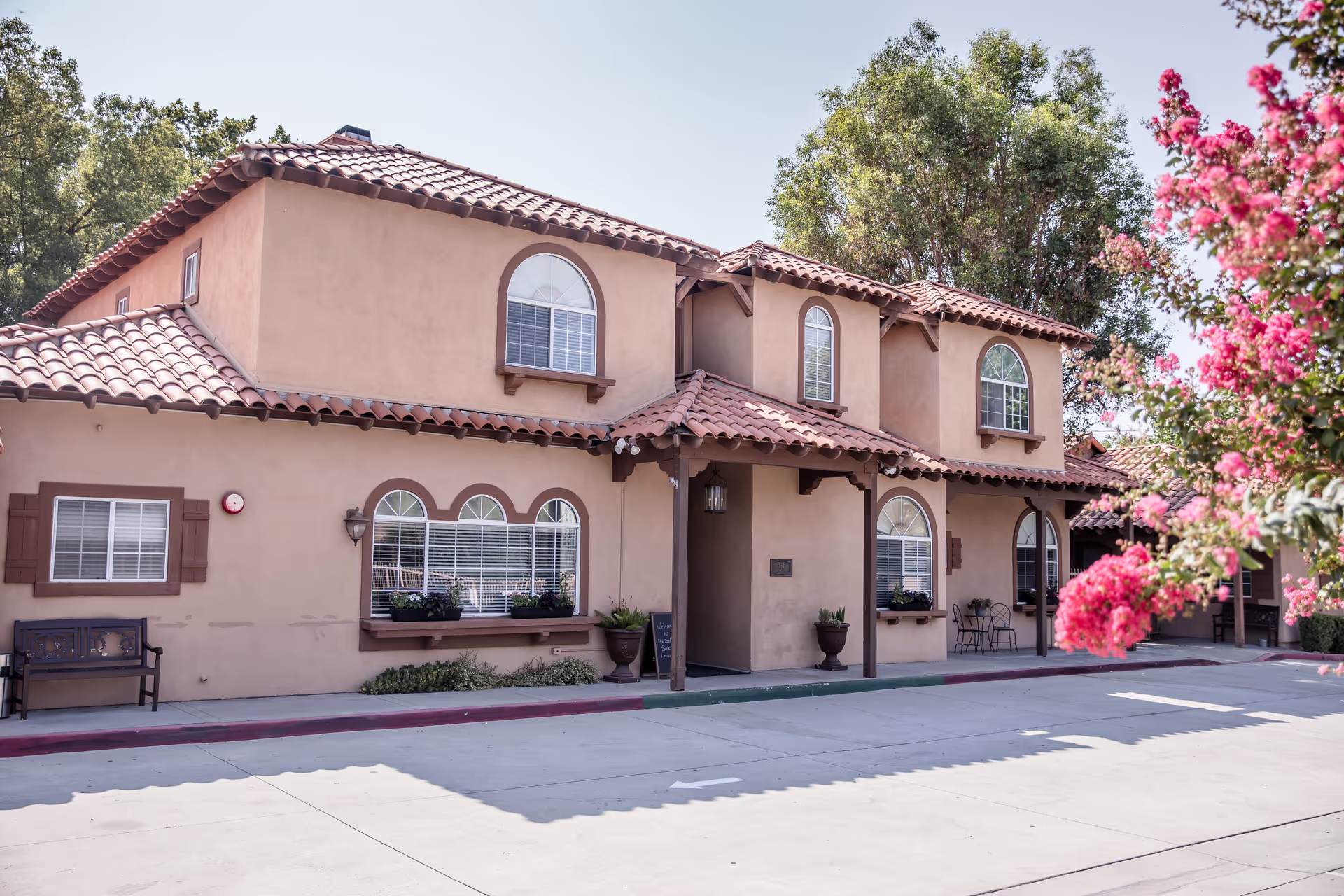
Camelot is a distinctive, castle-inspired independent-living community with attractive grounds, including a citrus orchard, and a range of shared amenities. Residents and visitors commonly describe the building as welcoming, bright, and socially oriented. Apartments are generally viewed as comfortable and functional, though some find them small, and the large layout and long hallways may be challenging for people with limited mobility. The community offers meals, housekeeping, transportation, activities, and emergency call devices; however, it is not a substitute for a skilled nursing or memory-care setting.
Staff warmth is one of the strongest recurring themes. Residents and families often praise employees for being approachable, helpful, and attentive, and describe management as supportive during tours and move-ins. Positive accounts also cite regular communication and staff efforts to make the community feel personal. Experiences are not uniform: some residents describe delays or limited staff availability, and a few families raise concerns about communication or service follow-through. Third-party caregivers are available on-site, but their services are separate from the community’s independent-living support and families describe variable experiences with their reliability and oversight.
Dining is a notable point of disagreement. Many residents enjoy the meals, dining-room setting, and opportunities to eat with others; some accounts describe appealing, balanced food and accommodating kitchen staff. Other accounts cite inconsistent preparation, limited variety, bland or poorly timed meals, and difficulty obtaining suitable options for specific dietary needs. Families considering Camelot may wish to ask how dietary requests are documented and handled, and to sample meals at different times.
The activity program includes games, crafts, exercise, live entertainment, holiday events, and outings, with transportation available for errands and appointments. Residents who participate often value the opportunities to socialize and stay engaged. Some accounts indicate that participation can vary, that programming may not suit every resident, or that newcomers may need time to find their place socially. Amenities such as the pool, spa, salon, library, fitness room, chapel, and outdoor walking areas add to the community’s appeal.
Cleanliness and upkeep are often praised, particularly in public areas and after renovations. At the same time, some residents describe inconsistent apartment cleaning and worn carpets or floors. Reviews also raise maintenance concerns, including delays and intermittent problems with air conditioning, hot water, and appliances. Families should ask about housekeeping responsibilities and maintenance response expectations for the specific apartment.
A central consideration is the distinction between independent living and hands-on care. Several family accounts describe needs involving medication support, cognitive changes, mobility limitations, or complex medical conditions that exceeded what they understood the community or its supplemental services could provide. These concerns contrast with many positive accounts of residents who are largely independent and satisfied. Prospective residents should confirm in writing which services are included, what care is provided by outside agencies, how medications are handled, and what changes in health would require another level of care. A small number of accounts also describe difficulty resolving deposits or charges, so it is prudent to review billing and refund terms before signing.